English
 português
 فارسی
فارسی
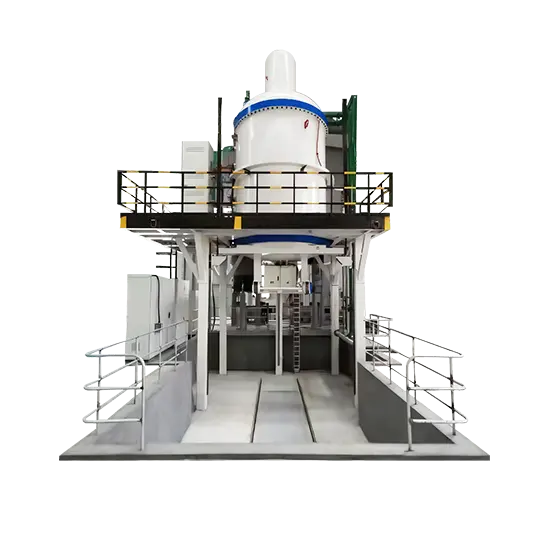
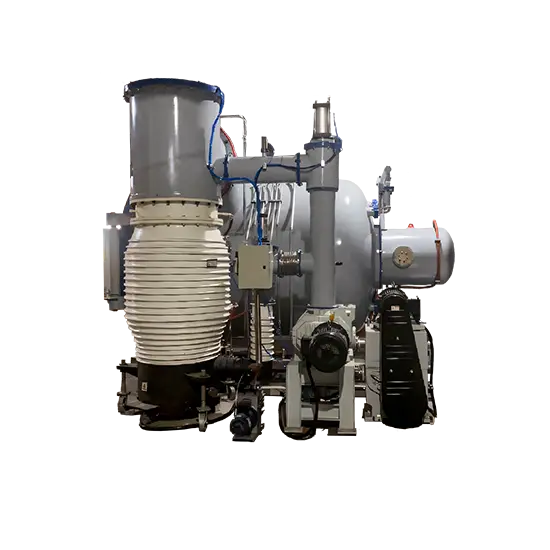
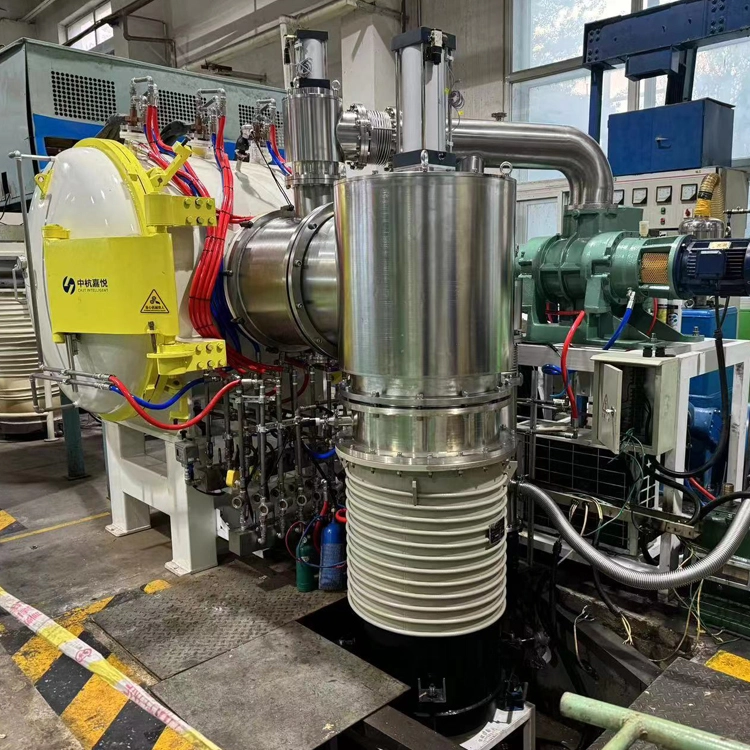
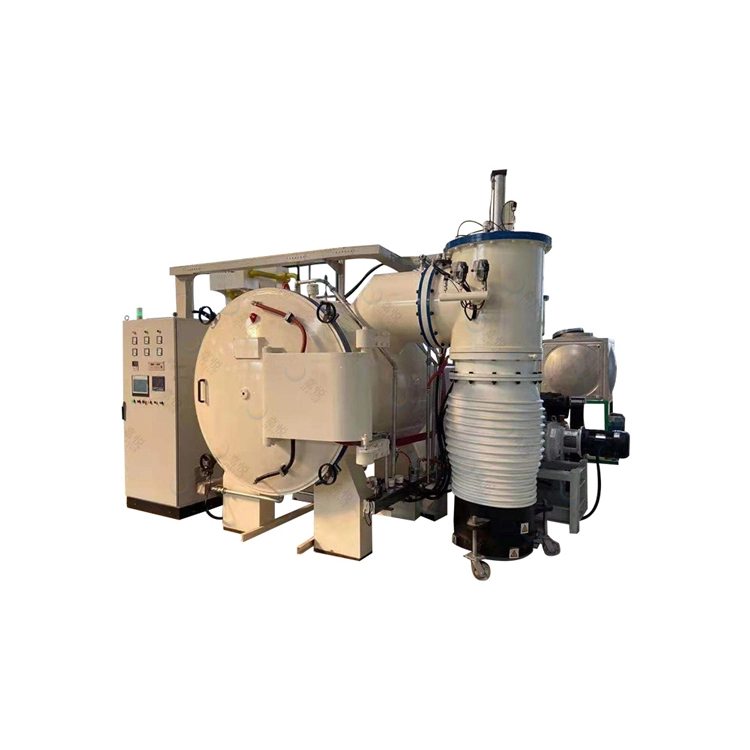
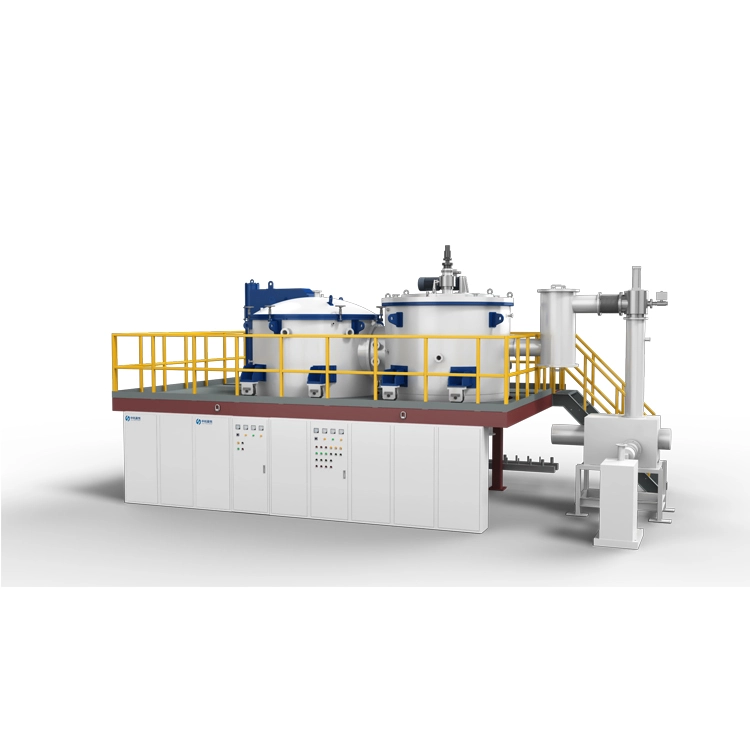
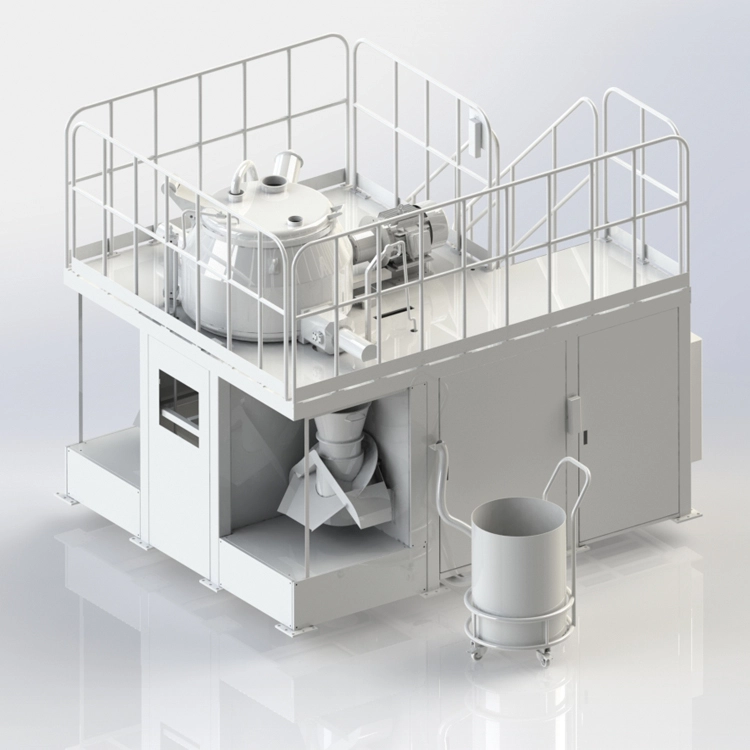
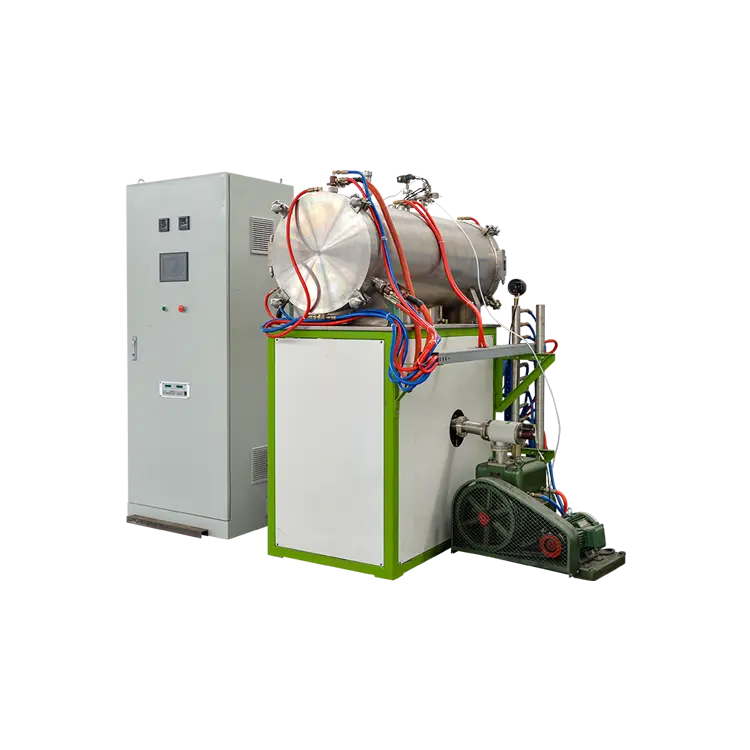
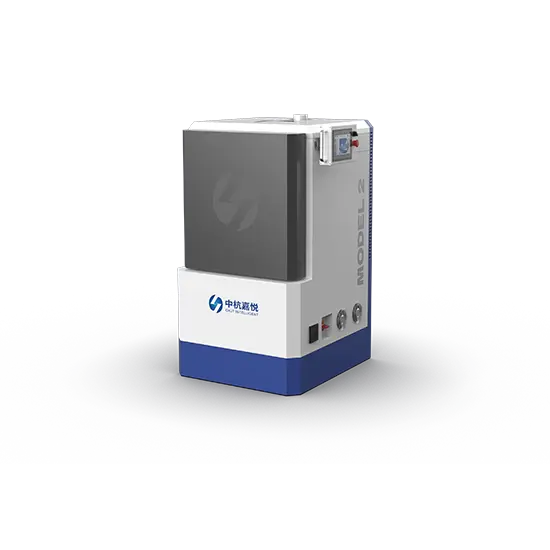
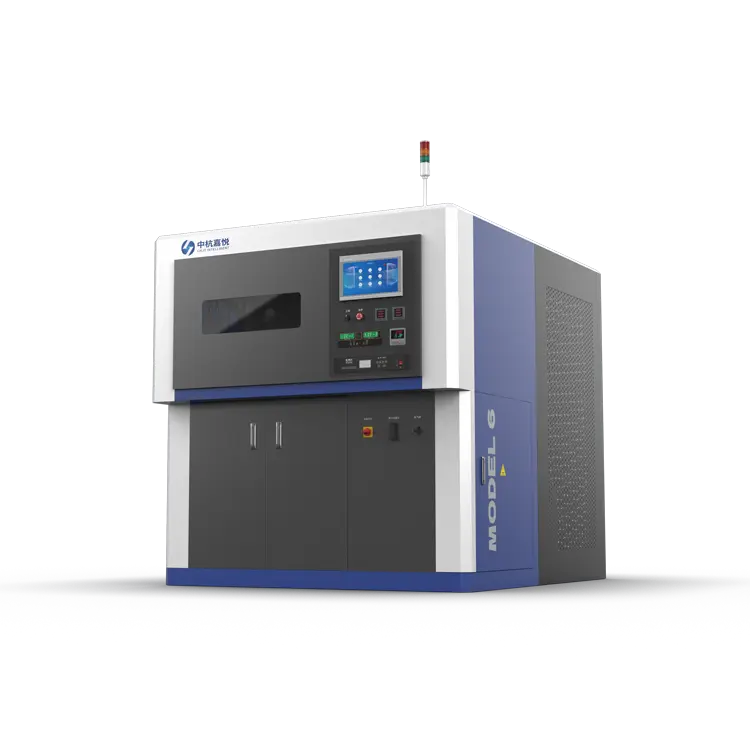
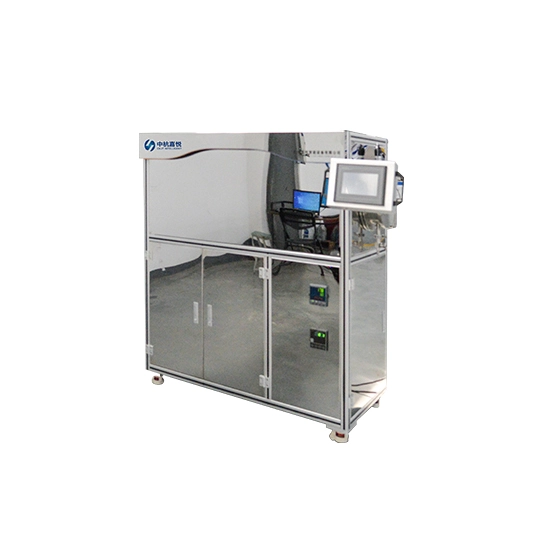
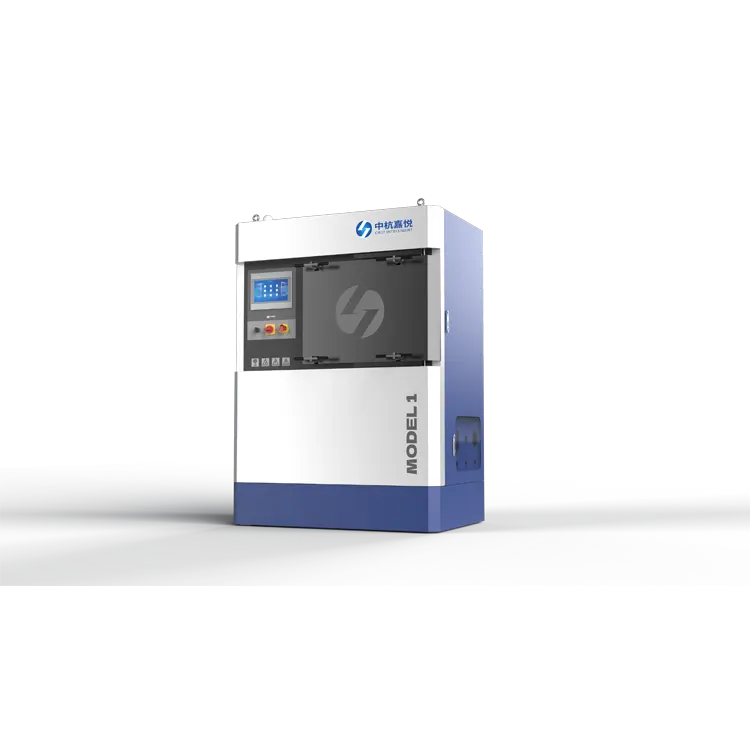
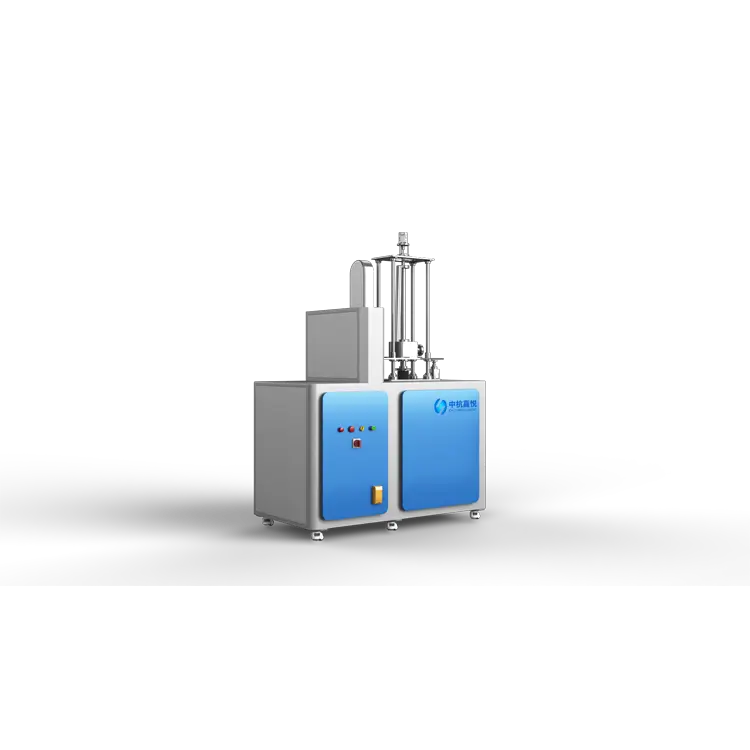
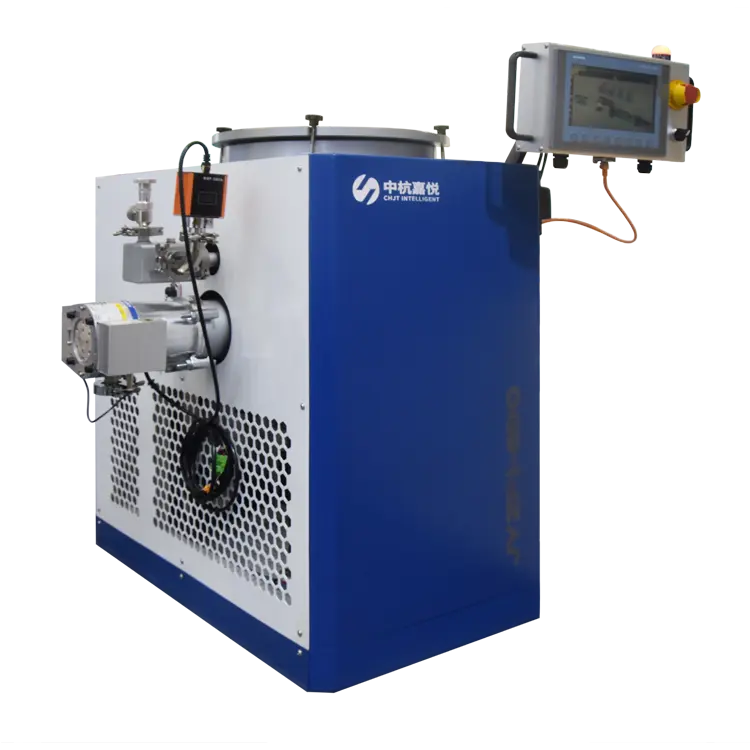
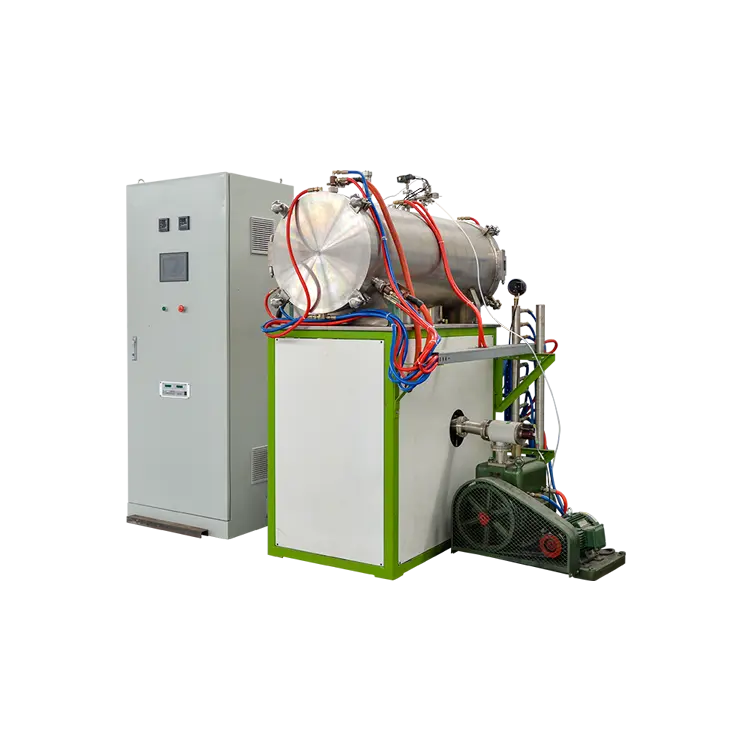
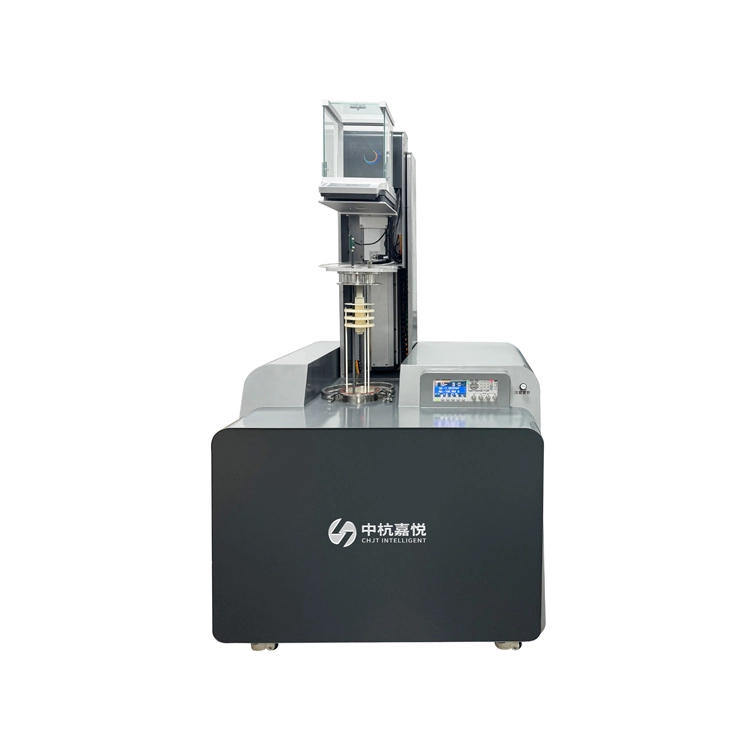
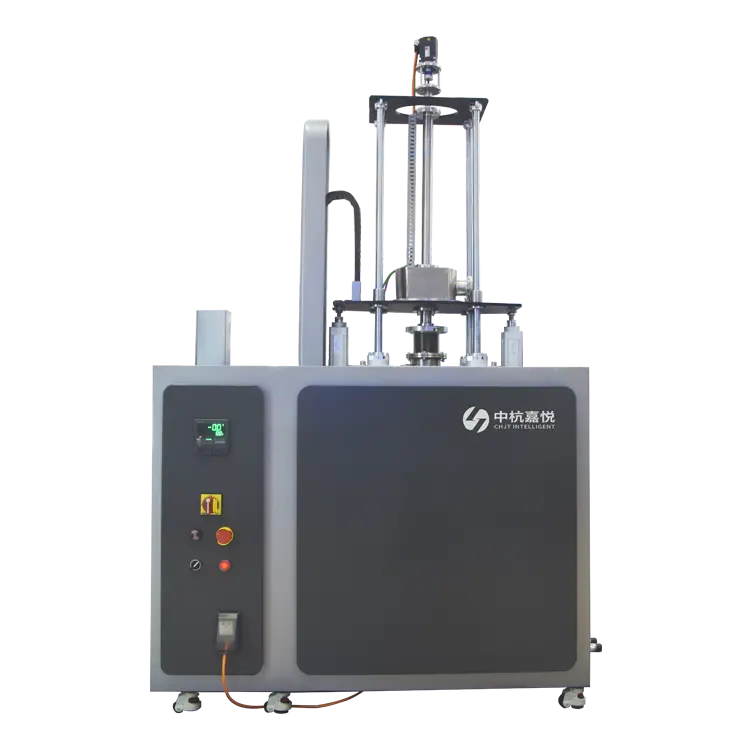
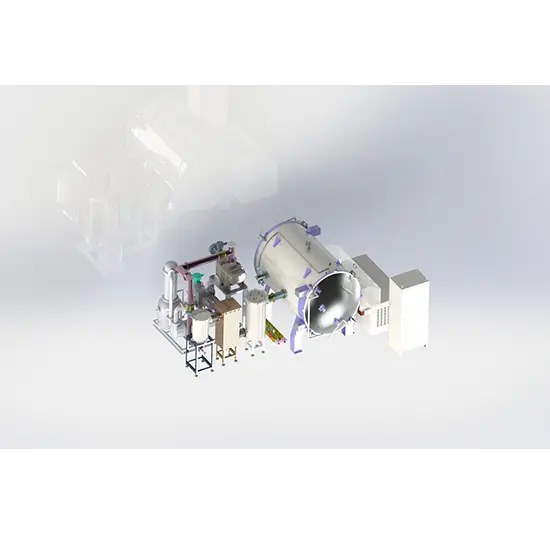
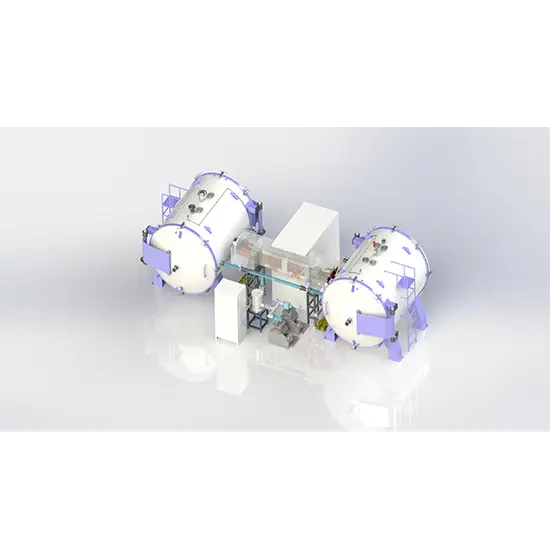
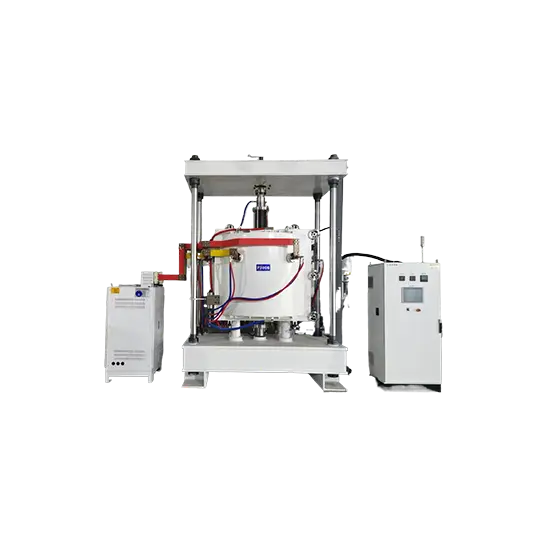
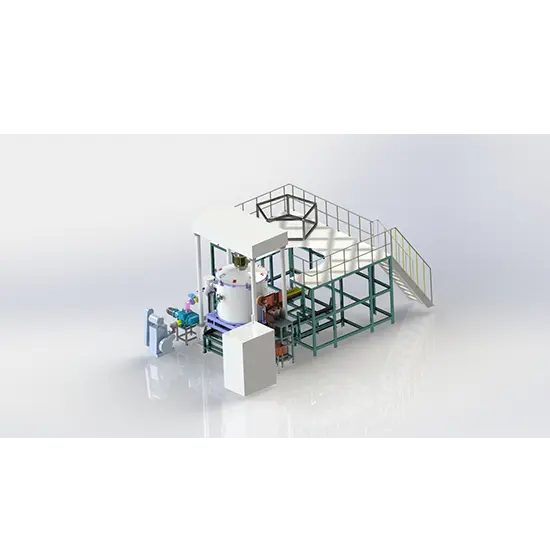
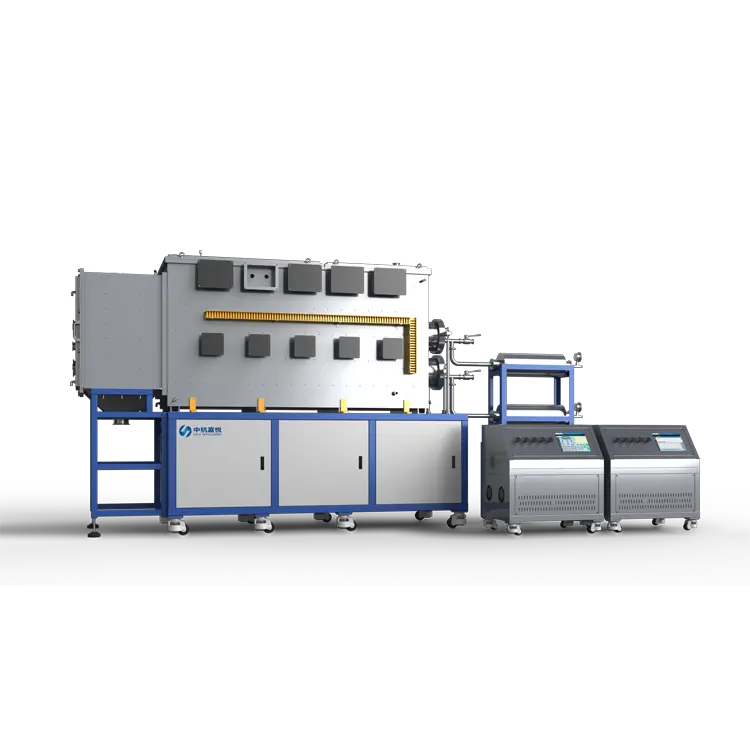
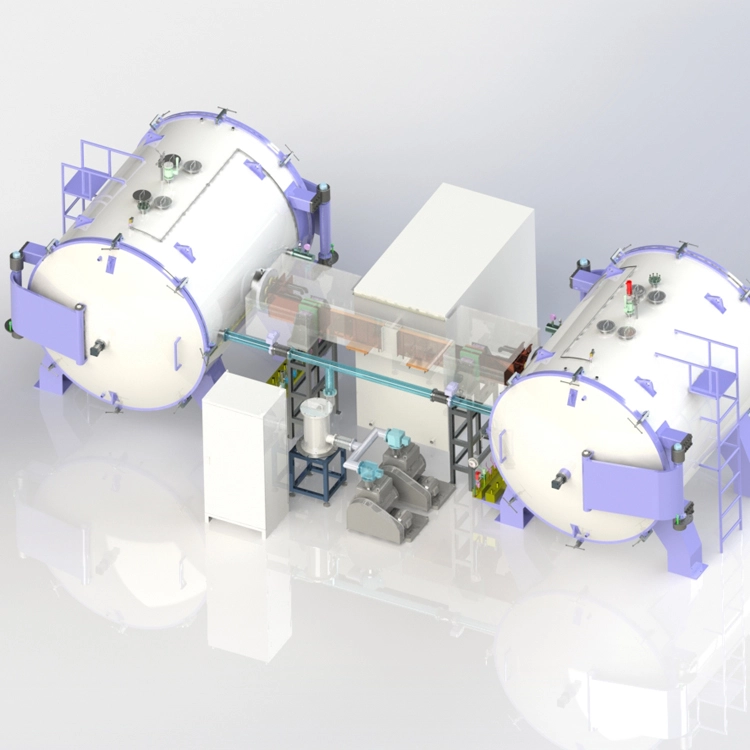
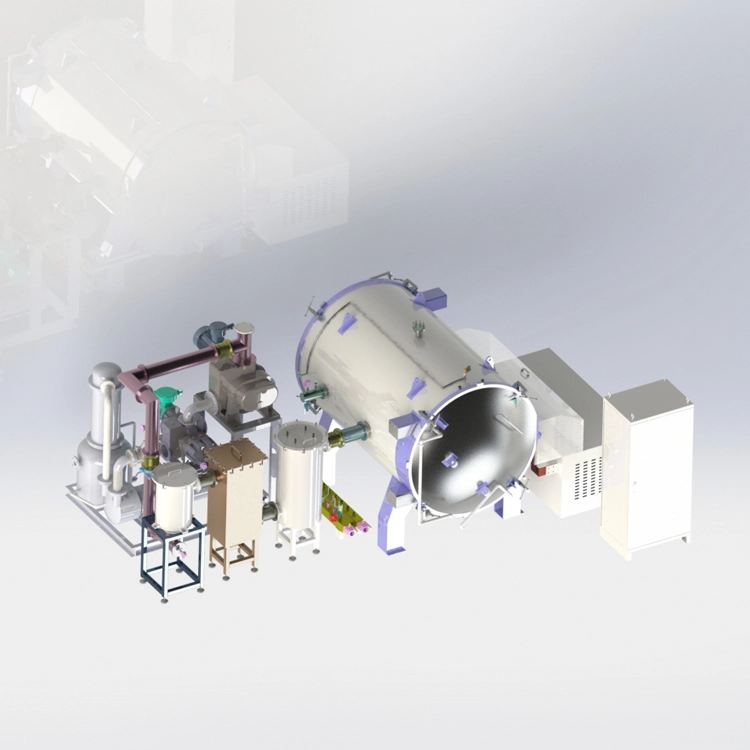
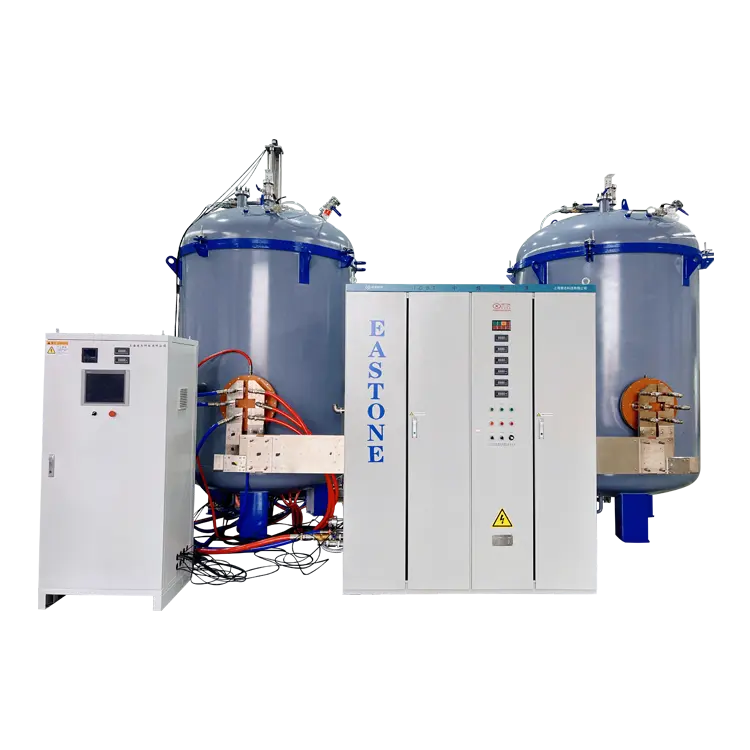
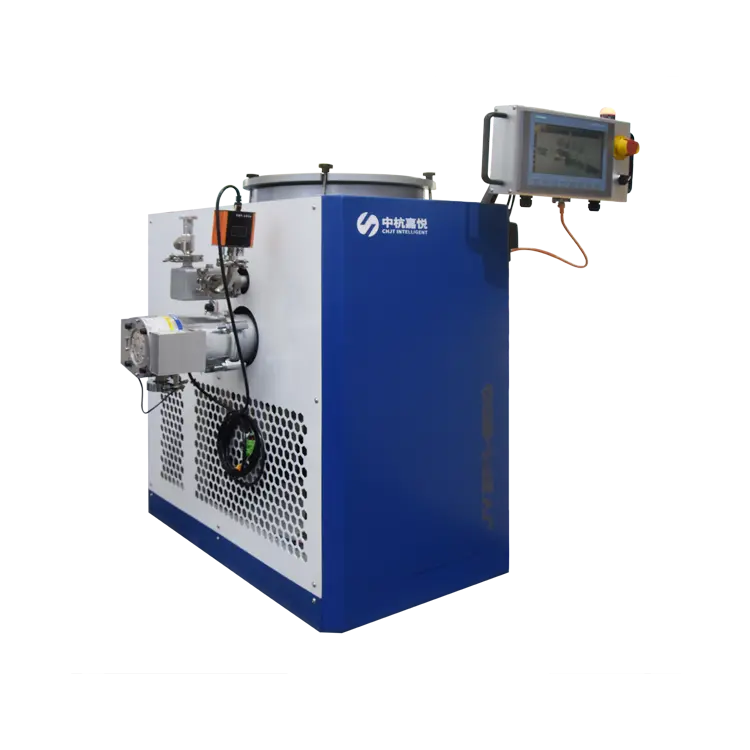
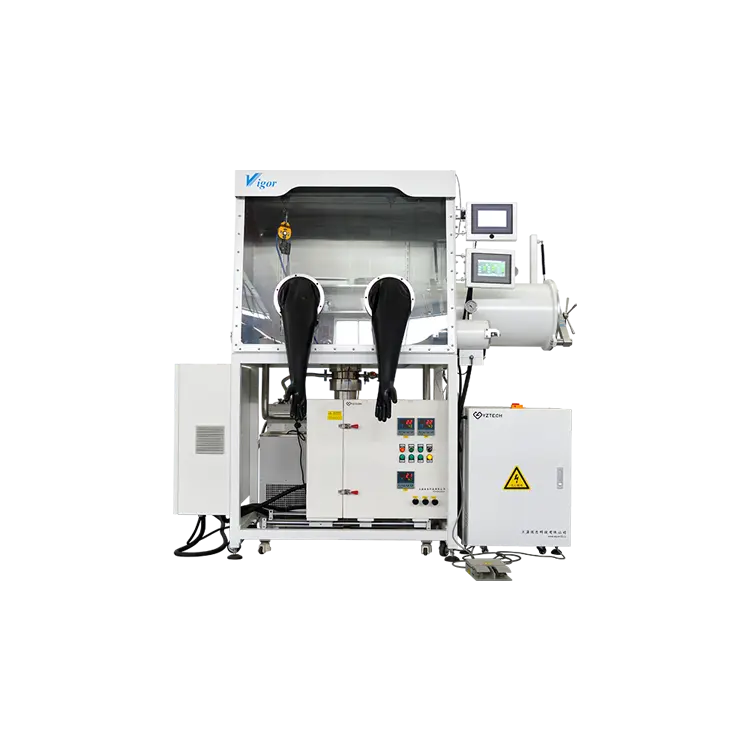
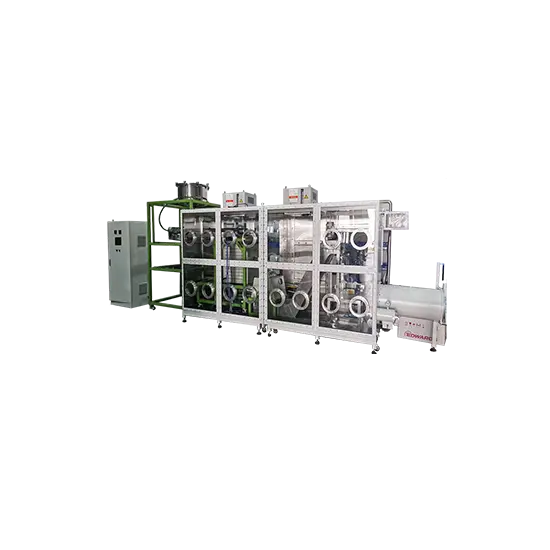
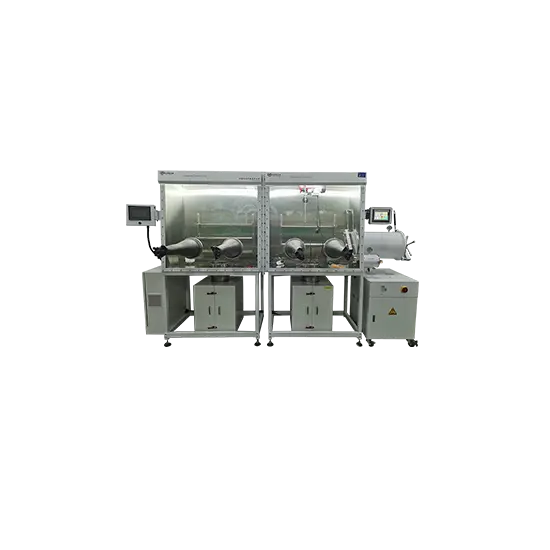
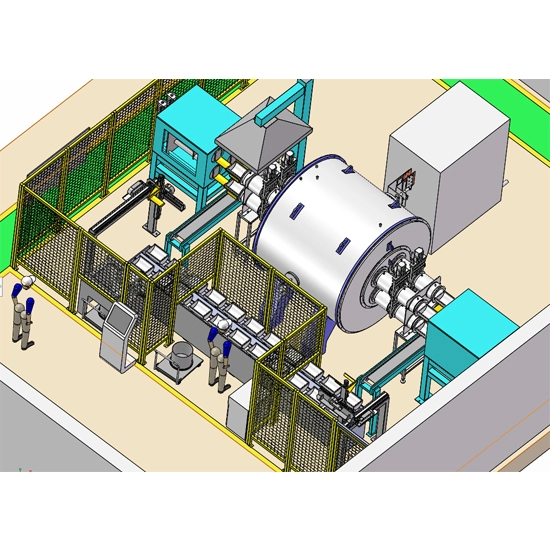
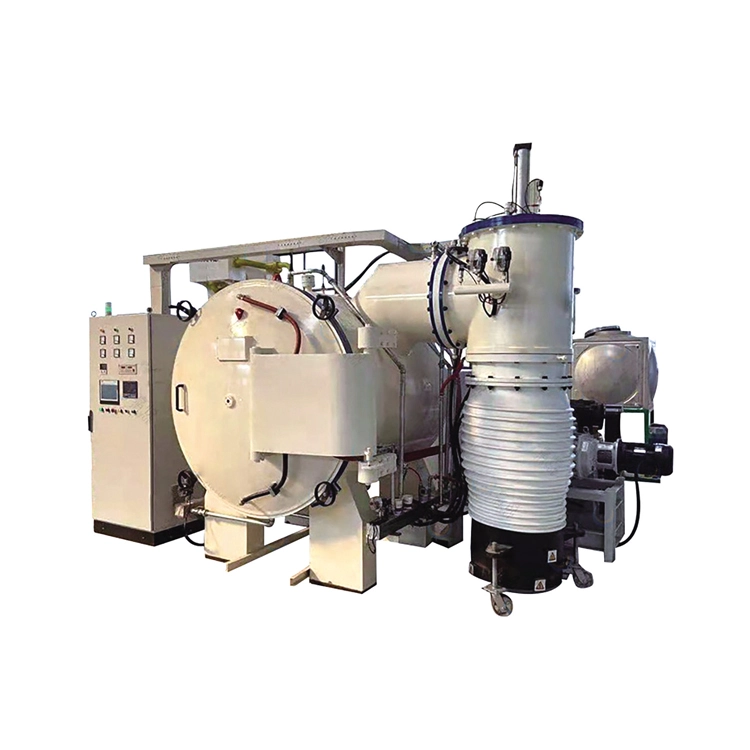
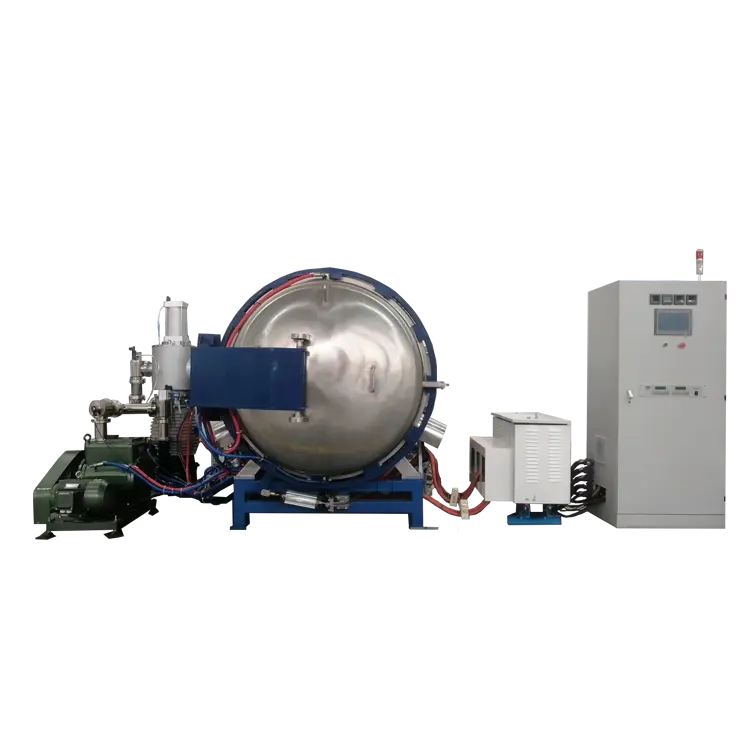
A modern annealing furnace is more than a heating box — it is a controlled thermal system designed to change microstructure, relieve residual stress, and stabilize mechanical properties through a repeatable cycle. To evaluate performance and compare suppliers intelligently, you need to understand the process logic behind the three core stages: heating, soaking, and cooling. This guide explains the working principle of an annealing cycle and what to confirm when evaluating vacuum annealing furnace manufacturers for precise, contamination-sensitive applications.
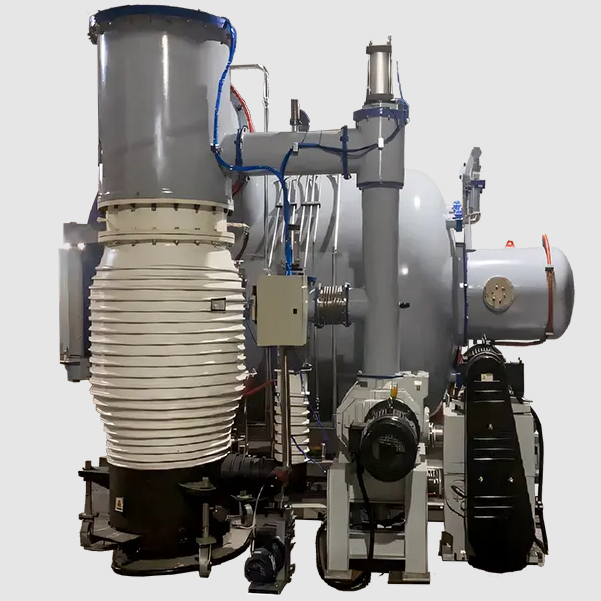
Residual stress is introduced into metal parts at nearly every manufacturing stage — welding creates heat-affected zones with tensile stress; machining introduces surface compressive and subsurface tensile stress; cold forming and quenching lock in stress gradients that reduce fatigue life and dimensional stability.
Annealing works by raising the metal to a temperature where atomic mobility increases significantly. At elevated temperature, dislocations — the crystal defects that carry stress — can rearrange, annihilate, and re-pin at lower energy states. The material effectively relaxes toward a lower-stress microstructural configuration.
| Stress Source | Mechanism | Annealing Effect |
|---|---|---|
| Welding residual stress | High thermal gradient during solidification | Stress relaxation at sub-recrystallization temperature |
| Cold forming work hardening | Dislocation density increase | Recovery and recrystallization at appropriate temperature |
| Quench stress | Rapid cooling gradient through the section | Stress relief annealing at temperature below phase change |
| Machining surface stress | Cutting tool deformation of surface layer | Surface recovery at lower temperatures |
For alloys where surface oxidation is a quality concern — titanium, nickel superalloys, tool steels, and precision stainless components — atmosphere control during annealing is as important as the temperature cycle. Vacuum annealing furnace manufacturers design systems that operate at pressures where oxygen partial pressure is below the threshold for oxide formation on most engineering alloys, producing a bright, unoxidized surface finish without post-process cleaning.
The heating stage is not simply "get to temperature" — it is a controlled ramp designed to avoid creating the same problems the annealing cycle is meant to solve.
| Control Parameter | Why It Matters | Consequence of Poor Control |
|---|---|---|
| Ramp rate (°C/min) | Slow ramp prevents thermal shock and distortion | Too fast: thermal gradients introduce new stress |
| Temperature uniformity across the load | All parts in the batch must heat at the same rate | Non-uniform heating produces variable results across the load |
| Vacuum level during heat-up | Prevents oxidation as surface temperature rises | Loss of vacuum at temperature allows surface contamination |
| Thermocouple placement | Monitors actual load temperature, not just furnace air | Relying on furnace temperature alone misses load lag |
Heating elements: resistance elements or radiant panels arranged to deliver uniform heat flux across the working zone
Insulation: hot-face insulation minimizes thermal mass and allows the furnace to reach temperature efficiently and cool controllably
PID control loops: multi-zone temperature control with independent regulation in each zone ensures uniformity
Vacuum pumping: roughing pump followed by diffusion or turbomolecular pump stages to reach the required operating vacuum before heating begins
Reaching the target temperature at the furnace thermocouple does not mean the core of a thick section or a dense load has reached the same temperature. The soak stage holds the furnace at temperature long enough for heat to penetrate to the geometric center of the thickest part in the load.
| Factor | Effect on Required Soak Time |
|---|---|
| Material thermal conductivity | Low conductivity (titanium, stainless) requires longer soak than high conductivity (copper, aluminum) |
| Part wall thickness | Thicker sections require more time for center-to-surface temperature equalization |
| Load mass and packing | Dense loads with poor gas circulation require longer soak for batch uniformity |
| Target property change | Full recrystallization requires longer soak than simple stress relief at sub-recrystallization temperature |
During the soak period, three metallurgical processes may occur depending on temperature relative to the material's recrystallization temperature:
Recovery: dislocation rearrangement reduces dislocation density and lowers residual stress without major grain structure change
Recrystallization: new strain-free grains nucleate and grow, replacing the deformed microstructure
Grain growth: at higher temperatures or longer times, newly formed grains coarsen — must be controlled to avoid property loss
The vacuum system must maintain stable operating pressure throughout the soak. Pressure rise during soak from outgassing of the load, fixtures, or furnace internals is normal — the system must have sufficient pumping capacity to maintain the target vacuum level against this outgassing load.
The cooling stage is not a passive waiting period — it is an active process control stage that determines the final properties of the part as much as the heating and soaking stages do.
| Cooling Rate | Effect on Properties | Risk of Incorrect Rate |
|---|---|---|
| Too fast | Reintroduces thermal stress; may cause quench-like microstructural changes | Distortion; new residual stress; unintended phase transformation |
| Too slow | Extended time in sensitization temperature range for certain stainless grades | Carbide precipitation; property degradation |
| Staged cooling | Allows controlled hold at intermediate temperature if required | Requires programmable furnace with multi-stage cooling profiles |
| Method | Description | Best Application |
|---|---|---|
| Furnace cooling (natural) | Power off; let furnace cool with door closed | Sensitive materials requiring very slow cooling; maximum stress relief |
| Partial pressure gas cooling | Backfill with inert gas (N₂ or Ar) at partial pressure to increase heat transfer | Faster cooling without oxidation; common in vacuum furnaces |
| Forced gas quench | High-pressure inert gas circulation through the load | When faster cooling is required for specific alloys or property targets |
Temperature feedback: thermocouples continue monitoring the load to confirm the cooling profile is followed
Cooling valves and fan speed: variable control to match the specified cooling rate
Pressure interlocks: prevent door opening until the load has cooled to safe handling temperature and pressure has equalized
Logged cooling curve: modern systems record the actual cooling curve for every cycle for traceability
The three-stage cycle described above only delivers consistent results if the furnace can execute it repeatably — cycle after cycle, load after load. This requires a control architecture that goes beyond manual temperature adjustment.
| Capability | What It Enables |
|---|---|
| Recipe programming | Define and lock the full cycle — ramp rate, soak temperature, soak time, cooling profile — as a stored program |
| Multi-zone temperature control | Independent control of each heating zone to achieve uniformity across the working volume |
| Data logging and traceability | Complete cycle record including time, temperature, and vacuum level for every production run |
| Vacuum level monitoring | Continuous measurement with alarm and abort logic if vacuum level degrades during the cycle |
| Over-temperature protection | Independent high-limit thermocouple circuit prevents runaway heating |
| Request | Why It Matters |
|---|---|
| Temperature uniformity survey | Confirms the furnace meets the required uniformity class (AMS 2750 or equivalent) across the working zone |
| Typical cycle graphs | Shows actual heating, soak, and cooling curves from a production run on your material type |
| Vacuum performance data | Ultimate vacuum, pump-down time, and leak-up rate — key indicators of chamber integrity |
| Maintenance plan for pumps and seals | Vacuum pump service intervals; door seal replacement frequency; impact on furnace availability |
| Control system specification | PLC type, software version, data export format, remote monitoring capability |
The effectiveness of an annealing furnace comes from control — precisely how it executes the three stages of heating, soaking, and cooling. When these stages are stable and repeatable, stress relief becomes predictable, distortion risk drops, and part properties become consistent across every production run. If surface quality and oxidation control matter for your application, evaluating vacuum annealing furnace manufacturers through the lens of cycle control, temperature uniformity, and vacuum stability is the most practical and productive approach.
Q1: What are the three stages in the working principle of an annealing furnace?
Most annealing cycles follow three controlled stages: a heating ramp-up phase where the load is brought to temperature at a controlled rate to avoid thermal shock; a soaking phase where the load is held at temperature long enough for heat penetration and stress relaxation; and a controlled cooling phase where the load is cooled at a defined rate to avoid reintroducing stress or causing unwanted microstructural changes.
Q2: Why is soaking time necessary — can the furnace just heat and cool?
The soak ensures that the core of every part in the load reaches the target temperature, not just the surface or the furnace atmosphere. Thick sections, dense loads, and low-conductivity materials all require time for temperature equalization. Without adequate soak time, the center of the part may not reach the temperature required for stress relaxation, and the annealing result will be non-uniform.
Q3: How does a vacuum annealing furnace differ from an atmosphere furnace?
A vacuum furnace operates at reduced pressure — typically below 10⁻³ to 10⁻⁵ mbar depending on the application — which eliminates atmospheric oxygen from the furnace chamber. This prevents surface oxidation during the thermal cycle, producing a bright surface finish and consistent surface chemistry. Atmosphere furnaces use a controlled gas (nitrogen, hydrogen, or mixed gas) to protect the surface, which is suitable for many applications but not all alloy systems.
Q4: What happens if the heating or cooling rate is too fast?
A ramp rate that is too fast for the section thickness or material creates a temperature gradient through the part — the surface heats faster than the core. This differential expansion introduces new thermal stress, which defeats the purpose of the annealing cycle and can cause distortion or cracking in brittle materials. Excessive cooling rate can reintroduce stress, cause dimensional change, or trigger phase transformations that alter hardness and ductility.
Q5: What information do vacuum annealing furnace manufacturers need to recommend the right system?
Provide the material type and alloy grade, maximum part dimensions and load weight, target annealing temperature and any intermediate hold temperatures, required vacuum level, target cooling method (furnace cool, partial pressure cool, or forced gas quench), expected production volume and cycle frequency, and any industry standards that the furnace must comply with for your production documentation requirements.