English
 português
 فارسی
فارسی
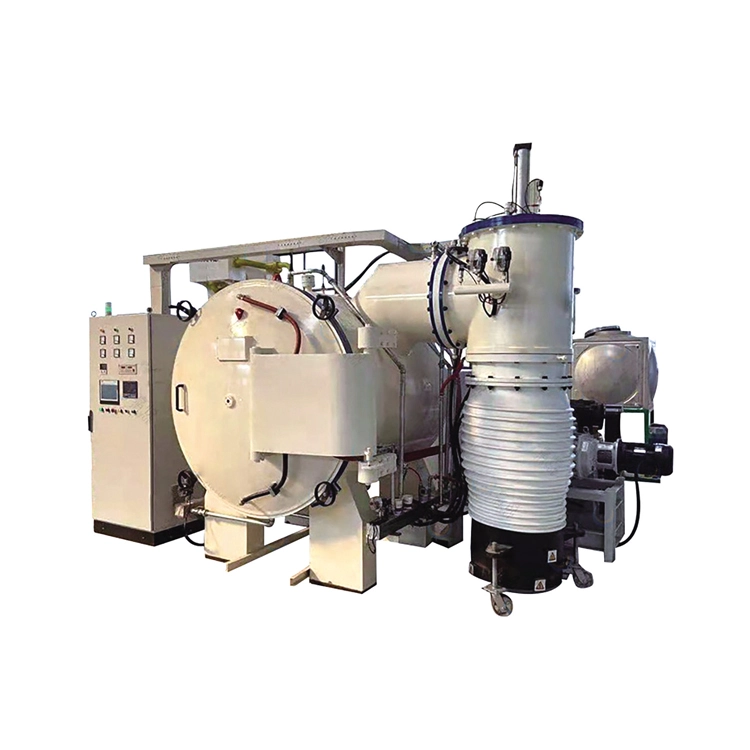
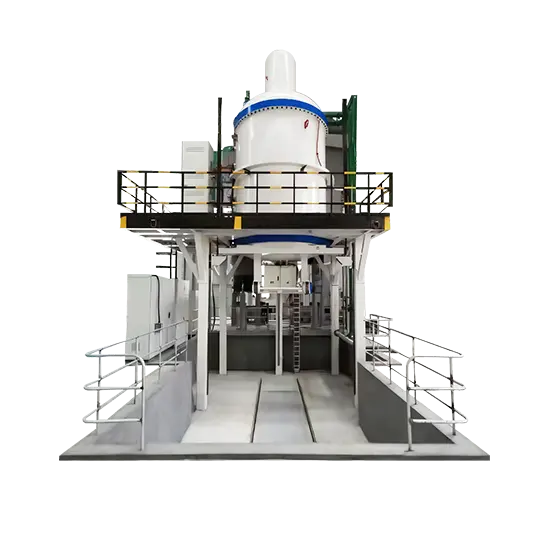
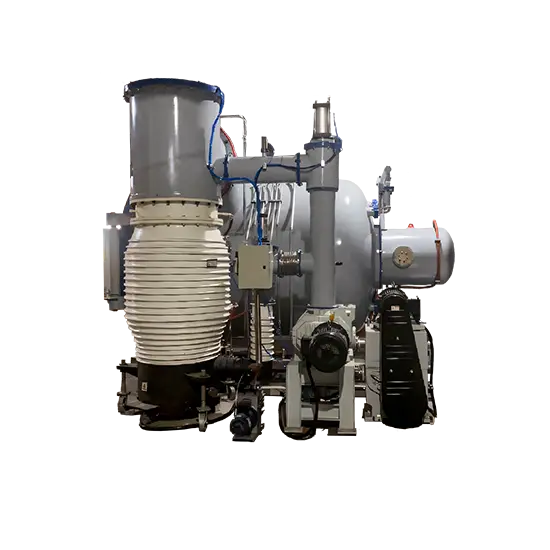
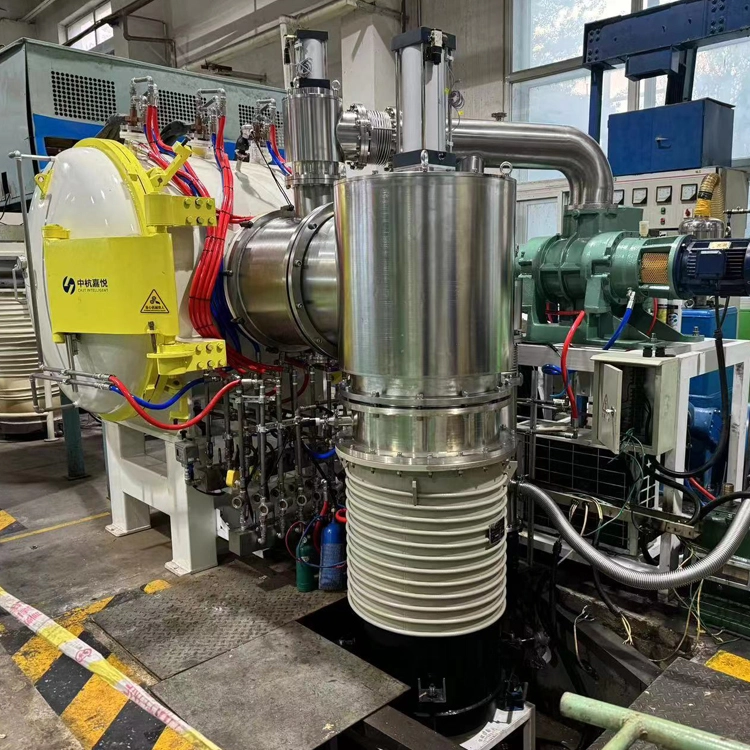
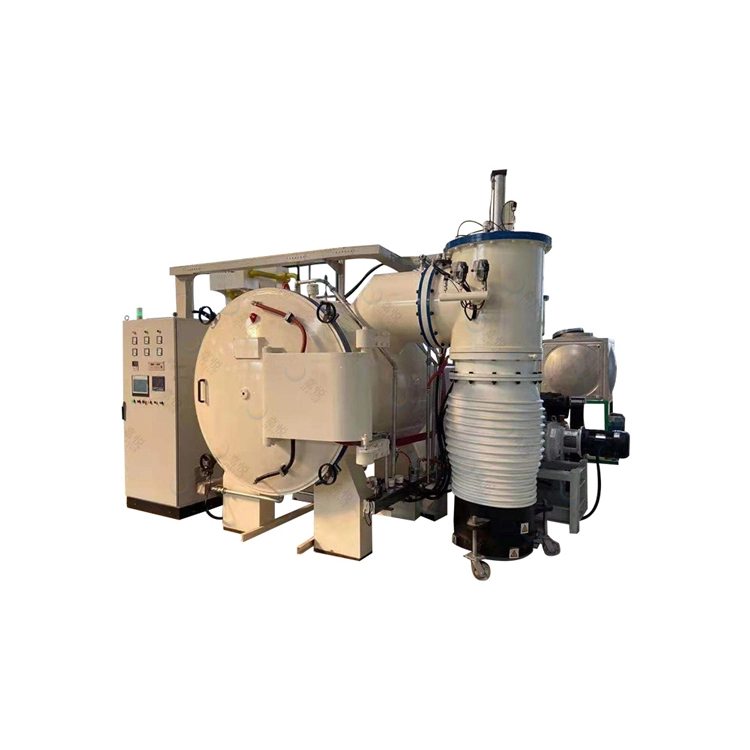
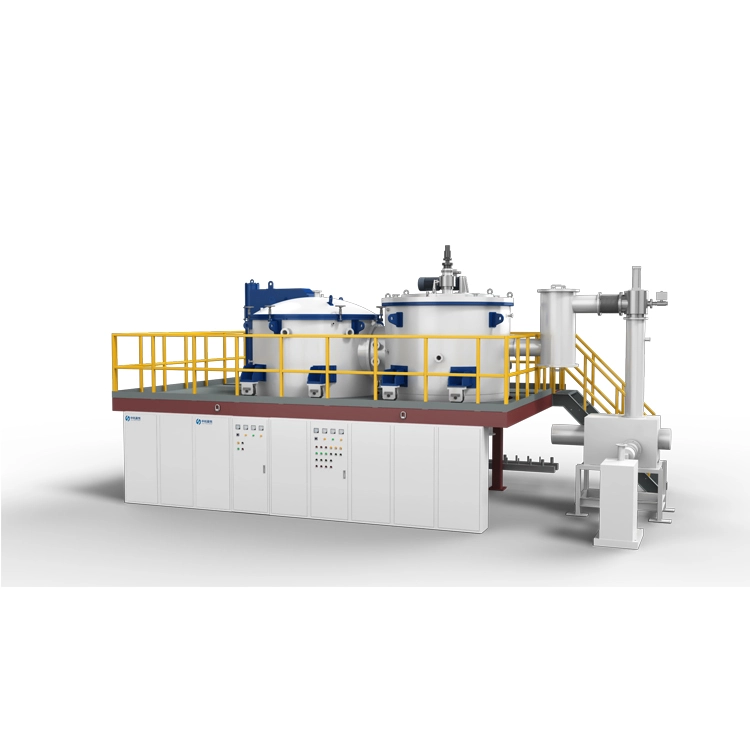
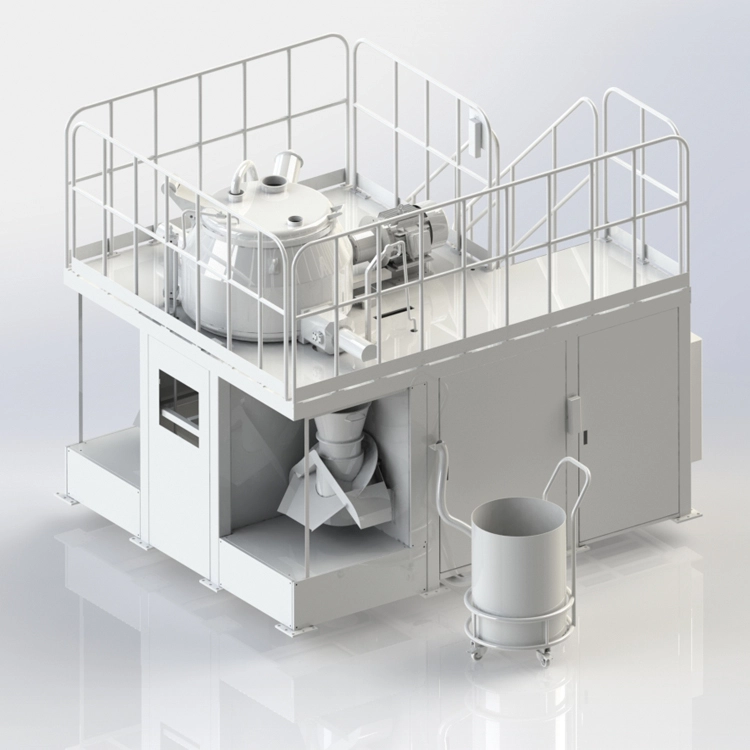
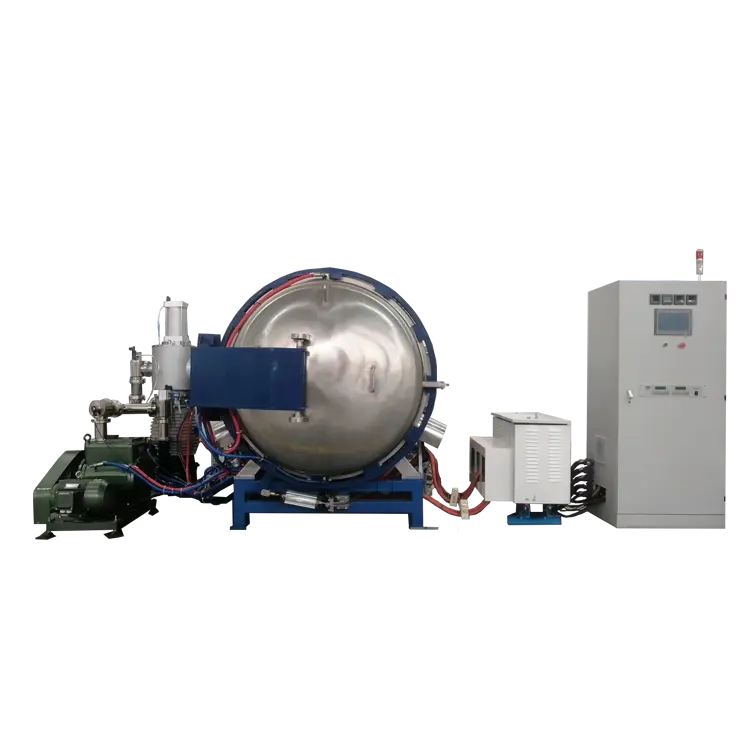
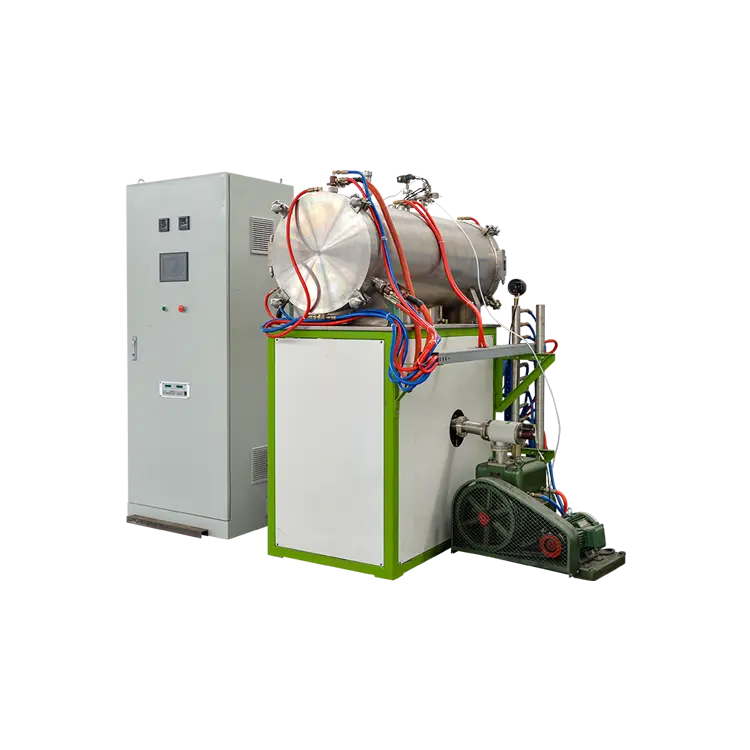
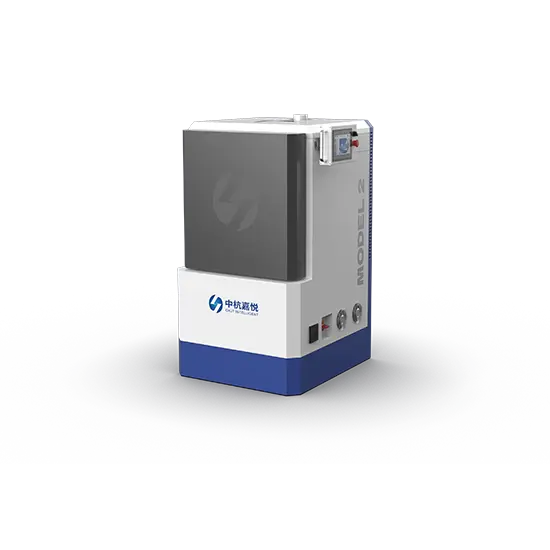
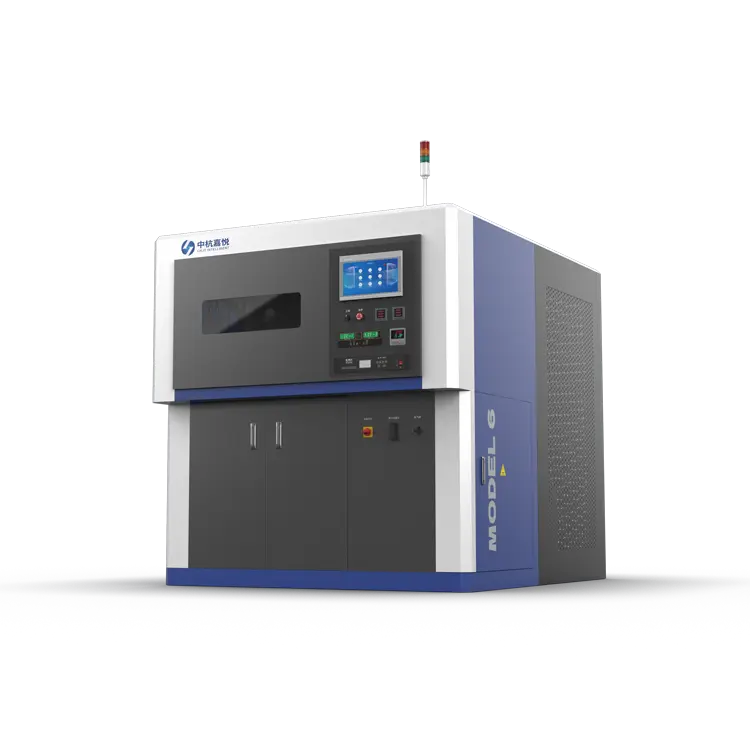
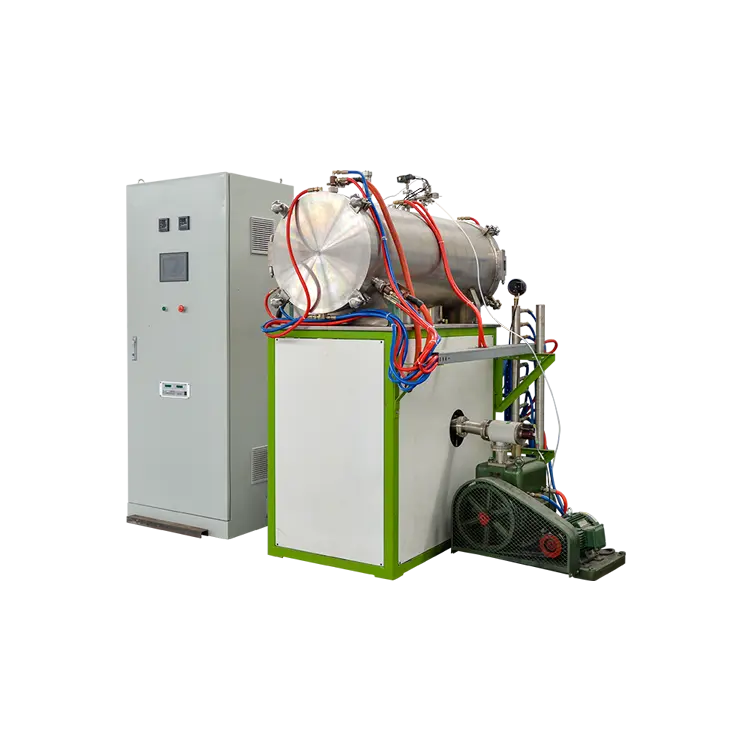
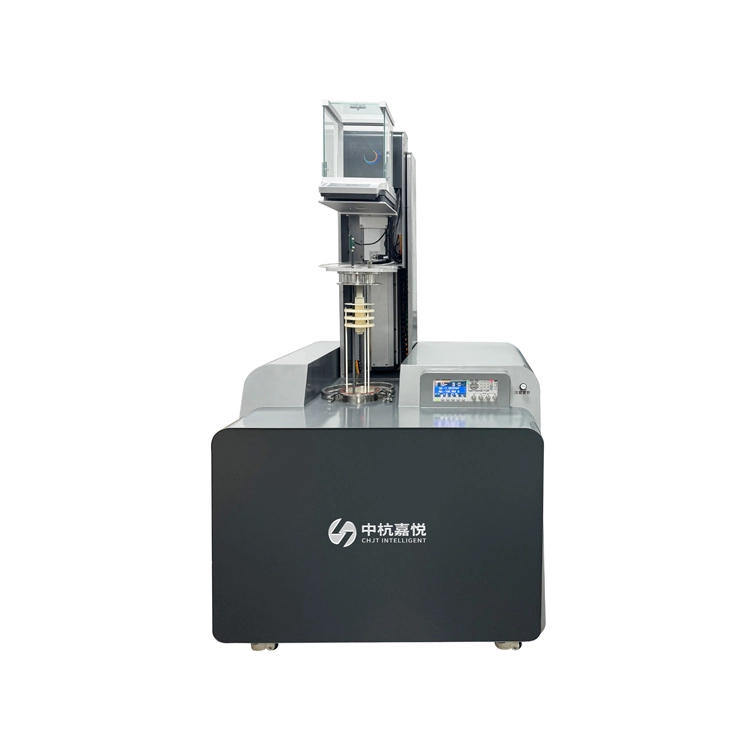
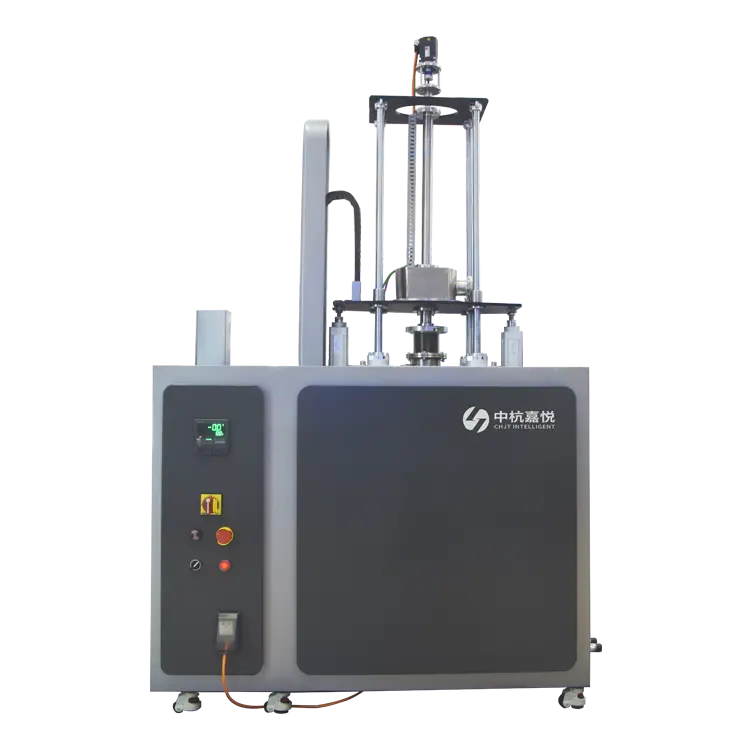
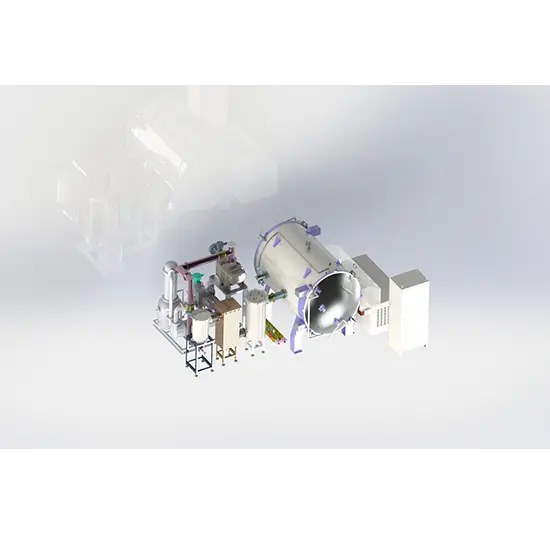
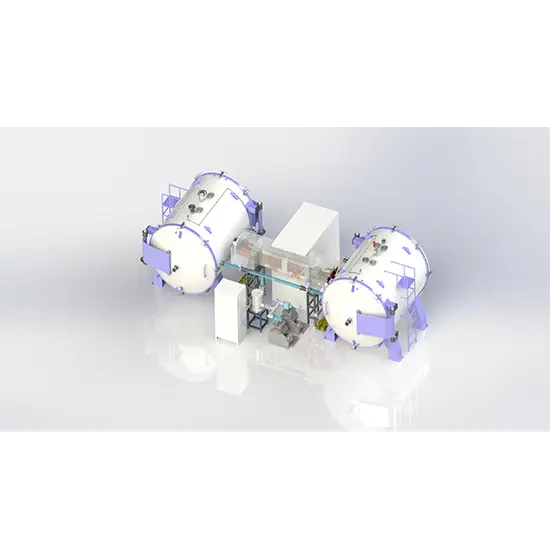
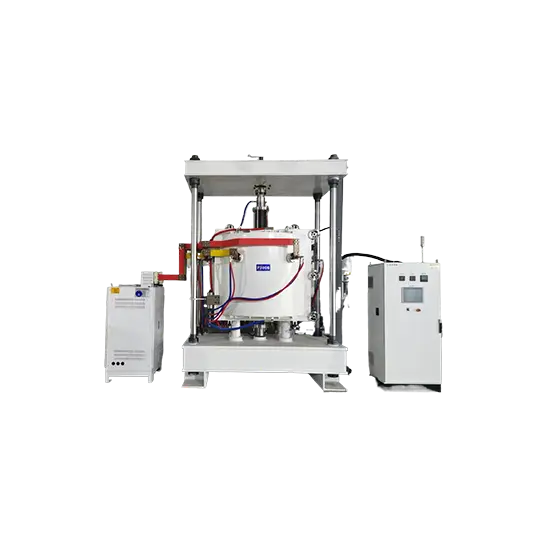
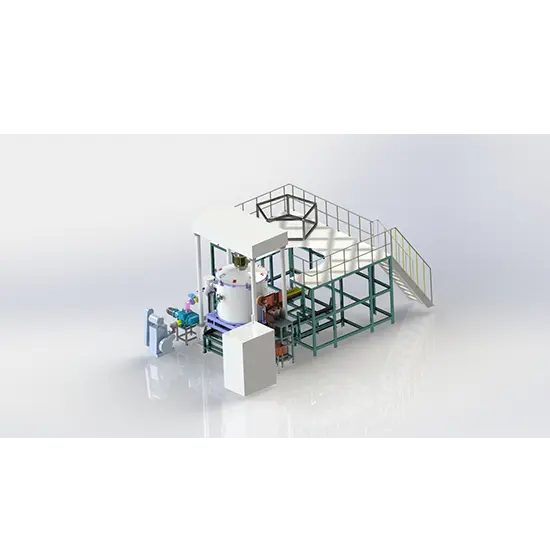
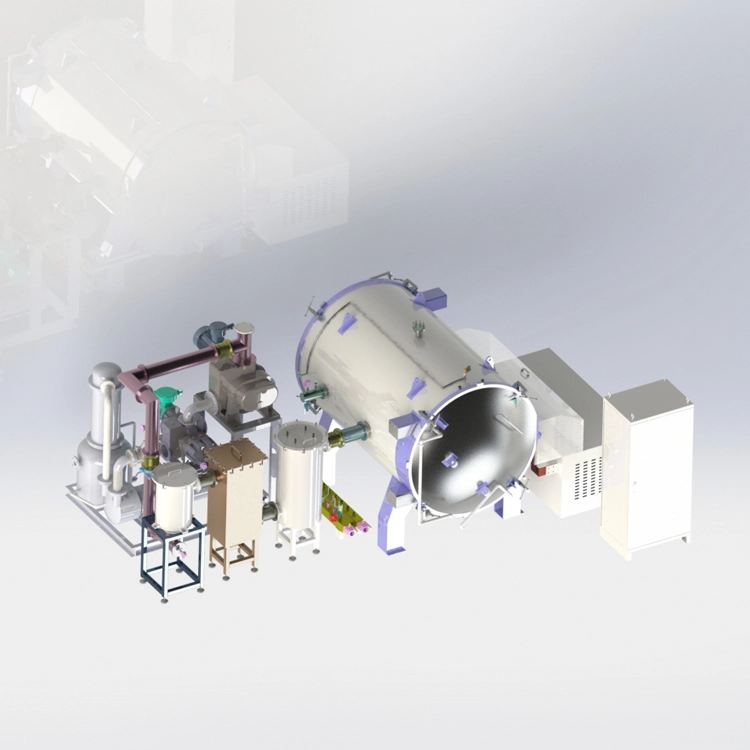
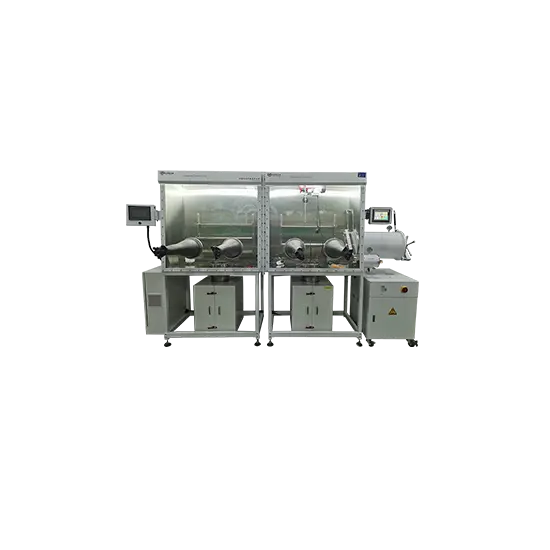
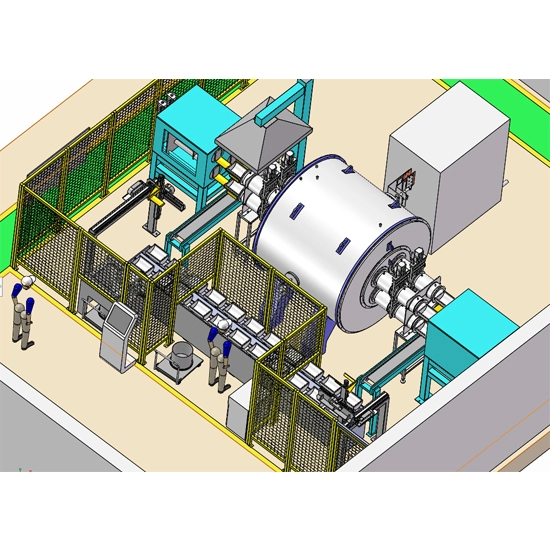
Energy efficiency is becoming a core KPI for thermal processing lines in 2026, especially as brazing operations scale and carbon reporting requirements tighten. A modern brazing furnace does not just heat parts — it can capture and reuse energy that would otherwise be exhausted to the atmosphere. This guide explains the working principle of waste heat recovery inside a furnace brazing process, how heat flows through the system, where losses occur, and how recovery loops improve overall efficiency.
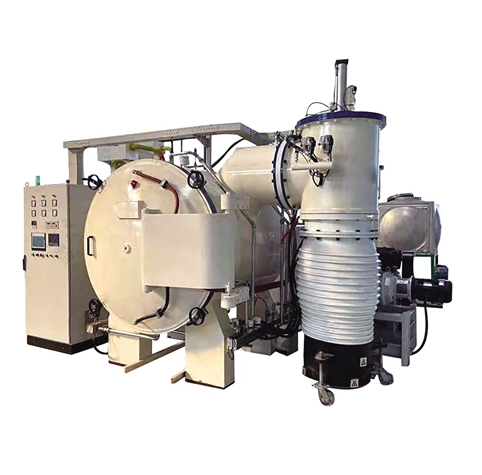
Before waste heat can be recovered, the losses must be identified. A brazing furnace thermal map shows how energy moves from generation to useful work to waste.
| Stage | What Happens | Heat Status |
|---|---|---|
| Heating element or burner | Electrical or combustion energy converted to heat | 100% of input energy enters the system |
| Heating zones | Heat transferred to workpieces and fixtures | 30–60% of input usefully absorbed by the load |
| Workpiece mass | Parts heat up and are brazed | Useful thermal work — this is the process |
| Exhaust gas discharge | Hot gas or convected heat exits the furnace | Major loss — often 20–40% of total input |
| Cooling zone | Parts cooled before exit — heat rejected | Secondary loss — energy discarded |
| Furnace shell radiation | Heat lost through walls and roof | Continuous background loss |
| Door openings | Hot atmosphere escapes during loading/unloading | Intermittent but significant in batch furnaces |
A recovery system can only capture heat that flows in a concentrated, accessible, and high-temperature stream. Identifying the highest-temperature, highest-flow loss points in the specific furnace design is the prerequisite step — without this, recovery hardware may be installed where the economic return is marginal.
In most brazing furnaces, the exhaust gas stream and the cooling zone discharge represent the two most recoverable heat sources because they are continuous flows at predictable temperatures.
A heat exchanger transfers thermal energy from the hot exhaust stream to a secondary medium — without the two streams making physical contact. The hot exhaust gives up heat through the exchanger wall; the secondary medium absorbs it and carries it to where it can be used.
| Component | Function | Design Consideration |
|---|---|---|
| Exhaust ducting | Routes hot gas from furnace to heat exchanger | Insulated to minimize heat loss before exchange |
| Heat exchanger core | Transfer surface between hot exhaust and secondary medium | Material must resist exhaust temperature and any corrosive species |
| Secondary medium | Carries recovered energy to the point of use | Combustion air, process gas, thermal oil, or water depending on application |
| Fans and blowers | Maintain flow on both sides of the exchanger | Sized for required flow rate; variable speed preferred for control |
| Bypass damper | Diverts exhaust around the exchanger when not needed | Essential for startup, shutdown, and process protection |
| Temperature sensors | Monitor inlet and outlet temperatures on both sides | Provide data for control and performance verification |
Combustion air preheating: recovered heat raises the temperature of combustion air entering the burners, reducing the fuel needed to reach brazing temperature
Preheat zone supply: recovered heat feeds the furnace preheat section, reducing the load on the main heating zones
Facility hot water: lower-grade recovered heat can be used for building services or process water heating when temperature is sufficient
The furnace brazing process has strict requirements for temperature uniformity and atmosphere stability. Any recovery system that destabilizes either will produce defective brazed joints — which eliminates the economic benefit of energy savings through increased rework and scrap.
| Quality Requirement | Recovery Design Response |
|---|---|
| Temperature uniformity in the brazing zone | Recovery loop must not pull heat unevenly from the brazing zone — exchanger placed on exhaust, not in the hot zone |
| Controlled atmosphere (inert gas or vacuum) | Recovery ducting sealed to prevent atmosphere contamination; no cross-leakage between exhaust and process sides |
| Stable brazing zone temperature | Bypass damper logic maintains furnace temperature before recovery loop activates |
| Consistent throughput rate | Recovery system sized for the continuous operating condition — not optimized only for peak throughput |
The recovery system operates in a subordinate role to the furnace temperature control:
Recovery activates only after the furnace reaches stable operating temperature
The bypass damper opens automatically if furnace temperature drops below the setpoint — protecting the process from over-cooling
Interlock logic prevents recovery system faults from affecting furnace operation — if the heat exchanger fan fails, the bypass opens and the furnace continues
In a continuous mesh belt brazing furnace, recovered exhaust heat can preheat parts entering the furnace, reducing the temperature differential across the preheat zone and allowing the same heating element capacity to process more throughput — or maintain throughput at reduced power draw.
A well-designed brazing furnace treats waste heat recovery as part of the zone architecture rather than as an add-on:
| Zone | Energy Role | Recovery Opportunity |
|---|---|---|
| Preheat zone | Reduces temperature delta workpiece must cross in main zone | Fed by recovered heat — reduces main heater demand |
| Brazing zone | Peak temperature for filler metal melting and flow | Strict temperature control; recovery hardware not placed here |
| Cooling zone | Controlled temperature reduction | Hot air discharged from forced cooling is a recovery candidate |
| Exhaust transition | Hot gas exits the furnace | Primary recovery point — highest temperature, highest flow |
| Type | How It Works | Best Application |
|---|---|---|
| Recuperator | Continuous heat exchange — hot and cold streams flow simultaneously on opposite sides of a wall | Continuous furnaces; stable exhaust flow; simpler controls |
| Regenerator | Alternating heat storage — a thermal mass absorbs heat from exhaust then releases it to incoming air | Intermittent or batch processes; higher potential temperature recovery |
Most continuous brazing furnaces use recuperator-type heat exchangers because the exhaust flow is steady and the continuous transfer is well-matched to continuous process operation.
Maximizing the temperature difference across the exchanger — higher exhaust temperature and lower incoming medium temperature give the best driving force for heat transfer
Minimizing heat loss between the furnace exit and the exchanger inlet — well-insulated exhaust ducting is important
Maintaining exchanger cleanliness — fouling reduces effective heat transfer area and increases pressure drop
| Sensor Location | What It Measures | Why It Matters |
|---|---|---|
| Exhaust inlet to exchanger | Hot gas temperature | Defines available recovery energy; monitors for process upsets |
| Exhaust outlet from exchanger | Gas temperature after heat transfer | Confirms exchanger is performing as designed |
| Secondary medium inlet | Temperature of incoming air or fluid | Defines temperature rise across exchanger |
| Secondary medium outlet | Temperature of preheated air or fluid | Confirms delivered recovered energy |
| Pressure drop across exchanger | Flow resistance through exchanger core | Rising pressure drop indicates fouling — triggers cleaning |
Over-temperature protection: if exhaust temperature exceeds the exchanger material rating, bypass damper opens automatically
Flux fume filtration: brazing operations produce flux vapors that can condense and foul the exchanger core — a filter or scrubber upstream protects the exchanger
Startup and shutdown bypass: during cold startup and controlled shutdown, exhaust is bypassed around the exchanger to prevent condensation damage
Fail-safe bypass: spring-return actuator opens the bypass if power or control signal is lost — maintains furnace operation
| Issue | Cause | Prevention |
|---|---|---|
| Fouling and plugging | Flux residues, particulates in exhaust | Upstream filter; scheduled cleaning; clean-out access panels |
| Corrosion | Condensate from flux chemistry; temperature cycling | Material selection for exchanger core; keep exhaust above dew point |
| Pressure drop increase | Fouling accumulation over time | Monitor and trend — clean at defined pressure drop threshold |
| Seal degradation | Thermal cycling on exchanger joints | Inspect during planned maintenance; replace before failure |
In 2026, eco-friendly brazing is an engineering challenge, not a marketing phrase. When a brazing furnace is designed with waste heat recovery, it can reuse exhaust energy to reduce operating cost and improve thermal efficiency — without compromising the stability required by the furnace brazing process. Recovery hardware, zone design, and control logic must work together to keep temperatures and atmospheres consistent while extracting energy that would otherwise be lost.
Q1: What is waste heat recovery in a brazing furnace?
It is the process of capturing thermal energy from hot exhaust streams or cooling zone discharge and transferring it back into the system — typically to preheat combustion air, process gas, or incoming workpieces — reducing the net energy input required to maintain brazing temperature.
Q2: Does waste heat recovery affect brazing joint quality?
Not when designed correctly. The recovery loop operates on the exhaust side of the furnace, not in the brazing zone. Bypass damper logic protects the brazing zone from temperature instability, and the control system ensures recovery activates only when furnace conditions are stable.
Q3: Where is the best recovery point in a furnace brazing process?
The highest-value recovery point is typically the hot exhaust gas stream at the furnace exit — it is continuous, at high temperature, and carries a large fraction of the total input energy. The cooling zone discharge is a secondary recovery candidate in furnaces with forced cooling.
Q4: What equipment makes up a waste heat recovery system?
The core components are a heat exchanger (recuperator), insulated exhaust ducting, fans or blowers to maintain flow, a bypass damper for process protection, temperature sensors on all four ports of the exchanger, and an upstream filter to protect the exchanger from flux fumes and particulates.
Q5: What are the most common maintenance issues in brazing furnace heat recovery systems?
Fouling from flux residues and combustion particulates is the most frequent issue — it reduces heat transfer performance and increases pressure drop. Corrosion from condensing flux chemistry is the second most common problem. Both are managed through upstream filtration, regular cleaning at defined pressure-drop thresholds, and correct exchanger material selection for the exhaust chemistry.