English
 português
 فارسی
فارسی
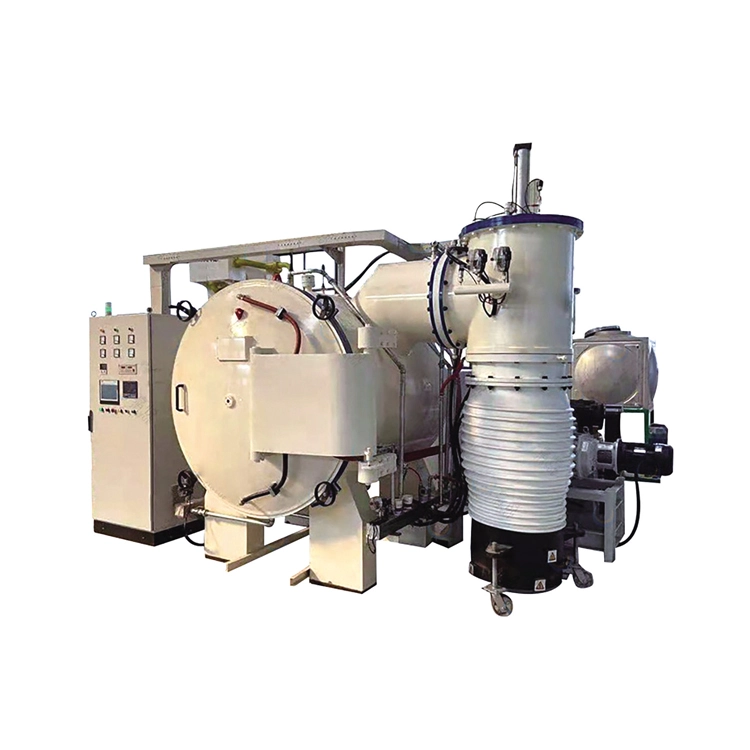
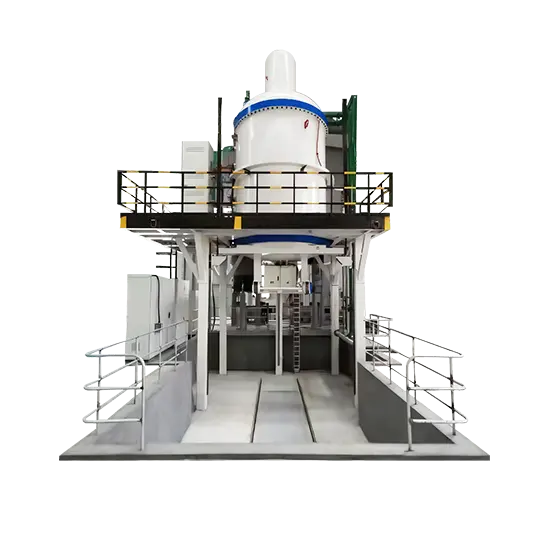
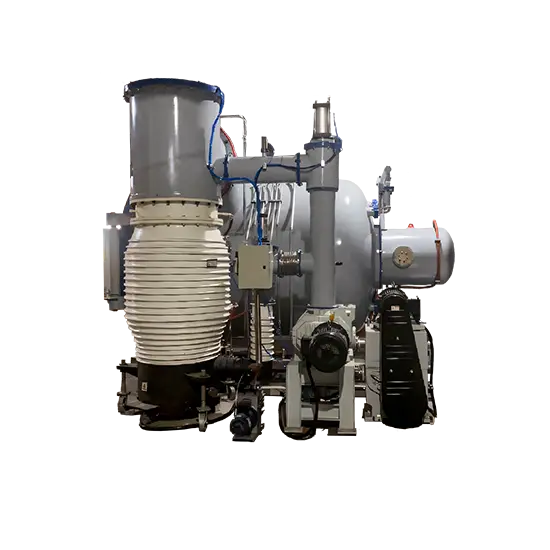
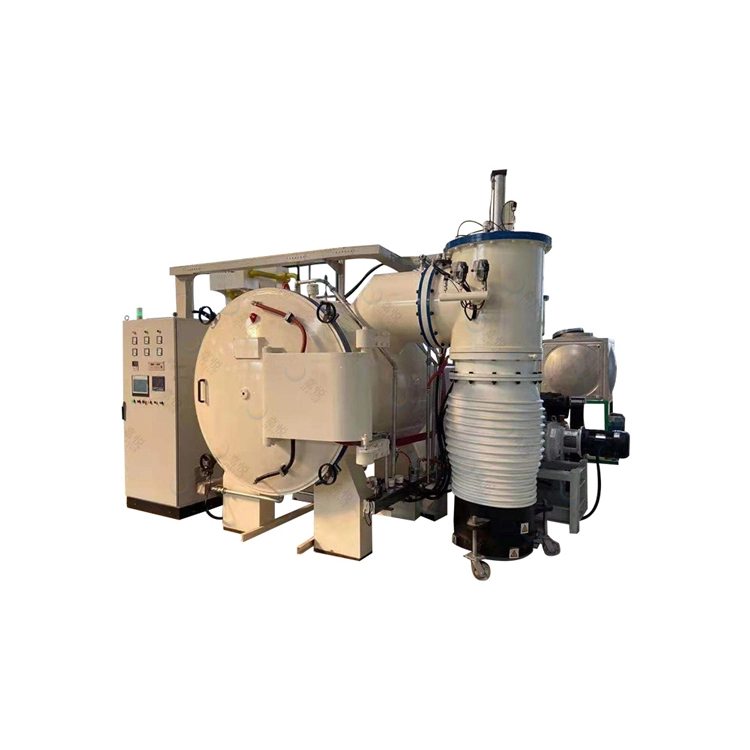
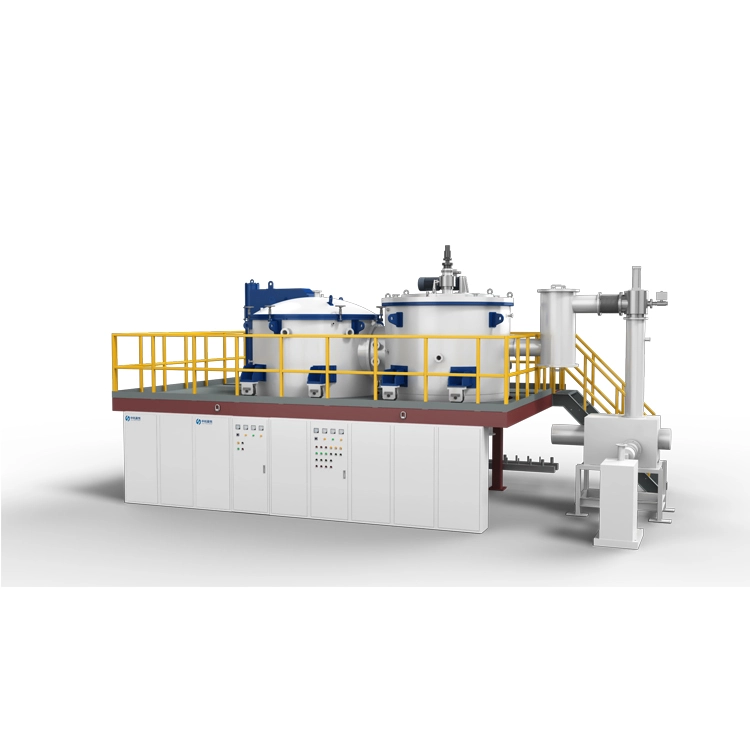
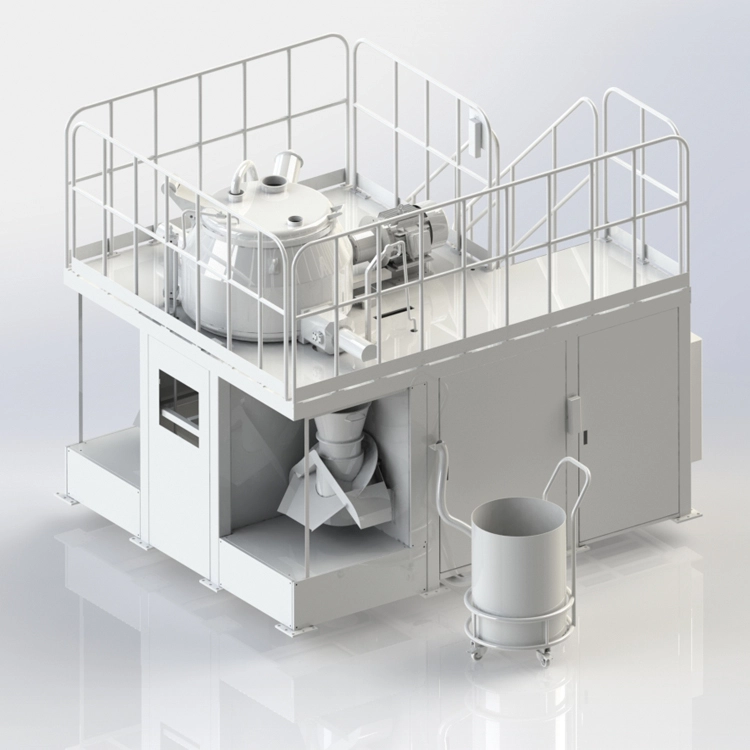
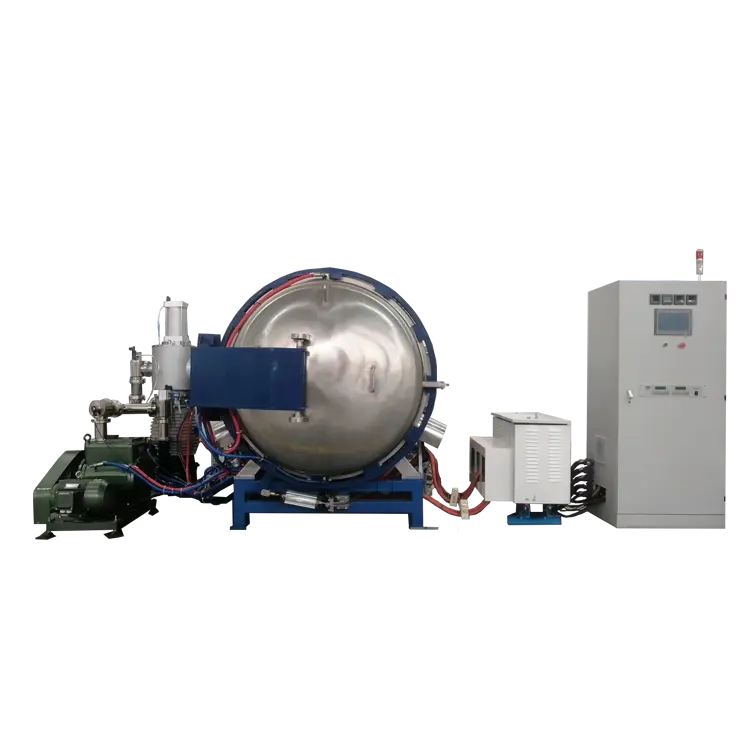
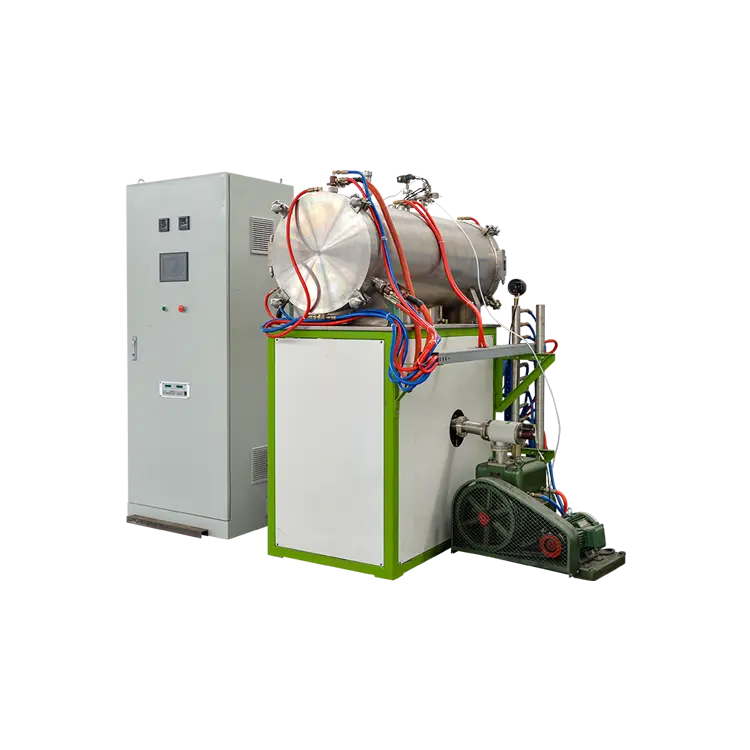
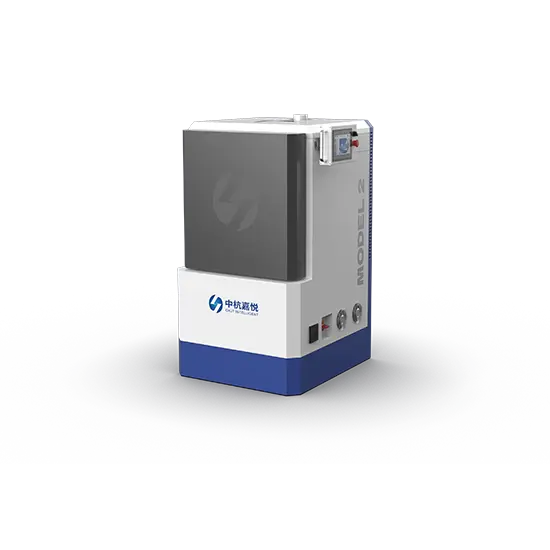
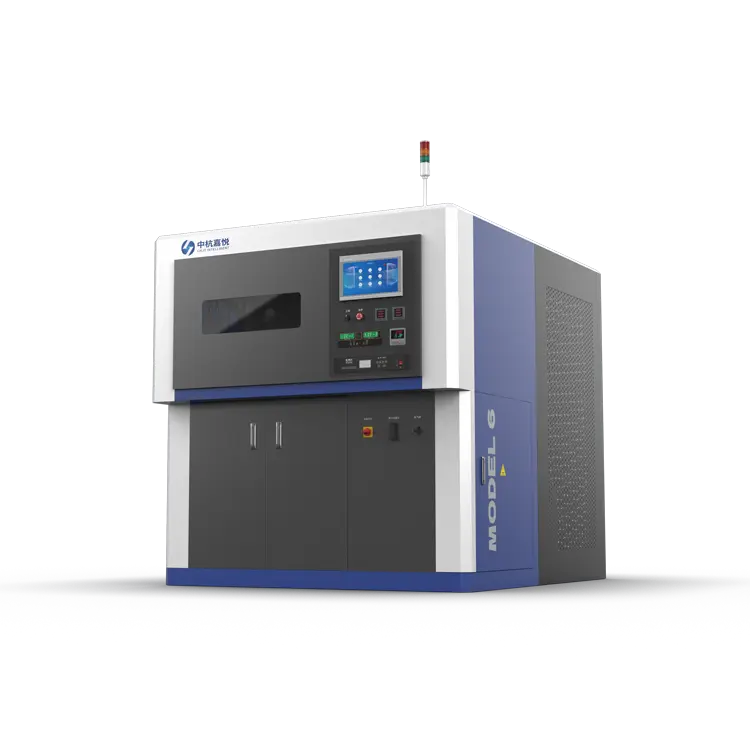
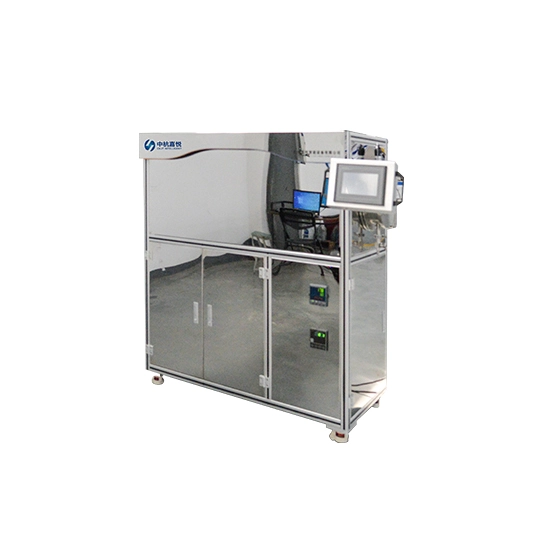
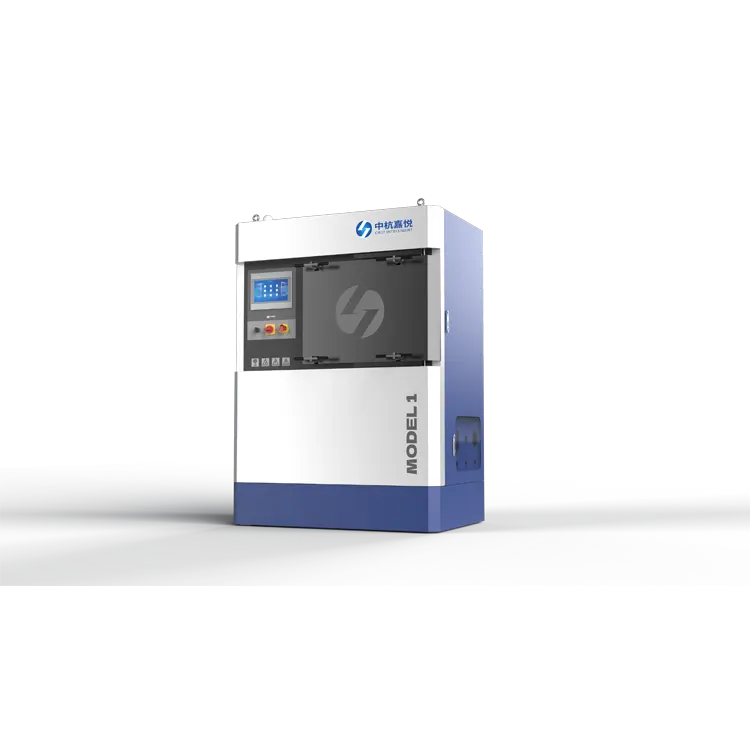
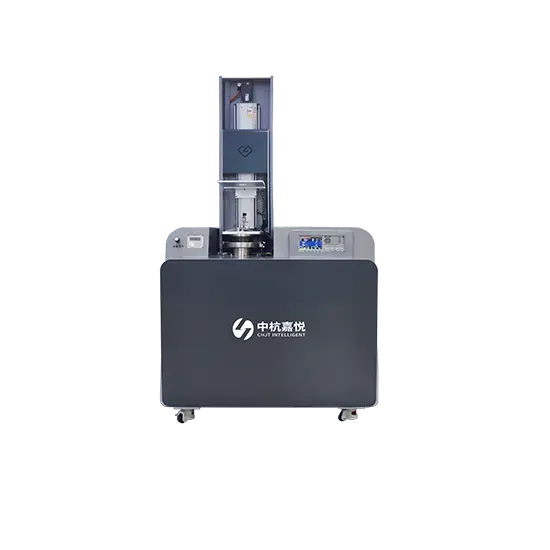
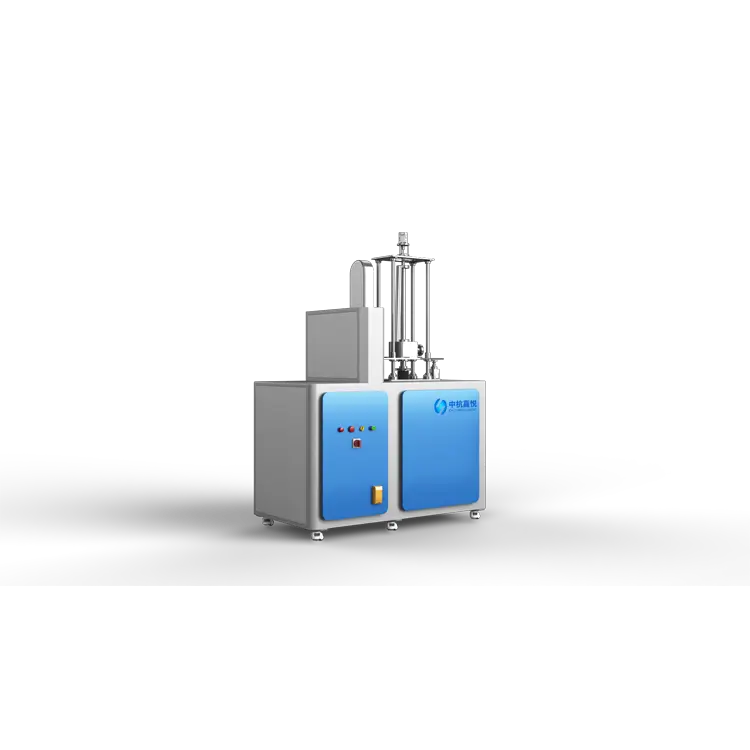
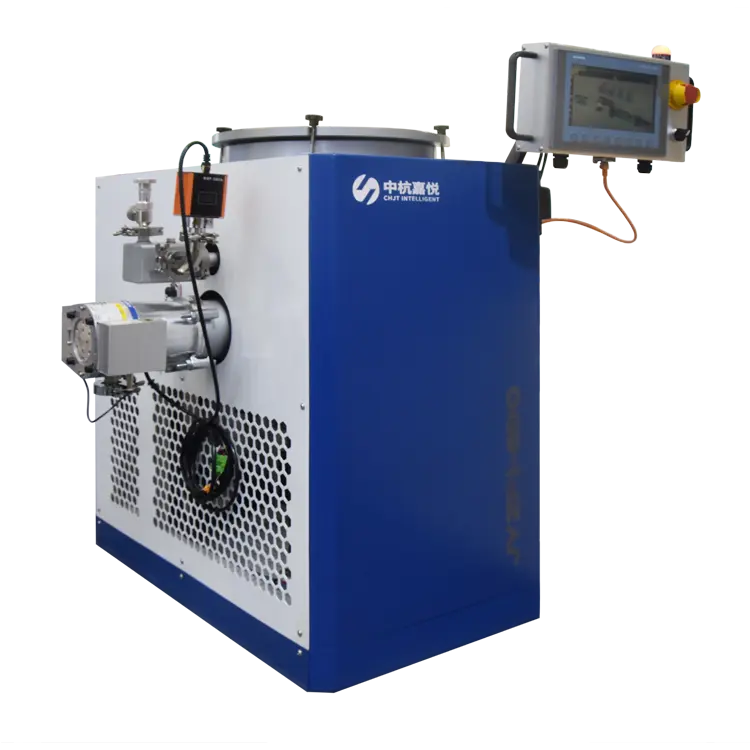
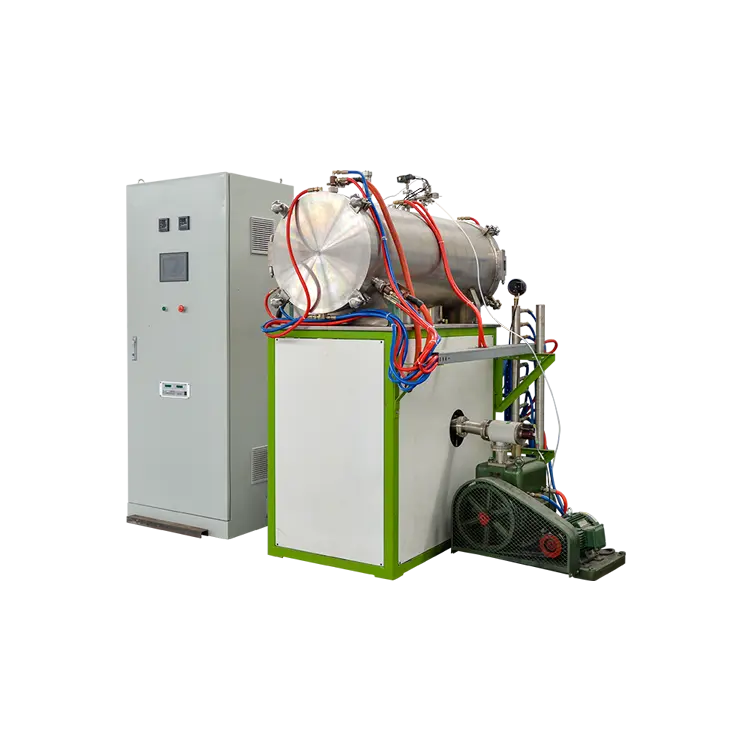
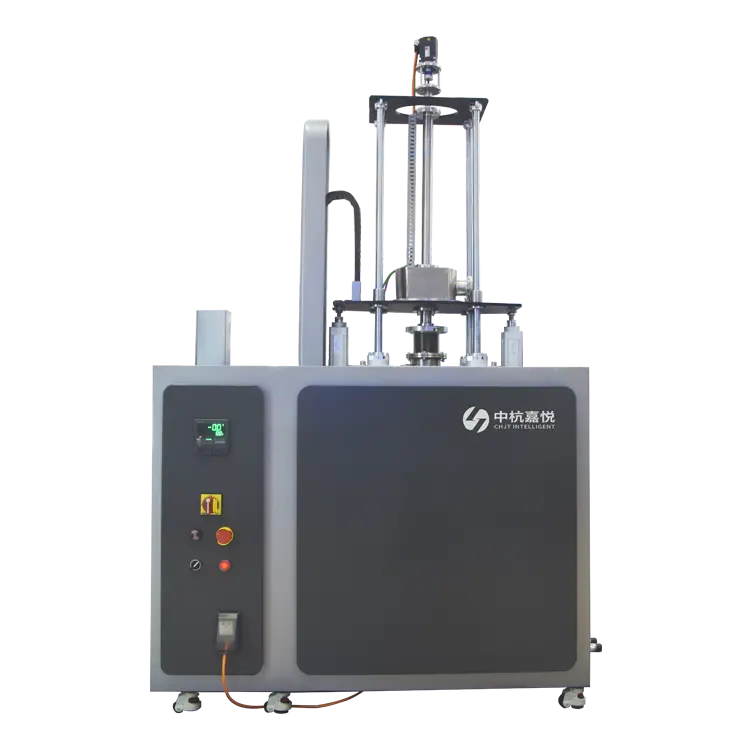
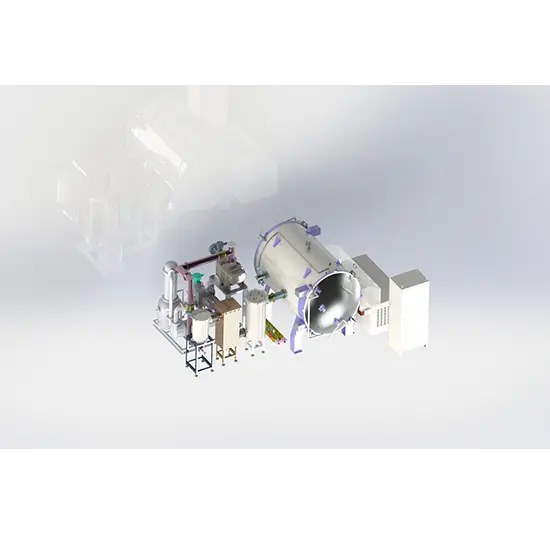
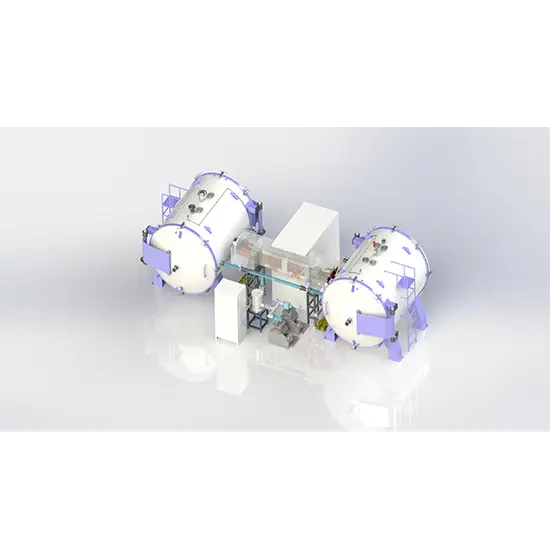
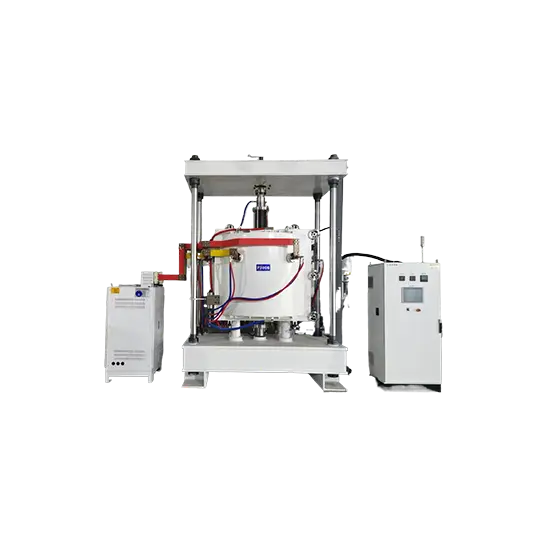
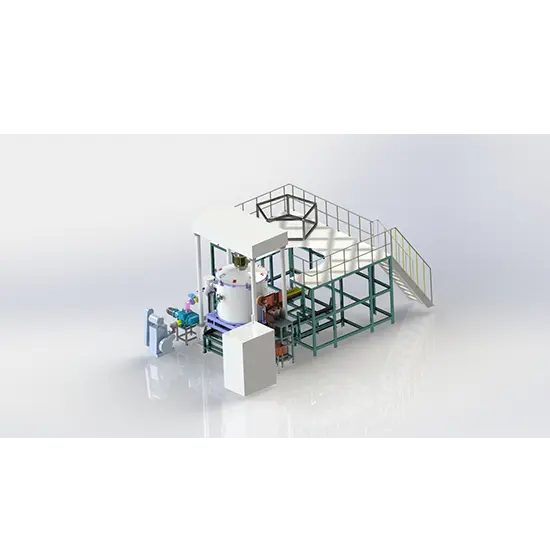
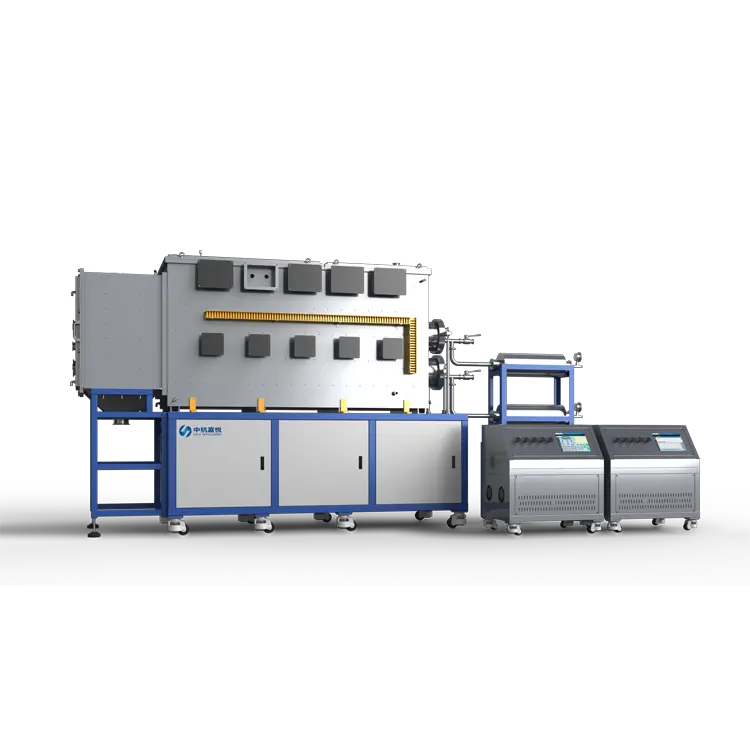
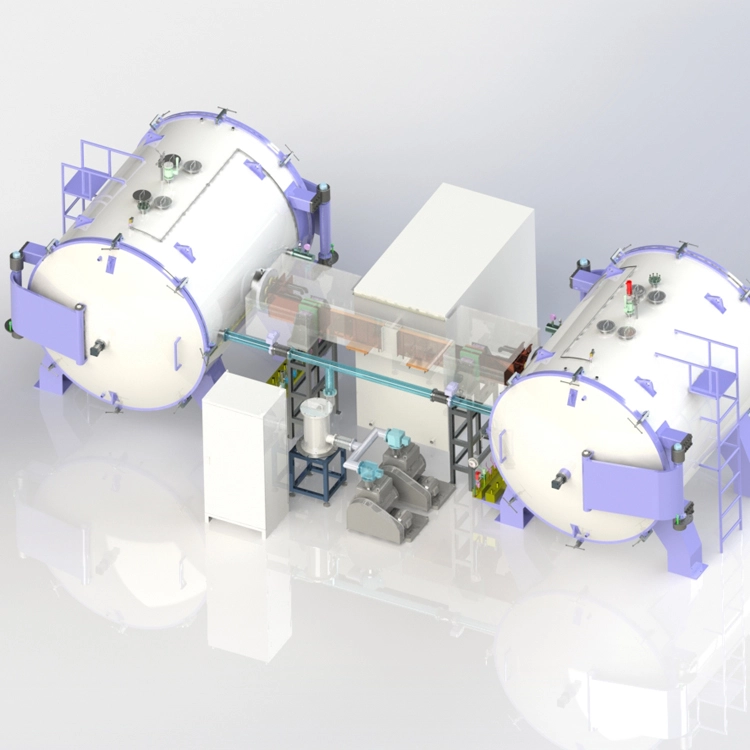
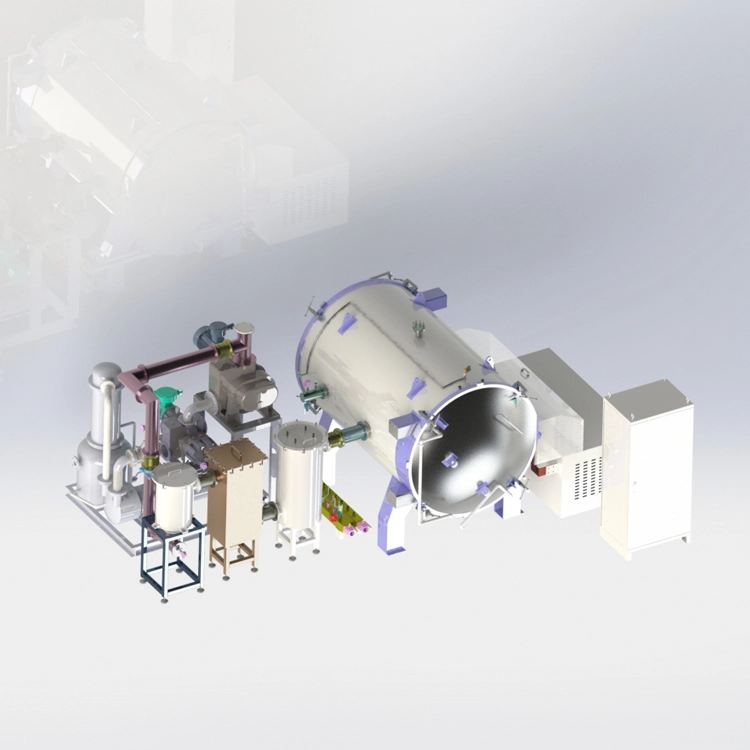
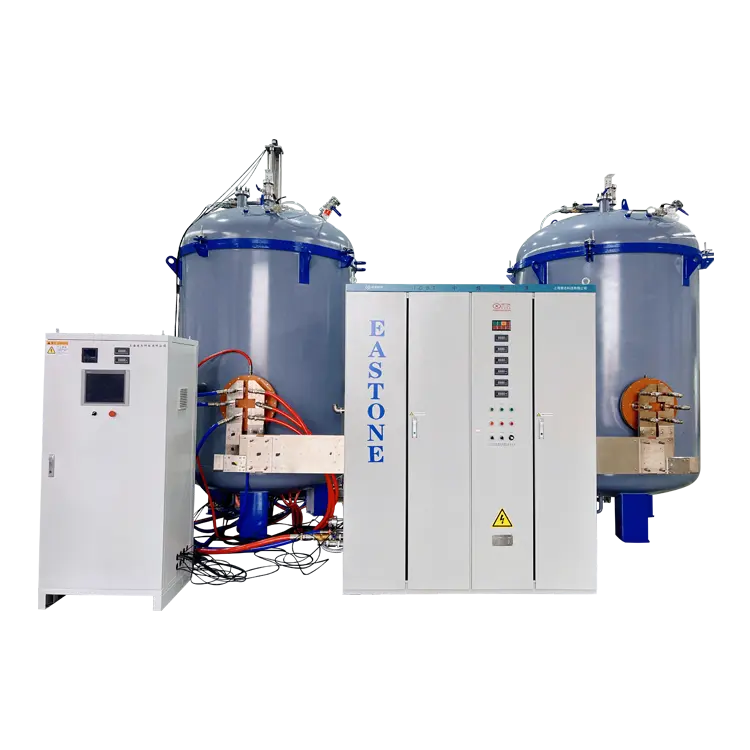
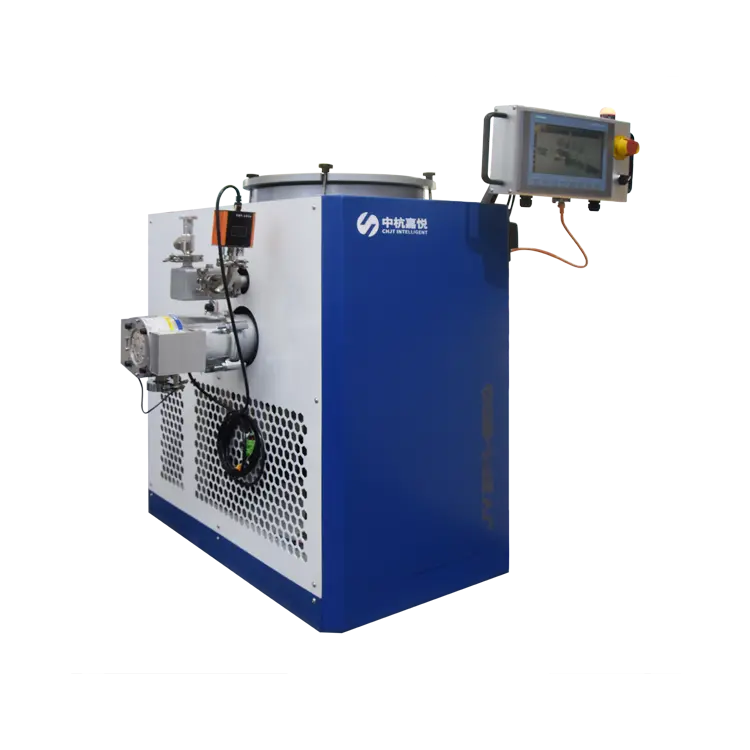
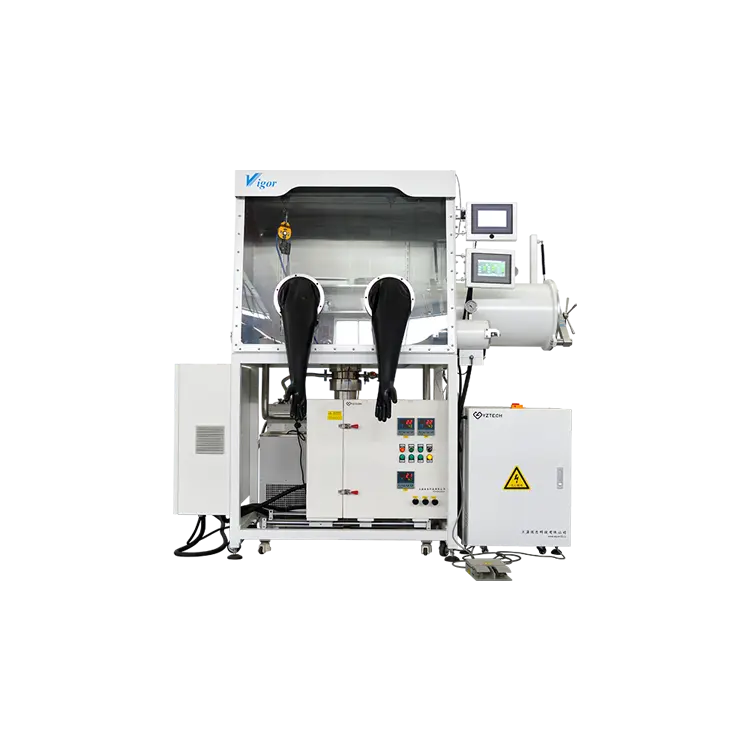
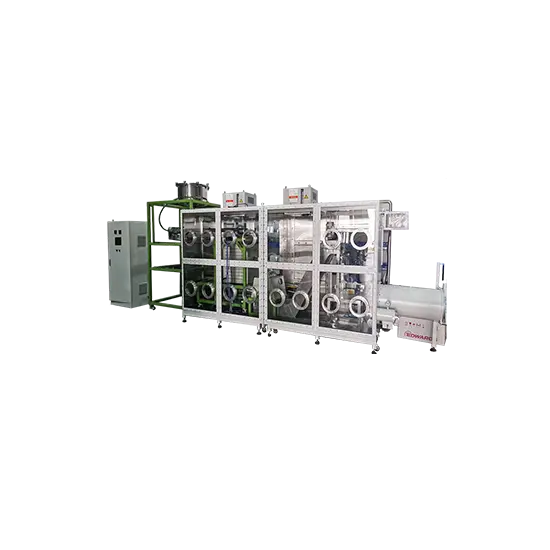
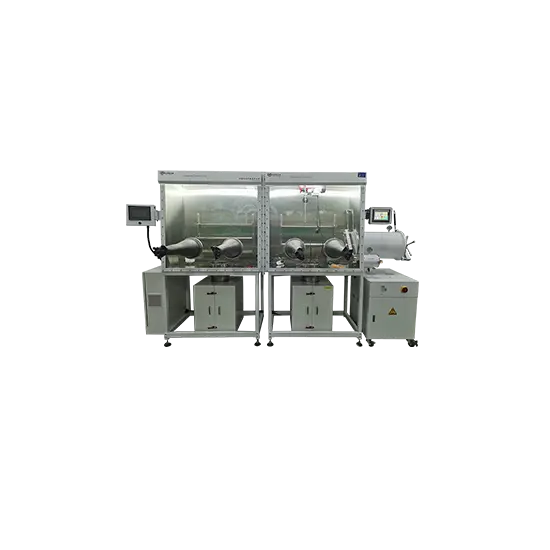
Joining dissimilar metals without distorting tight-tolerance parts is one of the harder problems in manufacturing — and it's exactly where understanding what is the brazing process becomes a practical engineering advantage. Brazing creates a strong metallurgical bond by melting a filler metal into a joint without melting the base materials, which means the parent metals retain their properties and geometry throughout the process. For manufacturers who need repeatable, clean joints across multi-part assemblies at production scale, the oven brazing process — also called furnace brazing — is widely preferred because it delivers uniform heating, consistent filler flow, and controlled atmosphere management in a single production cycle.
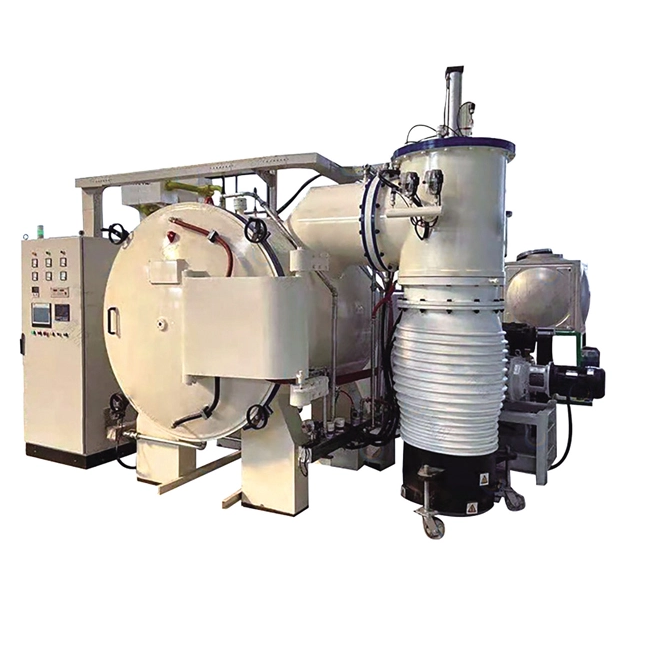
Before evaluating brazing as a production method, it helps to understand what separates it from the other common joining processes.
| Process | Base Metal Melted? | Temperature Range | Filler Metal Used? | Typical Joint Strength |
|---|---|---|---|---|
| Welding | Yes | Above base metal melting point | Optional | Very high — fused joint |
| Brazing | No | Above 450°C / 840°F (filler only) | Yes | High — metallurgical bond |
| Soldering | No | Below 450°C / 840°F (filler only) | Yes | Moderate — lower-strength bond |
The defining characteristic of brazing is that only the filler metal melts. The base metals remain solid throughout, which preserves their mechanical properties, dimensional tolerances, and surface integrity — a critical advantage when joining heat-sensitive or precision components.
Once the filler metal reaches its liquidus temperature, it is drawn into the joint gap by capillary action — the same physical mechanism that pulls liquid through narrow spaces. For this to work reliably, three variables must be controlled:
| Variable | Typical Requirement | Why It Matters |
|---|---|---|
| Joint clearance | 0.025–0.127 mm (0.001"–0.005") depending on alloy | Too wide = poor capillary pull; too narrow = incomplete fill |
| Overlap length | Sufficient to achieve target shear strength | Longer overlap compensates for lower filler strength vs. base metal |
| Surface condition | Clean, oxide-free, degreased | Oxides block wetting; contamination prevents filler adhesion |
⚠️ Joint design is not optional. A correctly specified filler metal applied to a poorly designed joint will still produce a weak or incomplete bond. Clearance and surface preparation are as important as alloy selection.
✅ Joint Design Checklist
Clearance confirmed for selected filler alloy and base metal combination
Overlap length calculated against required joint strength
Surface degreased and oxide-free before assembly
Joint geometry allows filler entry and air escape during heating
The oven brazing process replaces localized torch heat with a controlled furnace environment that heats the entire assembly uniformly. This is what makes it scalable, repeatable, and suitable for complex multi-joint parts.
| Stage | What Happens | Key Control Parameter |
|---|---|---|
| Pre-cleaning | Degreasing, oxide removal (chemical or mechanical) | Surface cleanliness — no oils, scale, or oxide film |
| Fixturing | Parts assembled and held in position with fixtures or gravity | Joint gap maintained throughout thermal cycle |
| Filler placement | Preforms, paste, wire rings, or foil placed at joint | Correct alloy, correct volume, correct location |
| Flux or atmosphere | Flux applied (if used) or atmosphere selected | Prevent oxidation during heating |
| Ramp | Temperature raised at controlled rate | Avoid thermal shock on sensitive materials |
| Soak | Assembly held at intermediate temperature | Flux activation, temperature equalization |
| Brazing temperature | Peak temperature held for defined dwell time | Filler fully liquid, capillary fill complete |
| Controlled cooling | Assembly cooled at defined rate | Prevent distortion, cracking, or brittle phases |
| Post-braze cleaning | Flux residue removed if flux was used | Flux residue is corrosive if left in place |
Atmosphere selection is one of the most important decisions in the oven brazing process. The right atmosphere prevents oxidation during heating without requiring flux — or enhances flux performance when flux is used.
| Atmosphere | How It Works | Best For |
|---|---|---|
| Vacuum | Removes all atmospheric gases; no oxidation possible | Aerospace, medical, stainless, nickel alloys |
| Inert gas (argon/nitrogen) | Displaces oxygen; low oxidation environment | Copper alloys, carbon steel, general engineering |
| Reducing atmosphere (hydrogen/dissociated ammonia) | Actively reduces surface oxides | Stainless steel, carbide, difficult-to-wet surfaces |
| Air with flux | Flux chemically prevents oxidation | Torch and batch oven brazing of copper, brass |
Joining dissimilar metals is where the oven brazing process demonstrates its clearest advantage over welding. Because the base metals never melt, you avoid the fusion zone problems — hot cracking, dilution, and unmixable metallurgies — that make welding dissimilar combinations difficult or impossible.
| Combination | Typical Filler | Atmosphere | Common Application |
|---|---|---|---|
| Stainless steel to copper | Silver-based (BAg series) | Vacuum or reducing | Heat exchangers, refrigeration components |
| Carbide to steel | Silver-based or copper-based | Vacuum or inert | Cutting tools, wear parts |
| Nickel alloy to stainless | Nickel-based BNi series | Vacuum | Aerospace, high-temp assemblies |
| Copper to brass | BCuP series | Inert or reducing | HVAC, plumbing, electrical components |
| Aluminum to aluminum | Al-Si series (BAISi) | Vacuum or controlled N₂ | Automotive heat exchangers |
| Challenge | Root Cause | How to Manage |
|---|---|---|
| CTE mismatch | Different coefficients of thermal expansion cause stress on cooling | Use ductile filler alloys that absorb stress; control cooling rate |
| Galvanic corrosion risk | Dissimilar metals in contact in corrosive environments | Select filler with compatible electrochemical potential; apply protective coating if needed |
| Brittle intermetallics | Some metal combinations form brittle phases at the interface | Control peak temperature and dwell time; select filler that limits intermetallic formation |
| Poor wetting | Oxide layer or incompatible filler prevents filler spread | Correct atmosphere or flux selection; verify surface preparation |
⚠️ Filler alloy selection for dissimilar metal joints must account for compatibility with both base metals — not just one. A filler that wets stainless steel well may perform poorly on copper without adjustment to atmosphere or flux strategy.
Even a well-designed brazing process requires structured quality control to confirm that every joint meets the required standard — especially for pressure-bearing, leak-critical, or high-strength applications.
| Quality Metric | What It Indicates | Acceptable Condition |
|---|---|---|
| Fillet appearance | Filler flow and wetting quality | Smooth, continuous fillet around joint perimeter |
| Joint penetration | Capillary fill completeness | Full fill confirmed by fillet on exit side of joint |
| Voids / porosity | Gas entrapment or incomplete fill | None in critical load-bearing areas |
| Discoloration / oxidation | Atmosphere control failure | Minimal; none for vacuum-brazed parts |
| Distortion | Fixturing or cooling rate issue | Within dimensional tolerance |
| Method | What It Detects | When to Use |
|---|---|---|
| Visual inspection | Surface fillet quality, discoloration, obvious voids | All production parts — baseline check |
| Dimensional inspection | Post-braze distortion, joint gap conformance | All parts requiring tight tolerances |
| Metallographic sectioning | Internal voids, intermetallic layers, penetration depth | Process qualification and periodic validation |
| Helium leak testing | Micro-leaks in sealed or pressure-bearing joints | Hermetic assemblies, refrigeration, aerospace |
| Pressure / hydrostatic test | Gross joint integrity under working pressure | Hydraulic and pneumatic components |
| Record | Why It Matters |
|---|---|
| Temperature profile log | Confirms peak temp, dwell time, and ramp/cool rates were met |
| Atmosphere monitoring log | Confirms dew point, gas purity, or vacuum level during cycle |
| Lot traceability | Links parts to filler alloy batch, fixture setup, and furnace run |
| Visual and dimensional inspection records | Provides objective acceptance evidence |
Understanding where the oven brazing process outperforms alternatives helps you make the right joining decision for each application.
| Joining Method | Heat Application | Distortion Risk | Dissimilar Metals | Multi-Joint in One Cycle | Scalability |
|---|---|---|---|---|---|
| Furnace / Oven Brazing | Uniform, whole assembly | Low | Excellent | Yes | High — batch processing |
| Torch Brazing | Localized, manual | Moderate | Good | Limited | Low — operator dependent |
| TIG / MIG Welding | Localized, high energy | High | Limited | No | Moderate |
| Diffusion Bonding | Uniform, high pressure | Very low | Good | Limited | Low — long cycle times |
| Adhesive Bonding | None | None | Excellent | Yes | High |
Complex assemblies with multiple joints that can all be completed in a single furnace cycle
Dissimilar metal combinations where welding metallurgy is incompatible
Tight-tolerance parts where distortion from localized heating is unacceptable
High-volume production where repeatability and documentation are required
| Limitation | Practical Impact |
|---|---|
| Strict joint fit-up requirements | Poor clearance = defective joint; no recovery without rework |
| Specialized atmospheres for some alloys | Vacuum or hydrogen furnaces represent capital and operating cost |
| Post-braze flux cleaning required | Adds a process step and waste handling requirement when flux is used |
| Not suited to very large or field-assembled structures | Furnace size limits part dimensions; torch or weld needed for site work |
Once you understand what is the brazing process — and specifically how the oven brazing process controls heat, atmosphere, and filler flow across an entire assembly simultaneously — it becomes clear why furnace brazing is the preferred choice for joining dissimilar metals in complex, tight-tolerance, or multi-joint production parts. The combination of uniform heating, scalable batch processing, and clean metallurgical bonds in a single cycle is difficult to match with any other joining method.
Q1: What is the brazing process in simple terms?
Brazing joins two metals by melting a filler metal that flows into the joint gap by capillary action — without melting the base metals themselves. When the assembly cools, the filler solidifies and creates a strong metallurgical bond between the two parts.
Q2: What is the oven brazing process and how is it different from torch brazing?
The oven brazing process — also called furnace brazing — heats the entire assembly inside a controlled chamber, delivering uniform temperature across all joints simultaneously. Torch brazing applies heat locally by hand, making it operator-dependent and difficult to scale. Oven brazing offers better repeatability, lower distortion, and is suited to complex multi-joint parts in production volumes.
Q3: Can brazing reliably join dissimilar metals?
Yes — when the filler alloy, joint clearance, surface preparation, and atmosphere or flux strategy are correctly matched to both base metals, brazing is one of the most reliable methods for dissimilar-metal joints. It avoids the fusion zone problems that make welding many dissimilar combinations impractical.
Q4: Does the oven brazing process require flux?
Not always. Many oven brazing processes use controlled atmospheres — vacuum, inert gas, or reducing gas — to prevent oxidation without flux. Flux is typically used only when the atmosphere alone is insufficient to protect the surfaces, or in lower-cost batch oven setups where atmosphere control is limited.
Q5: What are the most common brazing defects to watch for?
The most frequent defects include poor wetting (filler does not spread), voids or porosity (gas entrapment or incomplete fill), excessive filler buildup, incomplete penetration from incorrect joint clearance, oxidation or discoloration from atmosphere failure, and distortion from improper fixturing or too-rapid cooling. Most of these are prevented by correct process design rather than detected after the fact.