English
 português
 فارسی
فارسی
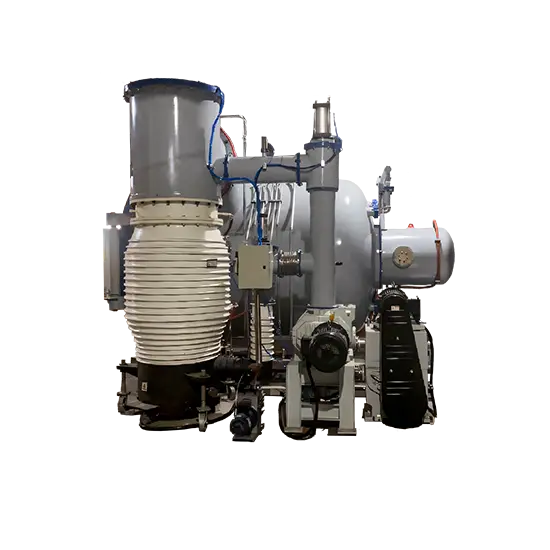
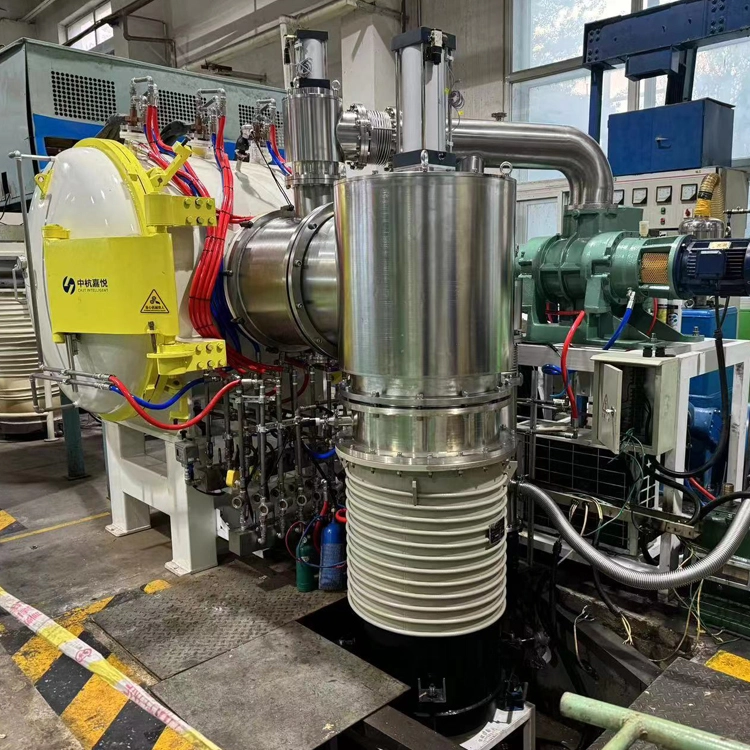
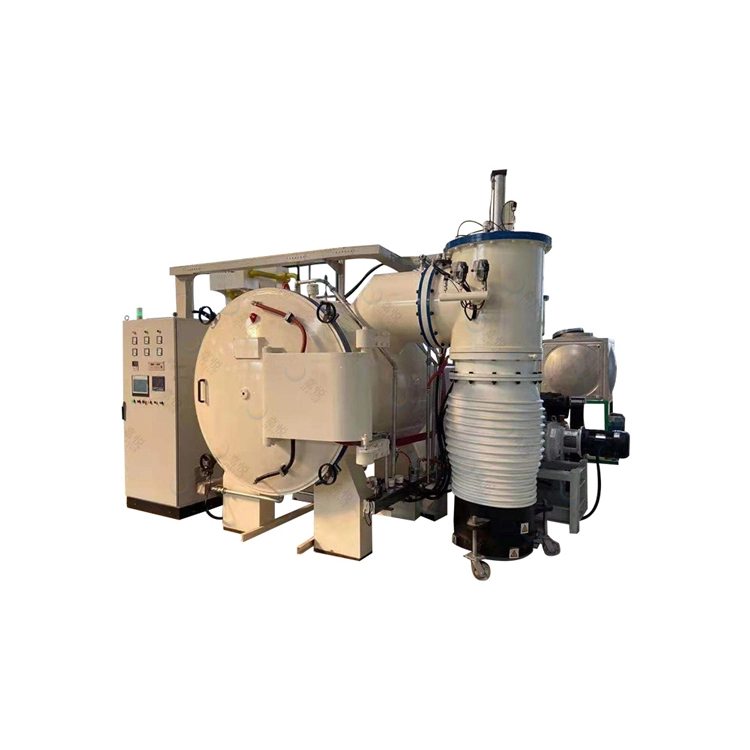
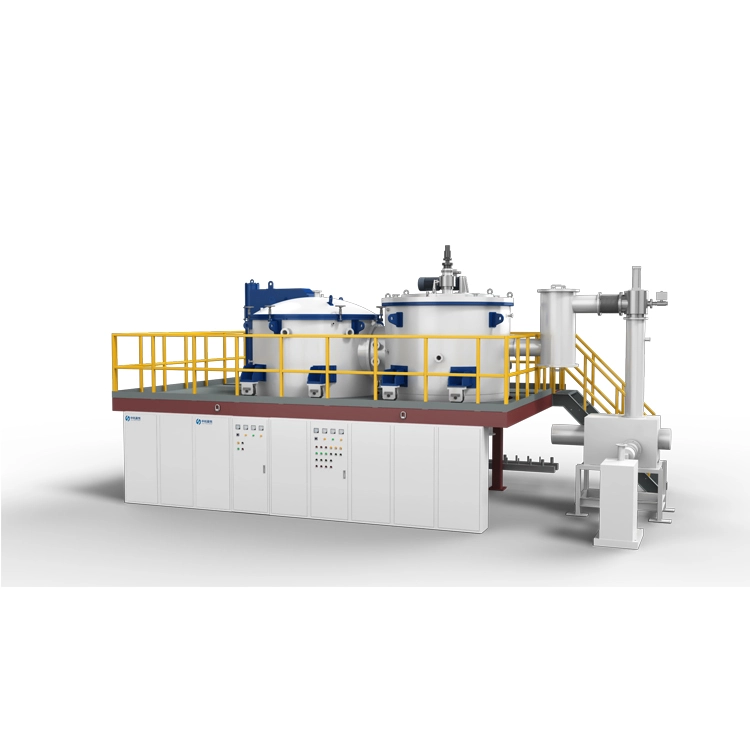
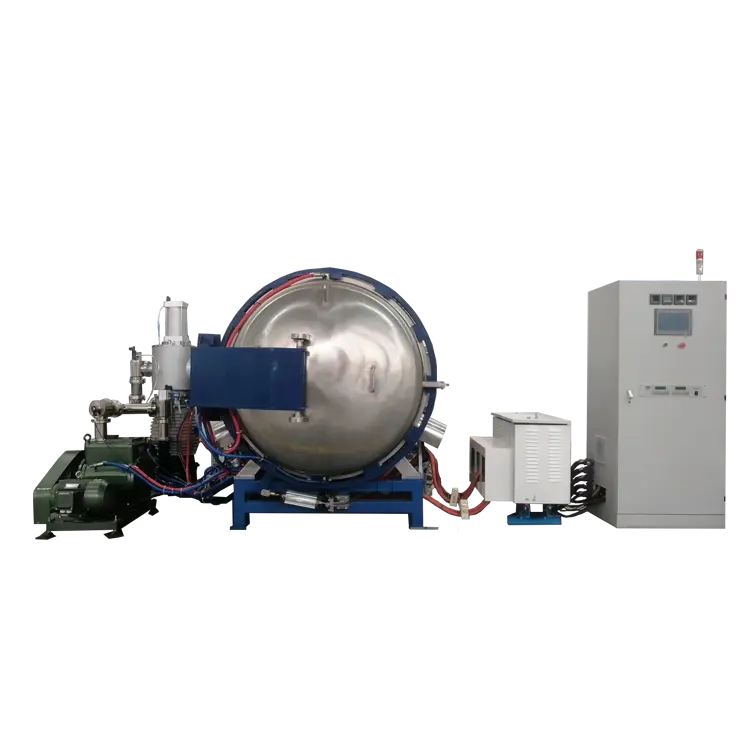
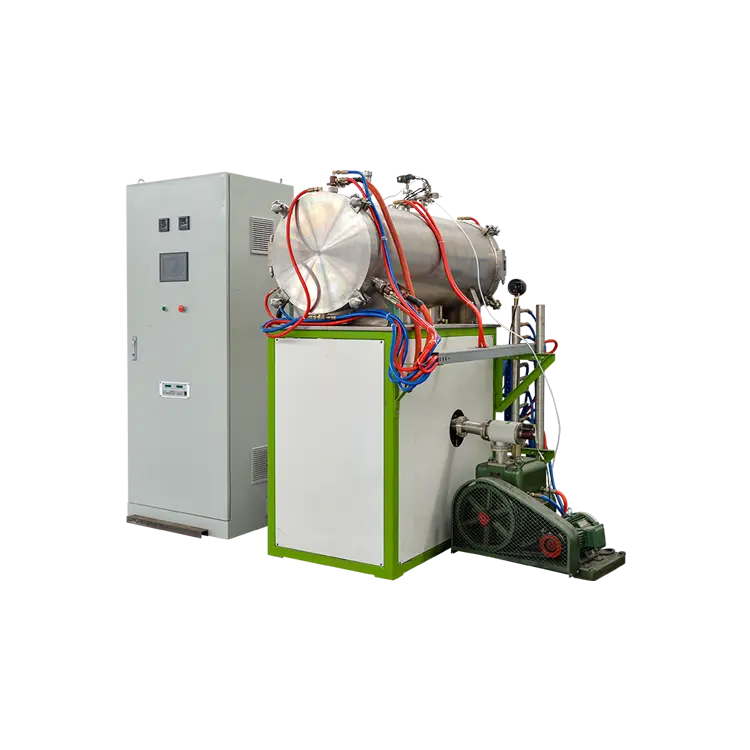
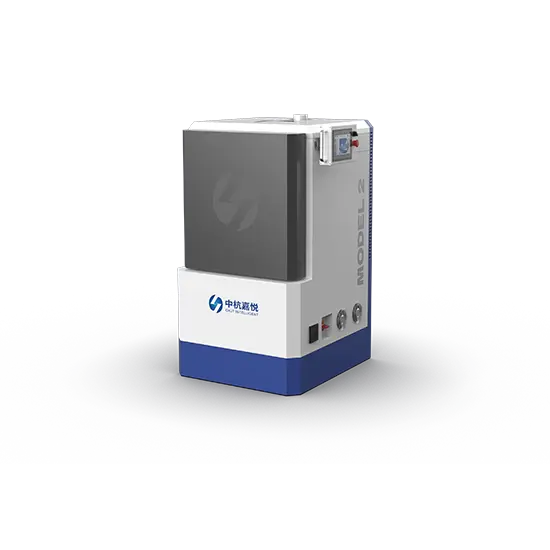
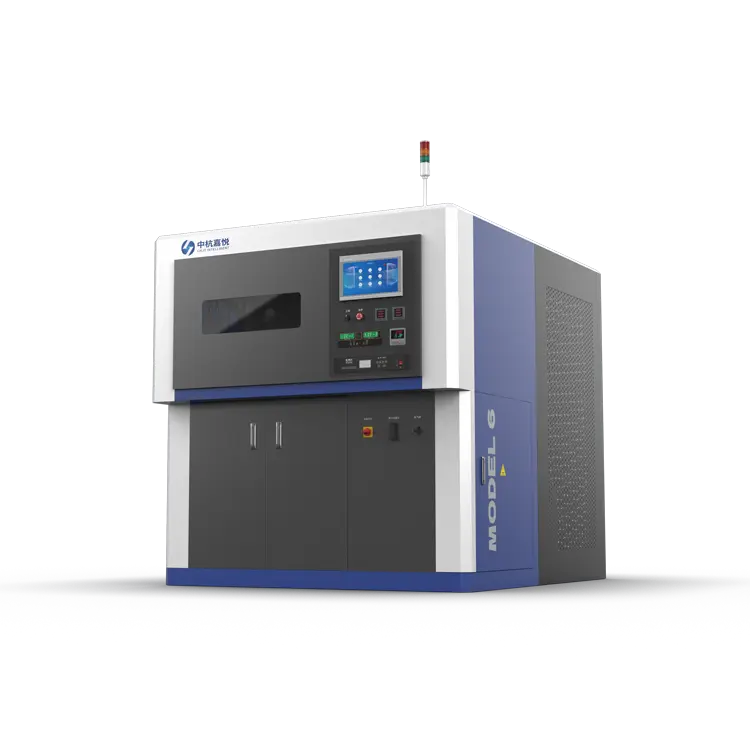
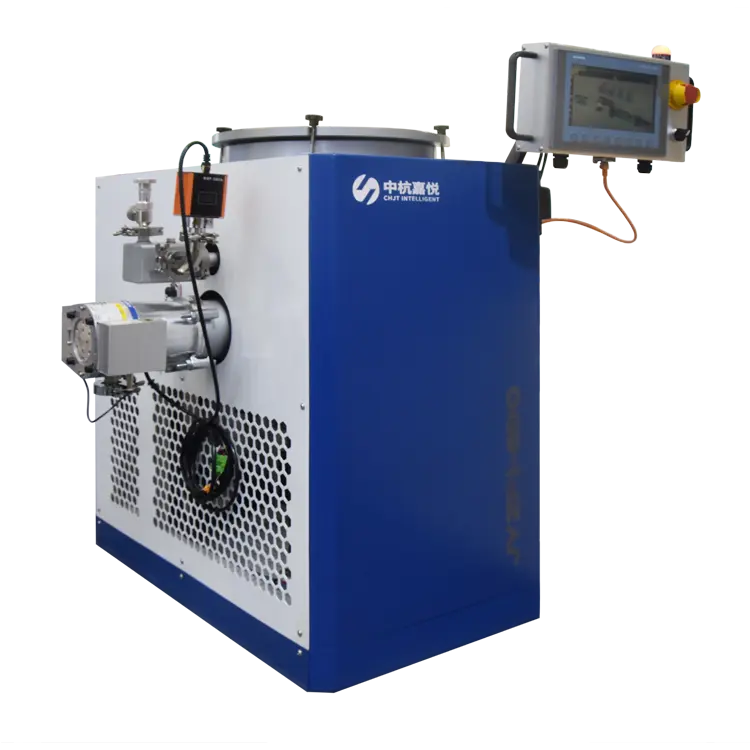
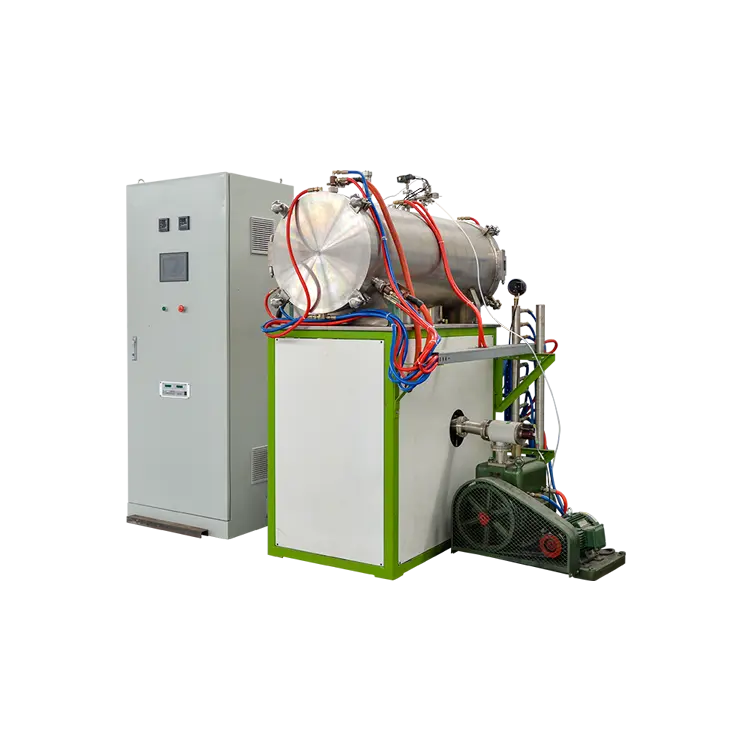
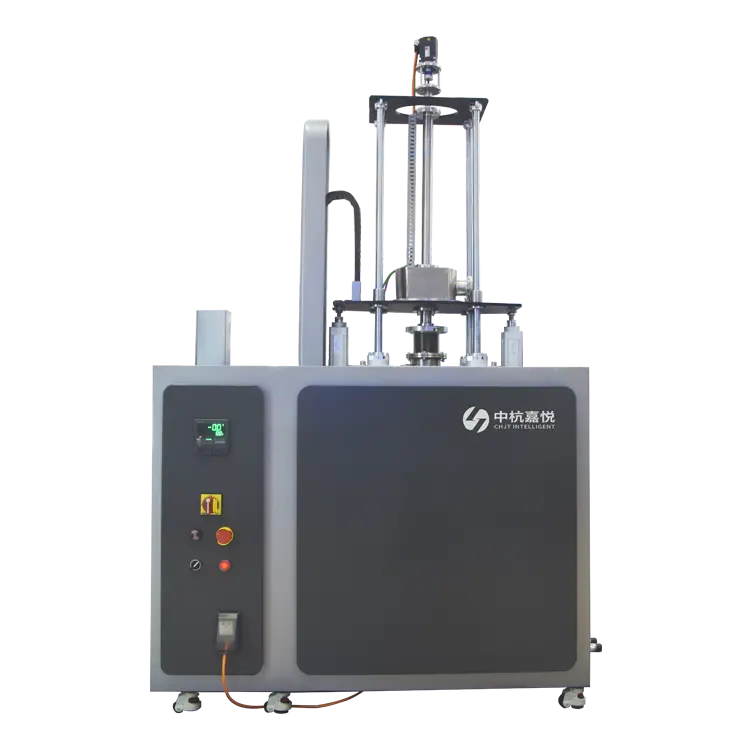
What does the future of carbon material production look like?
CHJT's answer: Unmanned, intelligent, and digital.
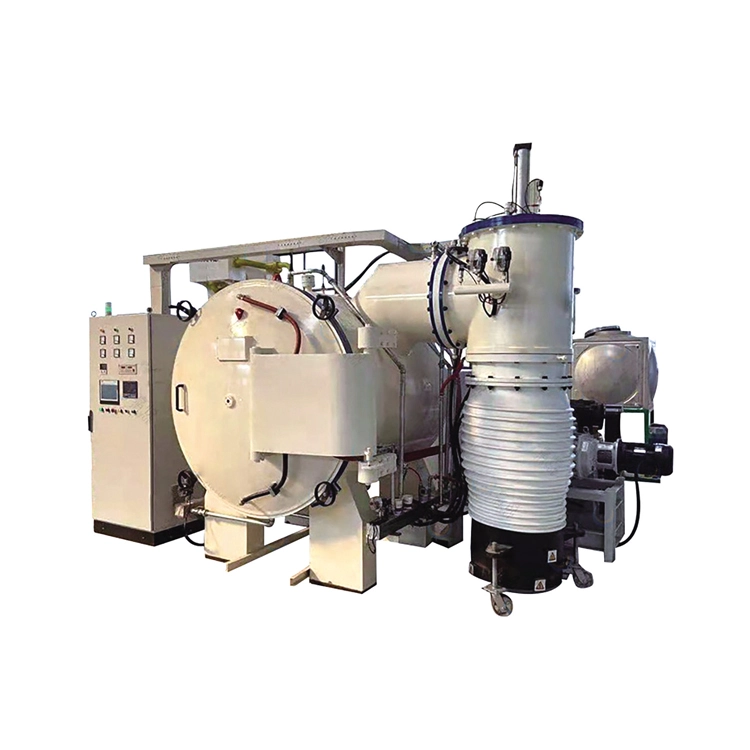
Carbonization furnaces, graphitization furnaces, automated loading and unloading—this is not simply a collection of equipment, but a fundamental restructuring of production methods. CHJT's smart production line and future factory are redefining how new materials are manufactured.
In conventional production of artificial graphite (PI) films and graphene films, carbonization and graphitization furnaces typically operate independently as standalone units. Material transfer, loading/unloading, and filter cleaning are all highly dependent on manual labor. Meanwhile, production data remains largely in a "black box"—when quality issues arise, tracing the cause is difficult and attribution is unclear. This labor-intensive, operator-dependent model is now under mounting pressure from rising costs and bottlenecks in efficiency that are increasingly difficult to break through.

As AI technology sweeps across industries and smart manufacturing becomes a national strategy, this "overly traditional" sector has reached a tipping point where change is inevitable.
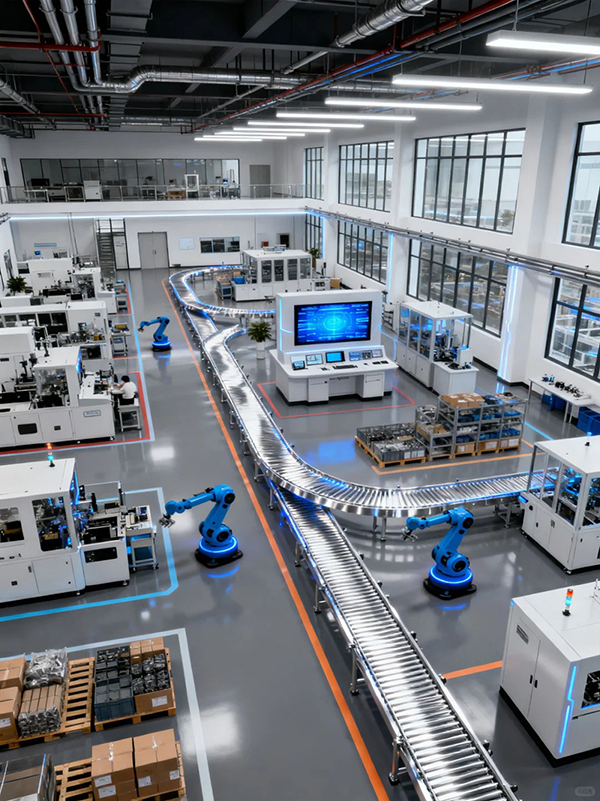
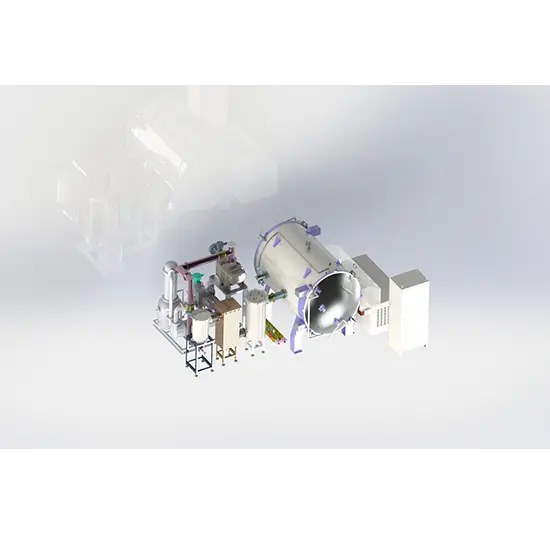
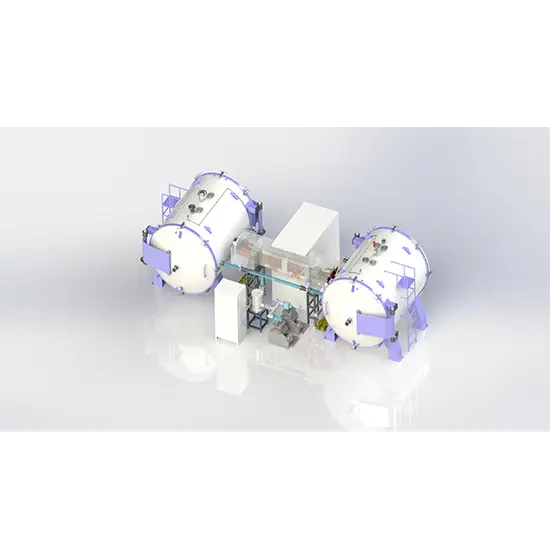
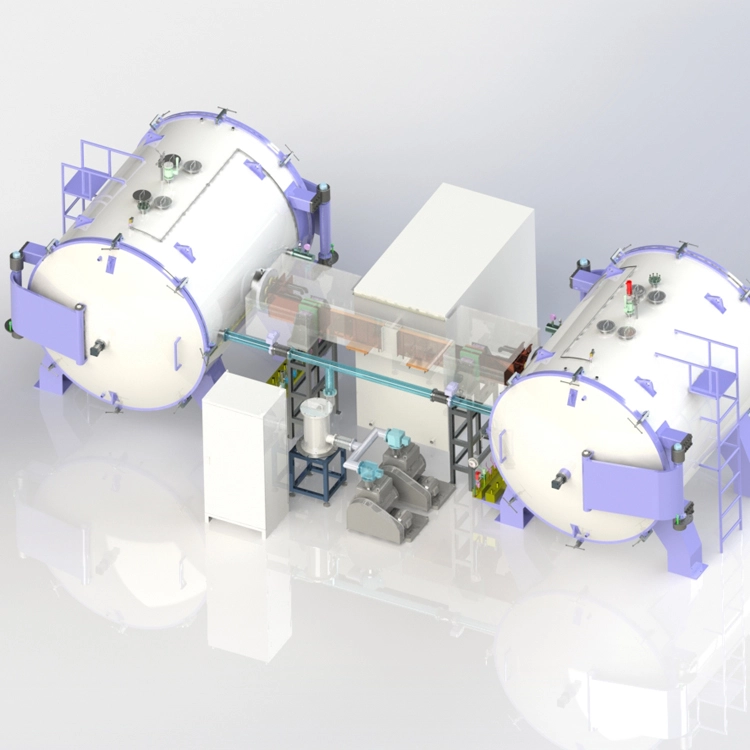
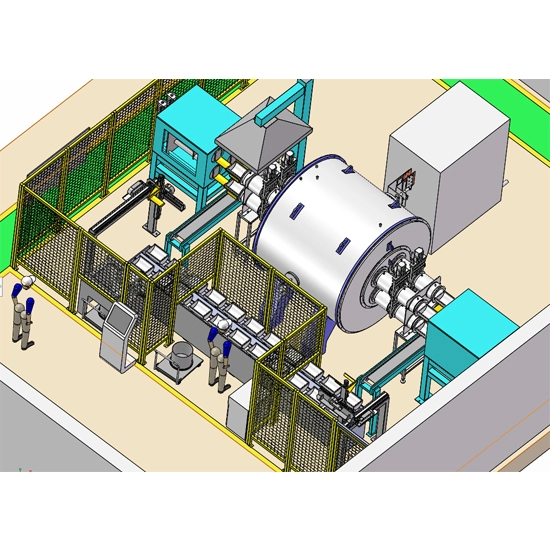
Future Factory Diagram
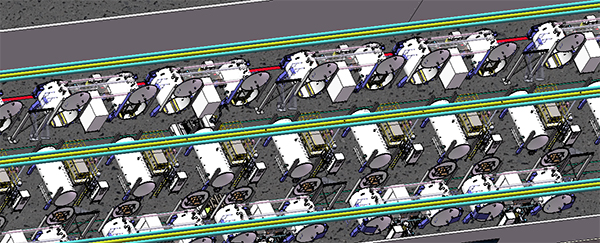
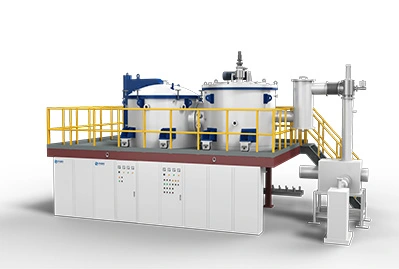
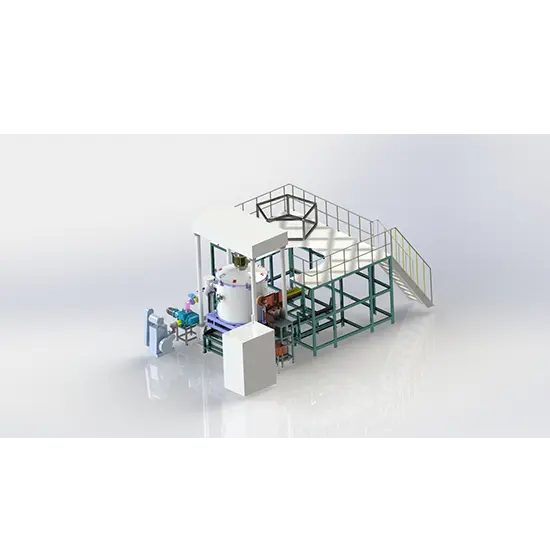
CHJT, with deep expertise in high-temperature intelligent equipment, focuses on the core needs of artificial graphite (PI) film and graphene film production. Our smart production line for carbonization and graphitization furnaces—the future factory—establishes a fully unmanned production system from raw material entry to finished product dispatch through scientifically designed functional zones and clear material flow pathways.
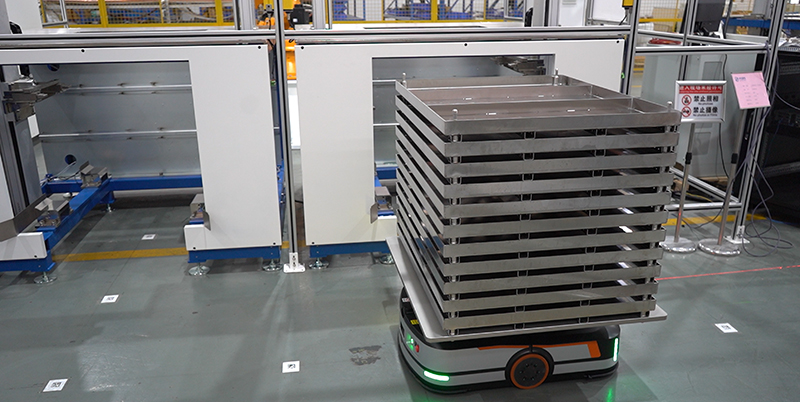
AGV Automatic Feeding Vehicle
Manual loading areas, CCD inspection stations, cleaning workstations, carbonization/graphitization furnace zones, and finished product storage areas operate in seamless coordination. Rail-guided vehicles, material transfer lines, and intelligent transport equipment connect effortlessly, ensuring material transfer throughout the entire process requires no human intervention. This fundamentally enhances production efficiency while reducing labor costs and operational errors.
CHJT custom-designs a tailored intelligent equipment matrix for the production line, enabling unmanned operation at every stage:
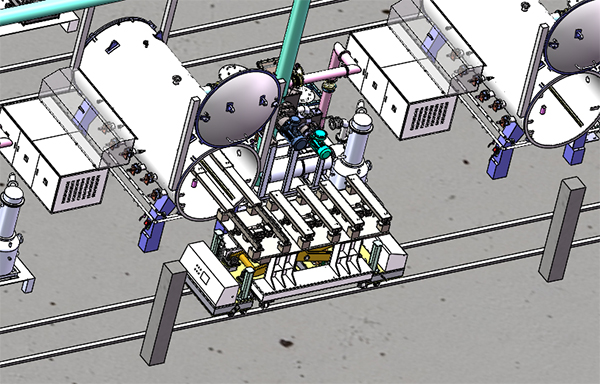
Material Rail Cars
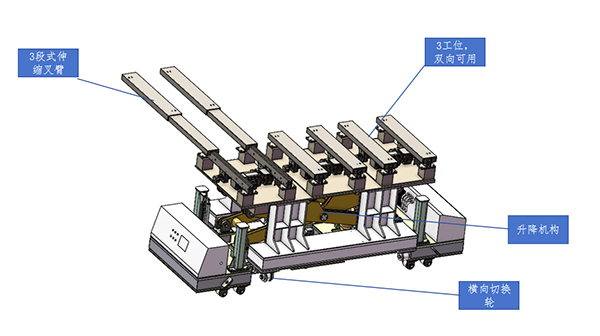
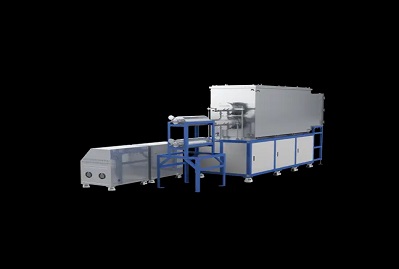
Material Rail Cars support both longitudinal and lateral movement, precision scissor-lift elevation, and three-stage telescopic forks across three stations for intelligent material gripping and transfer—fully automating furnace loading and unloading.
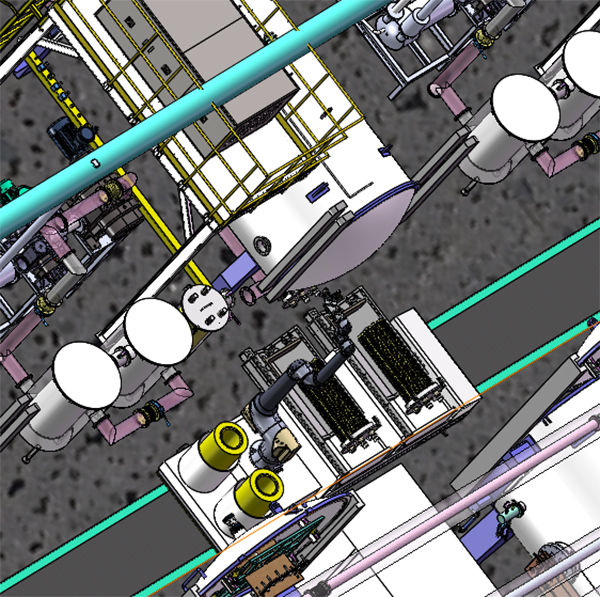
Cleaning & Material Handling Vehicles
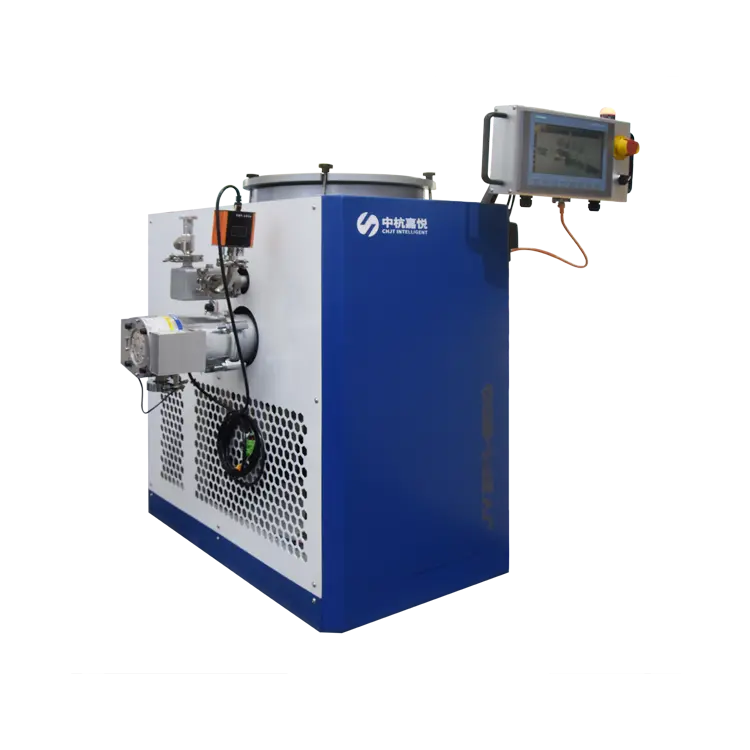
Cleaning & Material Handling Vehicles, equipped with fluid connection modules, automatically remove and replace carbonization furnace filters. Multiple fluid and electrical lines connect rapidly in one operation, ensuring both sealing integrity and safety.
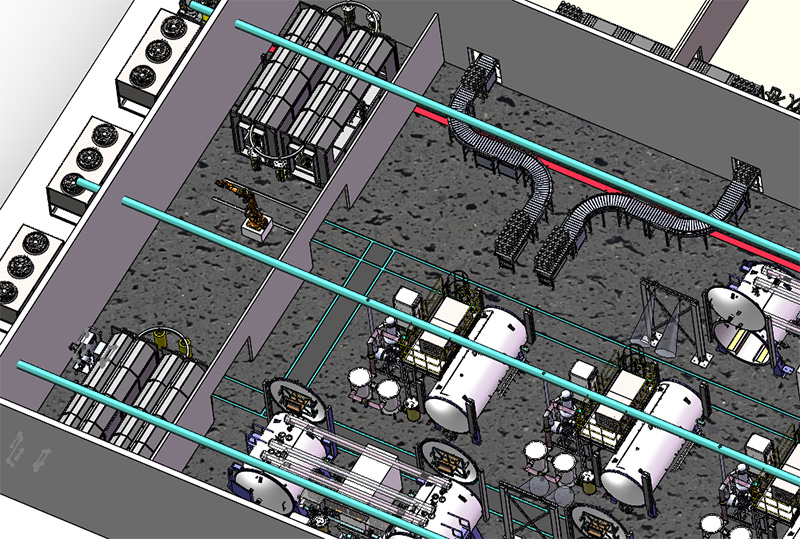
Filter Cleaning Workstations
Primary and Secondary Filter Cleaning Workstations employ dry ice cleaning and high-pressure water jet technologies, respectively. Industrial robots and specialized manipulators handle loading and unloading, while stainless steel chambers and full-trajectory coordinate robots achieve fully automatic, high-precision filter cleaning—no manual supervision required.
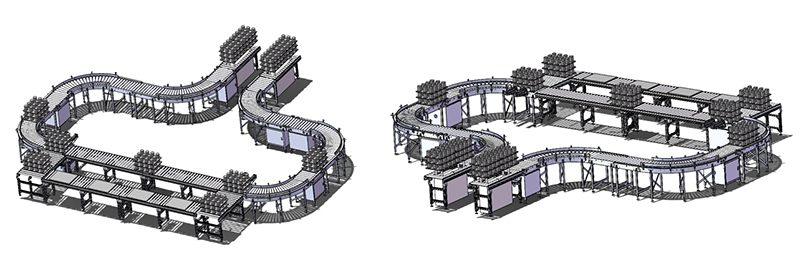
Material Transfer Conveyor System
Additional components include a material transfer conveyor system for automated tray transport, and fully enclosed intelligent control for exhaust and drainage systems. From material transfer to auxiliary component maintenance, from environmental treatment to process integration, every step is precisely executed by intelligent equipment—truly realizing unmanned production line operation.
CHJT's digital factory management platform, built around industrial smart gateways, establishes a full-chain architecture of data acquisition, storage, analysis, and visualization—putting production line status at your fingertips.
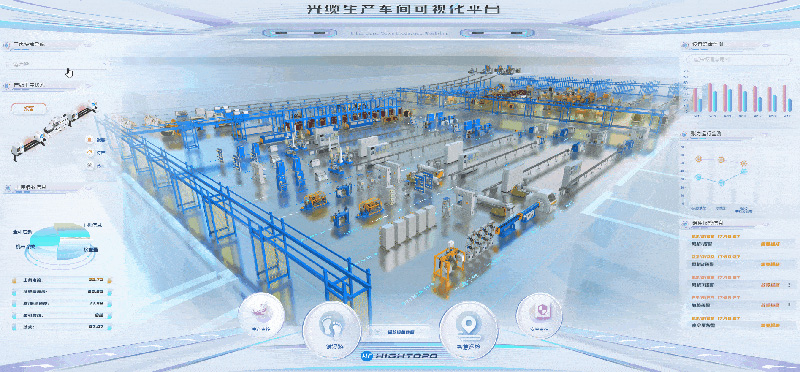
Digital Factory Management Platform
Real-time collection of core parameters such as temperature, pressure, and energy consumption.
3D digital twin interfaces dynamically display equipment operating status and AGV/RGV trajectories.
2D data dashboards clearly present energy consumption trends, production progress, and material flow information.
The equipment health management system automatically accumulates operating hours, issues advance maintenance alerts, and displays fault information on real-time dashboards for rapid root-cause identification—significantly reducing downtime.
An energy data acquisition system enables precise tracking of hourly, daily, monthly, and annual energy consumption, providing a data-driven foundation for conservation efforts. MES system interfaces are reserved for future digital upgrades, offering unlimited scalability.
Additionally, the material rail car dispatch system leverages intelligent algorithms to coordinate rail vehicles with production equipment, optimizing material flow paths and maximizing the operational efficiency of the unmanned production line.
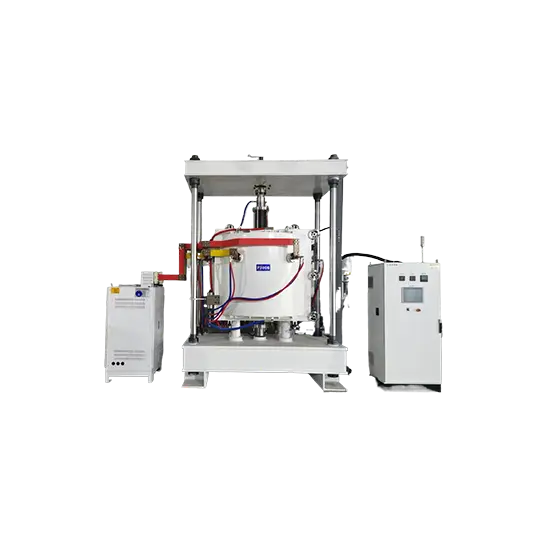
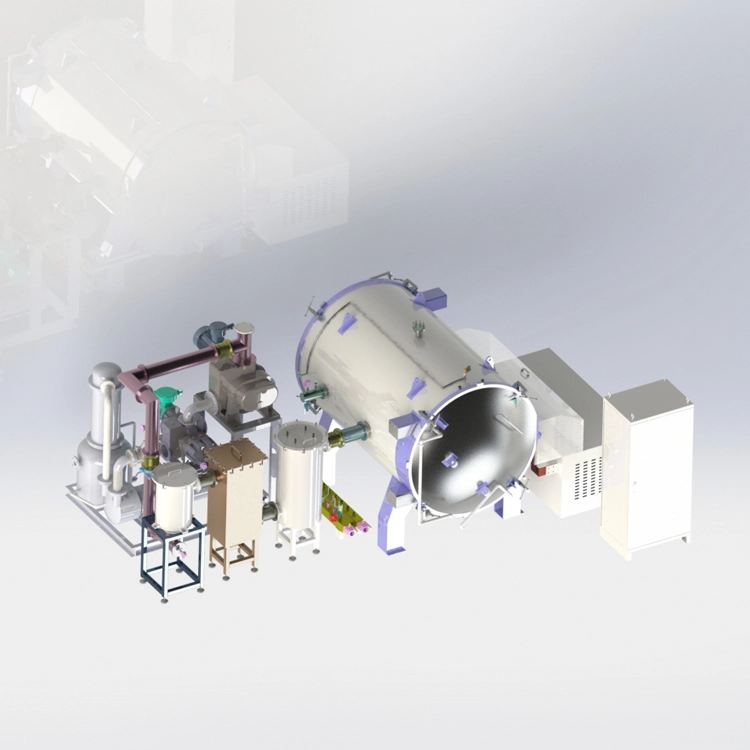
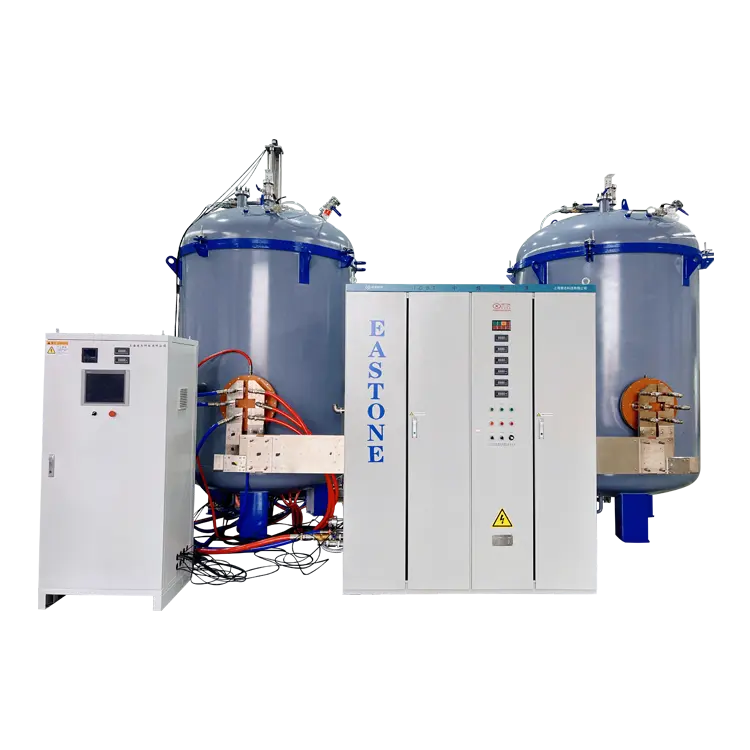
Carbonization and graphitization furnaces themselves belong to traditional industries with high technical maturity—decades of accumulated experience are sufficient to support stable production. However, conventional furnaces are merely "standalone units." The real challenge lies in integrating them into the future factory ecosystem.
This is precisely where CHJT's core competency resides.
We undertake comprehensive automation retrofits of traditional furnaces:
Intelligent loading/unloading systems achieve seamless connection between furnaces and material flow lines.
Data acquisition modules enable real-time upload of furnace operating status to the digital control platform.
Algorithm-based scheduling ensures furnaces are no longer information islands.
But the prerequisite for automation retrofitting is the inherent reliability of the furnace itself.
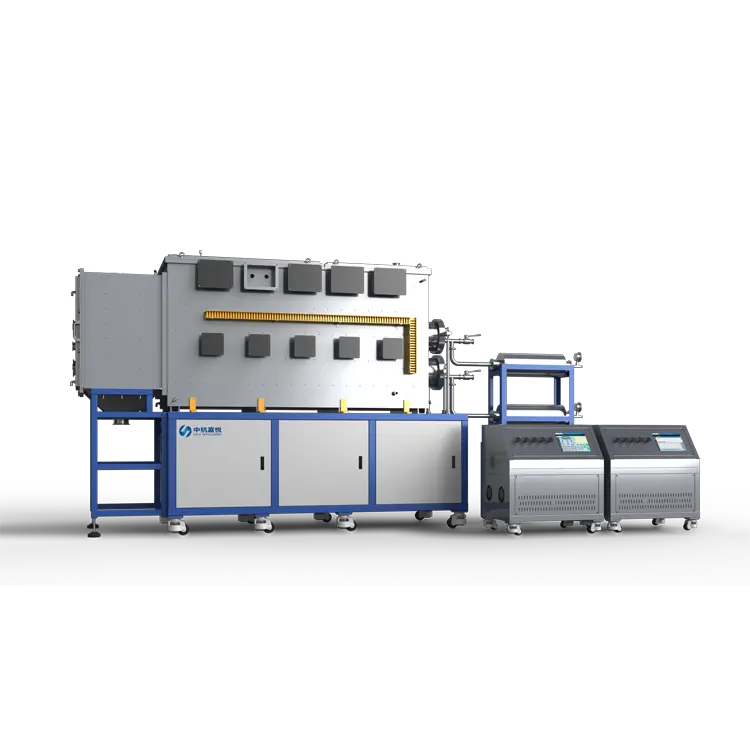
Horizontal Graphitization Furnace Temperature Field Simulation Schematic
During the furnace design phase, we introduce temperature field simulation technology for full-spectrum digital validation of thermal distribution and cooling processes. Through finite element analysis, potential issues such as thermal stress concentration or uneven temperature zones can be predicted at the drawing stage—shifting uncertainties forward to the design phase rather than troubleshooting after manufacturing. This "simulate first, manufacture second" approach significantly shortens equipment commissioning cycles and lays a solid foundation for subsequent data acquisition and intelligent control.
Making traditional equipment "speak" and integrating legacy furnaces into new systems—this is the foundation of CHJT's confidence in building future factories.
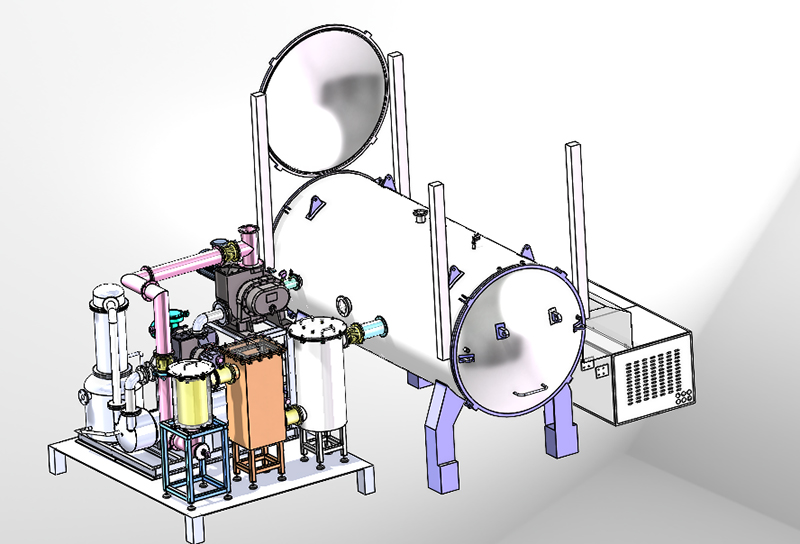
Automated Furnace Door Design
But our value extends beyond equipment retrofitting. CHJT's smart production line and future factory for carbonization and graphitization furnaces represent not merely an aggregation of machinery, but a deep integration of process and equipment—a concentrated embodiment of the company's R&D and engineering capabilities.
Focused on three core sectors—thermal engineering, new energy, and molten salt energy storage—and centered on customized non-standard solutions, CHJT is not just a builder of future factories, but a strategic partner to our clients—jointly pioneering new frontiers in new materials industrialization.
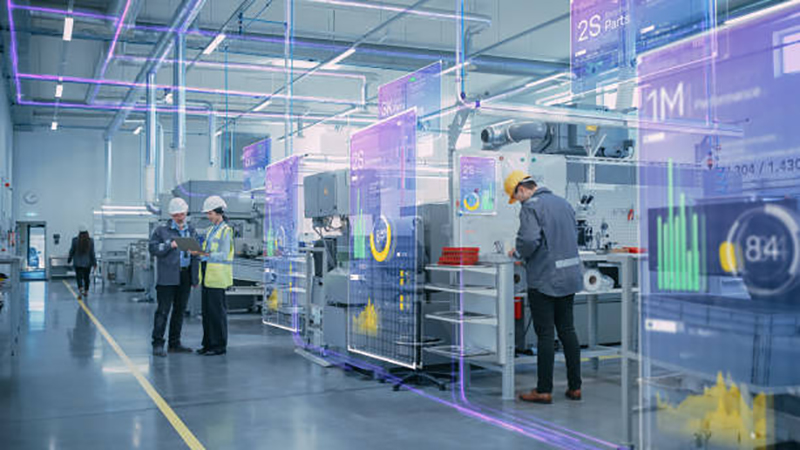
From Manual to Unmanned
From Traditional to Smart Manufacturing
CHJT
Speaks with Hardcore Technology
Carbonization Furnace · Graphitization Furnace
Smart Production Line · Future Factory
More Efficient · More Intelligent · Worry-Free
Driving Smart Manufacturing
Empowering Industrial Evolution
The future? Let's unlock it together.