English
 português
 فارسی
فارسی
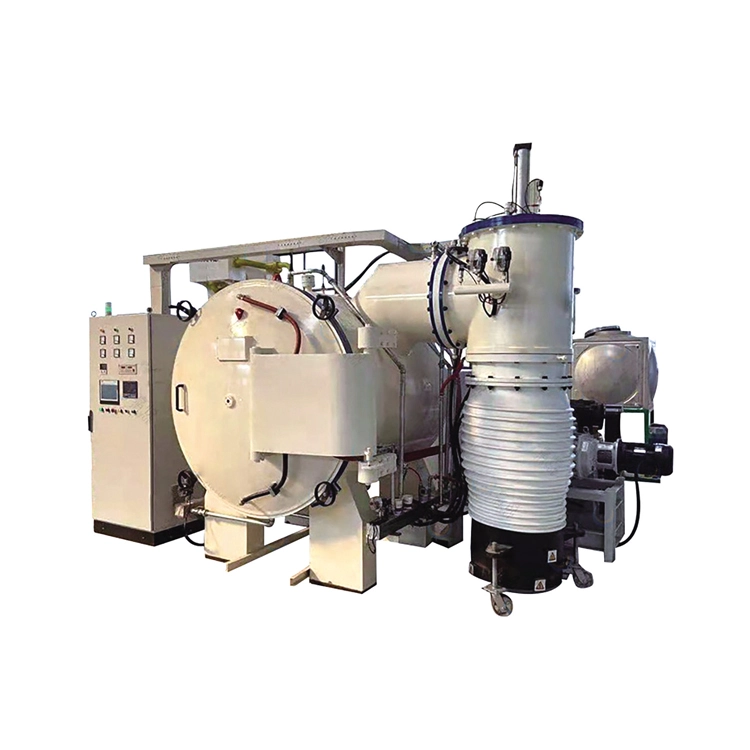
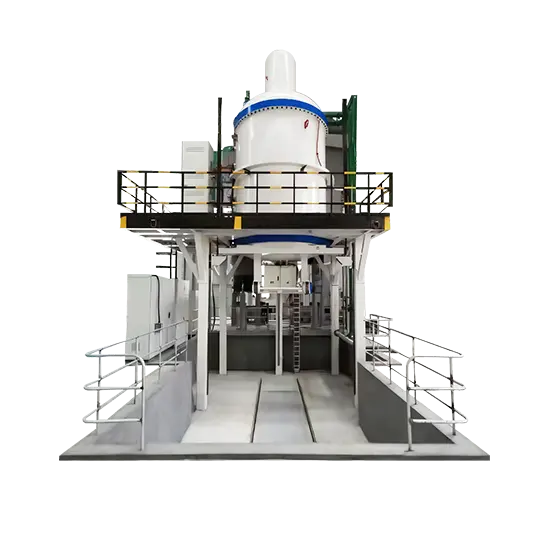
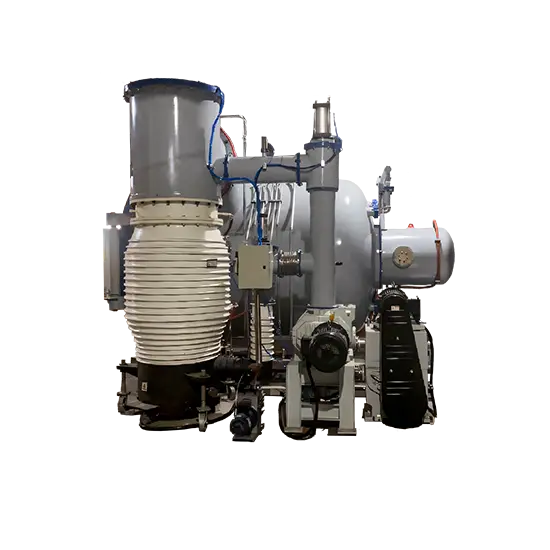
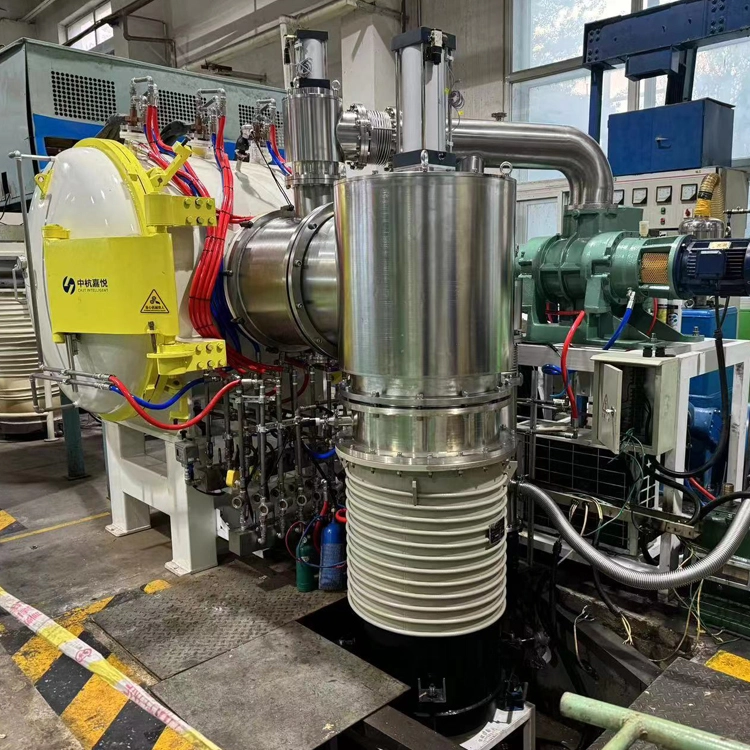









Molten salt energy storage, a core track for long-duration energy storage,
Once fell into industrial growing pains due to engineering challenges such as tank leakage and material corrosion, incurring high trial-and-error costs.
With rising renewable energy demand, breakthroughs in domestic supply chains, and improving standards, the industry is now moving from early exploration to large-scale deployment.
When the sector is stuck in these industrial pains, how can we break the deadlock?
Molten salt energy storage uses various inorganic salts as the working fluid to store and release energy in the form of heat. It is a key long-duration storage technology for solving renewable energy curtailment and supporting new power systems. Its core value lies in precisely addressing the intermittency and fluctuation of renewables, while covering multiple scenarios such as concentrated solar power (CSP), coal-fired power flexibility retrofitting, industrial waste heat recovery, and park-level integrated energy. It provides a stable solution for energy saving and carbon reduction in traditional industries, offering irreplaceable industrial value.
Core advantages of molten salt energy storage:
Long-duration storage – from single-day to seasonal heat storage, effectively smoothing renewable output fluctuations.
Safety and stability – molten salt is non-flammable and non-explosive, operates under mild conditions, and offers superior safety compared to electrochemical storage.
High efficiency, low loss – high heat capacity and thermal conductivity ensure efficient energy conversion; long-term operation with low losses and high round-trip thermal efficiency.
Scenario adaptability – compatible with CSP, thermal power, industrial heat supply, zero-carbon parks, etc., with strong flexibility.
How it works:
Charging (heat storage) – using curtailed wind/PV power, off-peak electricity, or solar thermal energy, electric heaters raise the molten salt to high temperature, and the hot salt is stored in a high-temperature tank.
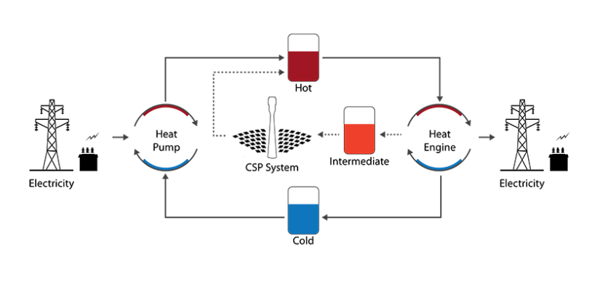
Working Principle of Molten Salt Energy Storage
Discharging (heat release) – high-temperature molten salt flows through a heat exchanger, releasing heat to generate high-temperature, high-pressure steam that drives a steam turbine for power generation or directly supplies industrial heat loads, achieving efficient energy conversion and recycling.
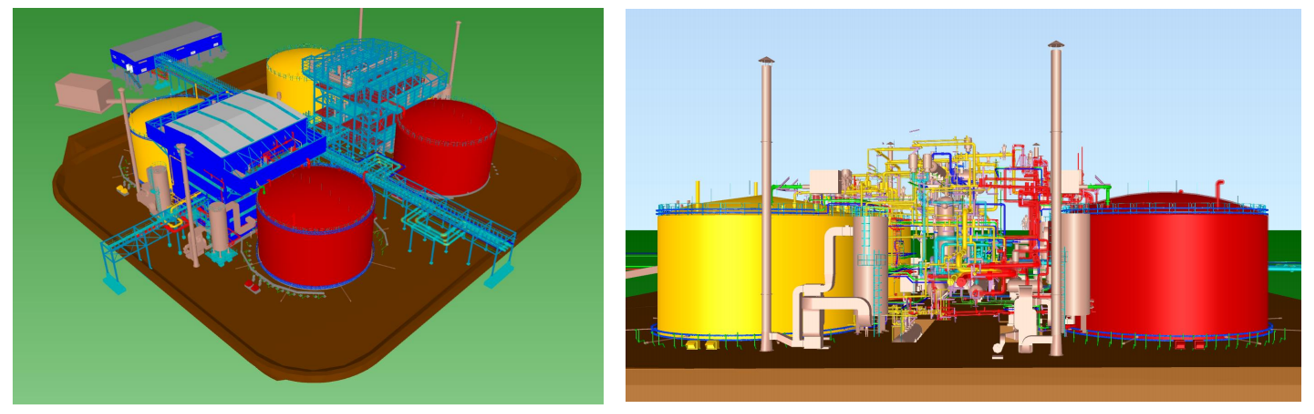
Molten salt energy storage heat exchange system
These advantages make molten salt energy storage a key enabler for renewable integration and industrial decarbonisation, and a core track for the future high-quality development of energy storage – with very promising prospects.
Laboratory exploration period (before 2015)
In China, molten salt energy storage remained at the laboratory stage, with a strong bias toward “application over fundamentals.” There was insufficient engineering validation, and critical issues such as high-temperature corrosion, tank sealing, and system integration were poorly understood. The complexity of engineering deployment was not recognised.
Industrial growing-pain period (2015-2020)
The year 2015 marked a turning point. The National Energy Administration launched the first 20 CSP demonstration projects. Driven by policy, capital and companies rushed in with high enthusiasm, expecting rapid industrialisation. However, only a few of these projects achieved long-term stable operation. The industry fell into painful setbacks.
.jpg "image-source-u.s.-department-of-energy-(doe).jpg")
Image Source: U.S. Department of Energy (DOE)
The failure of the Crescent Dunes project in Nevada, USA, was particularly instructive. This benchmark molten salt storage plant suffered multiple hot-salt tank leaks and eventually filed for bankruptcy protection twice. It exposed the core challenges of salt leakage, temperature control, and safety – high-temperature molten salt places extreme demands on tank materials and weld quality. Once leakage occurs, repair costs are prohibitive and downtime losses severe. Moreover, excessive temperature raises safety risks, while too low a temperature impairs efficiency. Balancing these factors became a major industry headache.
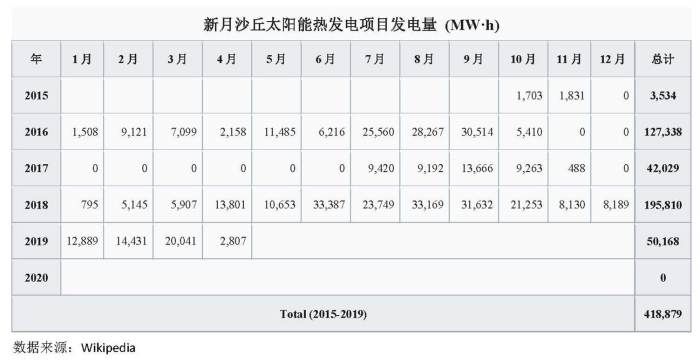
Technology breakthrough period (2021-2026)
The 100 MW molten salt tower CSP plant in Dunhuang, Gansu, was connected to the grid in 2018. It is the world’s first 100 MW-scale molten salt tower CSP plant and one of the first national demonstration projects to achieve commercial operation. The plant uses 12,000 heliostats and can generate power continuously for 24 hours, successfully overcoming key technologies such as high-temperature molten salt heat absorption, storage, and freeze prevention, providing valuable experience for domestic projects.
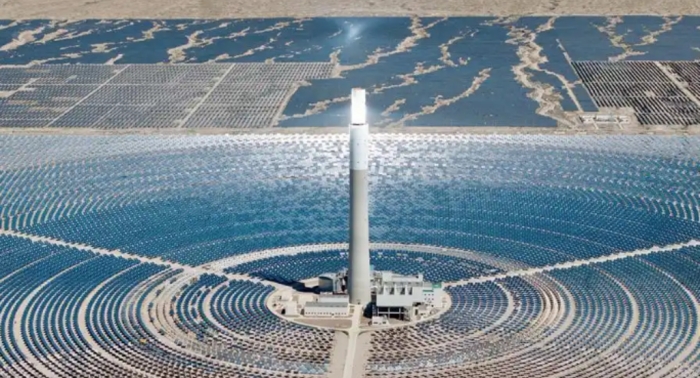
"Super Mirror" Power Plant
If the Dunhuang project represents successful application of molten salt storage in CSP, the State Energy Group Suzhou 1000 MWh “coal power + molten salt” project has opened a new path. Commissioned in August 2025 as one of the first national green low-carbon advanced technology demonstration projects, it uses three-stage cascade steam extraction and achieves engineering breakthroughs in gigawatt-hour-scale tanks.
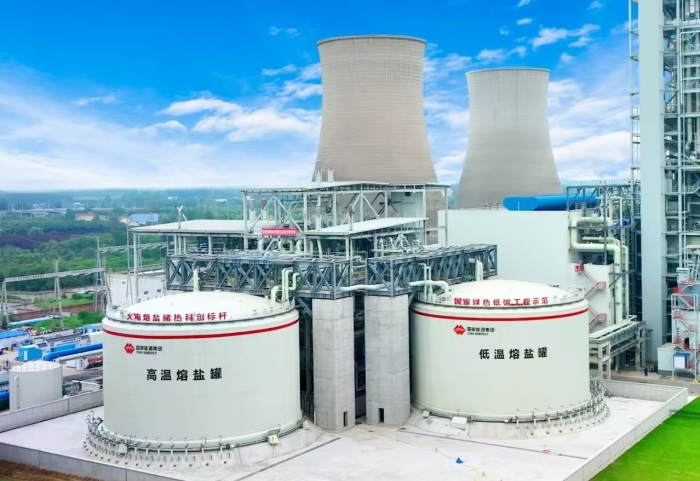
Suzhou Molten Salt Energy Storage Project Site
Image Source: Xuexi Qiangguo
A foreign tower-type CSP molten salt storage plant, through optimised tank design and improved sealing technology, solved the leakage pain point, reduced operating costs via technical improvements, and established a standardised operation and maintenance system, achieving long-term stable power generation – offering replicable engineering experience for the industry.
In summary, the first wave of industrialisation from 2015 to 2020 was a premature push before technology was mature, costing the industry dearly. That experience brought a sober realisation: molten salt energy storage is a complex, multi-disciplinary systems engineering. Only by deepening fundamental R&D, improving standards, and valuing engineering validation can true industrialisation be achieved.
Tank leakage remains a core risk – thermal stress in large tanks, foundation settlement, and weld fatigue are still primary causes of leakage. Sealing and structural stability become more difficult at high temperatures.
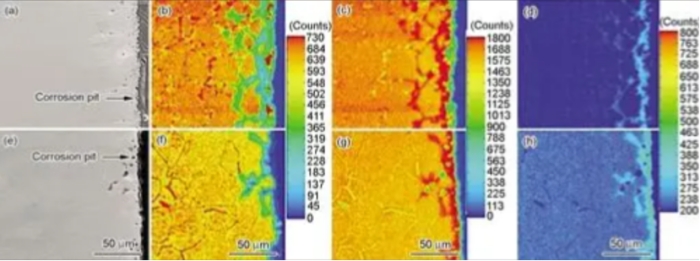
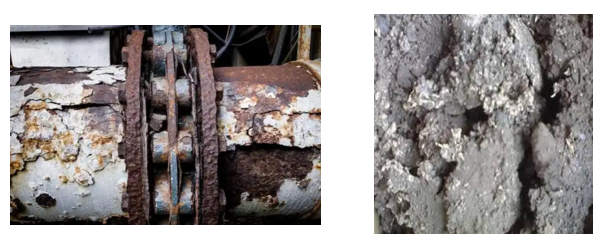
Material corrosion not fully solved – electrochemical corrosion of pipes, valves, and heat exchangers by molten salt, especially the severe corrosion effect of ultra-high-temperature chloride salts. Moreover, corrosion test methods are not standardised, making cross-comparison difficult.
Corrosion Thermal Stress Deformation
304H and 316H after FLiNaK corrosion of 400H
Lack of molten salt quality standards – purity, impurity limits, thermal stability, and other indicators have no unified specifications, directly affecting long-term system reliability.
Core equipment domestic production still needs validation – key components such as molten salt pumps, high-temperature electric heaters, and molten salt valves have been localised, but their long-term reliability and extreme-condition adaptability require further engineering validation. Innovative solutions like low-level tanks + short-shaft pumps and modular design are gradually being adopted.
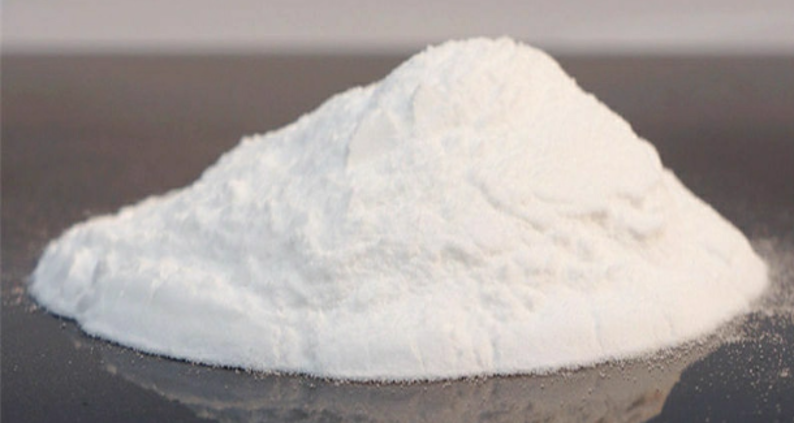
High initial investment – the Suzhou project had a total investment of RMB 340 million, with a unit cost of RMB 340/kWh; core components account for a high share.
Moderate returns – full-investment internal rate of return around 8-9%, limited appeal to market-oriented capital.
Lack of standardisation – projects are custom-designed on a “one-project, one-solution” basis, difficult to replicate, pushing up design and construction costs.
Clear downward cost trend – industry collaboration and scale effects have reduced system costs by 45% compared to 2021, with levelised cost of storage down by 35%.
High policy dependency – coal-fired flexibility retrofitting and CSP still need continuous policy support.
Slow market adoption – oilfield steam injection and industrial heat supply are still in demonstration phases, constrained by gas prices and load matching.
Incomplete standard system – tank design still follows oil tank standards, which are unsuitable for 600°C high-temperature service. The “Guideline for Design of PV + Molten Salt Storage Integrated Power Generation Projects” was issued in 2025, and the standards system is gradually improving.
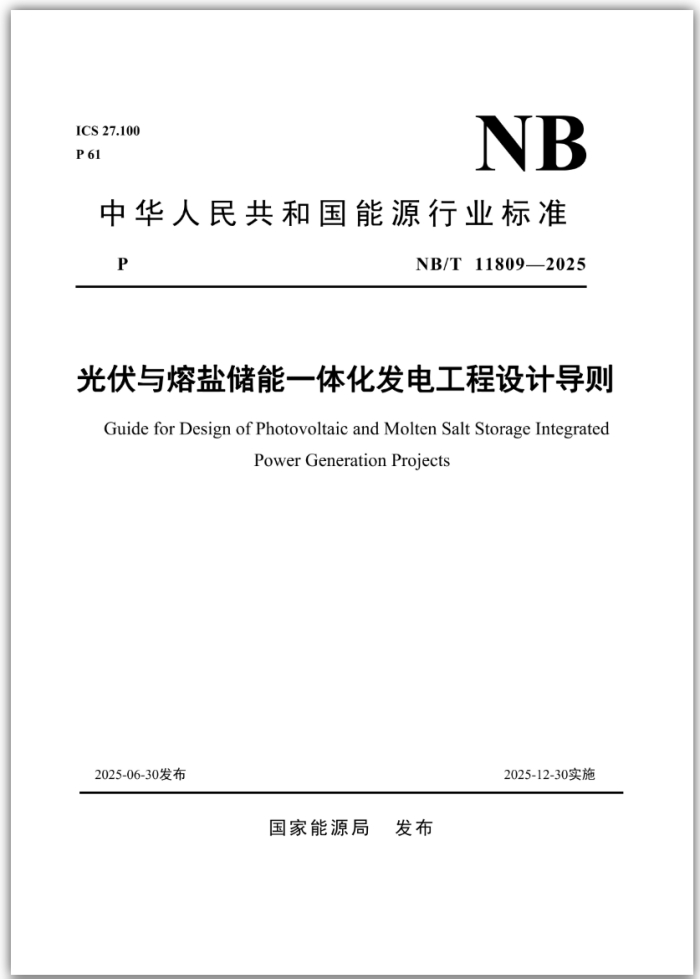
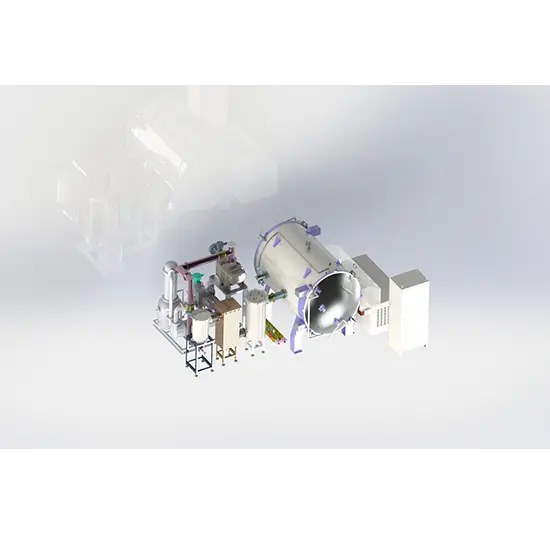
To address the above technical bottlenecks, CHJT focuses on two core dimensions – molten salt quality control and material compatibility – building a full-chain experimental validation platform that forms a closed-loop verification from “material → component → system” to support engineering deployment.
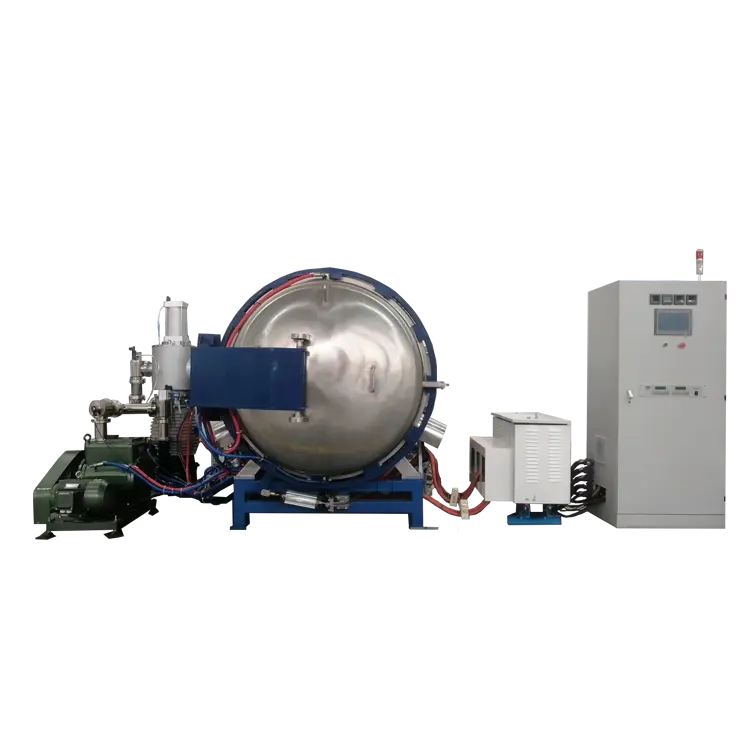
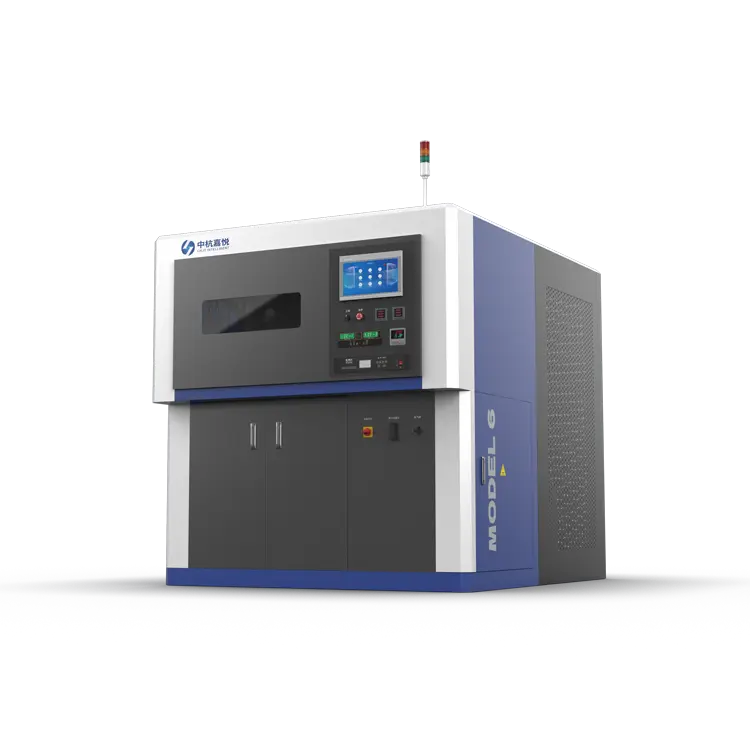
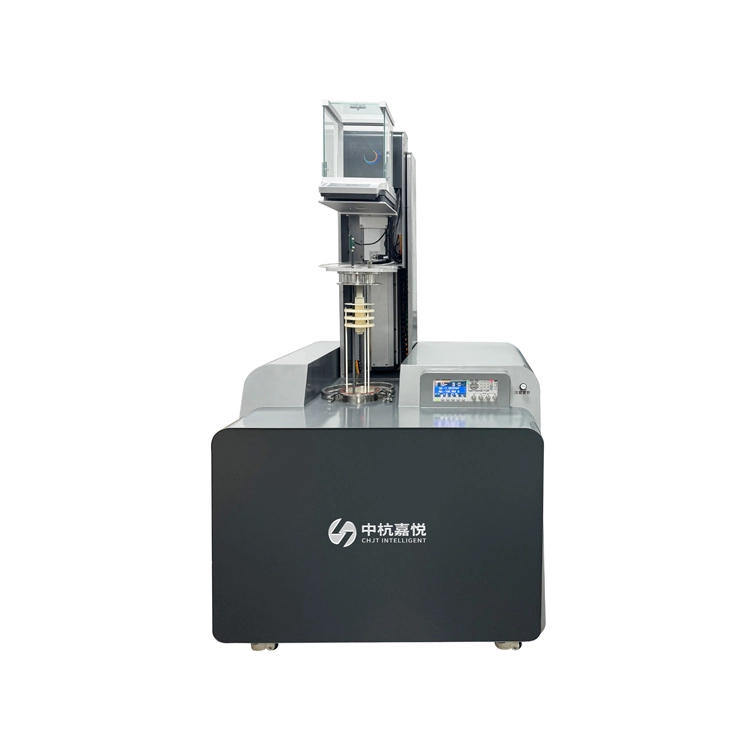
CHJT has developed a series of scientific instruments for measuring thermophysical properties of melts. These instruments can test density, surface tension, conductivity, first crystallisation temperature, viscosity, and thermal stability of various molten salts and other melts. We also provide third-party testing services, help customers establish acceptance standards for molten salt procurement, and actively participate in the development of industry standards for molten salt product quality – giving the industry clear benchmarks.
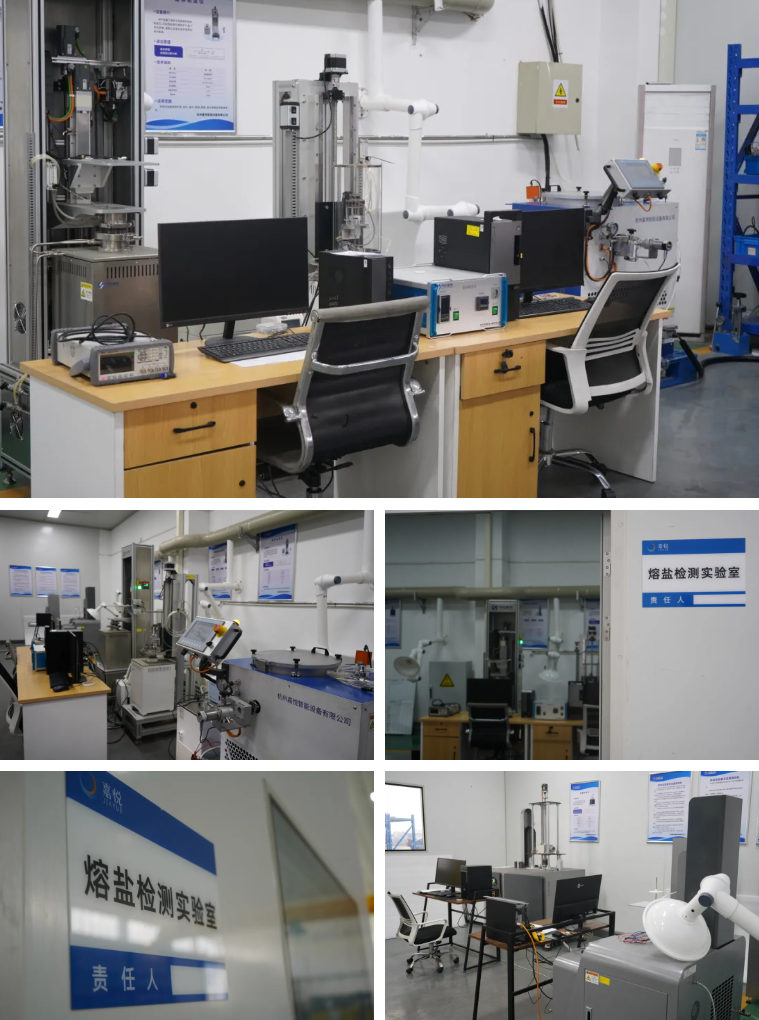
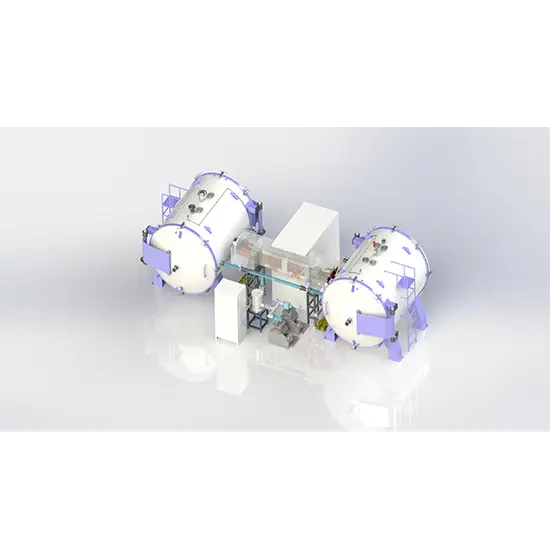
CHJT Molten Salt Testing Laboratory
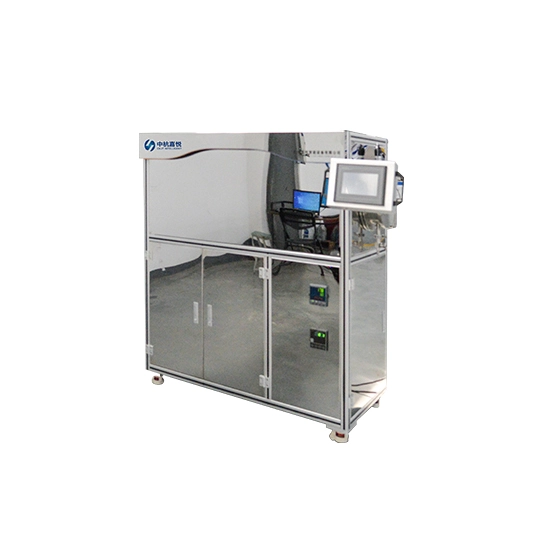
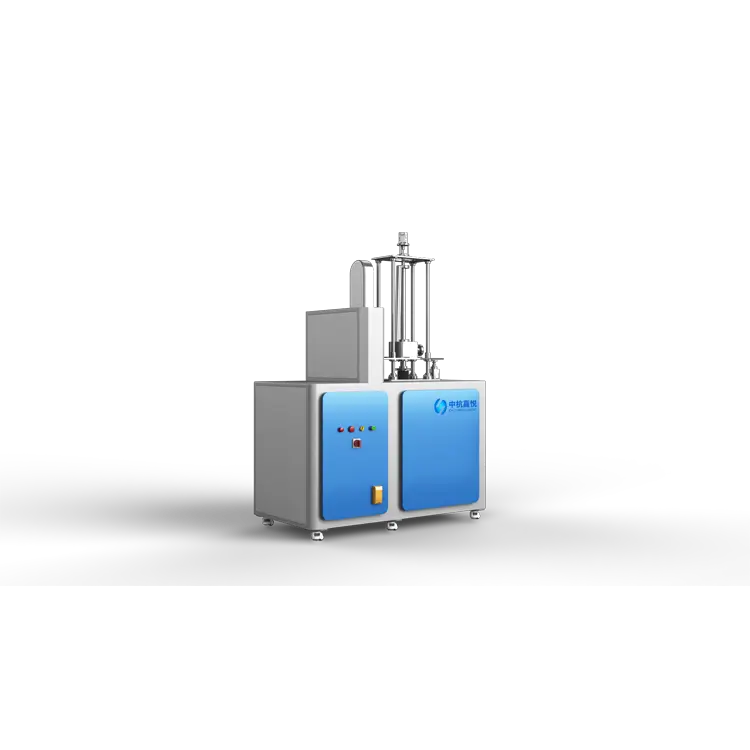
To tackle the core pain point of molten salt corrosion, CHJT has systematically built a molten salt corrosion and heat transfer test platform, forming a complete evaluation capability from static to dynamic, from material level to system level.
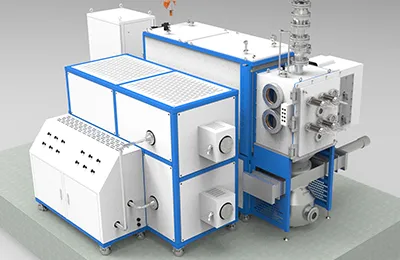
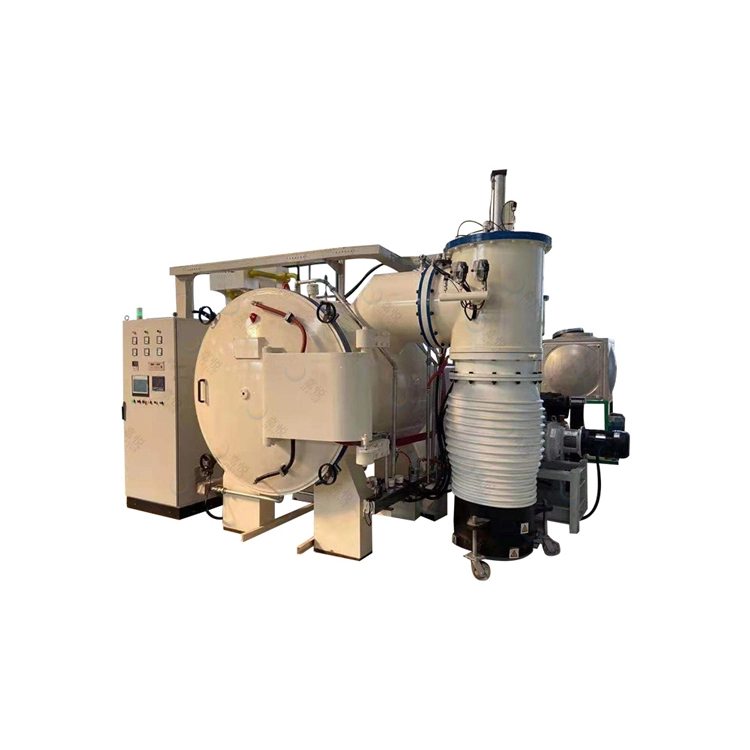
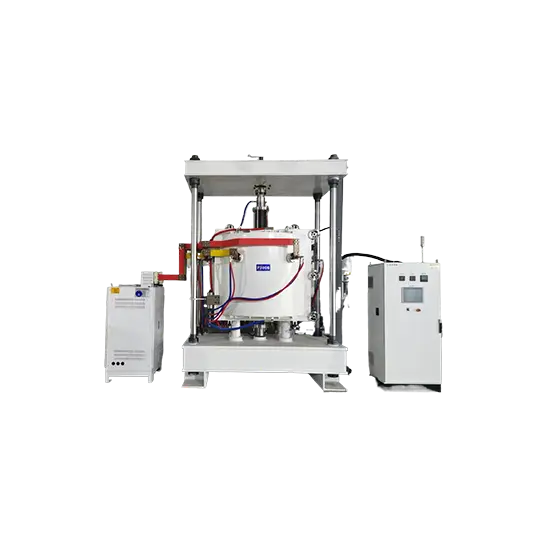
Static molten salt corrosion evaluation system – through immersion corrosion tests, systematically evaluates compatibility of various materials with molten salts. Test temperature up to 800°C, with capability to test 10+ samples simultaneously per batch. Provides data support for basic material selection and anti-corrosion technology development, addressing critical issues such as preliminary compatibility assessment and corrosion protection development.
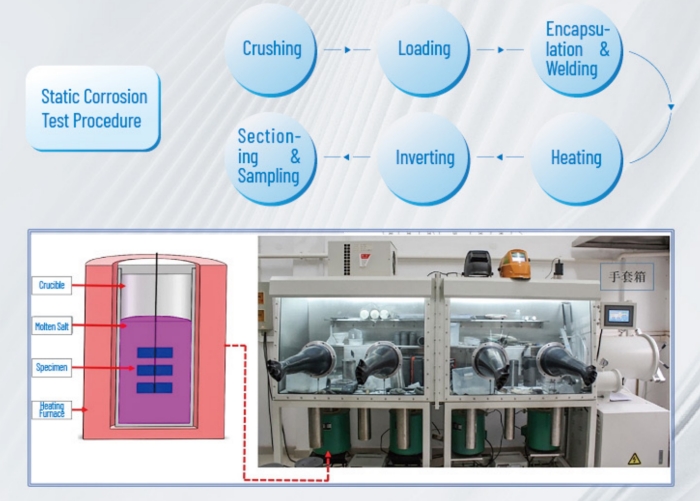
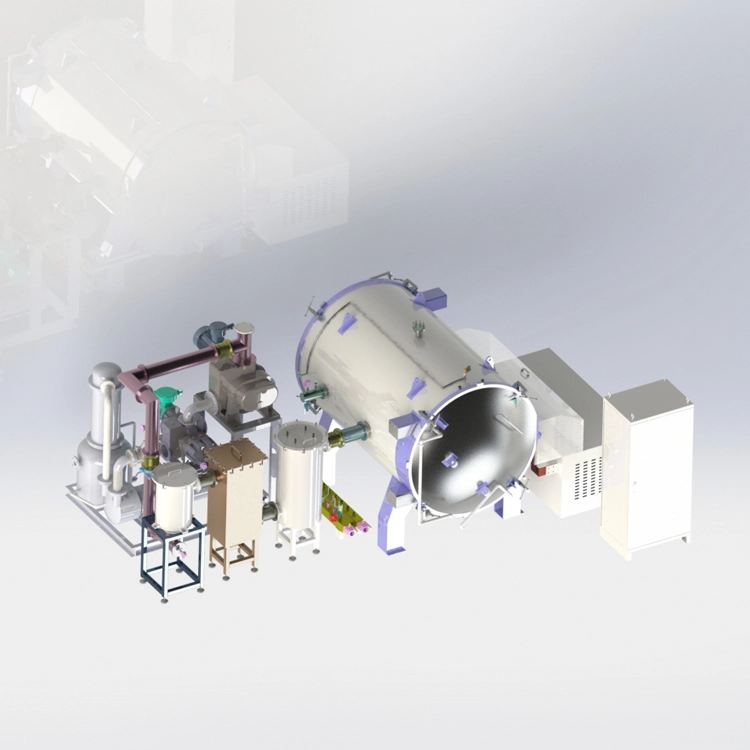
Static Molten Salt Corrosion Evaluation System
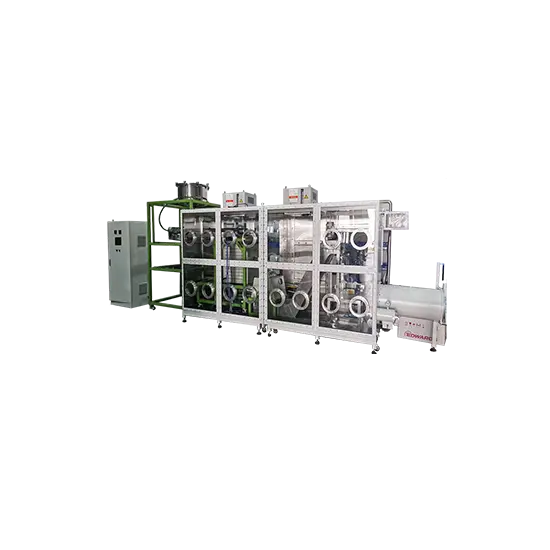
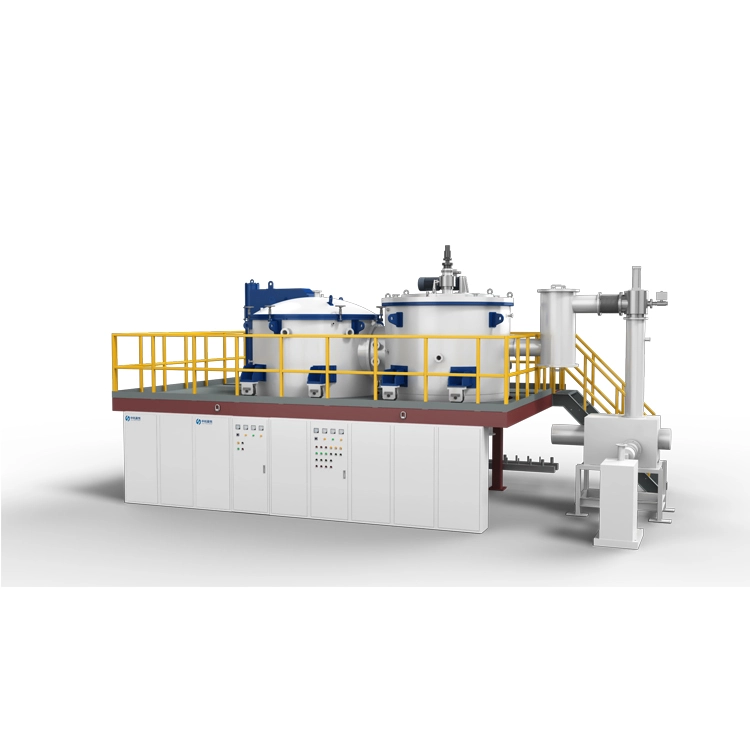
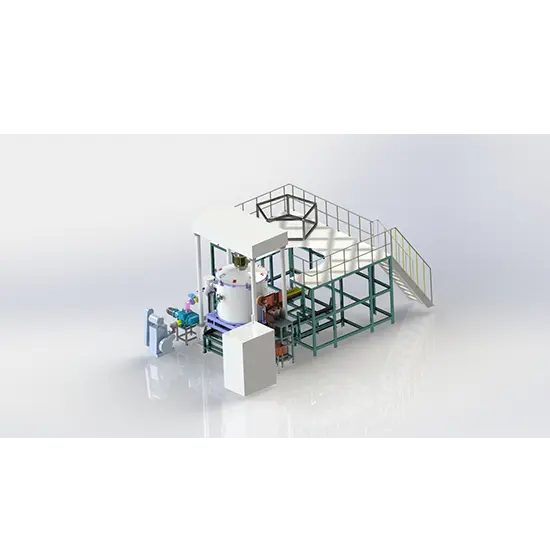
Natural circulation molten salt loop system – driven by temperature-difference-induced density differences in the working fluid. Operating temperature 550-700°C, simulates dynamic corrosion under slow-flow conditions. Focuses on studying temperature-gradient-driven mass transfer and localised corrosion. Also includes validation of freeze-valve reliability. Solves engineering challenges such as simulation of material corrosion under real operating conditions and prediction of localised corrosion in systems.
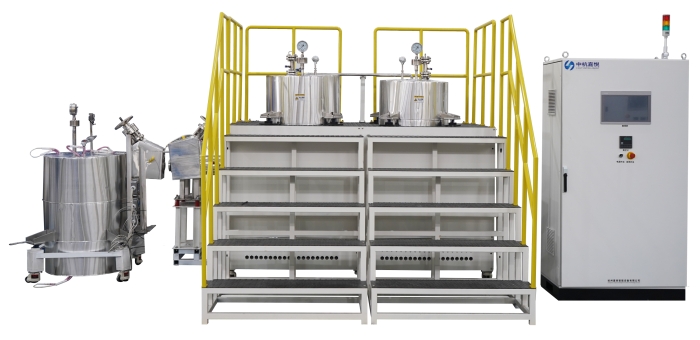
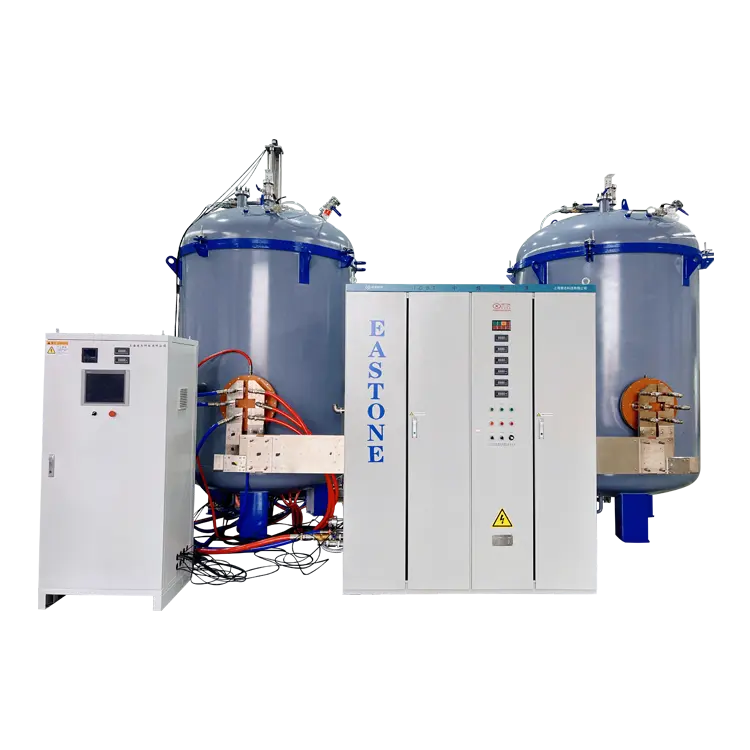
Natural Circulation Molten Salt Loop System
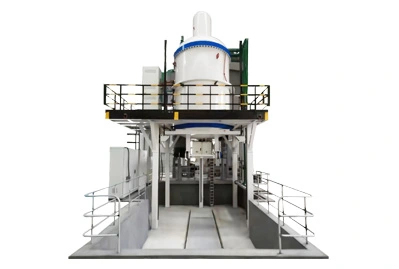
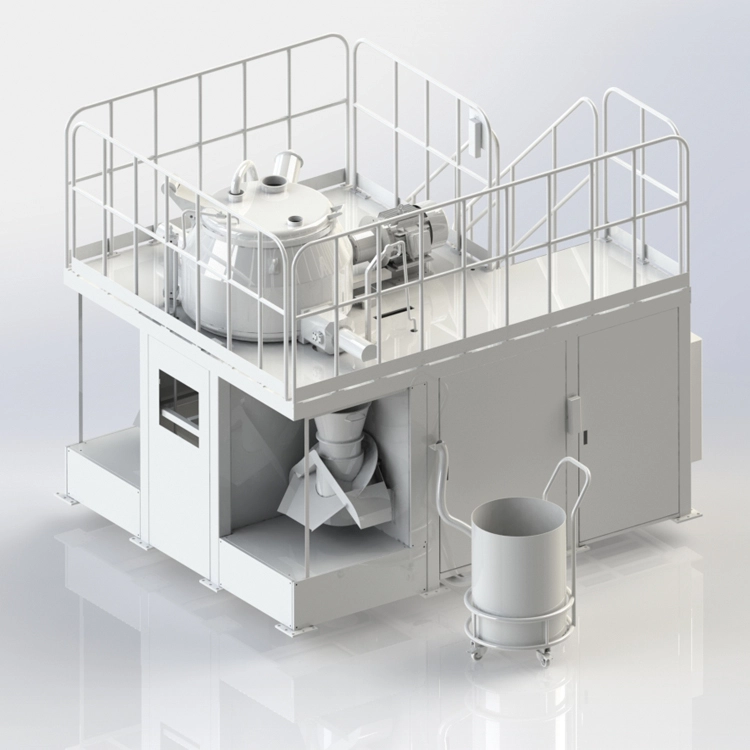
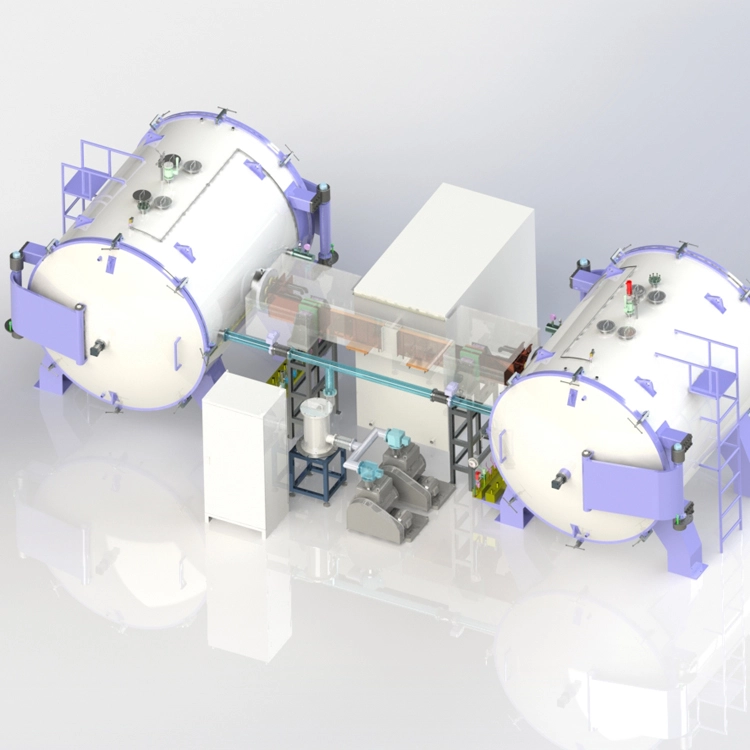
Forced circulation molten salt loop system – the most comprehensive molten salt thermal-hydraulic test platform. Capable of conducting material compatibility and corrosion tests, thermal-hydraulic parameter validation, system safety and stability validation, molten salt chemical behaviour studies, heat storage and heat transfer efficiency tests, multi-physics coupling experiments, and validation of automatic control algorithms and fault diagnosis techniques. Applicable to nuclear energy, CSP, high-temperature industrial processes, etc. Addresses core issues such as system-level validation, control strategy optimisation, and fault diagnosis technology development.
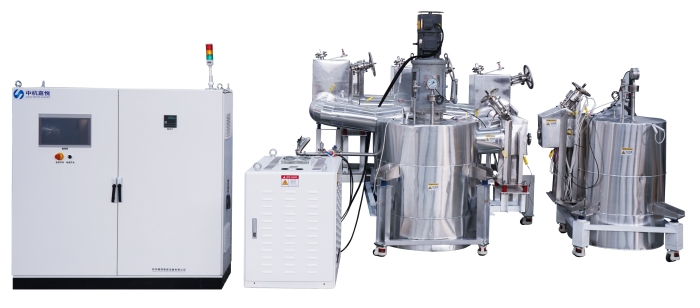
Forced Circulation Molten Salt Loop System
These three products are not isolated; they form a complete technical validation chain from material level → component level → system level.
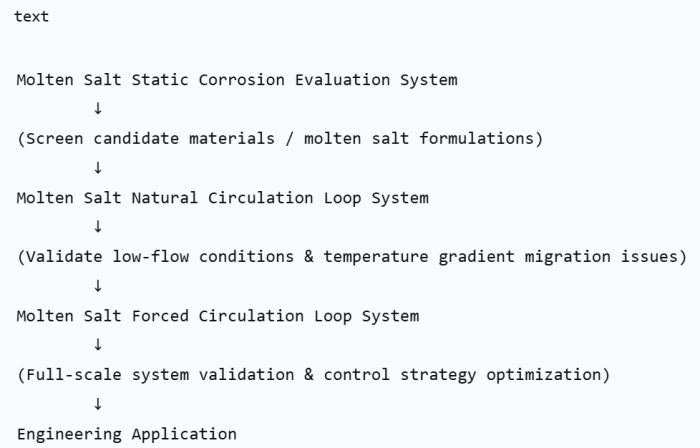
hrough this technical support system, CHJT provides customers with scientific material selection guidance, design optimisation support, risk prediction capability, and life-cycle forecasting services.
The history of molten salt energy storage is one of evolution – from a lack of fundamental research, through painful industrial setbacks, to systematic technological breakthroughs. The tank leaks, material corrosion, and quality control issues that once caused so many projects to fail are gradually being conquered.
CHJT’s technical strategy is built precisely on this logic: using systematic experimental platforms to transform “invisible material corrosion” into “measurable experimental data,” and turning “unclear quality problems” into “standard-based technical specifications.” We provide end-to-end support from R&D to validation to engineering for molten salt energy storage, driving the industry from “pilot demonstrations” to “truly mature, truly large-scale” deployment – supporting the construction of new power systems and the achievement of carbon peak and neutrality goals.