English
 português
 فارسی
فارسی
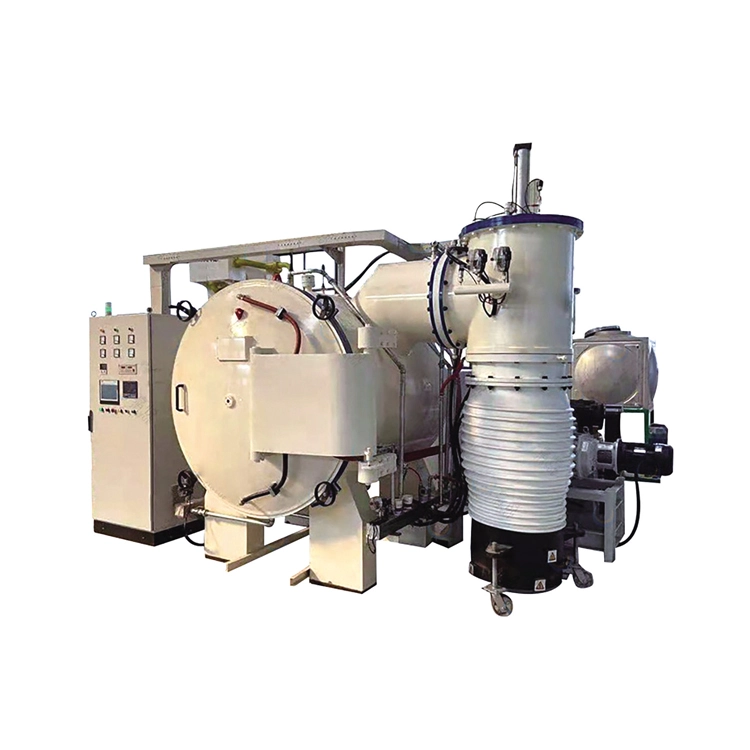
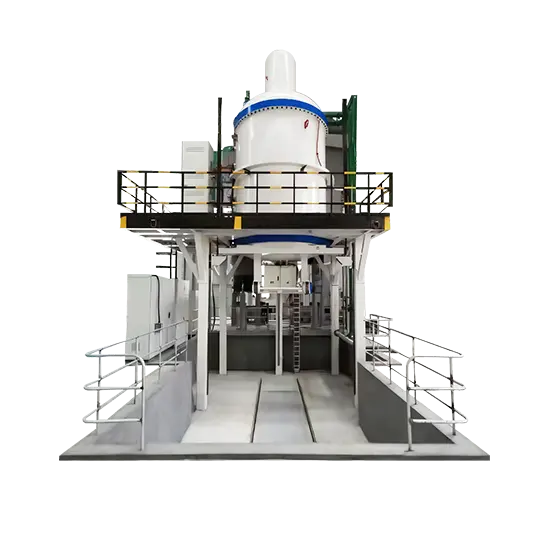
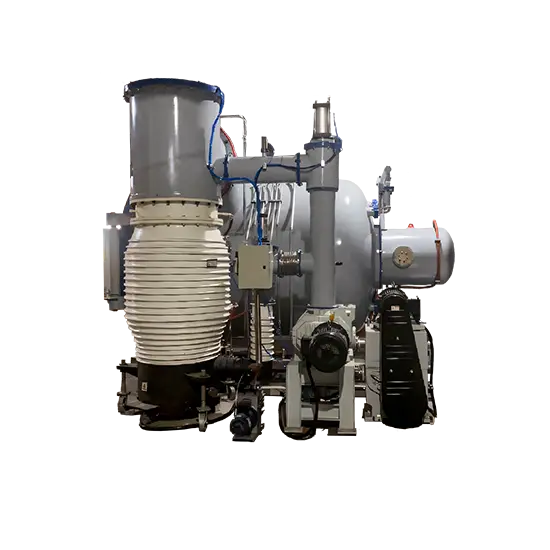
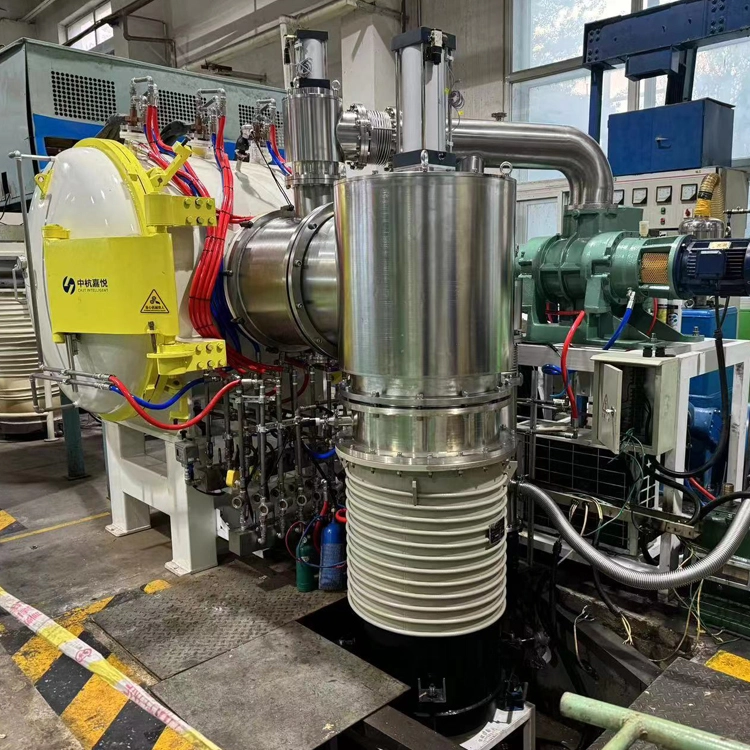
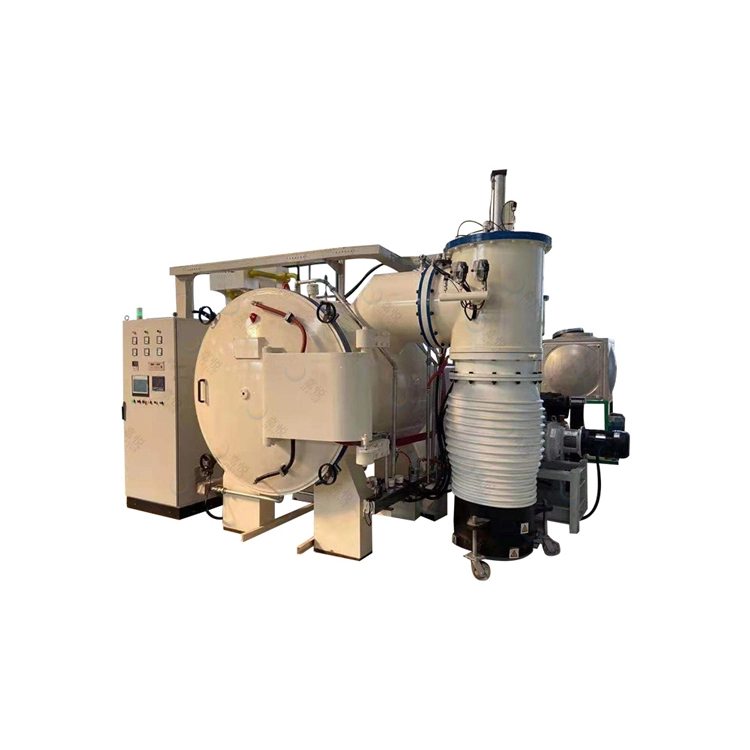
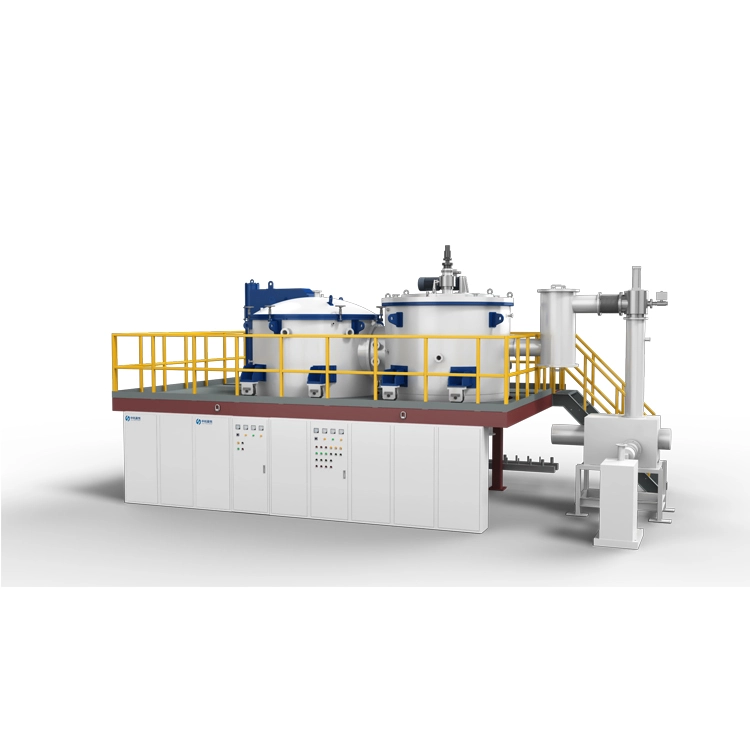
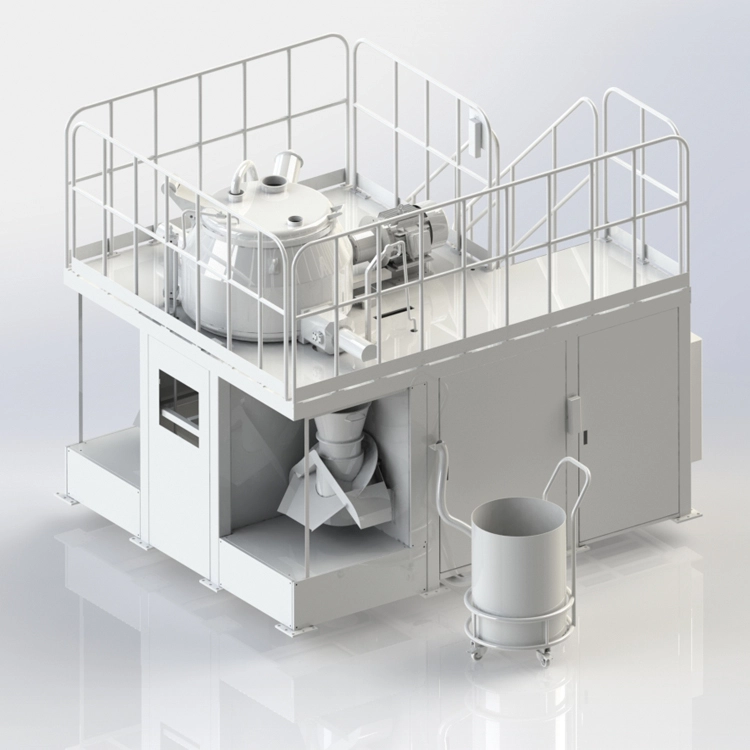
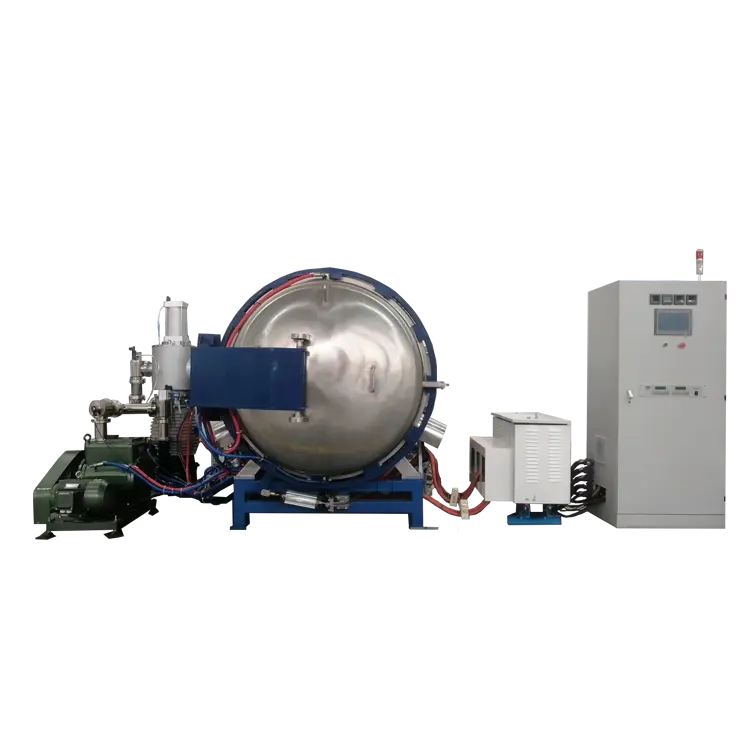
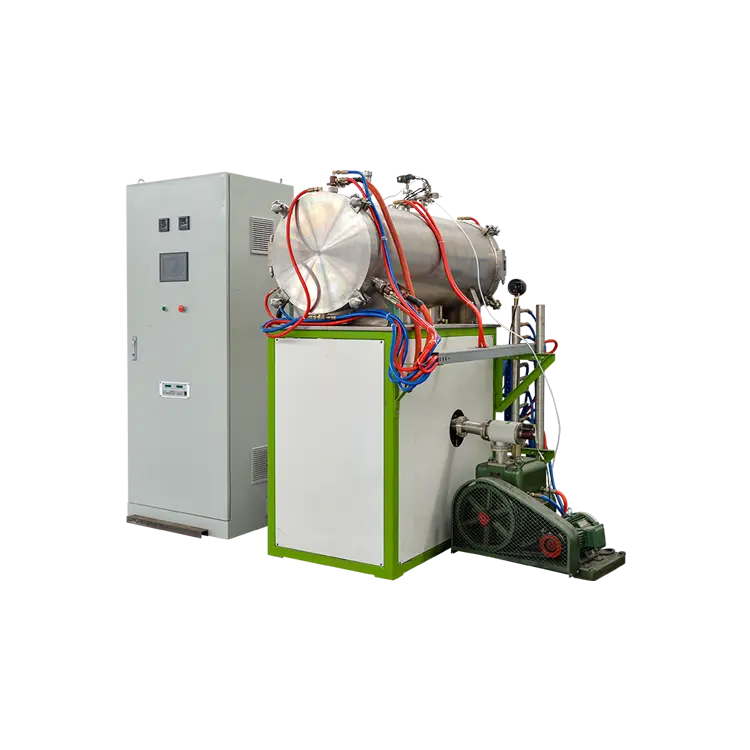
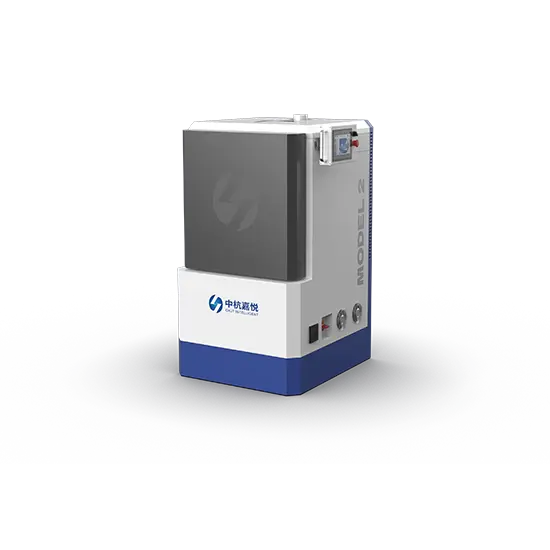
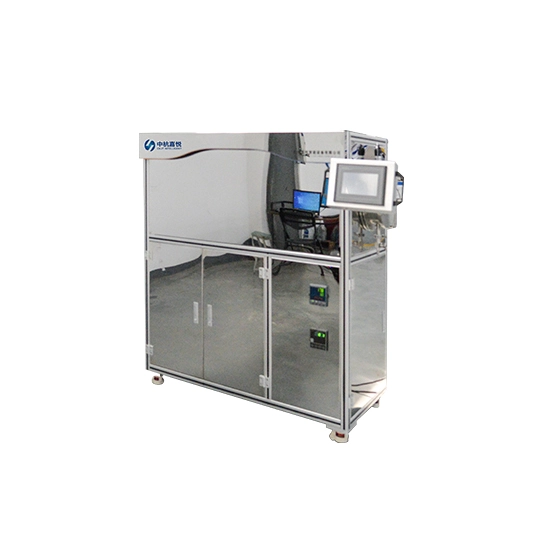
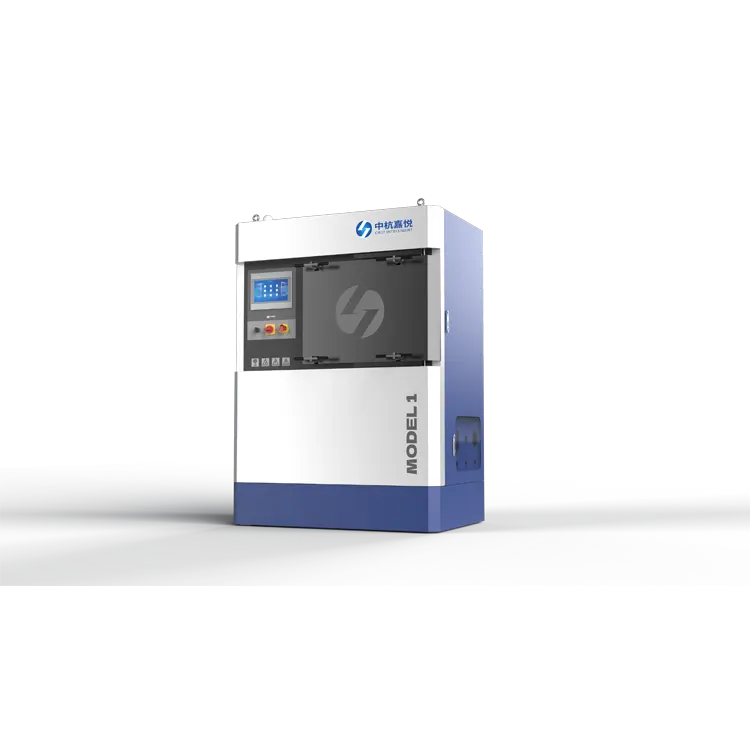
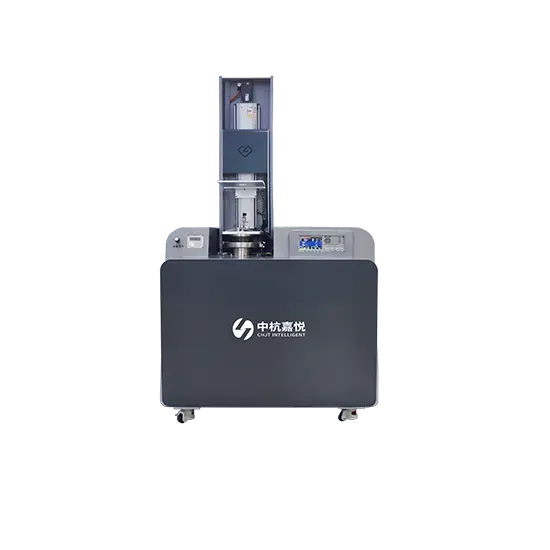
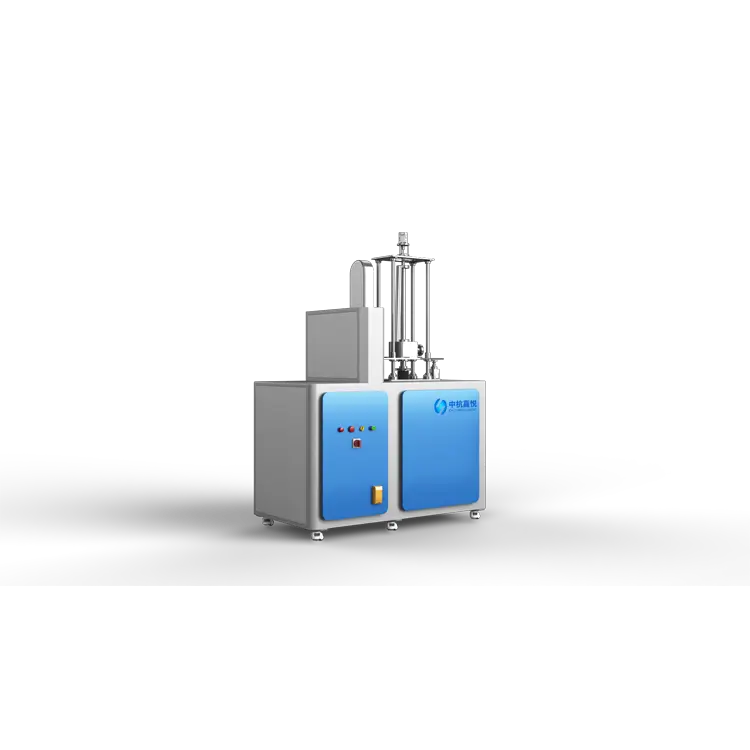
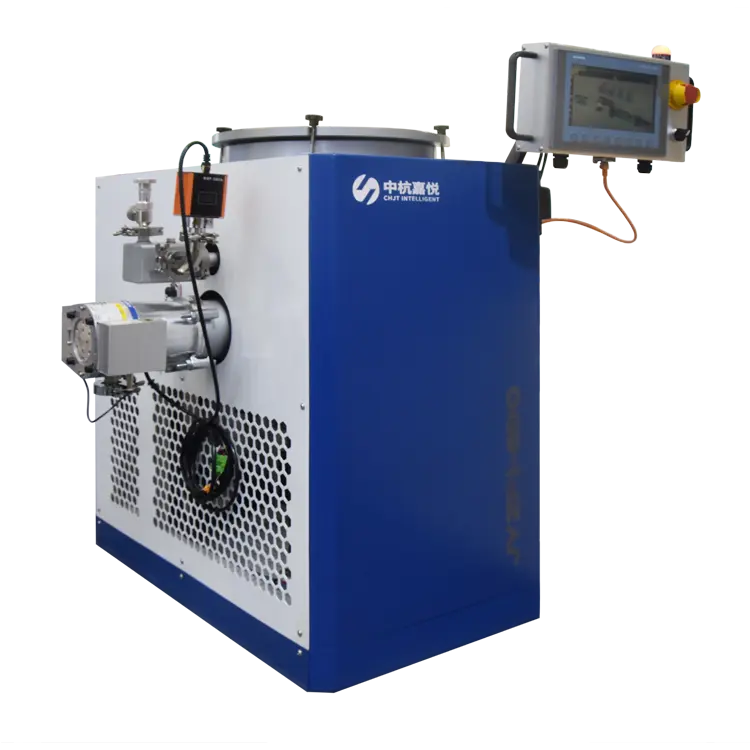
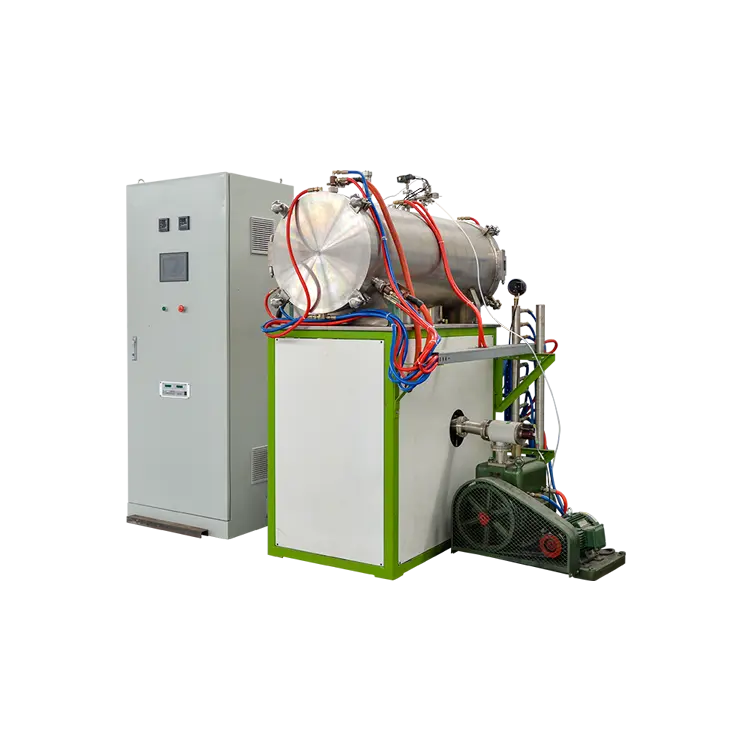
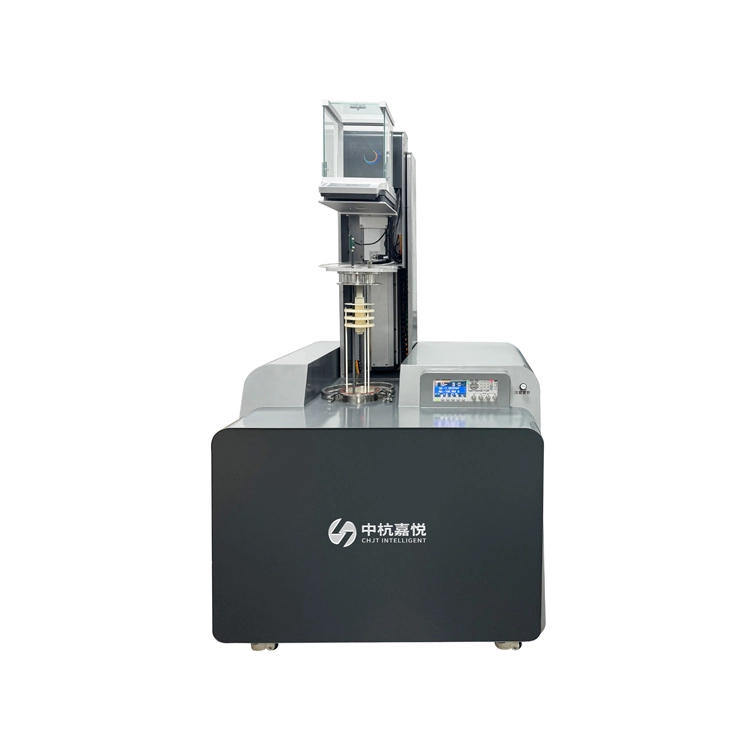
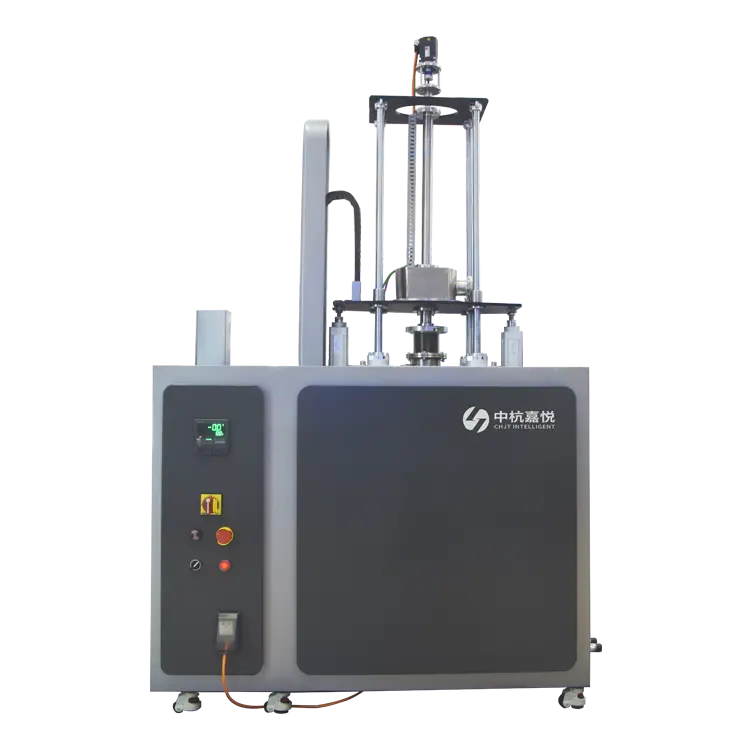
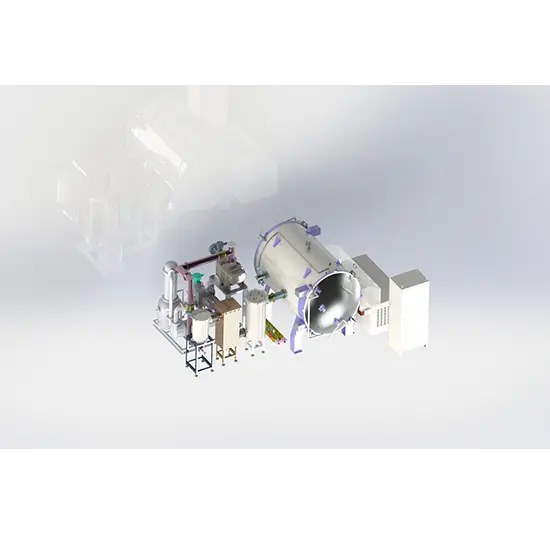
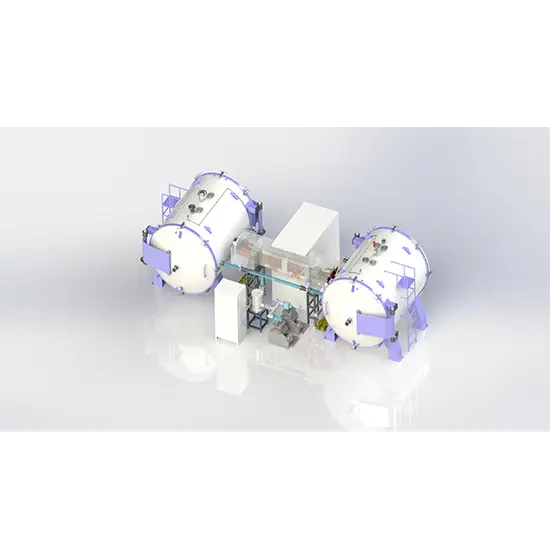
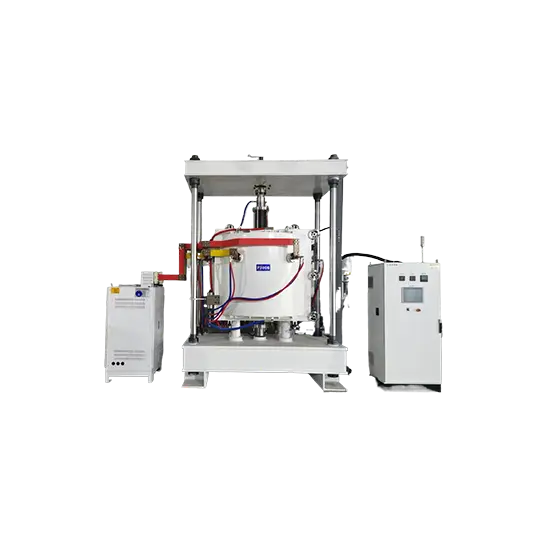
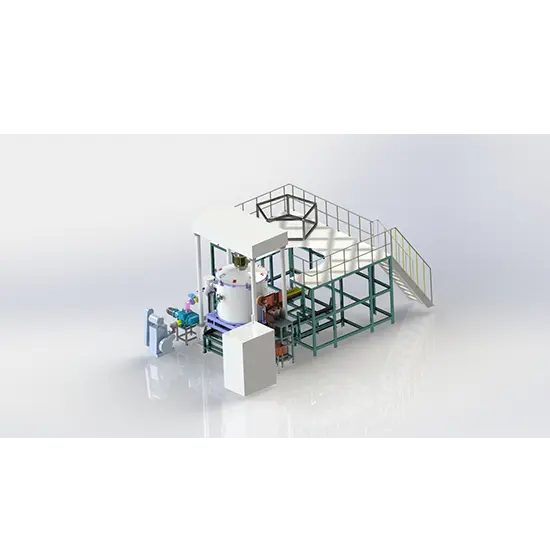
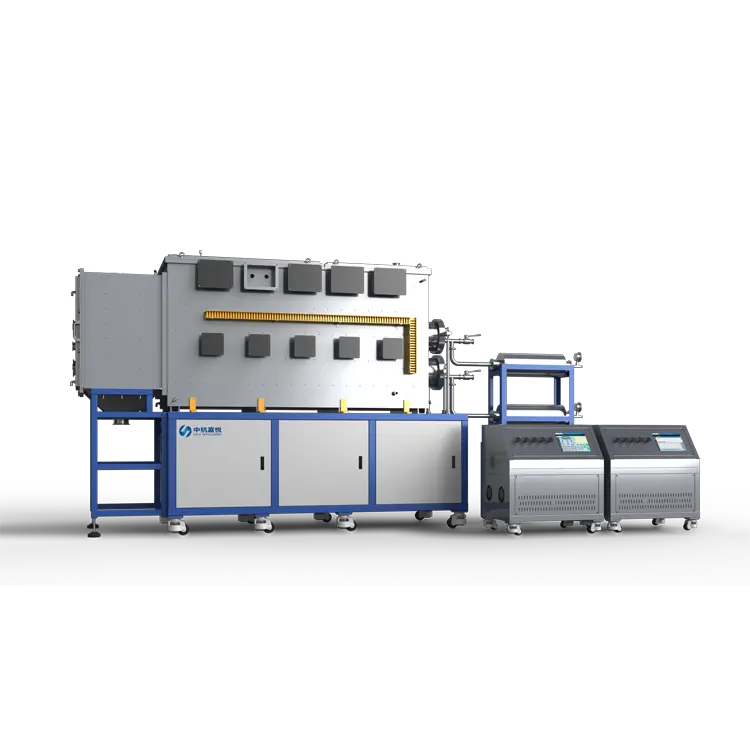
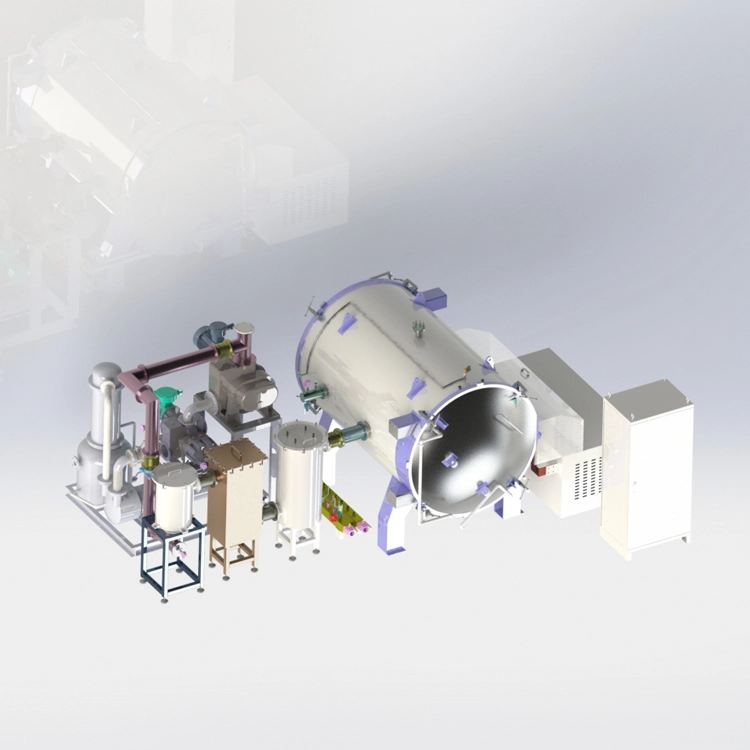
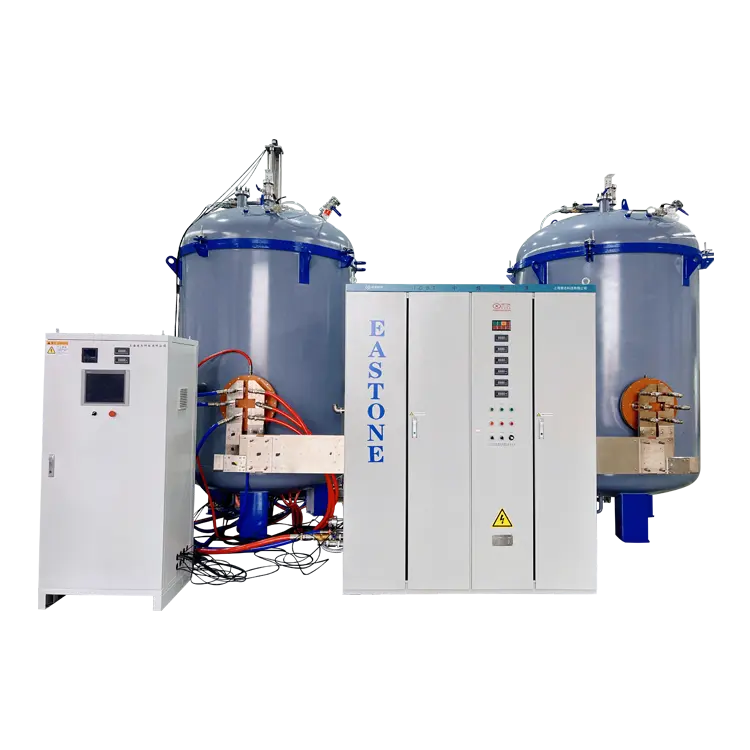
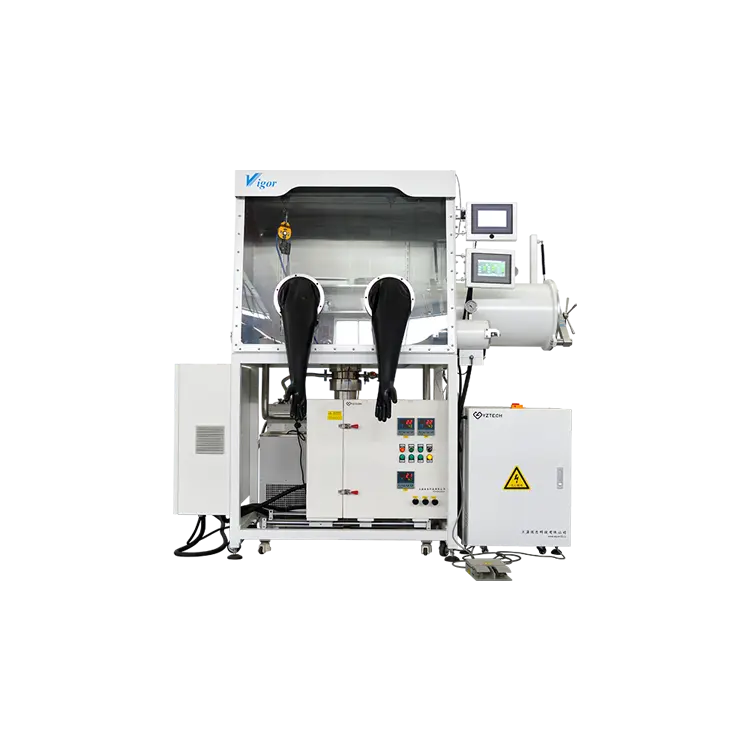
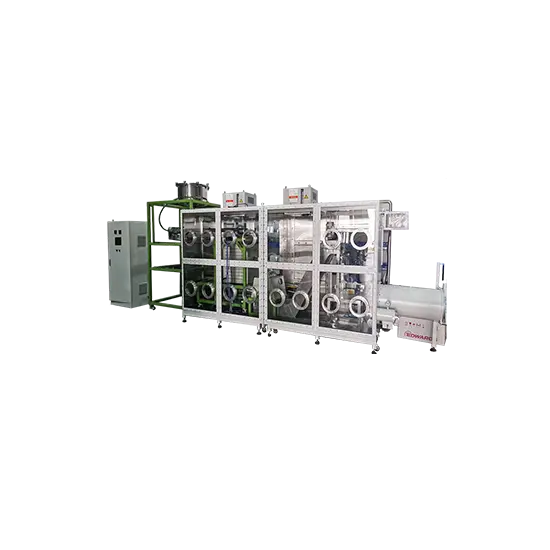
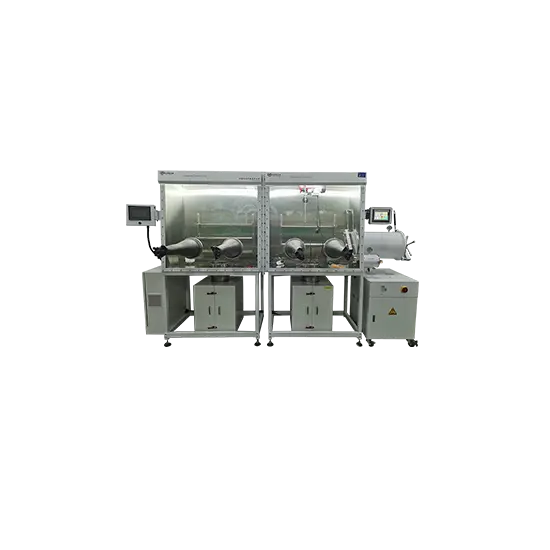
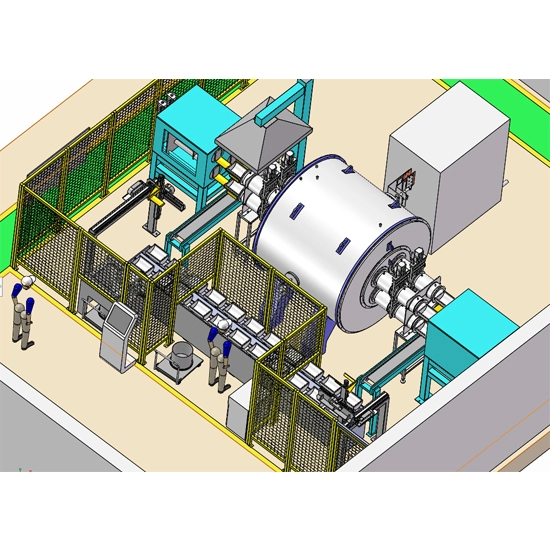
The key point in repairing a furnace brazing machine is identifying the fault. A common issue is the failure to reach the required vacuum level, which can result from several causes. It's crucial to determine the specific reason—perhaps the vacuum unit lacks sufficient pumping capacity, there may be a high leakage rate, or both. In such cases, it's essential to patiently observe and record data to identify the root cause.
For example, if the vacuum level is lower than usual despite the same evacuation time, close the main valve and monitor the vacuum gauge. If the needle drops rapidly, it's likely due to a leak in the vacuum chamber. The first step should be to locate the leak point. If the needle drops slowly, the issue might be insufficient pumping capacity or overloading of the chamber. Other potential causes include:
Products placed in the chamber for too long before processing
High ambient humidity leading to moisture absorption
Significant outgassing from the products during the brazing process
In these cases, the focus should shift to checking the vacuum pump and valves for leaks. Possible faults include:
Contaminated or oxidized diffusion pump oil
Poor sealing in the foreline piping
Insufficient or emulsified pump oil
Oil leakage at the shaft seal, among others
When repairing a furnace brazing machine, pay attention to the following steps: disassembly, cleaning, inspection, and reassembly.
The furnace brazing machine, regardless of size, is a precision mechanical device. Disassembly should be performed gently—never use excessive force or heavy hammers.
All components must be thoroughly cleaned to uncover potential problems or hidden dangers.
Vacuum pump parts differ significantly from typical mechanical components. Their edges are sharp and clearly defined, so take extra care to avoid hand injuries.
If available, use a helium mass spectrometer leak detector. Never skip any detail during leak detection, as even the smallest spot may be the source of a problem.
Any vacuum pump component cleaned with gasoline or solvents must be completely dry before reassembly.
Mixing vacuum pump oil with other oils, solvents, or water will degrade performance and affect vacuum quality.
Rubber gaskets should be cleaned, carefully inspected for defects or cracks, and checked for proper sizing—incorrect sizes will impair sealing.
Keep the pump room clean and dry at all times.
Regularly check the condition of all lubricating oils. Refill immediately if levels are low; replace oil if it becomes contaminated. When reinstalling plugs, ensure proper sealing.
Maintain the working pressure difference within the bypass valve's allowable range; otherwise, the motor may be damaged.
Avoid striking any components with a heavy hammer during disassembly or repair.
Protect all removed parts from damage or scratches, especially sealing surfaces. Any surface irregularity may lead to air leaks after reassembly, reducing pump performance.
Clean disassembled parts using gasoline, carbon tetrachloride, or ether. Ensure all parts are thoroughly dried before reassembly.
During reassembly, pay close attention to the clearances between the rotor ends and the side covers, as well as between rotors and between rotors and the pump body. These must be adjusted according to specifications.
The mating surfaces between the pump body and side covers are typically sealed with standard vacuum grease (i.e., room-temperature vulcanized silicone rubber).