English
 português
 فارسی
فارسی
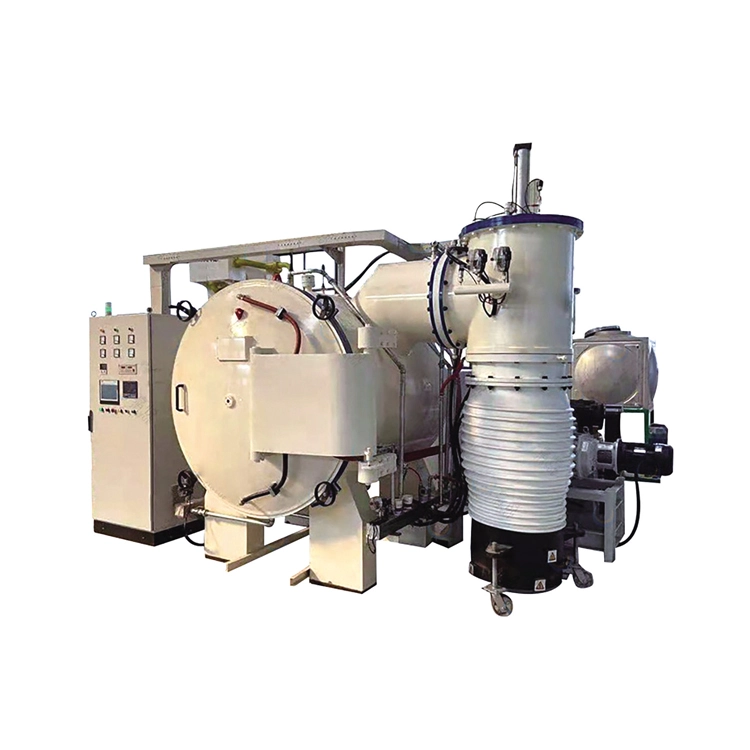

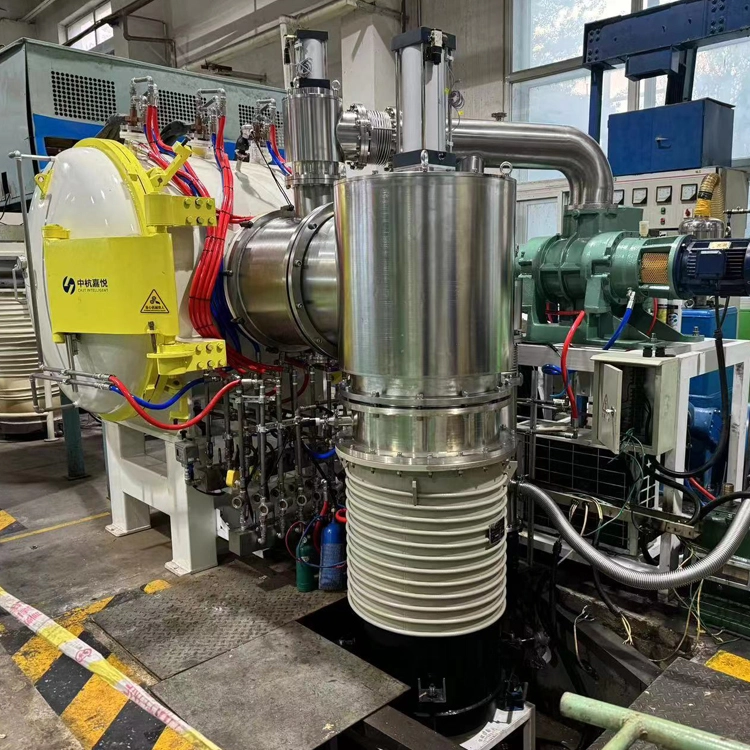
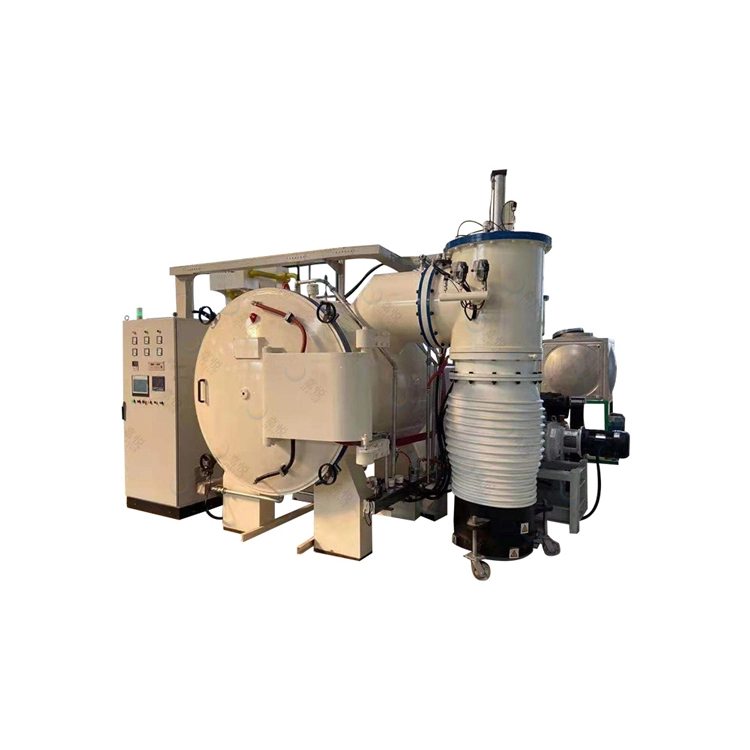
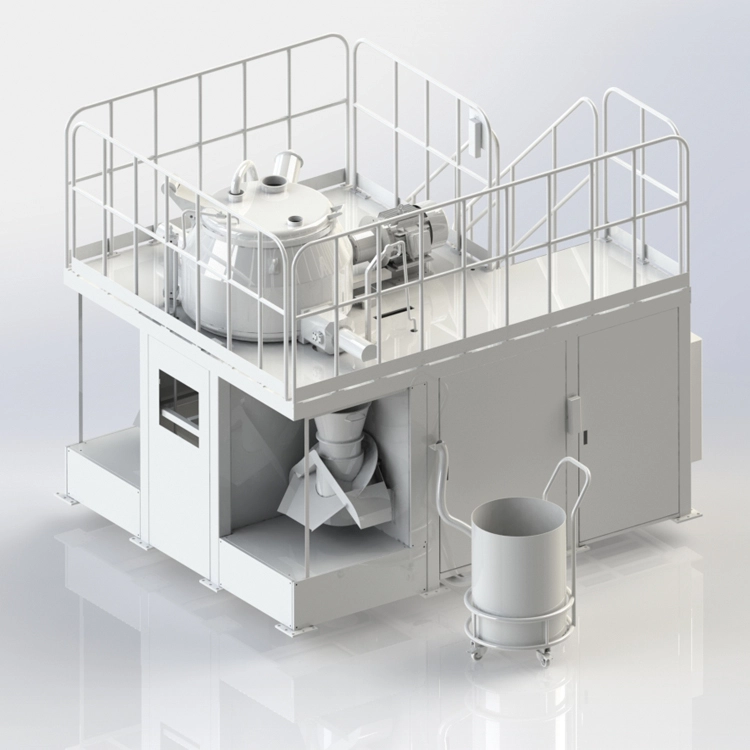
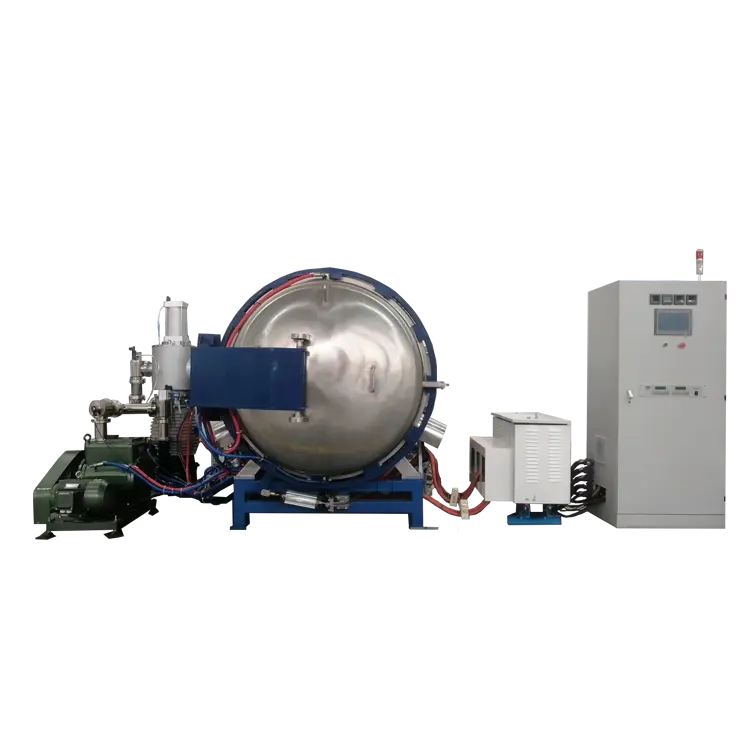


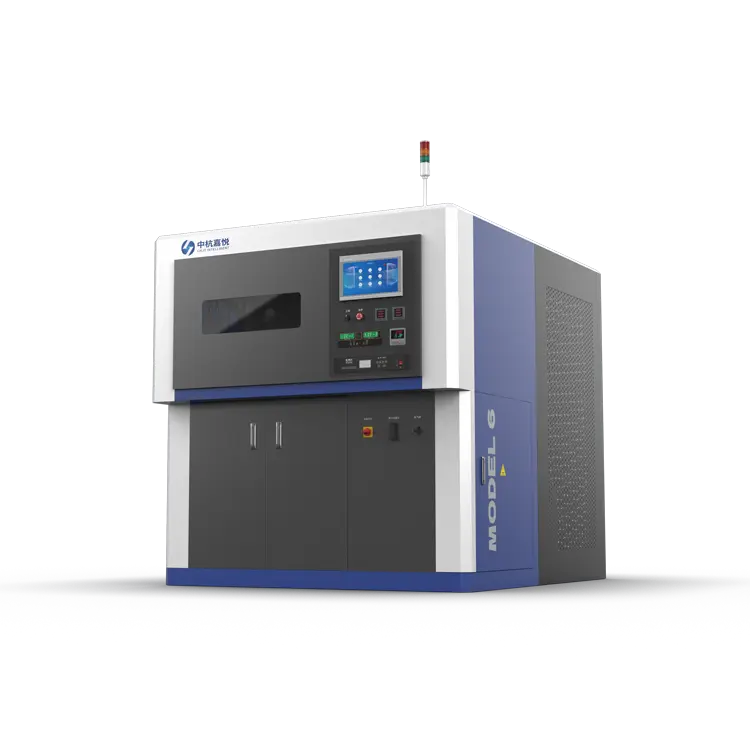
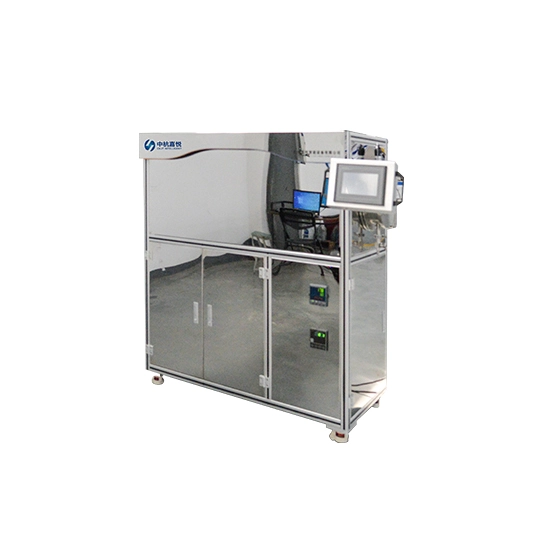







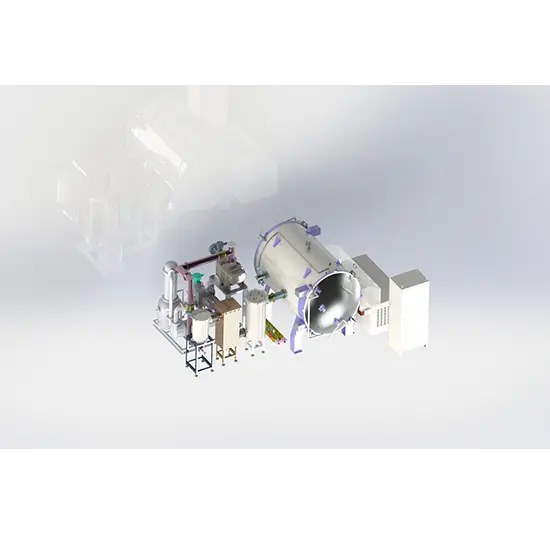
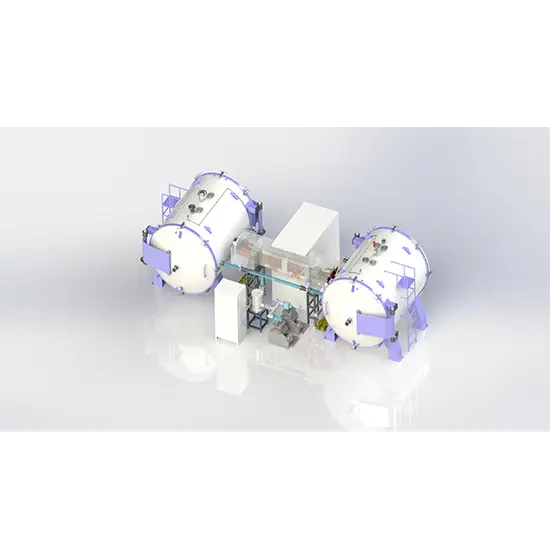
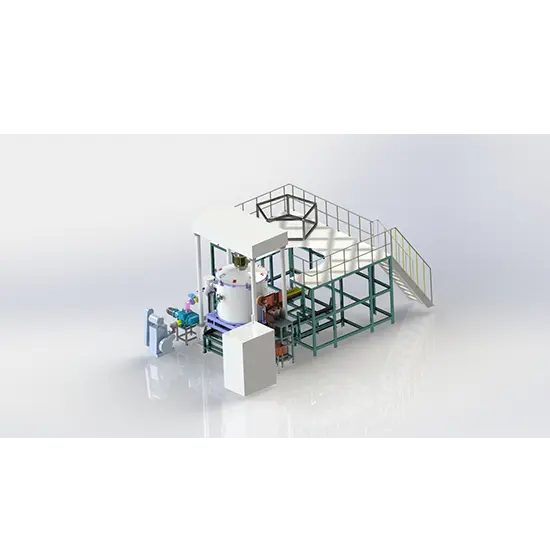

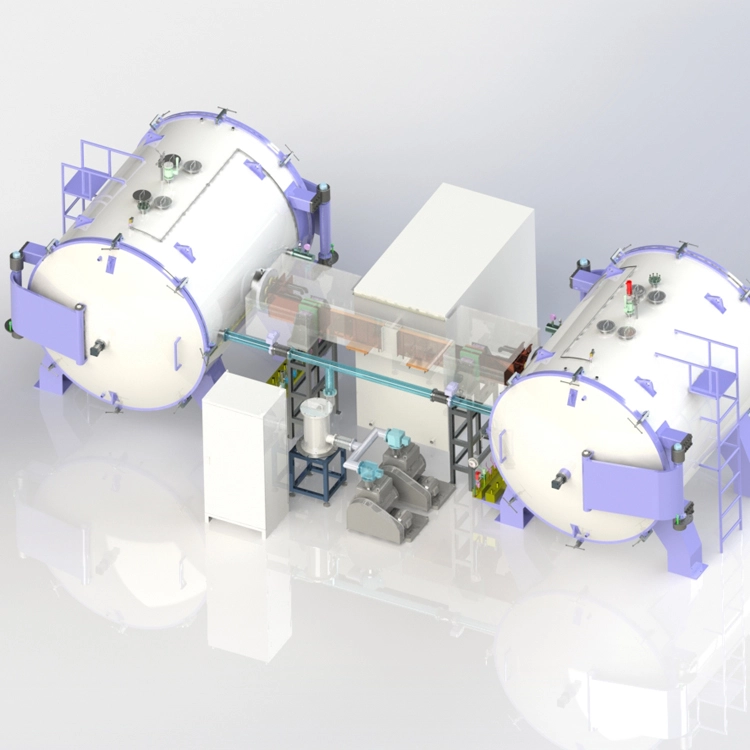
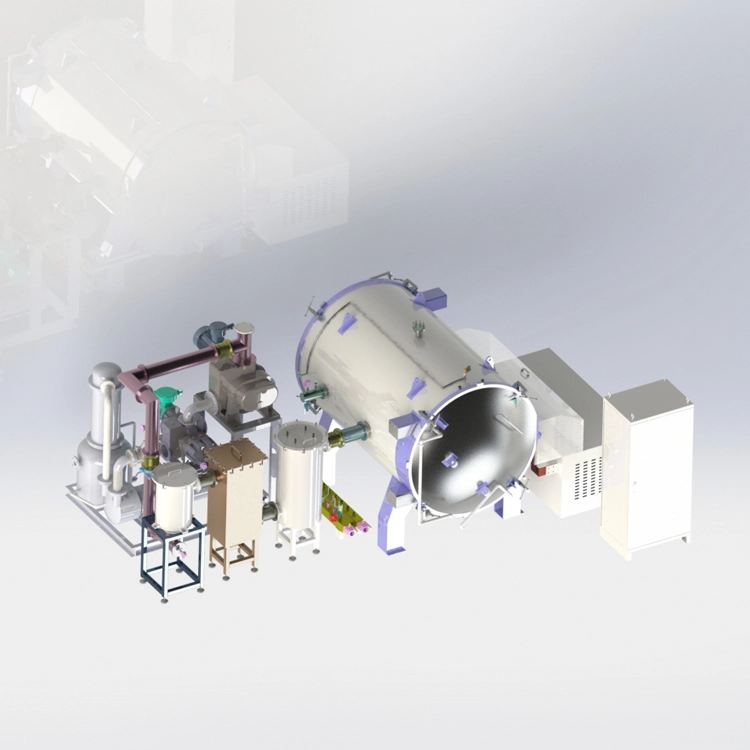
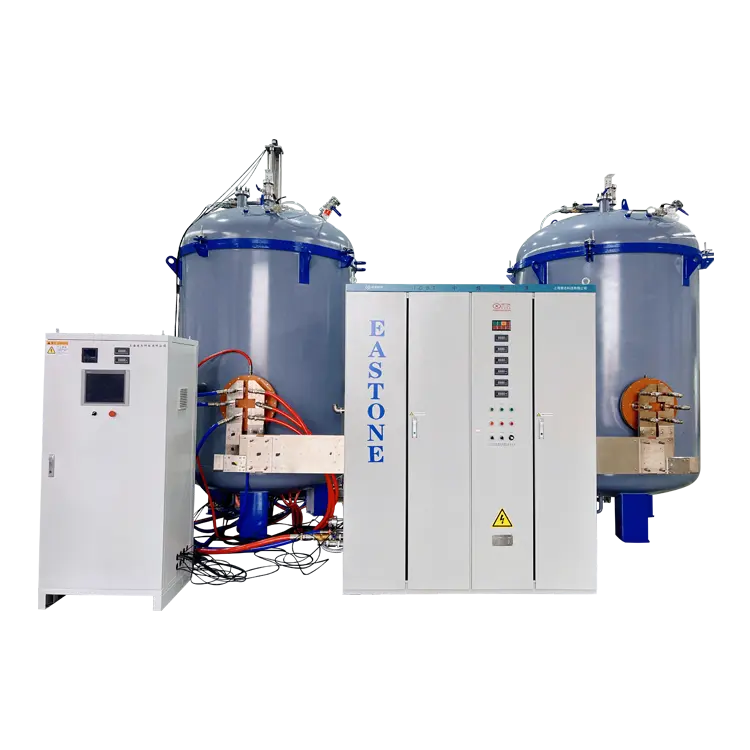



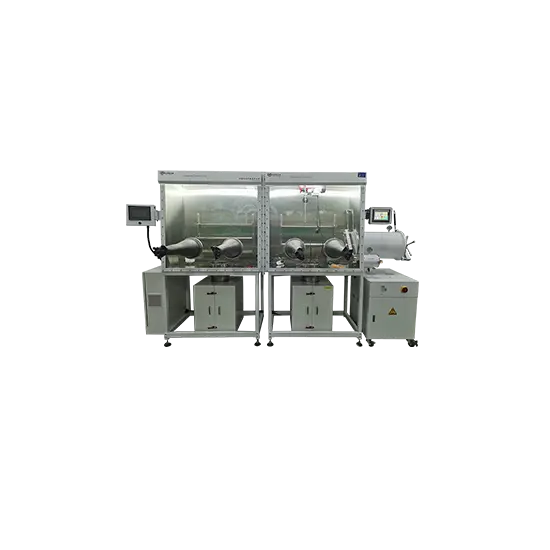
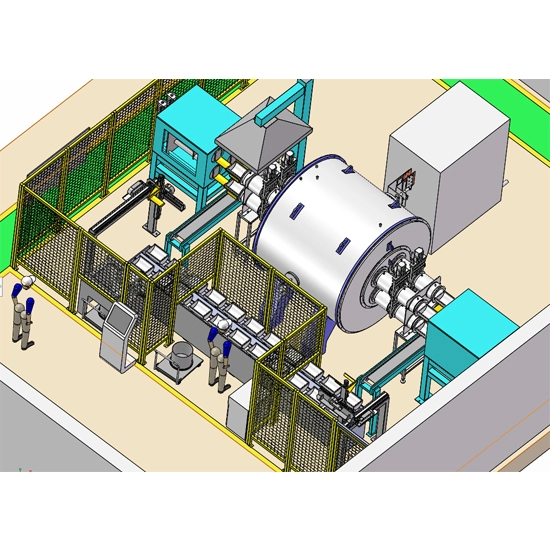
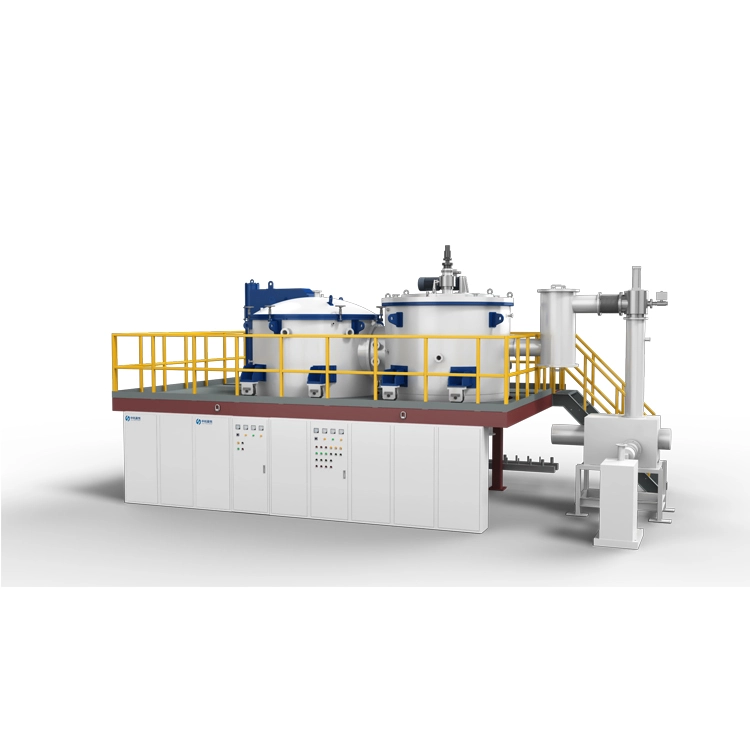
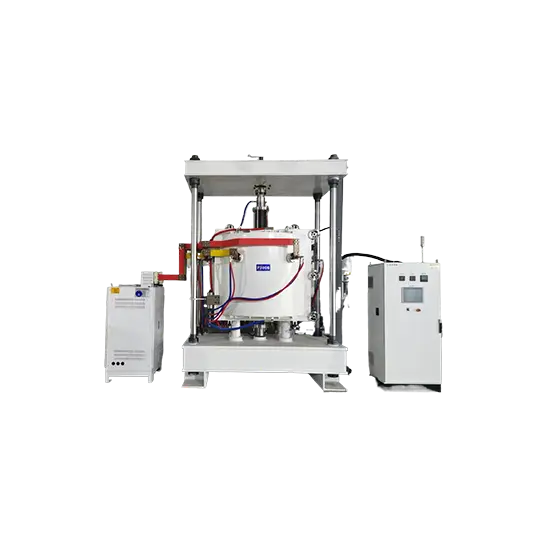
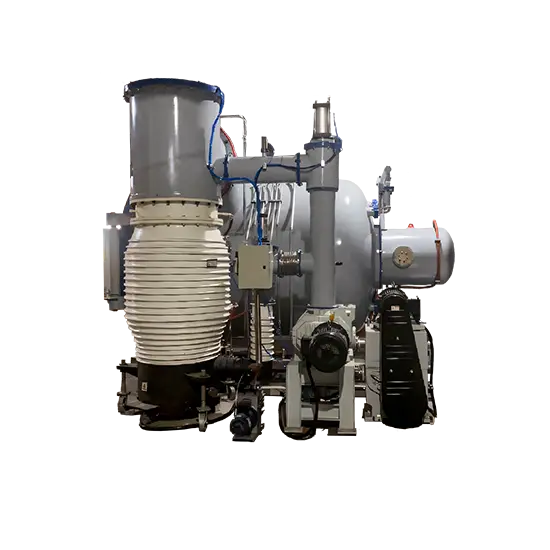
In the evolving landscape of advanced materials and metallurgy, refining processes play a vital role in ensuring the purity and performance of metals. Among these technologies, Molten Salt Electrolyte Refining has emerged as a highly effective solution for processing materials under extreme conditions. This method relies on electrolytic reactions within a molten salt medium, creating a stable environment where impurities can be effectively removed. Unlike conventional refining techniques, this process ensures higher purity levels and better control over the structural characteristics of the refined material. Enterprises such as CHJT are pushing the boundaries of this field, integrating intelligent control and high-temperature technologies to improve efficiency and consistency.
The importance of Molten Salt Electrolyte Refining lies in its ability to achieve results that traditional refining methods cannot. Its key strength is providing a stable high-temperature environment where materials remain in a molten state, ensuring thorough interaction between the electrolyte and the metal. This enables the selective removal of impurities while maintaining the integrity of the material. For industries like aerospace, nuclear energy, and advanced manufacturing, this high level of purity translates directly into enhanced safety, durability, and efficiency. CHJT integrates three-dimensional temperature field control and stress simulation to optimize this process, creating refining systems that combine stability with innovation.
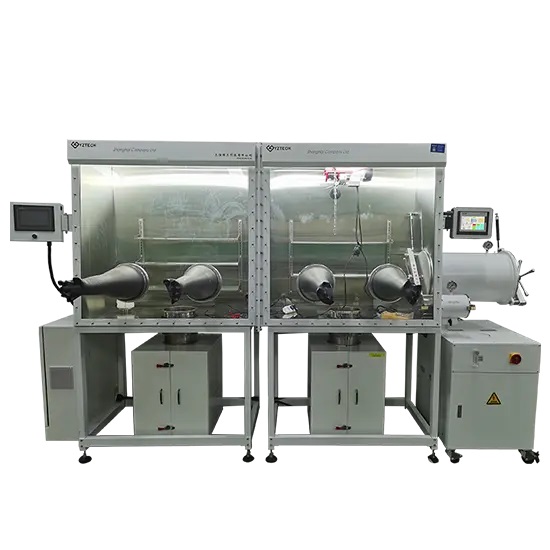
The refinement of metals and advanced materials can be approached through different technologies, yet the distinction between conventional refining and molten salt techniques is significant. The following table illustrates these differences:
Aspect | Molten Salt Electrolyte Refining | Conventional Refining Methods |
Operating Environment | High-temperature molten salt medium | Standard thermal or chemical environment |
Purity Achieved | Very high due to selective impurity removal | Moderate, often requiring multiple processes |
Energy Efficiency | More efficient through controlled electrolysis | Often energy-intensive with higher losses |
Process Control | Advanced with temperature field integration | Limited control over process conditions |
Applications | Aerospace, nuclear, advanced alloys | General metallurgy and basic material refining |
This comparison highlights why industries that demand precision and reliability are increasingly adopting Molten Salt Electrolyte Refining as their preferred method.
The evolution of refining technologies is no longer limited to basic chemical or physical processes. Modern systems integrate automation, IoT, and intelligent monitoring, enabling more precise control of temperature fields and stress simulations. The Molten Salt Electrolyte Refining systems developed by CHJT exemplify this integration by combining process and equipment design into one cohesive approach. This synergy not only improves accuracy but also extends the range of materials that can be refined, opening new possibilities for advanced industries that rely on high-performance materials.
The application of Molten Salt Electrolyte Refining is expanding rapidly across multiple sectors. In aerospace, the technique helps produce superalloys capable of withstanding extreme conditions. In nuclear energy, it ensures the reliability and safety of core components by delivering materials with exceptional purity. In the field of new materials, it provides researchers with the means to refine experimental alloys and composites for future innovations. With companies like CHJT at the forefront of these developments, the role of this refining technology is expected to grow further, shaping the standards of modern metallurgy and material science.