English
 português
 فارسی
فارسی
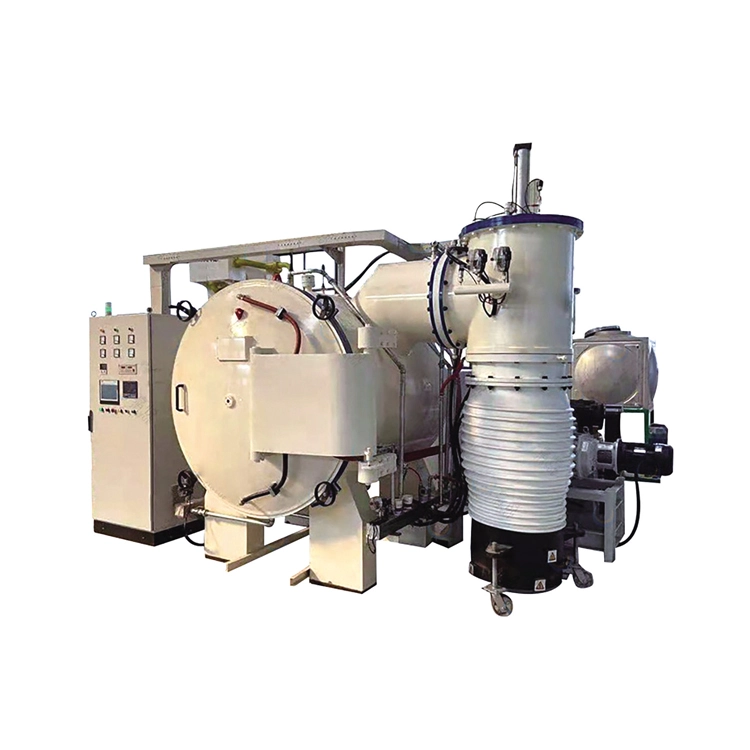
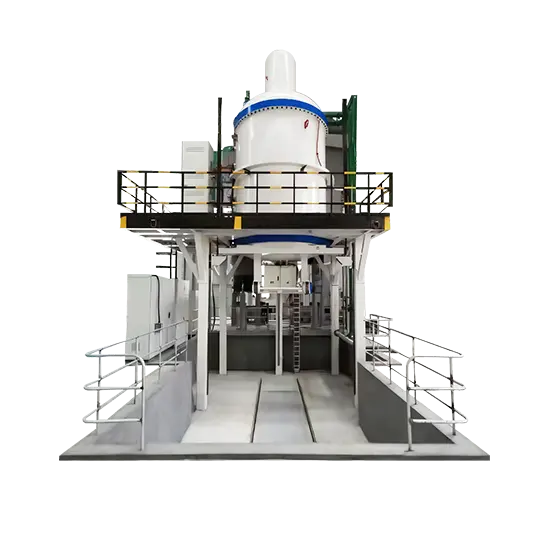
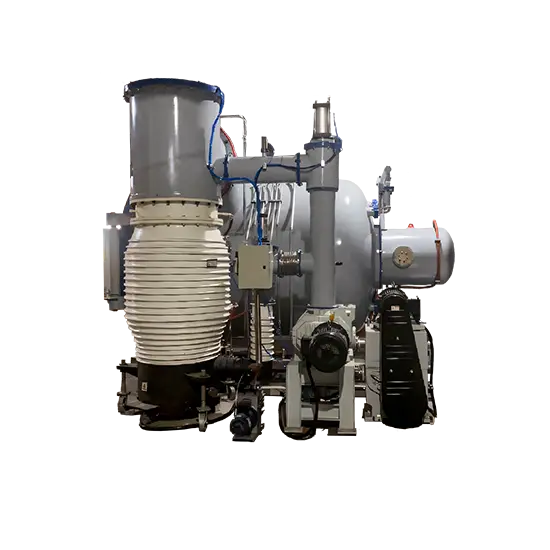
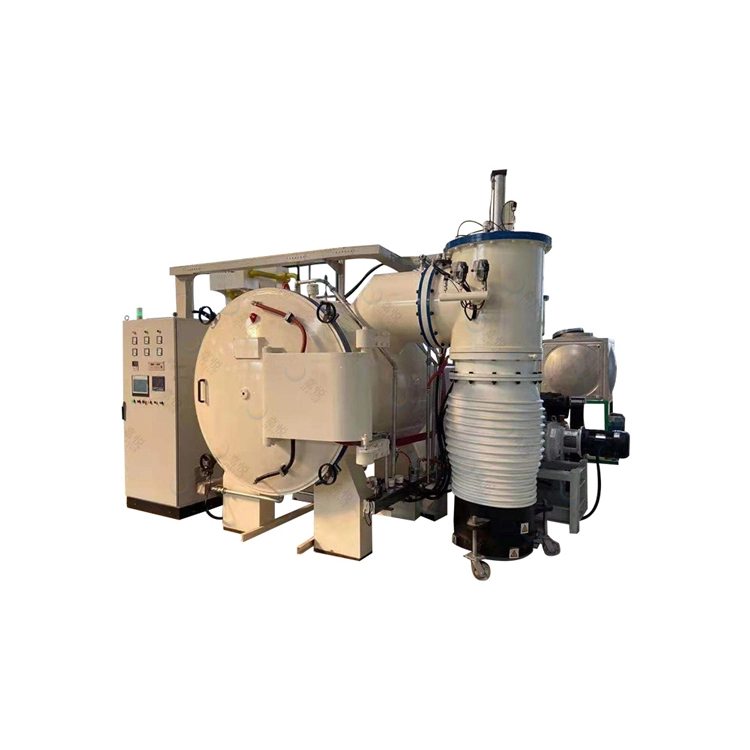
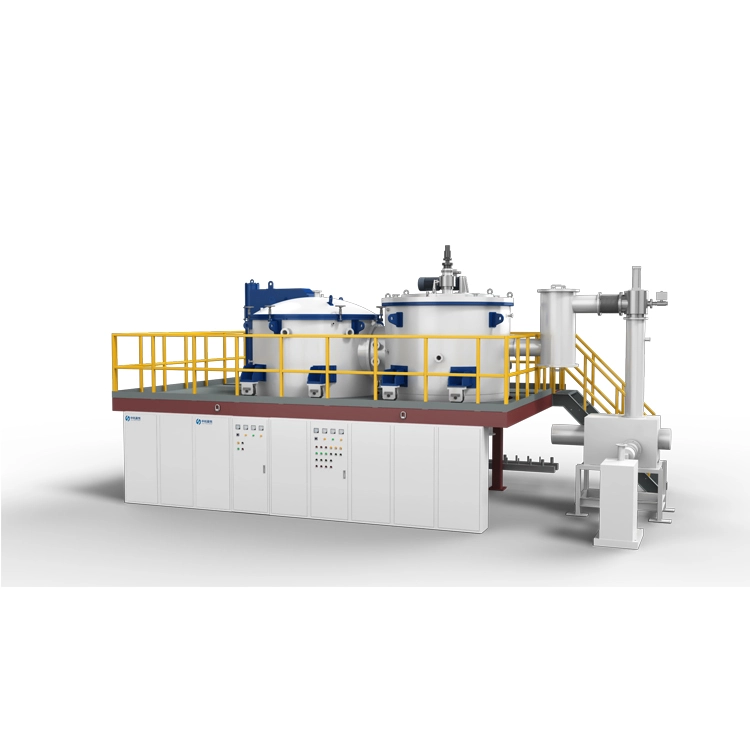
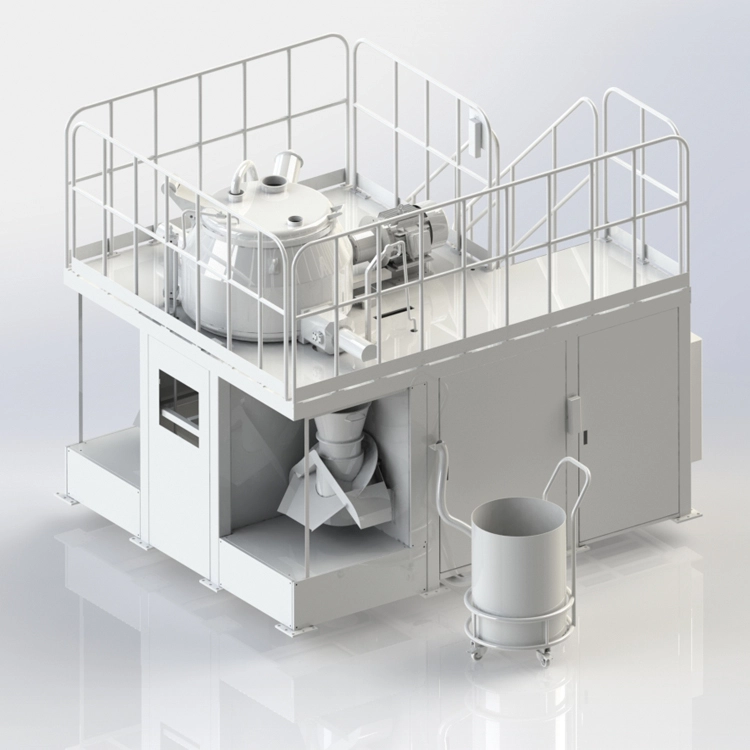
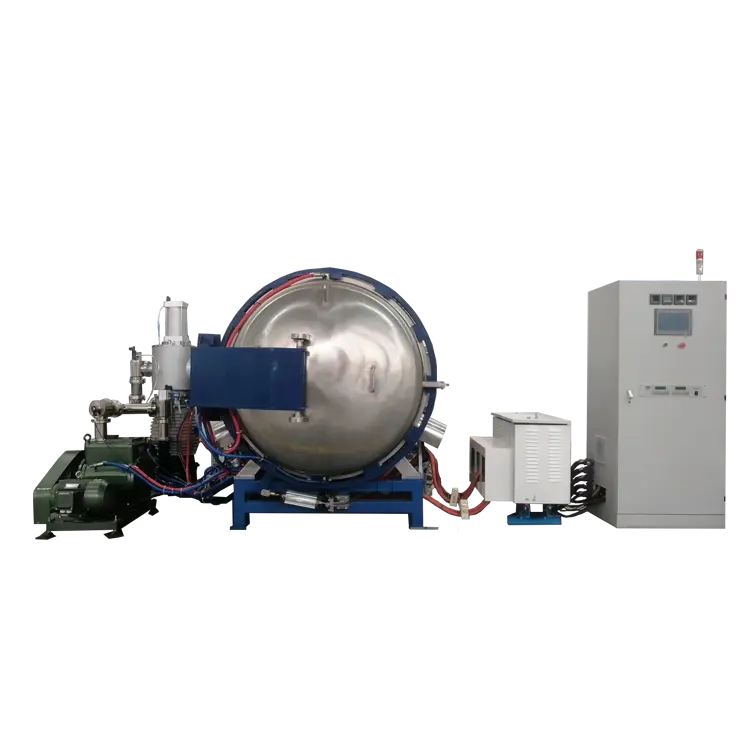
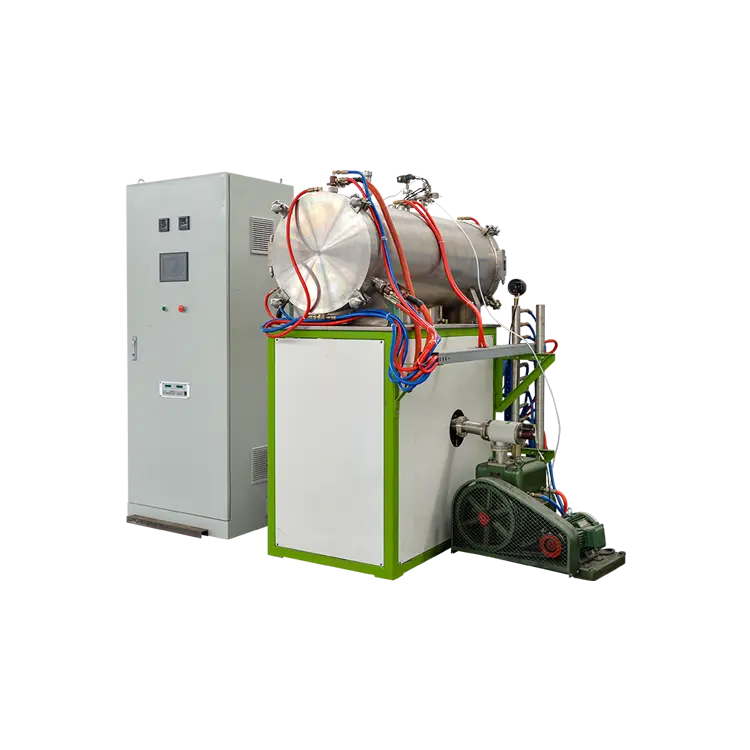
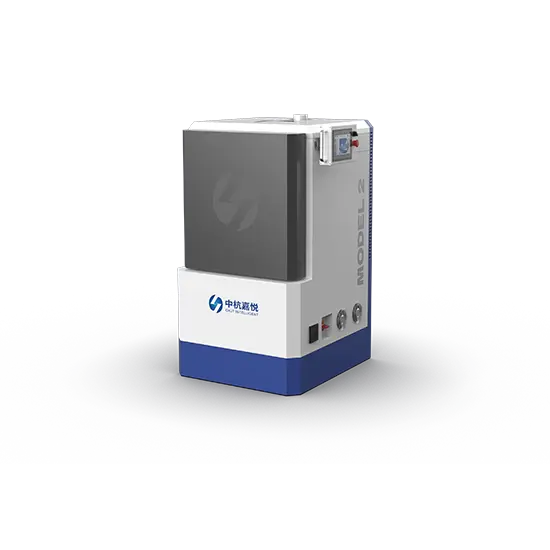
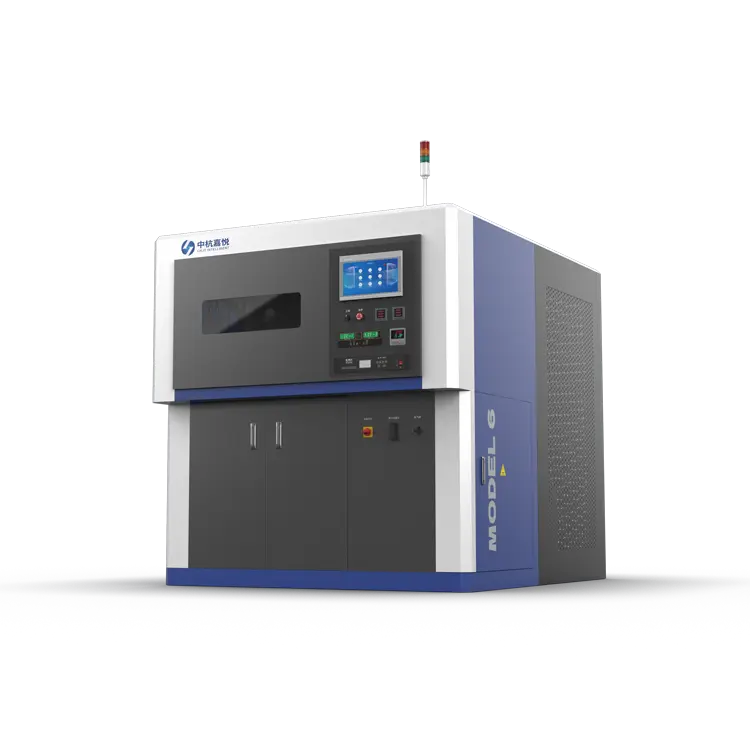
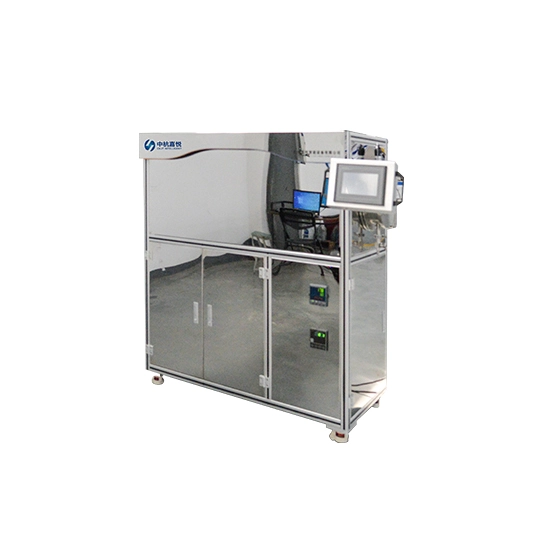
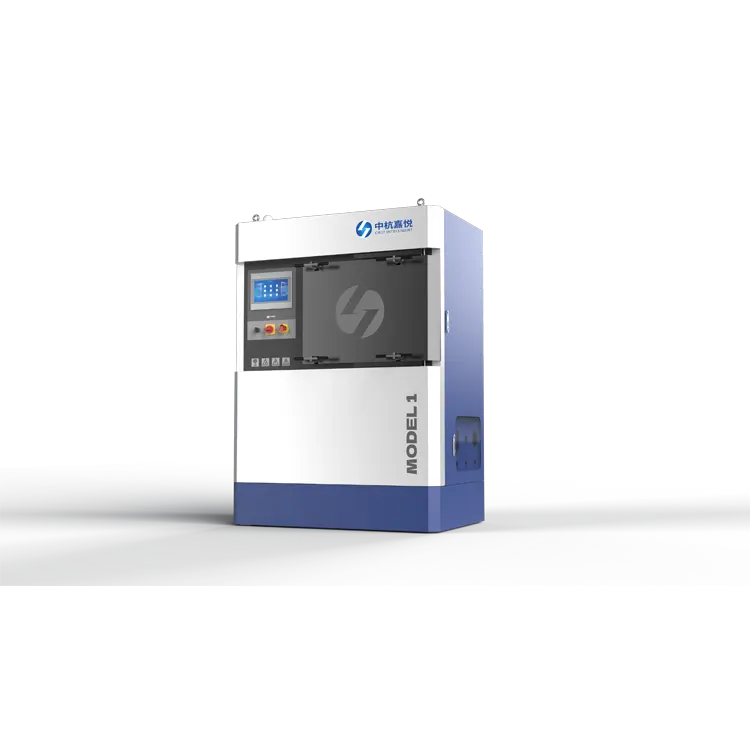
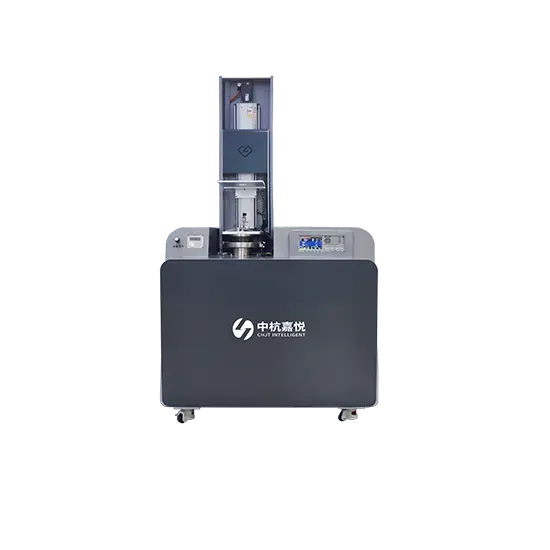
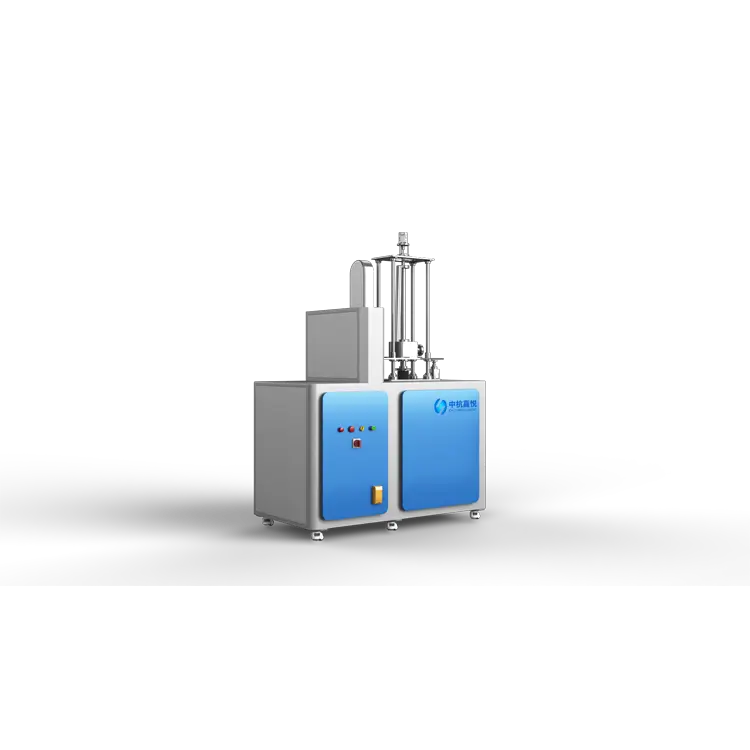
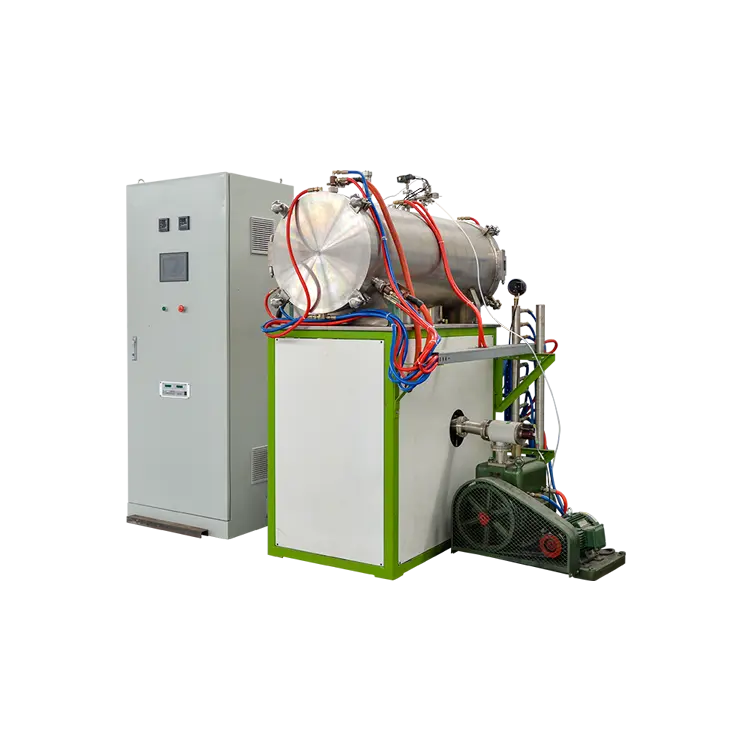
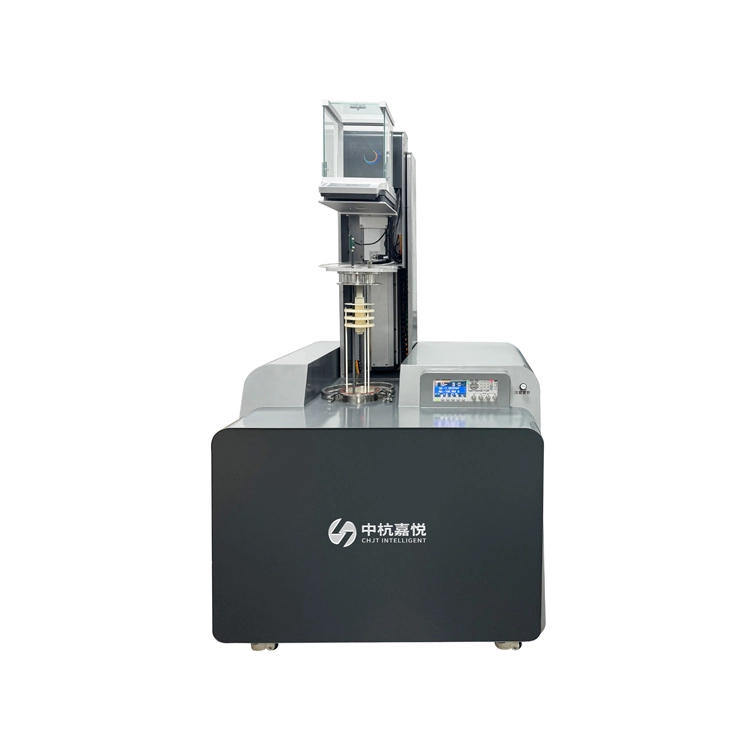
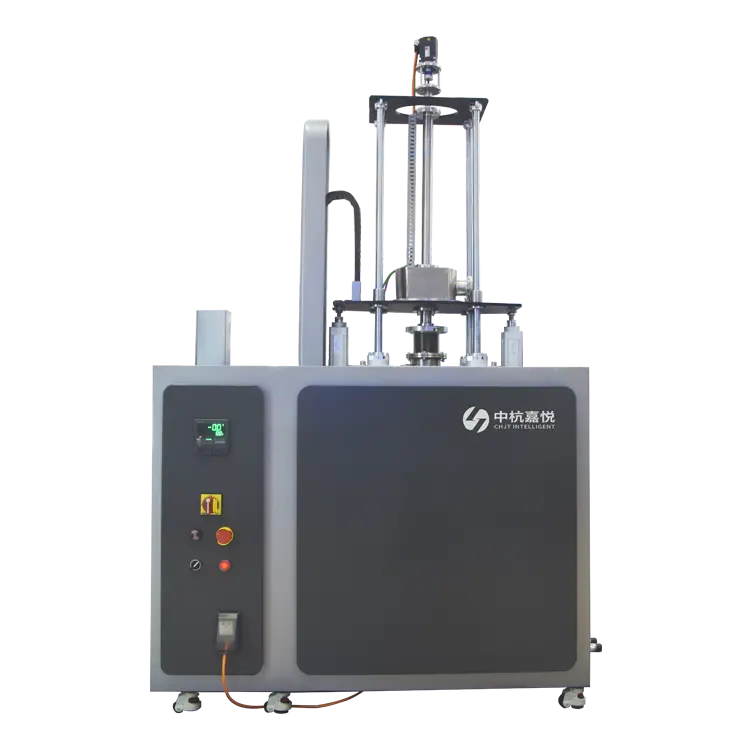
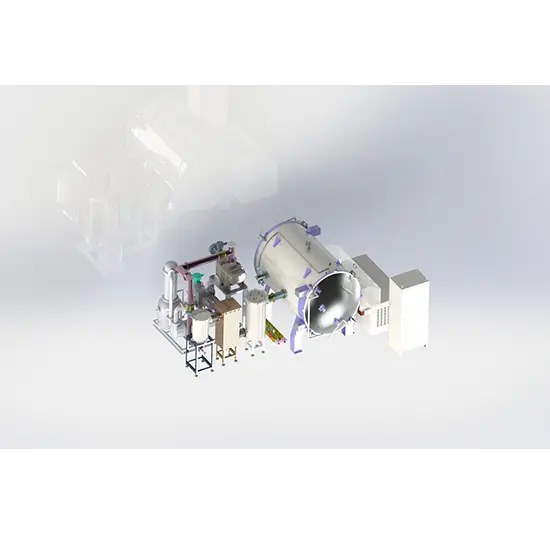
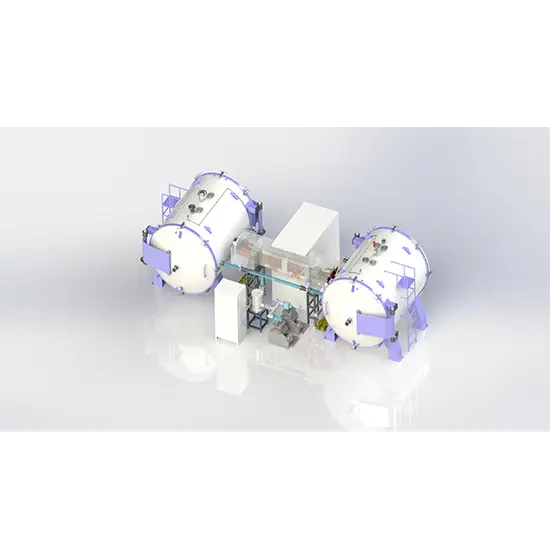
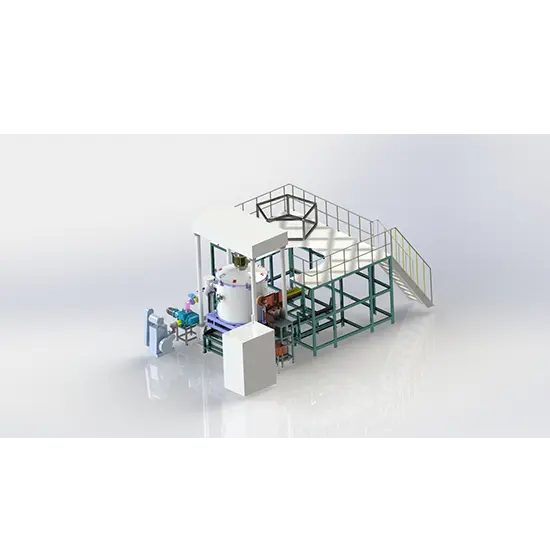
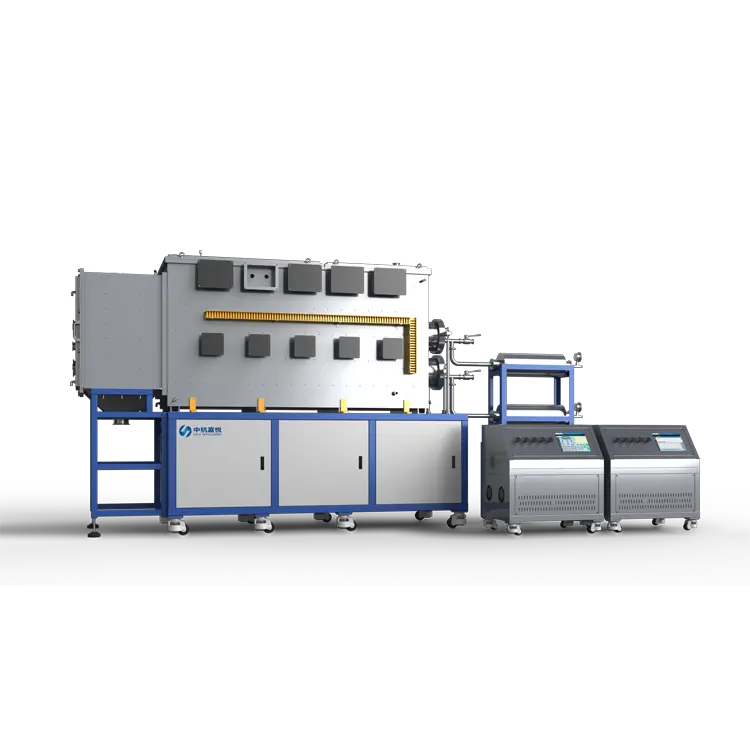
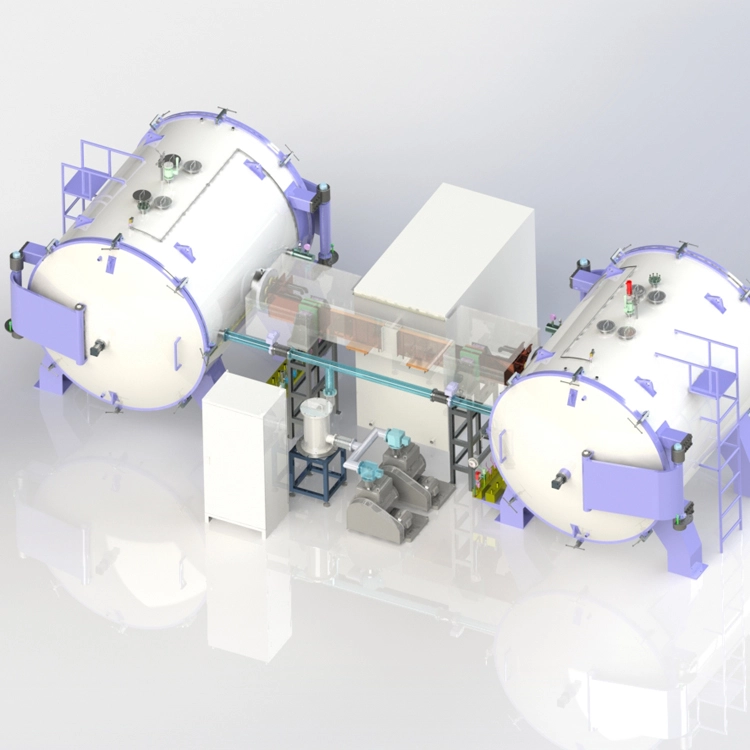
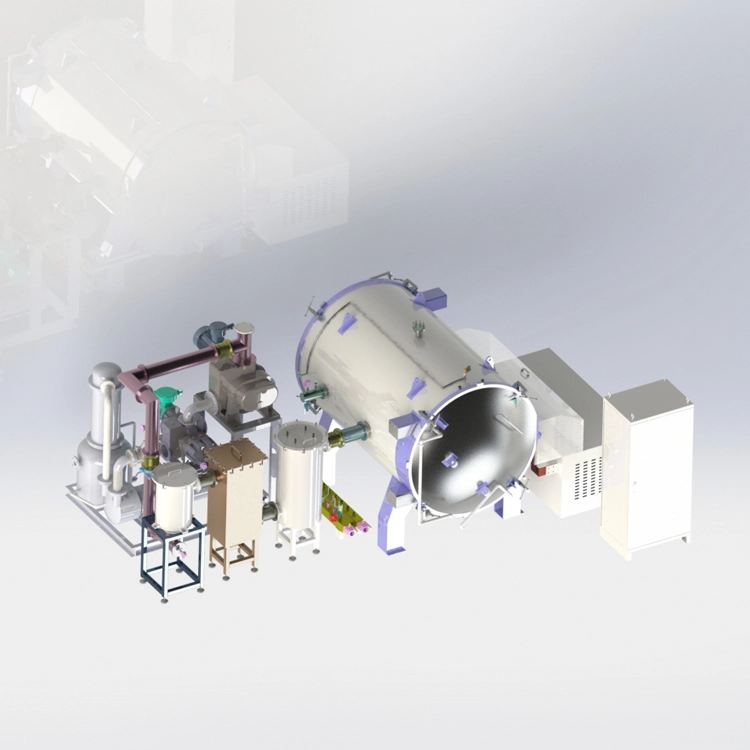
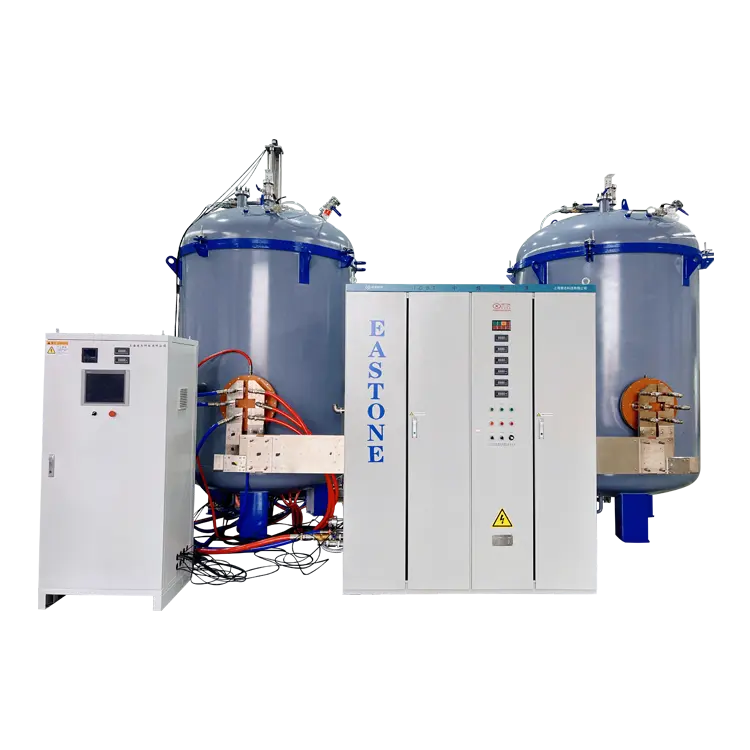
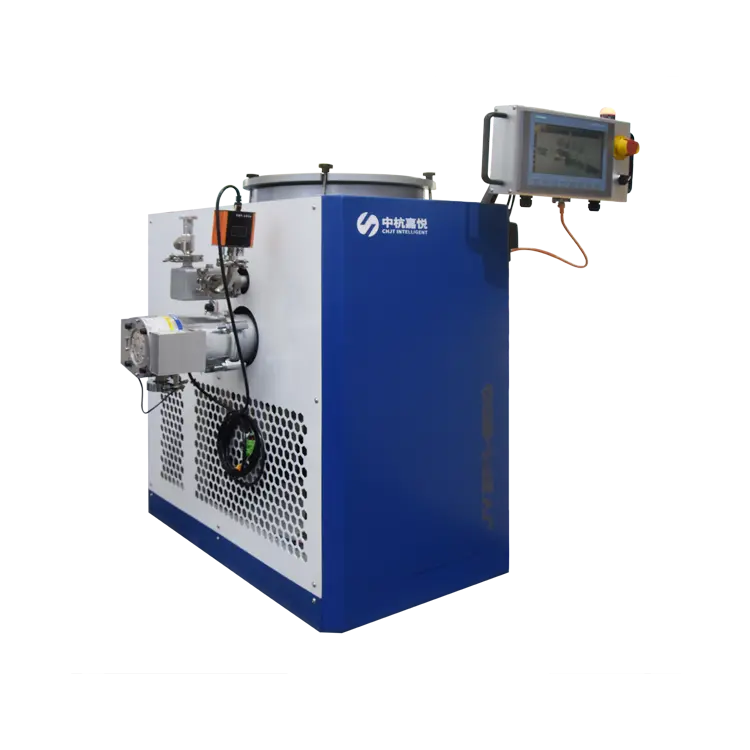
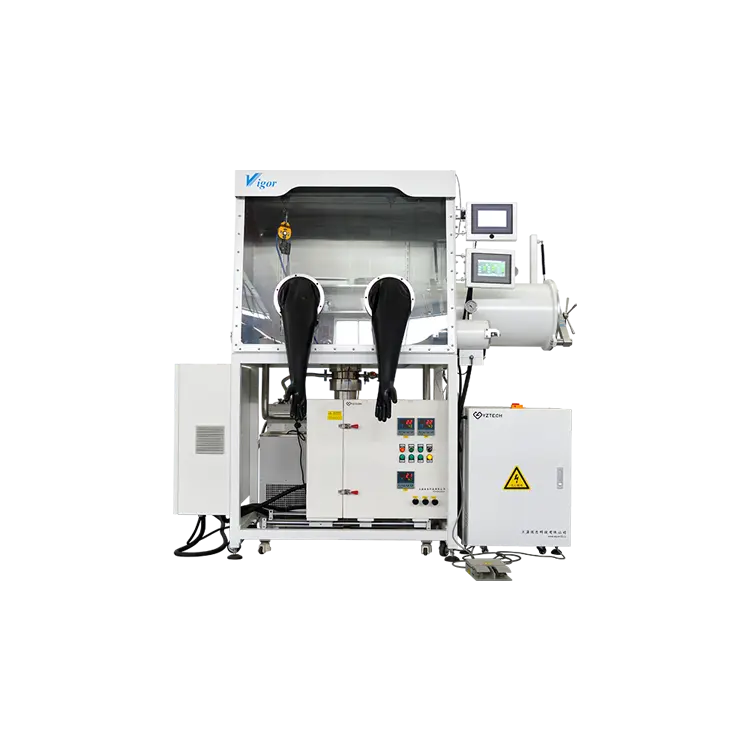
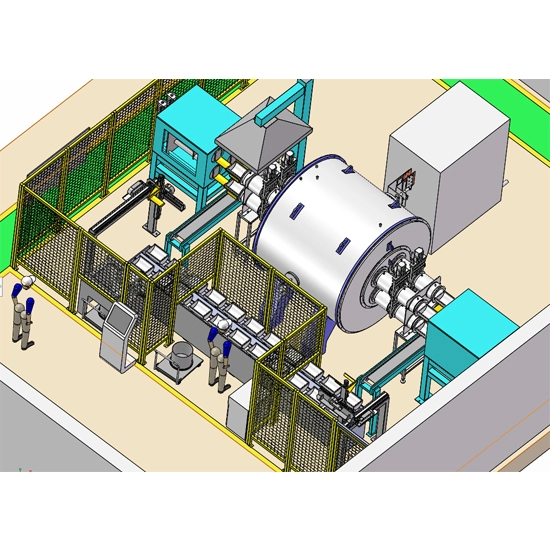
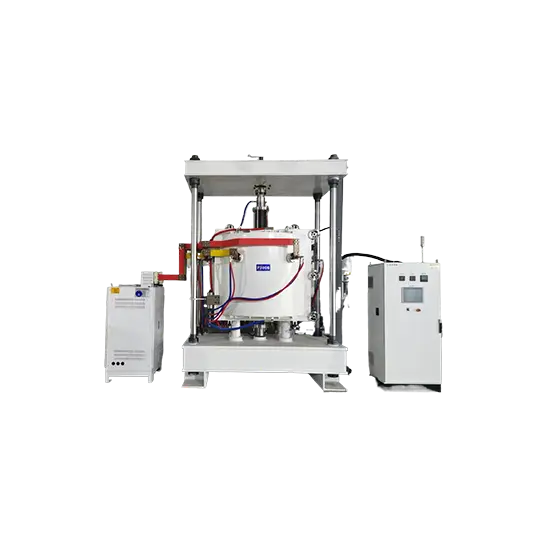
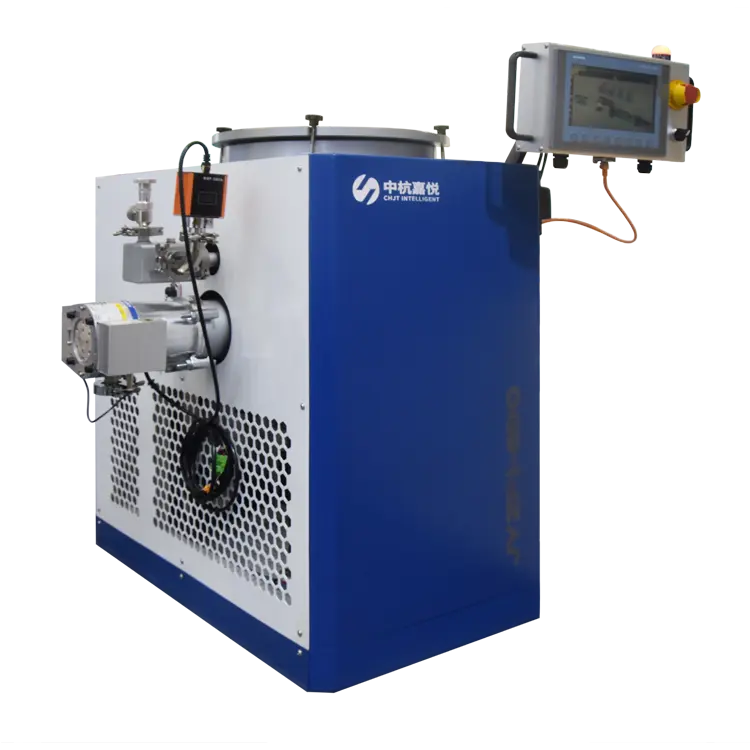
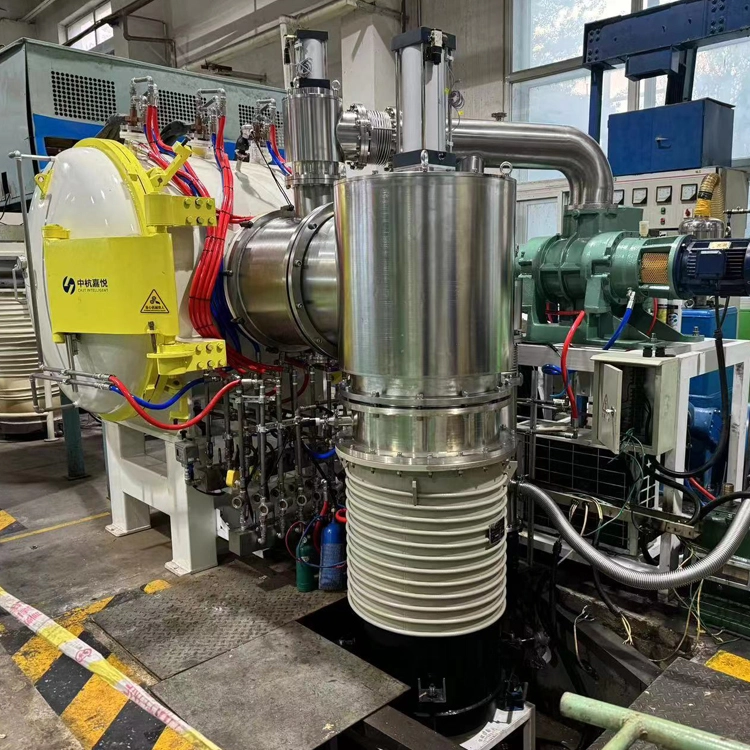
In industries where precision, efficiency, and reliability are crucial, a custom vacuum furnace plays a vital role. Unlike standard models, a tailored furnace is designed to meet specific process requirements, ensuring optimal performance for complex applications. The design of such furnaces often takes into account factors like temperature uniformity, pressure control, and integration with automation systems. Companies like CHJT are actively advancing the capabilities of these furnaces, combining high-temperature vacuum technology with intelligent monitoring and IoT solutions. More importantly, CHJT has demonstrated strong practical capabilities in customized solutions, supported by a complete platform that integrates simulation, precision inspection, and smart manufacturing.
When investing in a custom vacuum furnace, it is important first to assess the material properties and processing needs. Different alloys, composites, and ceramics demand different heating and cooling conditions. For example, aerospace alloys may require extremely precise temperature control to ensure structural integrity, while advanced ceramics might demand a furnace that can withstand prolonged exposure to ultra-high temperatures. The team at CHJT emphasizes the integration of three-dimensional temperature field control, which ensures consistent heat distribution across the entire chamber. Complementing this, CHJT is equipped with high-precision coordinate measuring machines (CMMs) and ICP-OES spectrometers, ensuring that every stage of product design and verification meets stringent quality requirements. This comprehensive approach differentiates CHJT's furnaces from generic alternatives.
The differences between a custom vacuum furnace and a standard off-the-shelf furnace are significant, and these differences often determine the long-term success of industrial processes. The table below highlights some of the key aspects:
Aspect | Custom Vacuum Furnace | Standard Furnace |
Design Flexibility | Tailored to specific process requirements | Limited to pre-set designs |
Temperature Uniformity | Advanced controls ensure precise consistency | May experience uneven heating |
Integration Capabilities | Compatible with automation and IoT systems | Basic integration options |
Material Adaptability | Suitable for specialized alloys and ceramics | General-purpose, less adaptable |
Long-Term Value | Higher initial cost but optimized for efficiency | Lower upfront cost, potential for higher losses |
This comparison shows why industries with strict performance standards often rely on customized solutions rather than generic options.

Modern custom vacuum furnaces are no longer just about temperature and pressure; they are about intelligence and adaptability. Advanced systems can monitor and adjust parameters in real-time, ensuring stability even in the most demanding environments. For instance, CHJT incorporates stress simulation with Ansys software, as well as advanced automation technologies, helping manufacturers maintain consistent output while reducing energy waste. Intelligent control also provides data for analysis, enabling predictive maintenance and reducing downtime. This ensures not only higher productivity but also safer operation.
A critical factor when choosing a custom vacuum furnace is the long-term reliability and ease of maintenance. Since these furnaces are built for demanding operations, they must be designed to handle repeated cycles without compromising performance. High-quality systems reduce the risk of thermal stress damage, extend the lifespan of components, and minimize costly repairs. Companies like CHJT focus on integrating durability with functionality, ensuring their furnaces remain effective over years of operation.
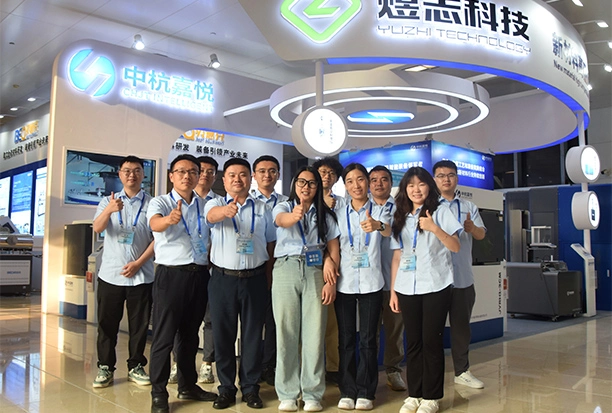
Ultimately, what CHJT has built is not just a single training, nor a collection of equipment, but a holistic capability platform that covers "Design – Verification – Manufacturing." Supported by Ansys simulations, precision inspection tools, and intelligent manufacturing processes, CHJT provides customers with non-standard customization + intelligent delivery as a complete solution. This ensures true end-to-end support from theory to practice, and from design to manufacturing, enabling clients to achieve reliable, efficient, and innovative results.