English
 português
 فارسی
فارسی
As the “super graphene” of the carbon materials family, Single-Walled Carbon Nanotubes (SWCNTs) possess exceptional electrical, mechanical, and thermal properties. They are widely used in battery conductive additives, composite materials, flexible electronics, and optoelectronic devices, and have long been regarded as a disruptive material.
However, for over two decades, their development was constrained by high production costs, poor chirality control, and limited purity, keeping most applications confined to the laboratory stage. In recent years, several companies have established ton-scale production lines, gradually entering the supply chain of battery manufacturers. The global SWCNT industry is now transitioning from “lab-scale achievements” to “industrial-scale applications”, with enormous market potential but lacking in quality consistency and standardization systems.


The year 2025 marks a critical turning point. Studies show that minor quality fluctuations in SWCNTs have a limited impact on the performance of some downstream products, suggesting that specific applications could tolerate broader quality ranges—significantly reducing production costs. Meanwhile, surging demand from solid-state batteries, sodium-ion batteries, and advanced semiconductors is driving a new wave of large-scale commercialization.
Capacity Expansion: The global market is currently dominated by a few major producers. To relieve supply pressure, domestic manufacturers are expanding aggressively, upgrading equipment, and increasing R&D efforts.
Shipment Growth: In early 2025, leading domestic suppliers shipped over 1,000 tons of SWCNT slurry, with annual output expected to surpass 3,000 tons, and projections indicating 10,000 tons by 2026.
Capital Influx: Cross-industry investors are entering the field through acquisitions, signaling high confidence in the sector’s growth prospects.
Originally used in niche research and specialty materials, SWCNTs are now entering mass-market applications as the new energy and semiconductor sectors accelerate.
Solid-State Batteries:
SWCNT slurry has become a mainstream conductive additive. In solid-state cathodes, the required loading is 3–5 times higher than in traditional liquid systems. In silicon-carbon and lithium-metal anodes, SWCNTs are an essential material—maintaining structural integrity and electronic conductivity during cycling. As solid-state battery manufacturing scales up, single-walled carbon nanotube furnace demand is expected to multiply rapidly. Traditional carbon black and multi-walled nanotubes can no longer meet the requirements of high energy density and fast charging, while SWCNTs have already been validated in high-nickel ternary and silicon-based anodes. Analysts project that within five years, SWCNTs will dominate the conductive additive market, with market value exceeding RMB 10 billion.
Sodium-Ion Batteries:
SWCNTs exhibit even greater potential. Their loading in sodium-ion batteries can be 8–10 times higher than in lithium-ion systems, implying massive elasticity once large-scale commercialization begins.
Semiconductors & High-End Electronics:
SWCNT transistors have demonstrated performance beyond silicon’s physical limits, achieving sub-nanometer nodes and positioning SWCNTs as a key enabler for the post-Moore era. Thus, SWCNTs are not only a cornerstone for the energy revolution but also a strategic material for the future of information technology.
SWCNTs are typically synthesized via Arc Discharge, Laser Ablation, or Chemical Vapor Deposition (CVD). Among them, CVD and Arc Discharge are the most widely adopted. Although the arc method yields highly crystalline tubes, it offers poor structural control and limited scalability. In contrast, CVD provides better temperature control, tunable parameters, and scalability, making it the preferred route for industrial production.
CVD methods are further divided into substrate-based, supported catalyst, and floating catalyst systems. The floating catalyst CVD process is considered the most viable for large-scale, low-cost production due to its simpler design and continuous operation.
However, industrial-scale implementation faces three major technical challenges:
Temperature field control: ensuring stable growth conditions while managing catalyst decomposition and rapid cooling.
Flow field design: achieving turbulent gas mixing for efficient precursor utilization.
Continuous collection: maintaining an airtight, stable operation for uninterrupted production.
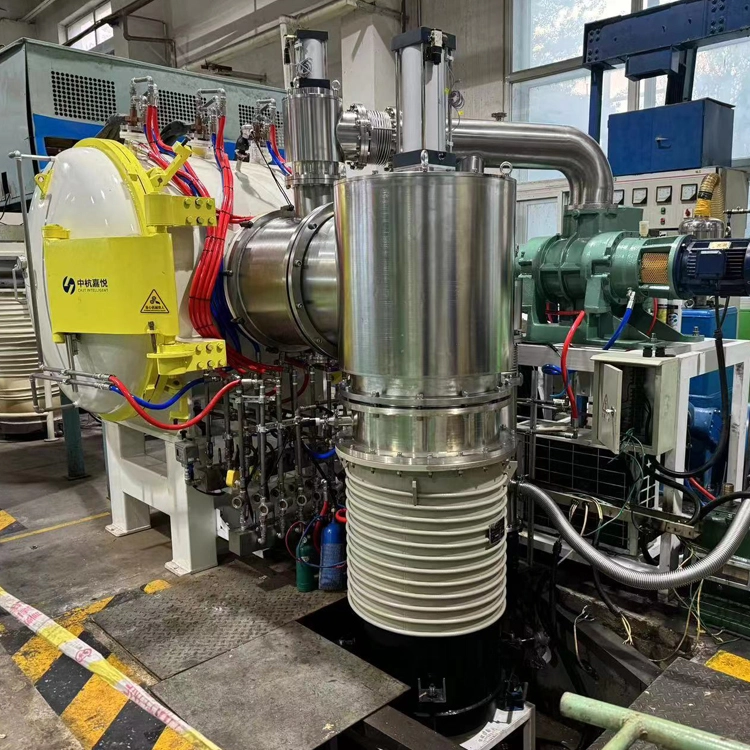
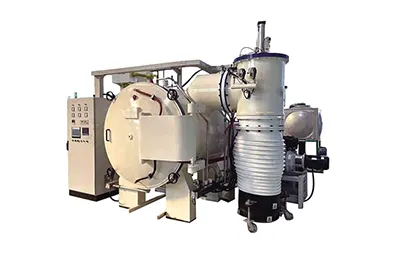
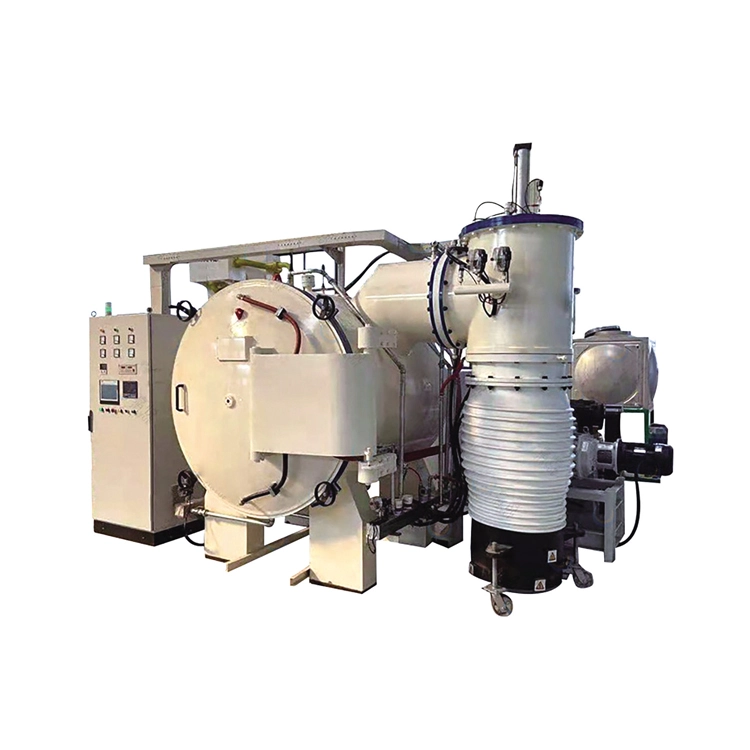
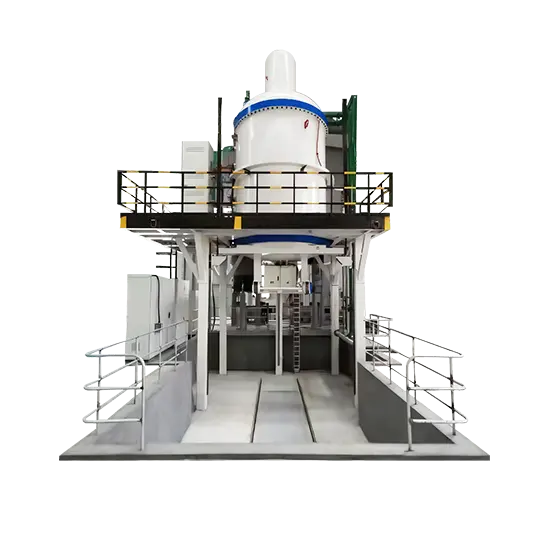
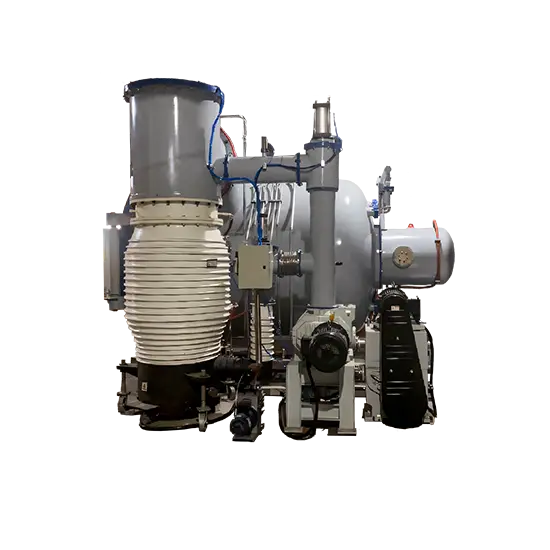
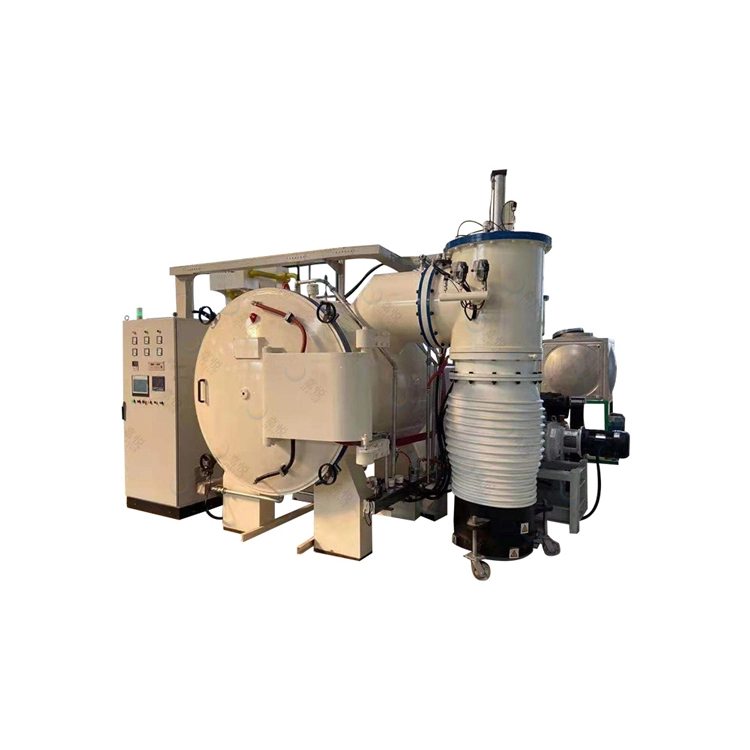
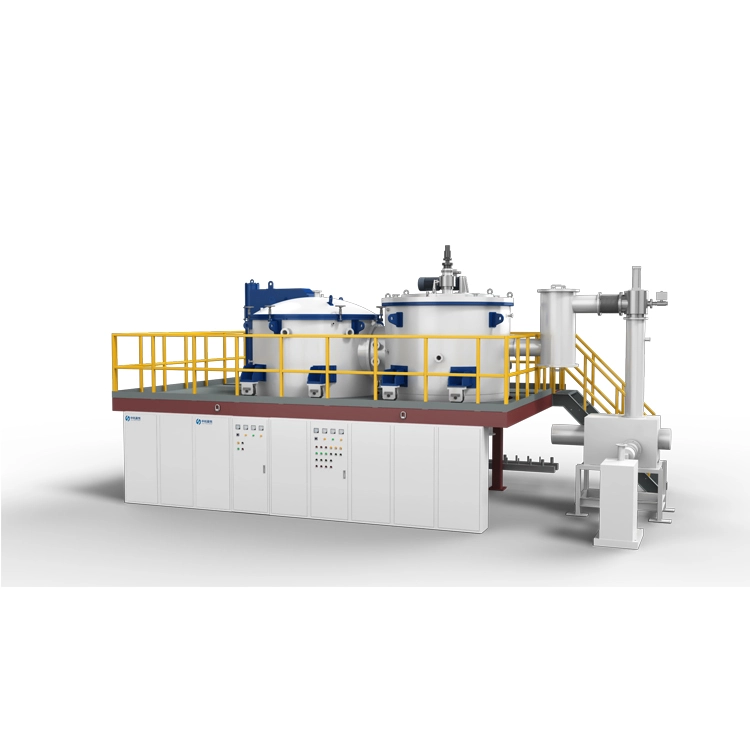
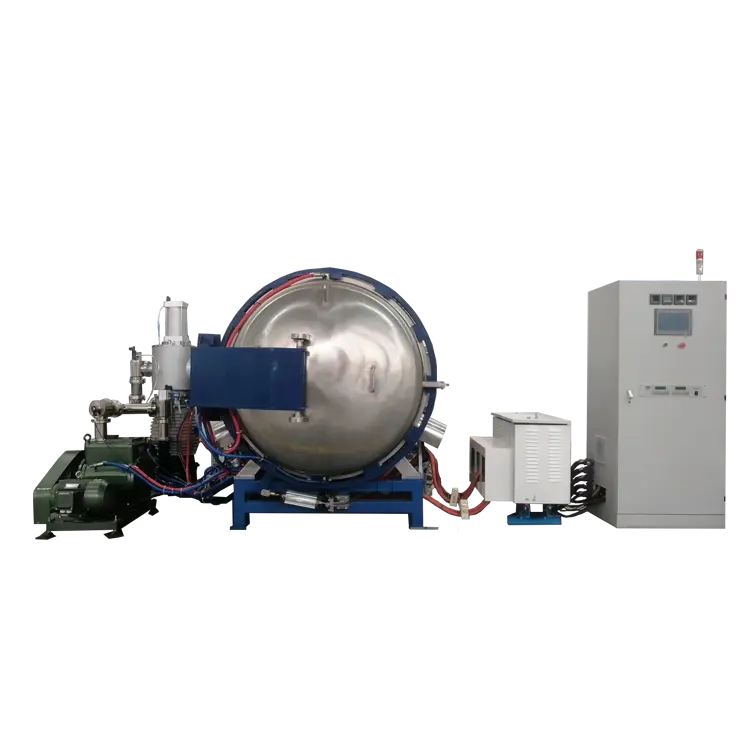
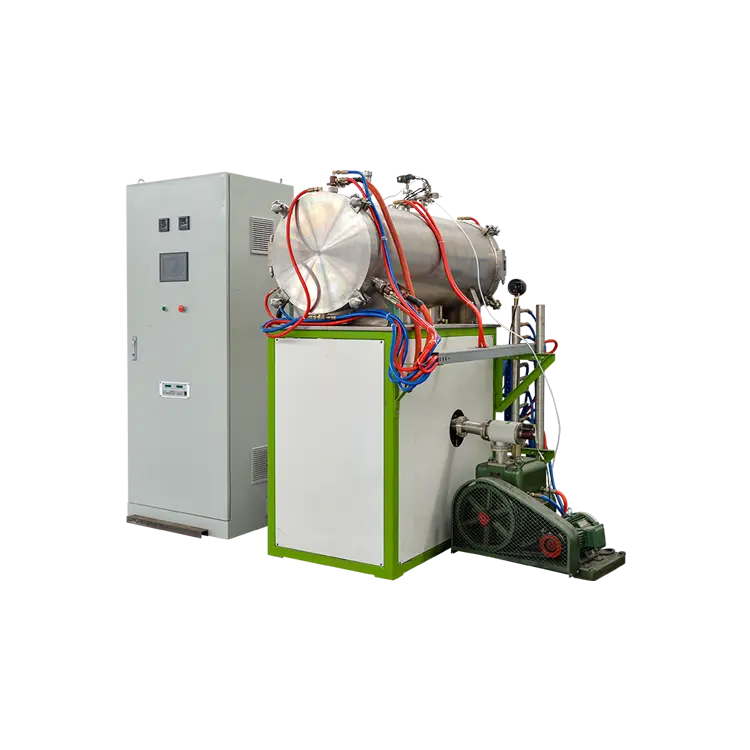
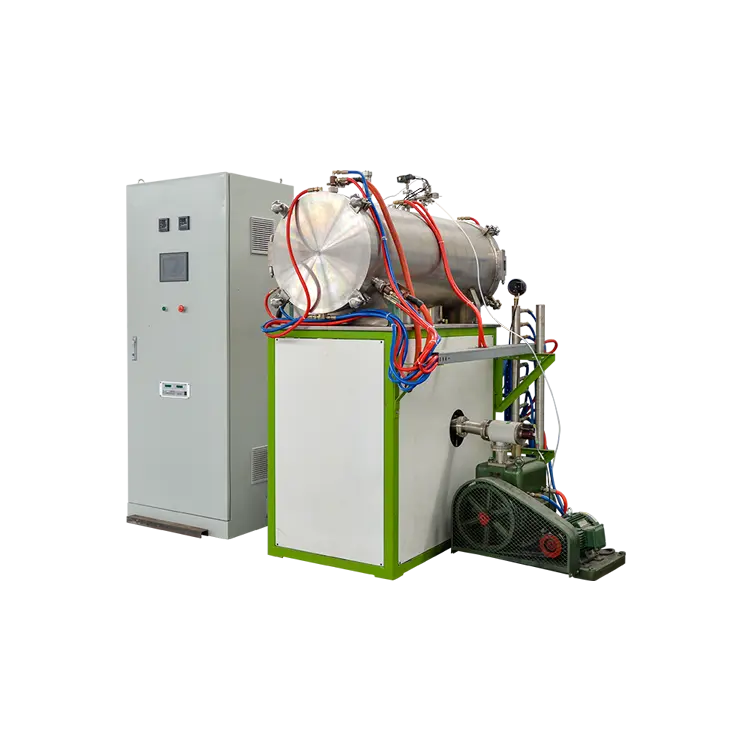
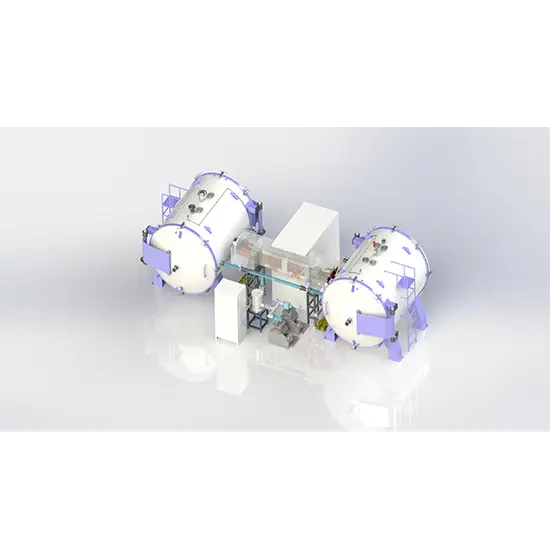
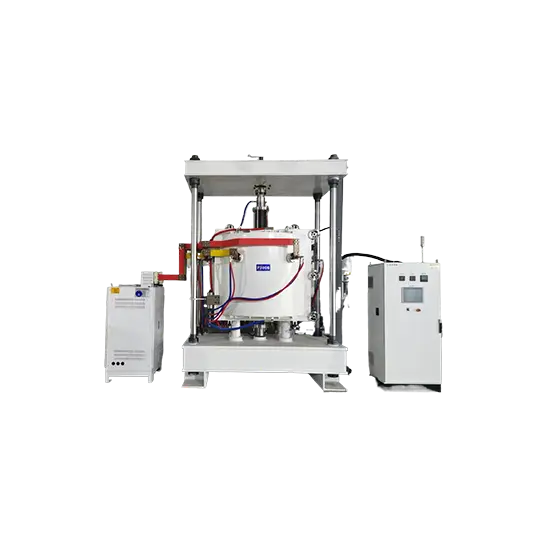
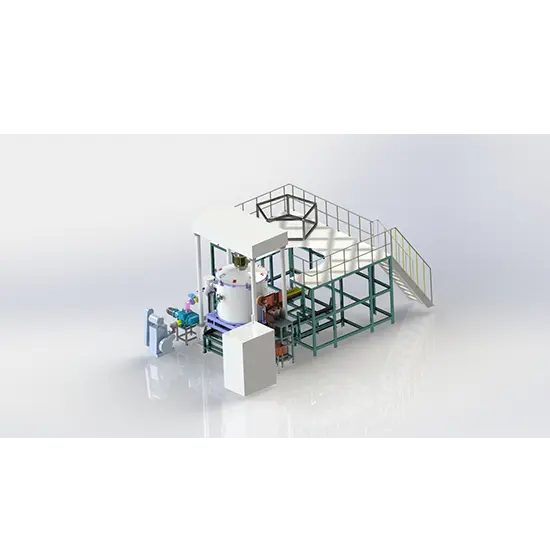
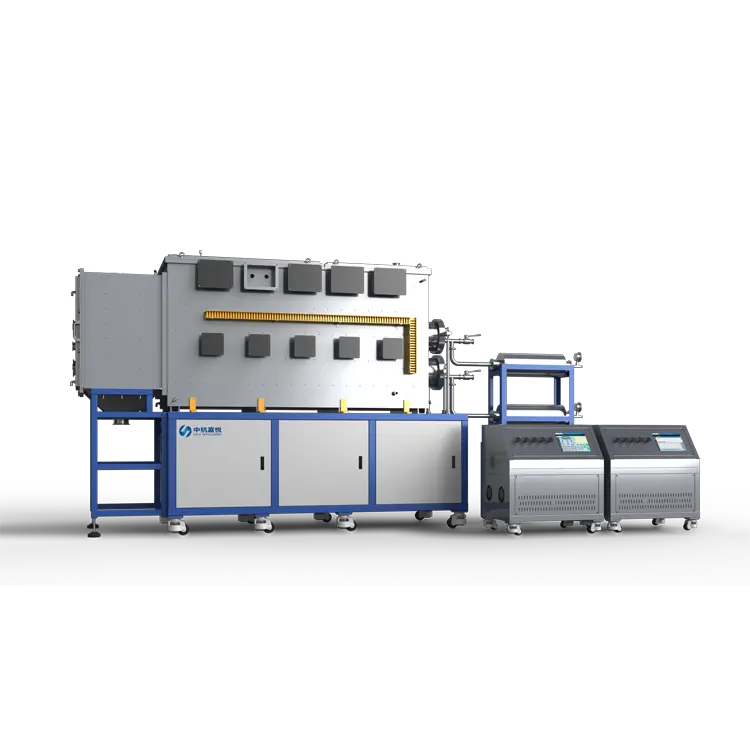
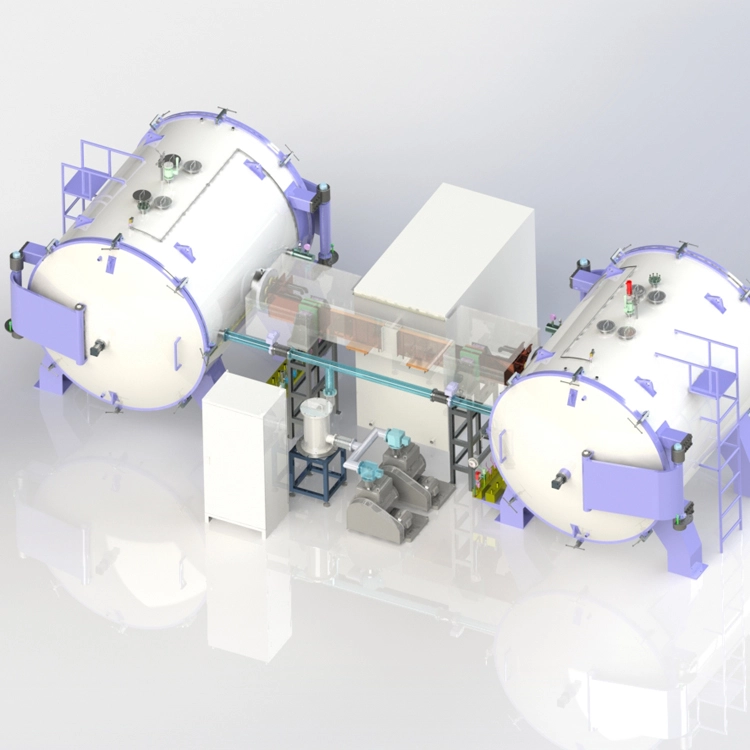
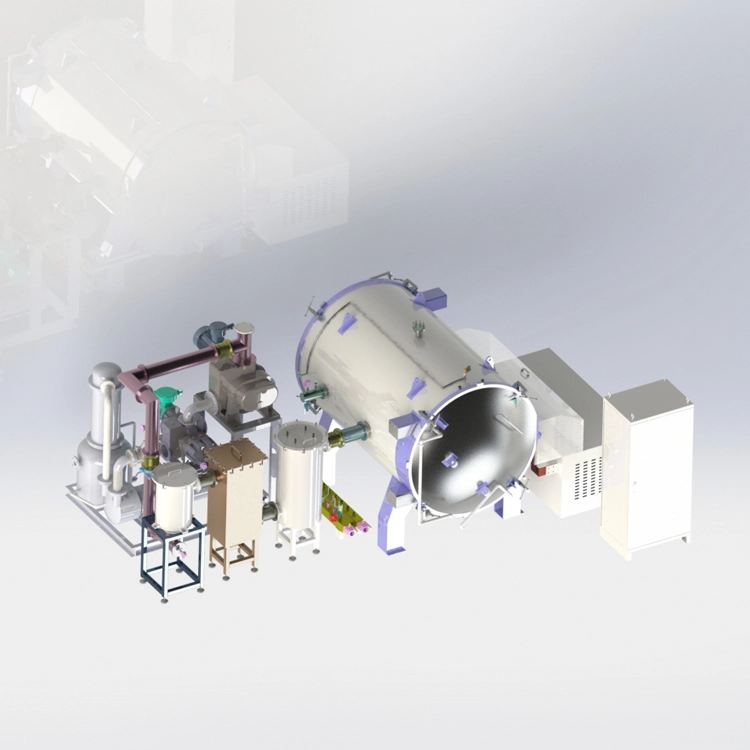
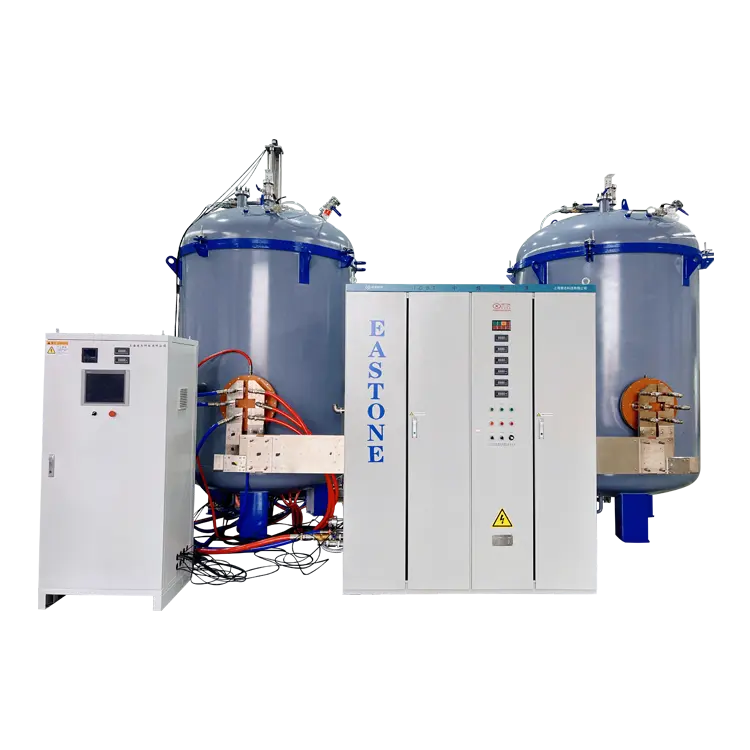
CHJT adopts the floating-bed CVD route, optimizing furnace design for precise temperature and flow control while integrating a continuous collection system, effectively overcoming the key barriers to large-scale industrialization.
Standardization will reshape competition.
As production capacity grows, competition will shift from “existence” to “quality, cost, and consistency.” Establishing unified testing and application standards will define future market leadership.
High-end applications will drive breakthroughs.
Demands from semiconductors, robotics, and flexible electronics will push advancements in chirality control, purity, and continuous manufacturing, while expanding SWCNT applications into energy storage, supercapacitors, and composites.
Scale and cost reduction are inevitable.
Continuous processes and gas recovery systems will enhance efficiency and lower costs, paving the way for true commercial viability.
Ecosystem collaboration is the key.
The growth of SWCNTs depends on synergy among equipment manufacturers, materials developers, and application partners. CHJT, with its expertise in temperature-field precision, gas preheating, and continuous collection systems, provides essential technological infrastructure—serving as a behind-the-scenes driver of industry expansion.
As SWCNTs evolve from “lab innovation” to “industrial commodity,” their rise symbolizes the convergence of materials science, process engineering, and market demand. Over the next three years, the industry will enter a new phase of standardization, scale-up, and high-end applications. Those who master core technologies and shape collaborative ecosystems will lead this trillion-yuan frontier.

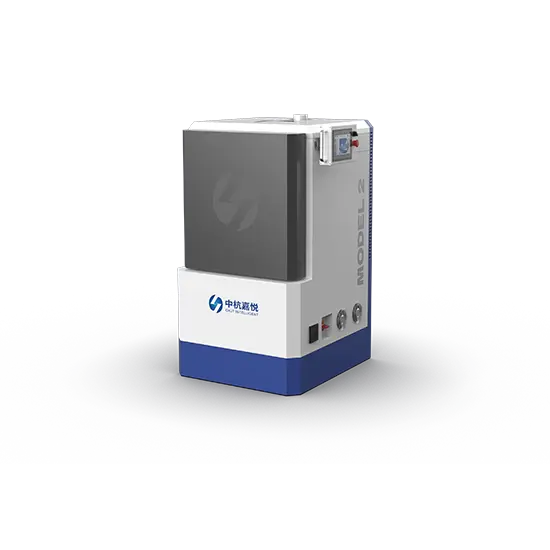
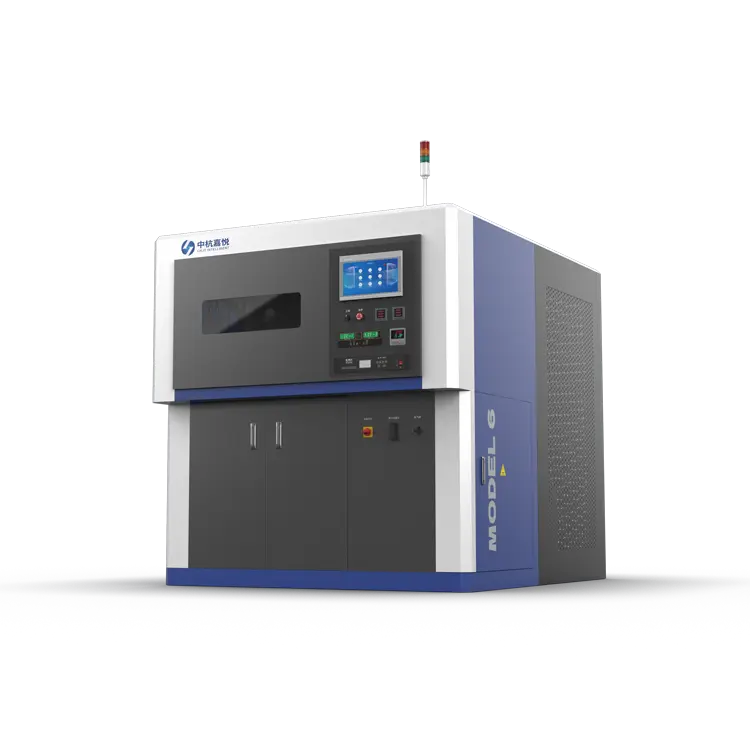
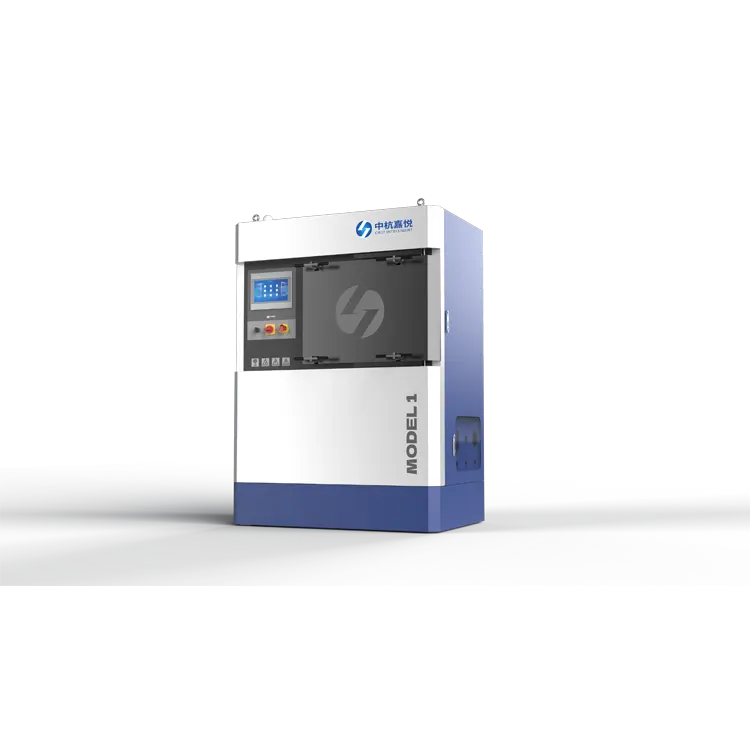
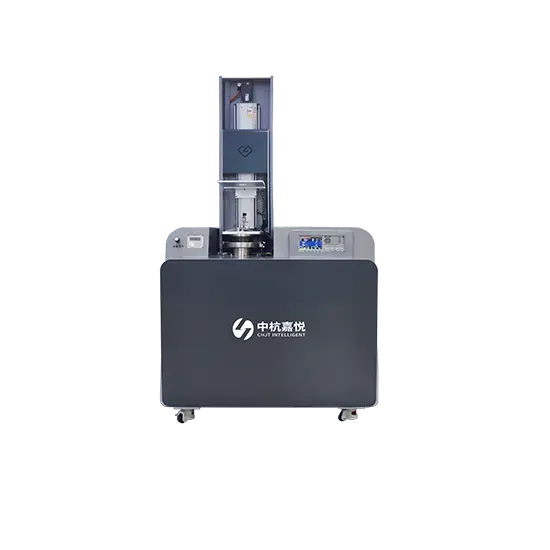
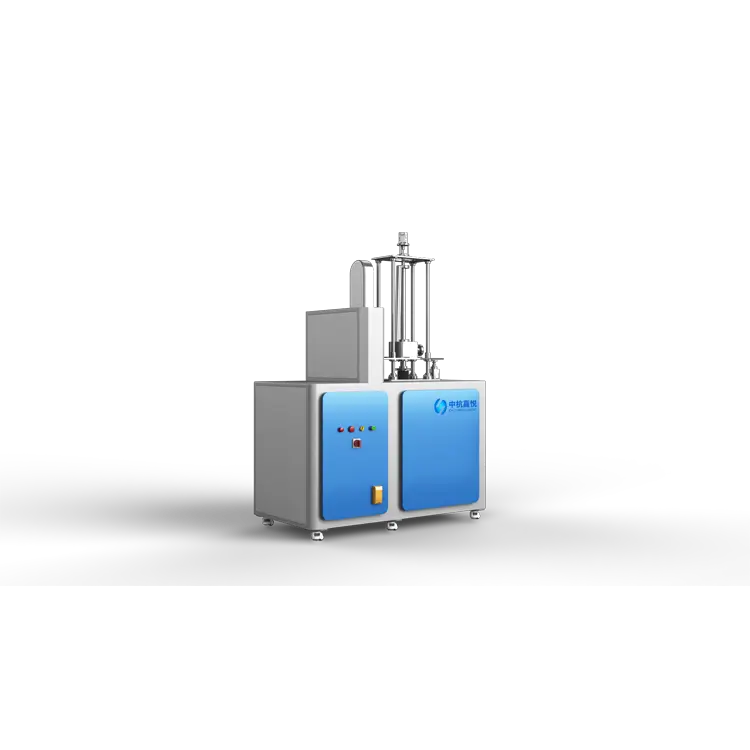
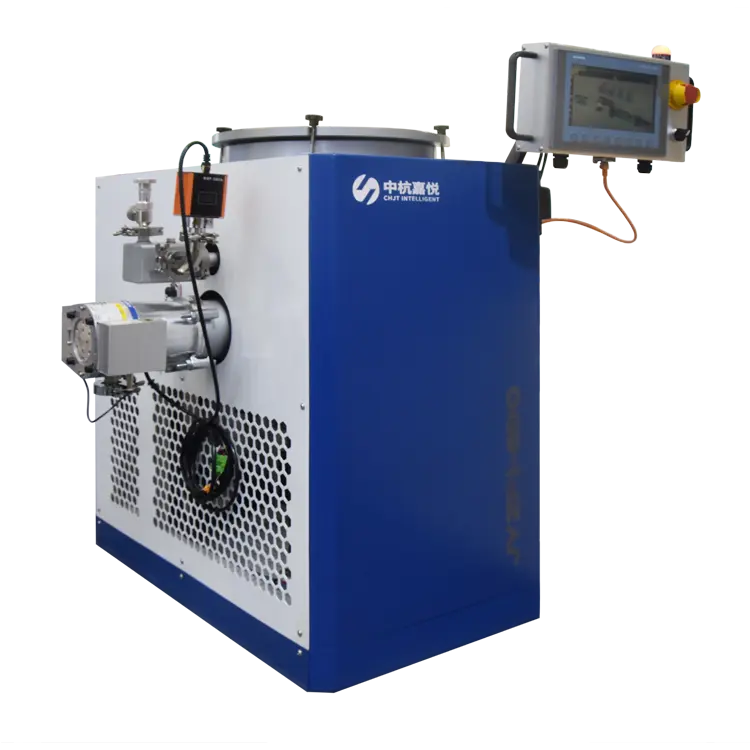
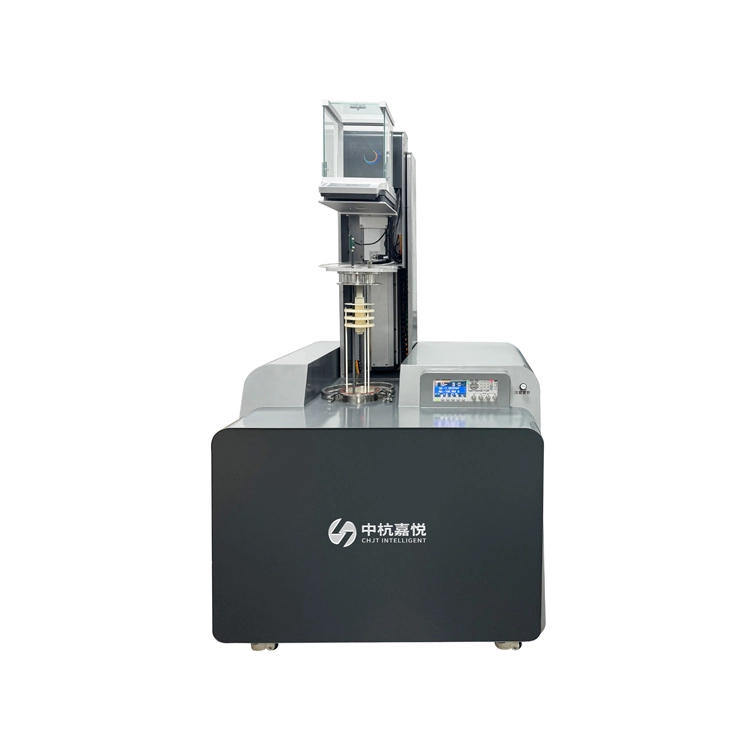
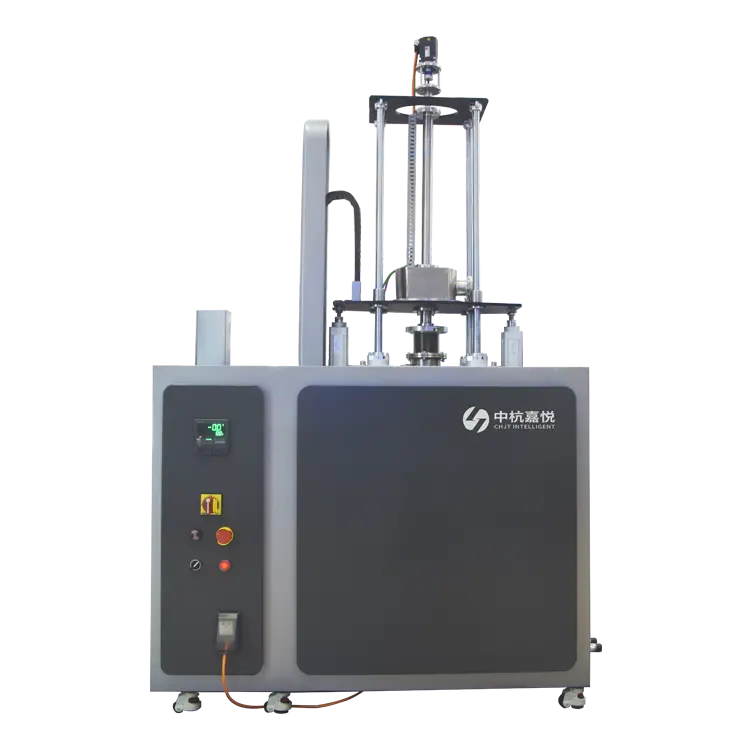
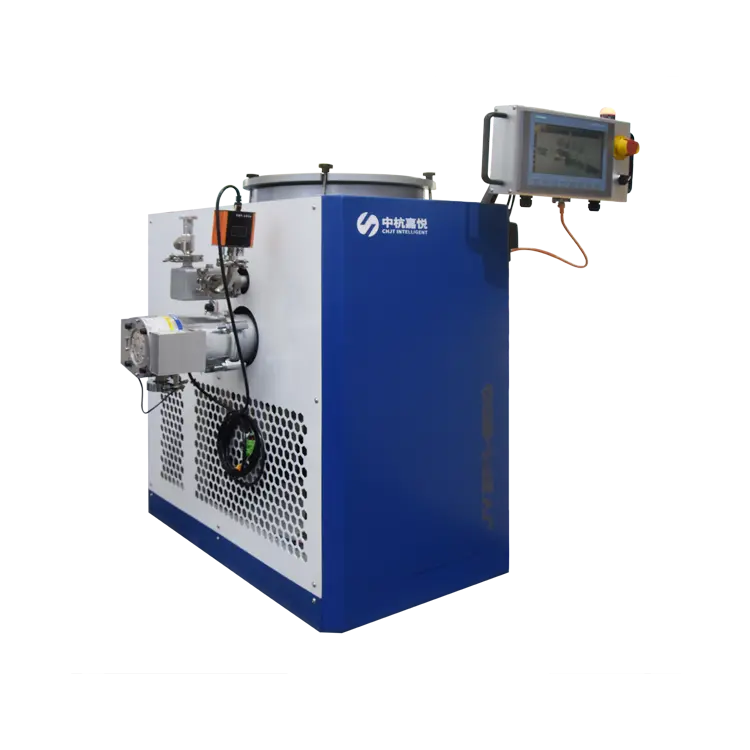
As a leading equipment innovator, CHJT has spent years advancing the industrialization of single-walled carbon nanotubes. Through continuous iteration, the company has addressed the core bottlenecks of large-scale production: temperature uniformity, gas utilization, and continuous collection.
From lab-scale prototypes to third-generation continuous mass-production systems, CHJT has achieved breakthroughs:

First-generation systems introduced semi-continuous collection, enabling small-scale commercial delivery.

Second-generation systems optimized furnace geometry and gas mixing, improving productivity and operational stability.

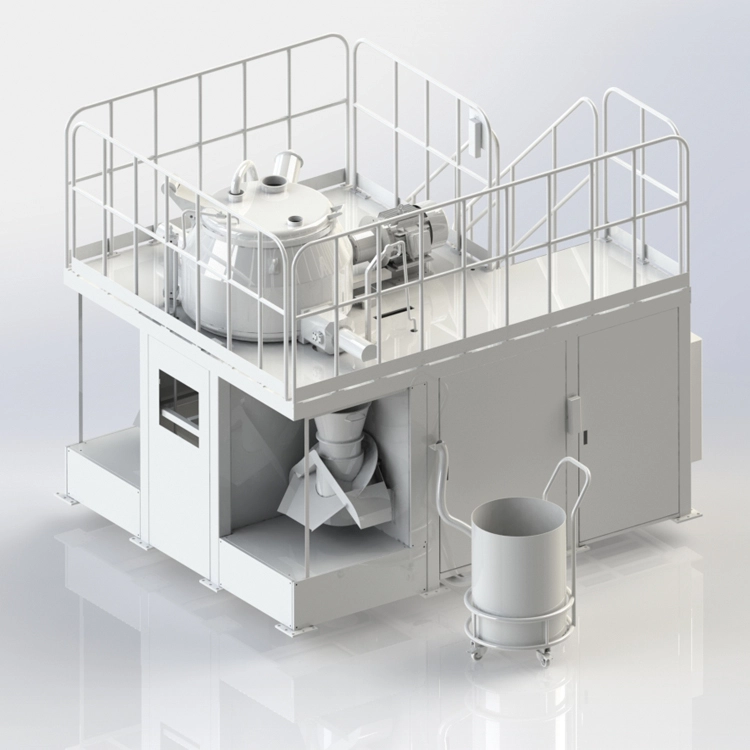
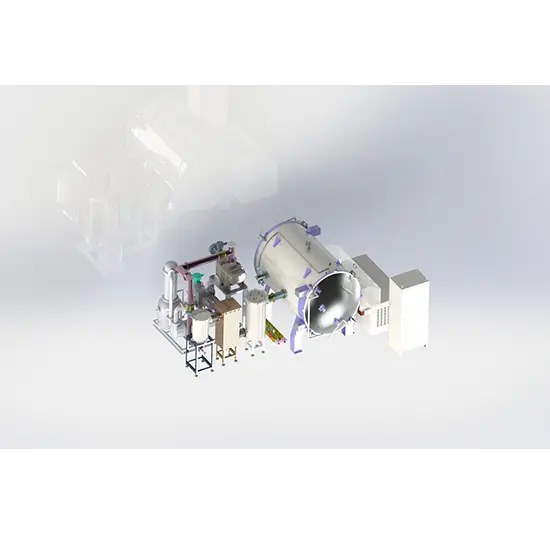
Third-generation systems added fully continuous collection, centralized control, and explosion-proof design, achieving kilogram-level daily output—laying the foundation for a hundred-ton annual capacity.

The company has also integrated plasma-assisted catalyst activation for finer particle dispersion and developed dual-mode catalyst feed systems (solid and liquid aerosolized), offering customers greater flexibility and precision.


The resulting SWCNTs feature high purity, large aspect ratios, and balanced surface areas, meeting the requirements for battery conductive additives and composite materials.
With innovation in both equipment and process, CHJT is igniting the industrial revolution of single-walled carbon nanotubes — empowering the future of advanced materials.