English
 português
 فارسی
فارسی
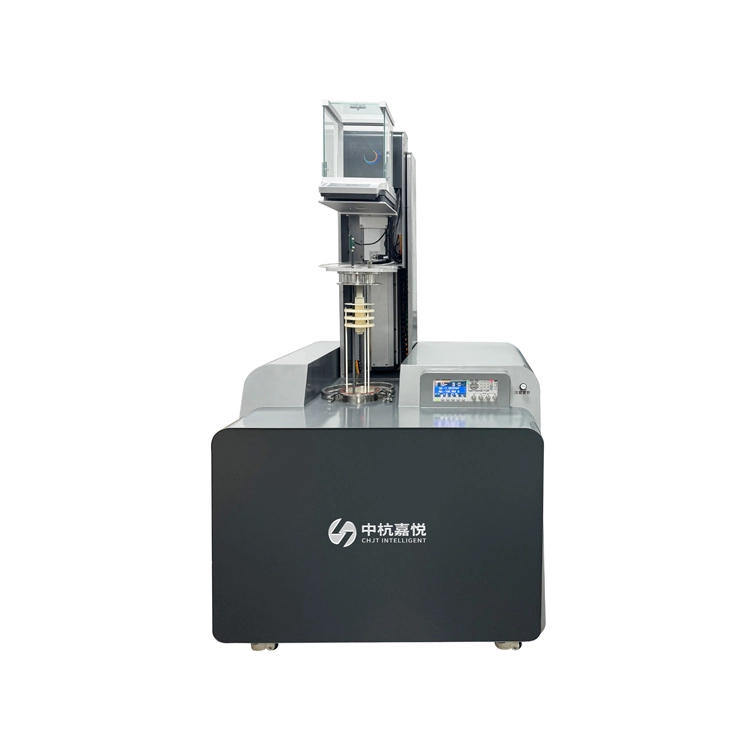

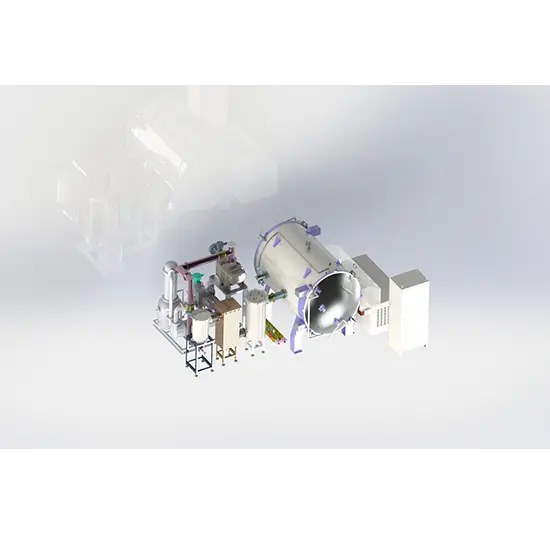
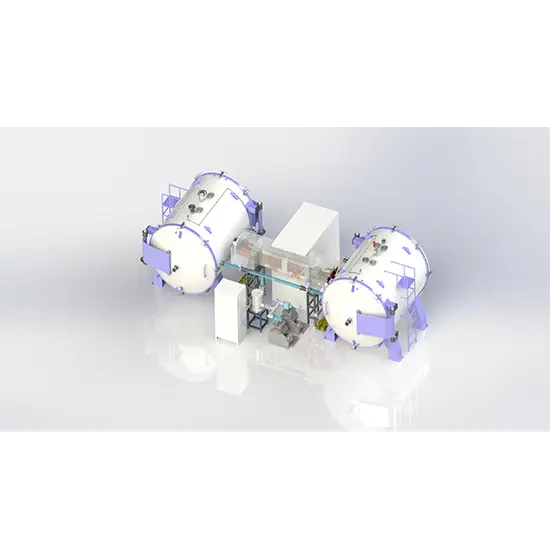
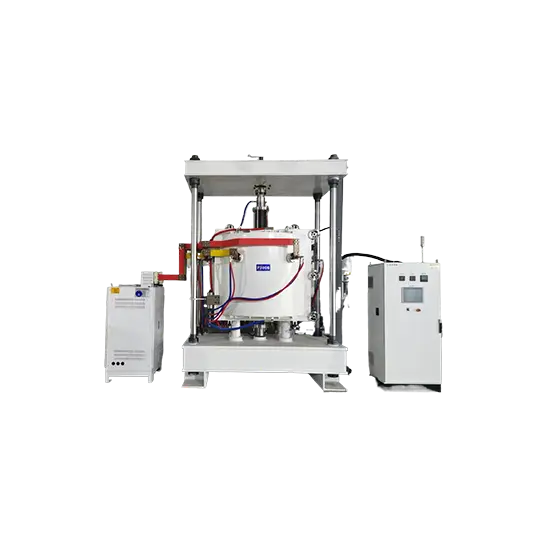
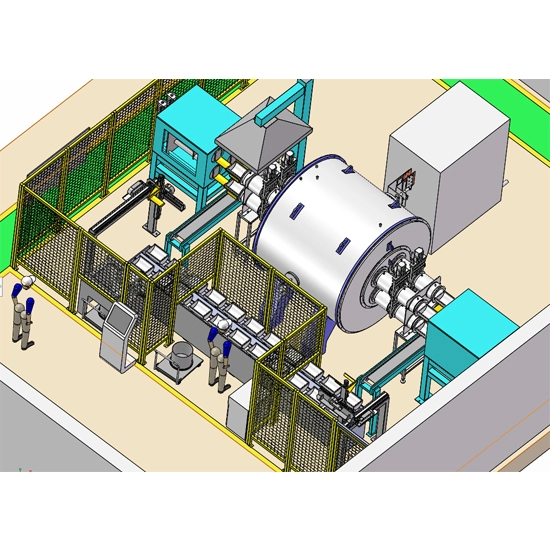
In the race toward higher energy density batteries, the silicon–carbon anode has become the focus of global attention. Yet while most spotlights shine on silicon, its true performance depends on another, often overlooked material — porous carbon.
It’s time to recognize its real value: porous carbon is not a supporting role, but the “house” built to host and protect silicon. A well-designed house not only provides shelter but also ensures safety, stability, and long-term durability.
Silicon has an exceptionally high theoretical capacity of 4200 mAh/g, more than ten times that of graphite, making it a key material for next-generation high-energy batteries.

However, silicon expands by up to 300% during charge–discharge cycles, leading to particle pulverization, detachment from the current collector, and continuous formation of unstable SEI films. The result: rapid capacity decay and short cycle life.
In short, silicon is a “potential superstar” — but one with a volatile personality. It needs a carefully engineered home to stabilize and sustain its performance.
Porous carbon, typically prepared through physical or chemical activation, serves multiple structural and functional roles when used as a silicon anode matrix:
Structural Buffering and Stress Absorption
Its 3D interconnected framework absorbs and redistributes stress caused by silicon expansion, preventing cracking. Studies show that pore structure strongly affects silicon deposition and electrode stability.
Micropores with strong adsorption energy attract silicon-containing gases for stable in-pore deposition, while mesopores improve ion transport but require careful control to prevent “free silicon” formation.
Uniform Deposition and Reduced Expansion
The high pore volume and hierarchical structure of porous carbon allow uniform silicon deposition, preventing aggregation, like giving each silicon particle its own “room.”
Unfilled pores act as expansion buffers during lithiation, minimizing overall swelling and enhancing cycling stability.
Efficient Electron and Ion Transport
Porous carbon provides a continuous conductive network for electrons and multi-scale channels for lithium-ion diffusion, resulting in lower impedance and improved rate capability.
Not all porous carbon is suitable for silicon–carbon anodes. An ideal “house” must achieve balance in structure and performance:
High surface area and pore volume: >1700 m²/g and 0.7–1.2 cm³/g with ≥80% microporosity to host sufficient silicon and buffer expansion.
Optimized pore size distribution: Micropores (<10 nm) should comprise ~99%, ensuring controlled silicon loading and reducing lithium-ion traps.
Mechanical strength: Excessive porosity weakens the structure; the carbon framework must withstand electrode fabrication and calendering without collapse.
Purity and conductivity: Low ash and magnetic impurities minimize side reactions, while high electrical conductivity ensures fast charging capability.
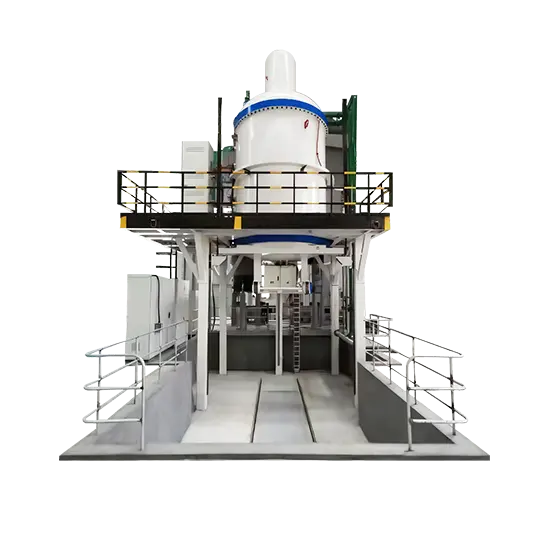
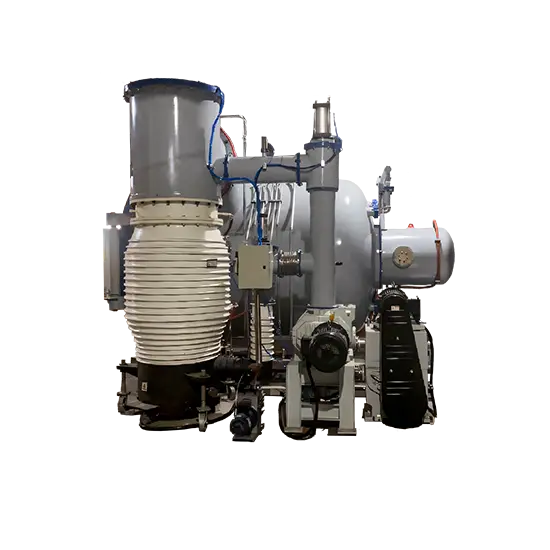
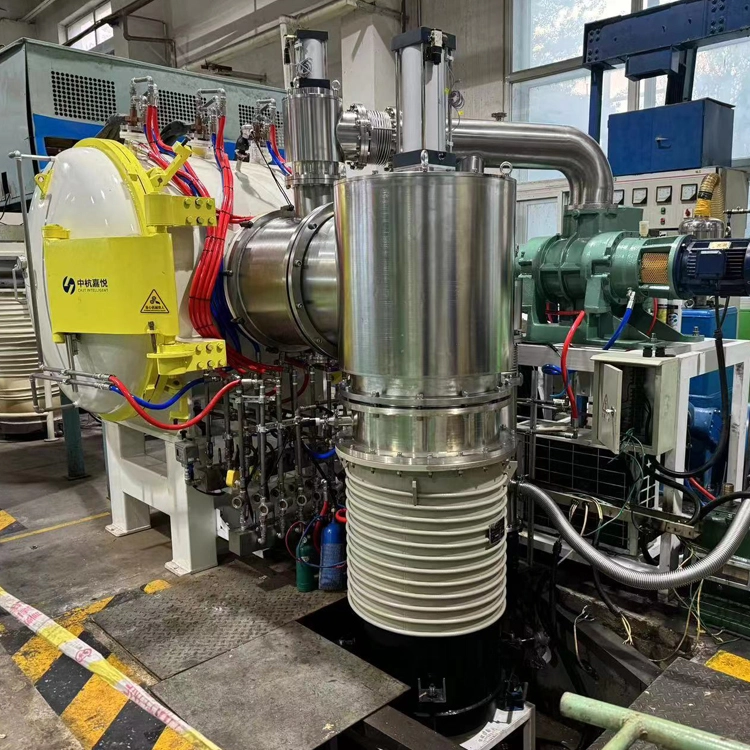
Bringing porous carbon from laboratory prototypes to industrial-scale production requires mastery of both material science and process engineering.
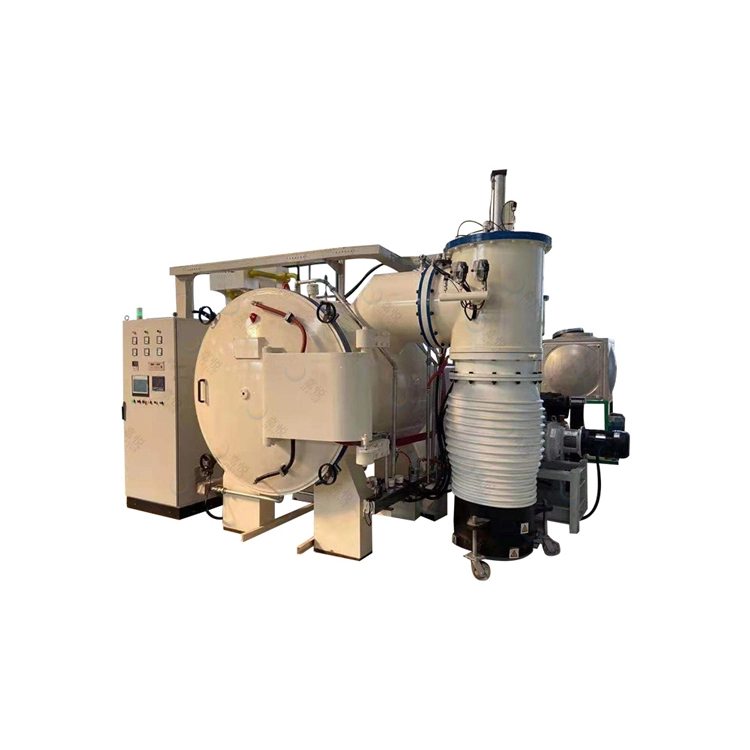
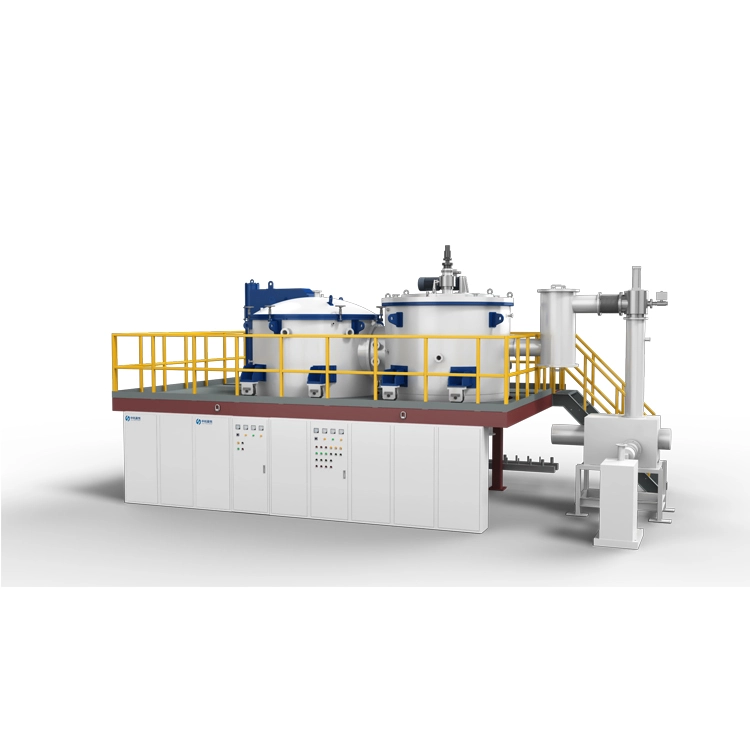
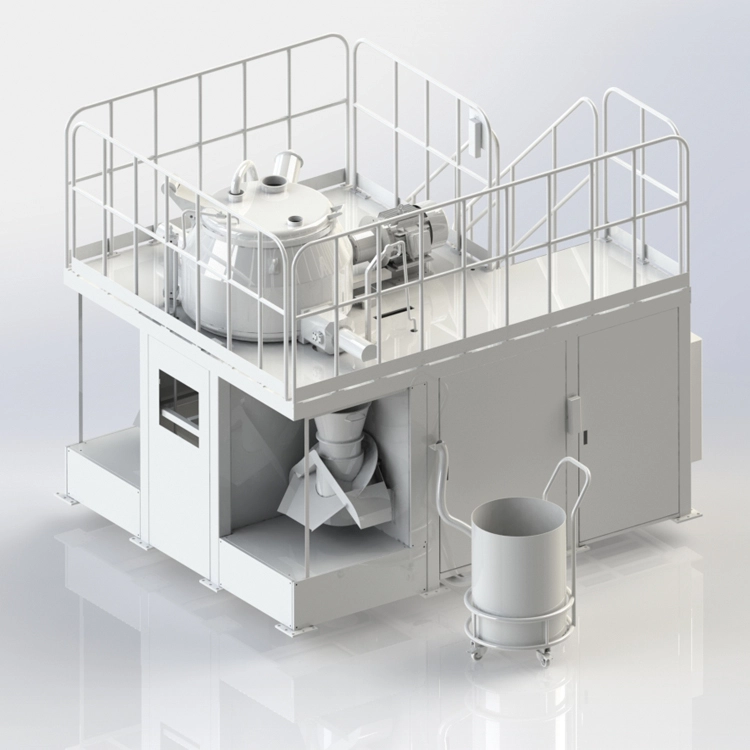
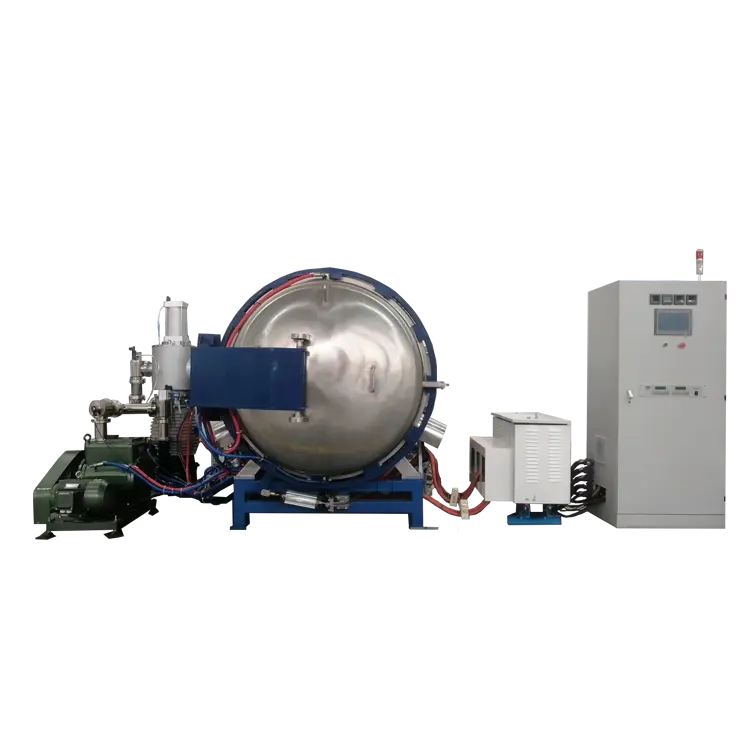
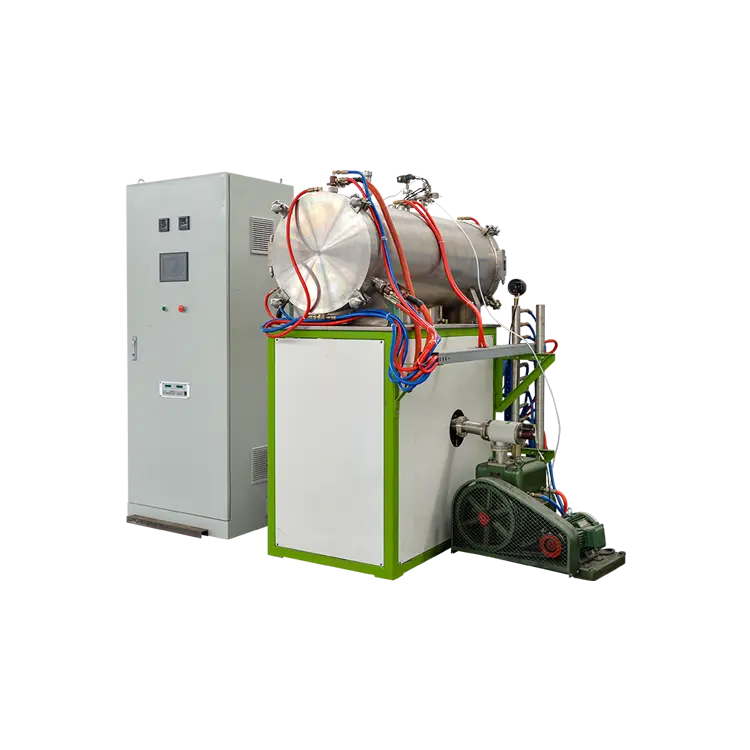
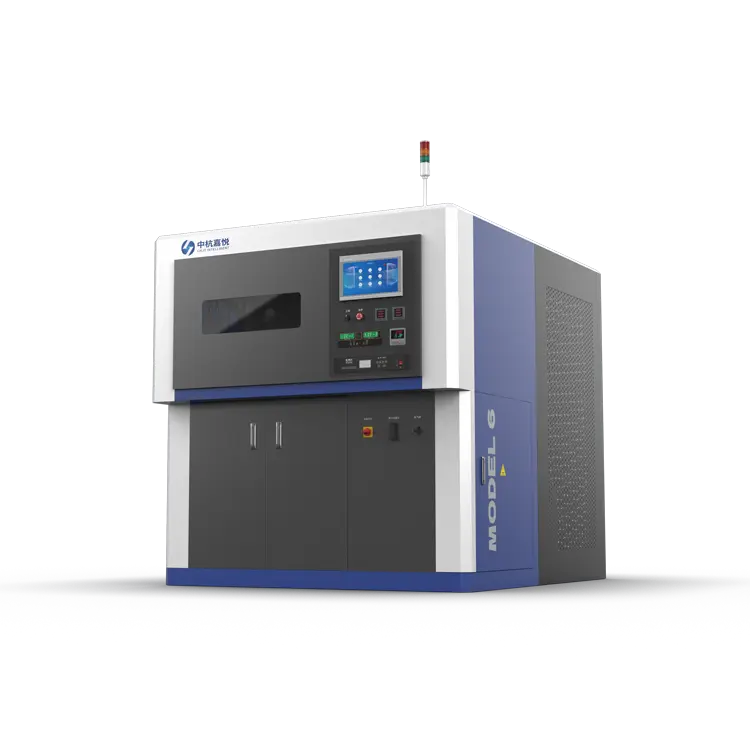
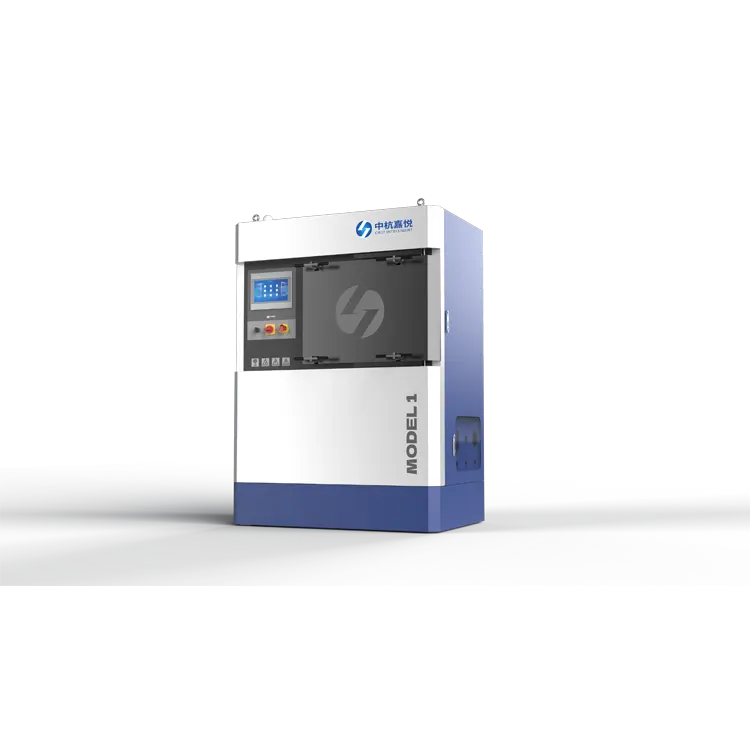
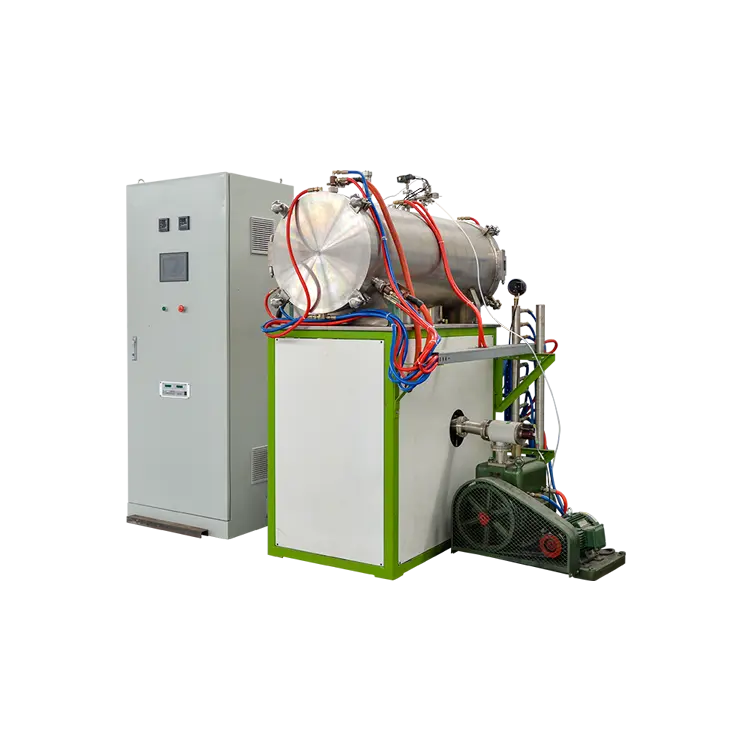
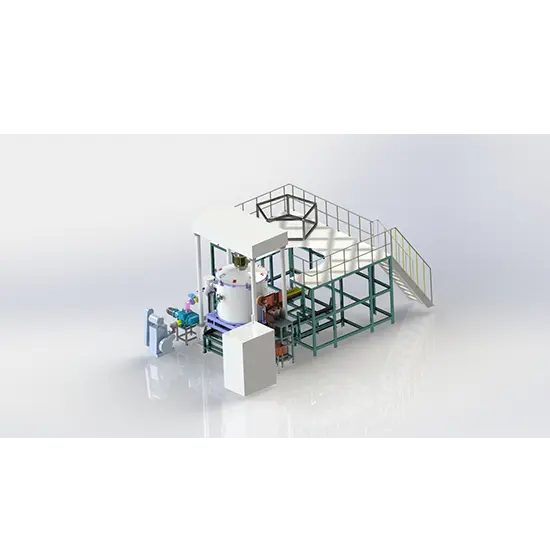
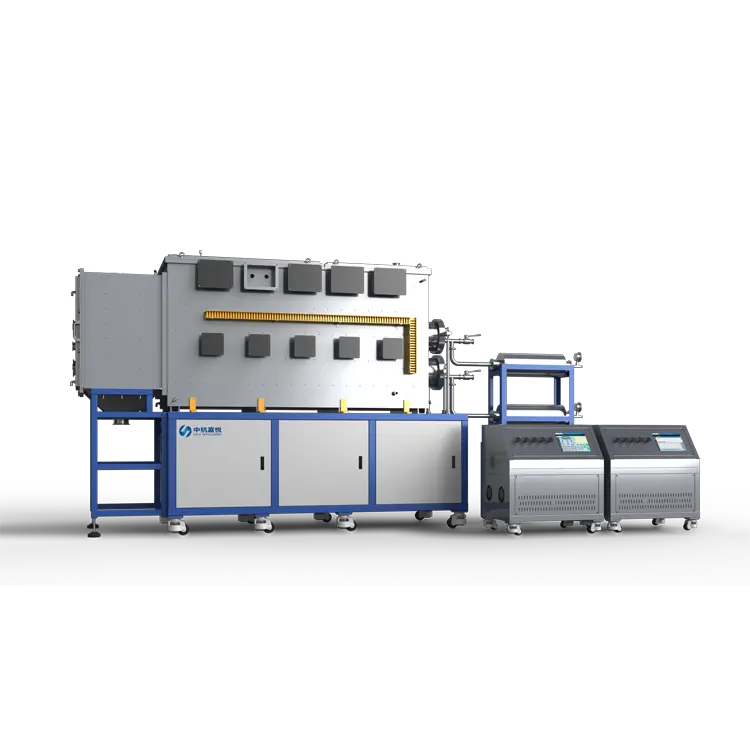
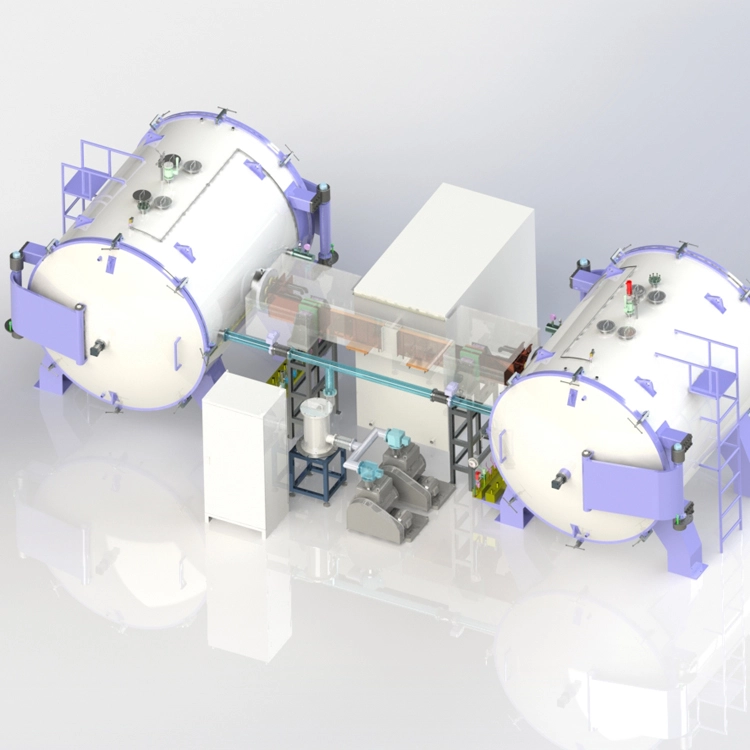
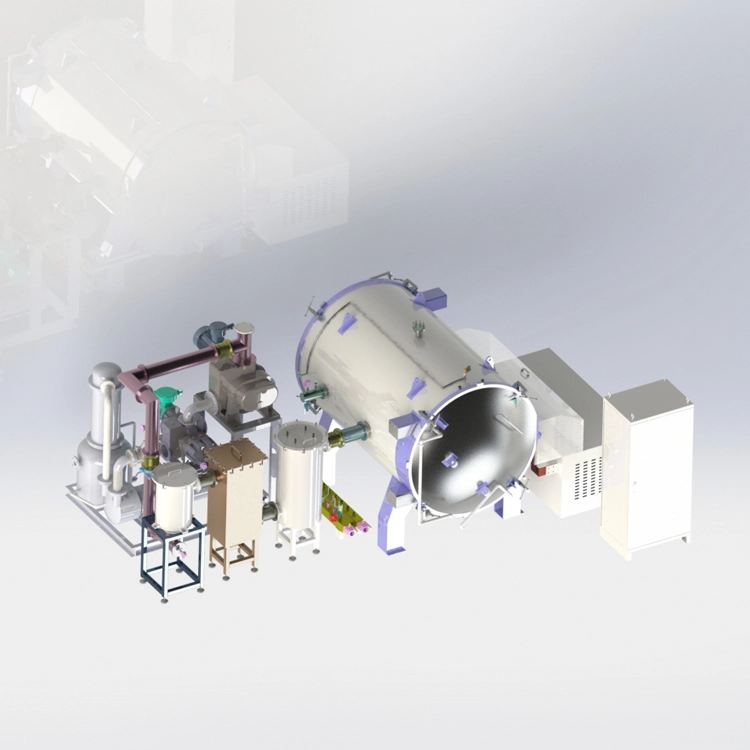
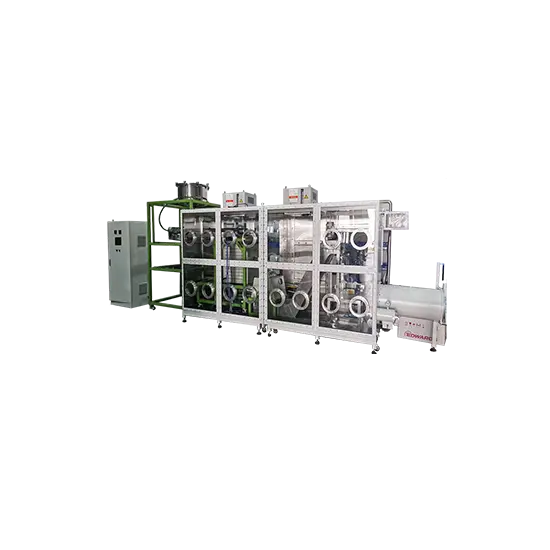
Currently, physical activation is mainly achieved through rotary kilns (for granules) and fluidized beds (for fine powders). However, given the stringent requirements for pore size control and surface properties in silicon–carbon anodes, single-step activation often cannot meet final specifications.
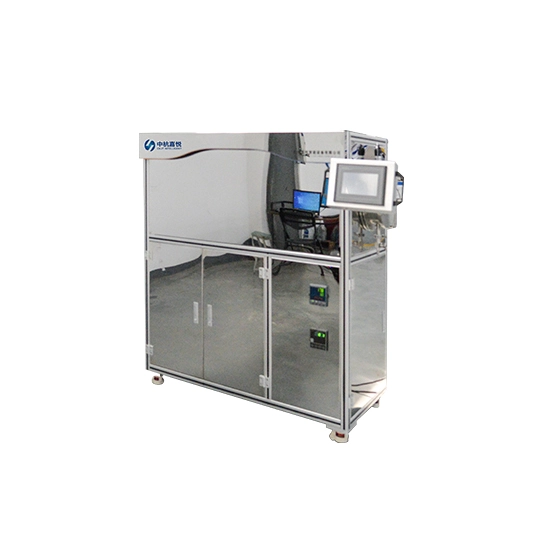
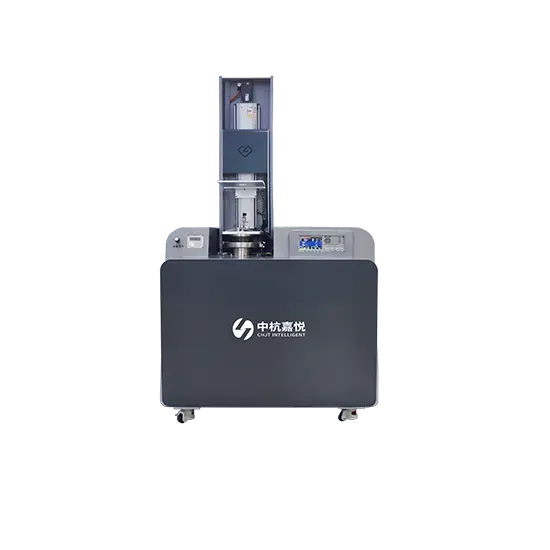
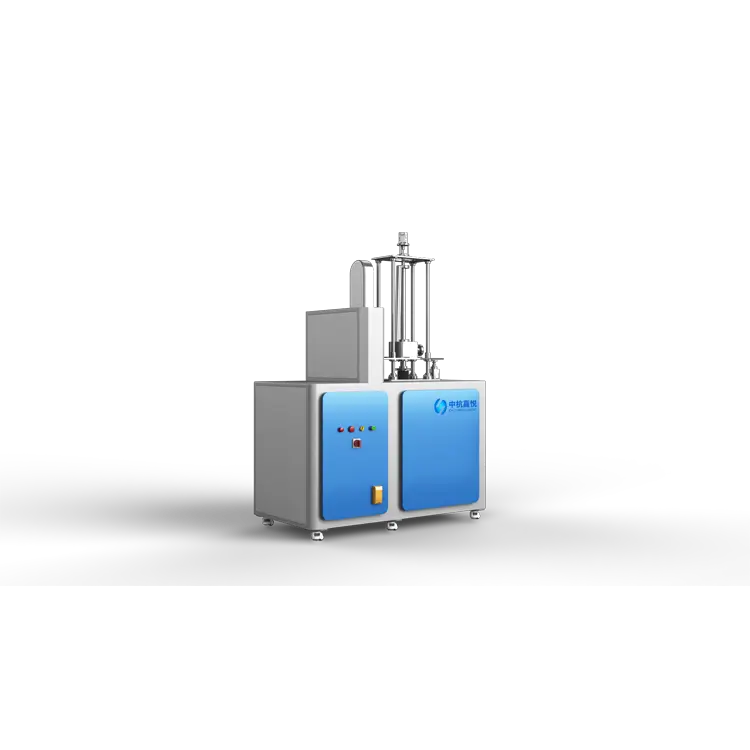
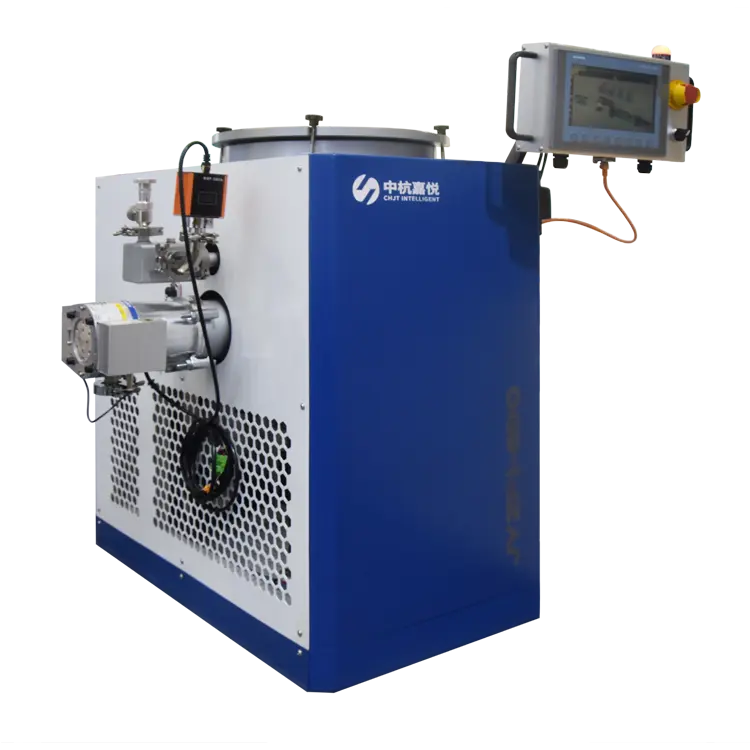
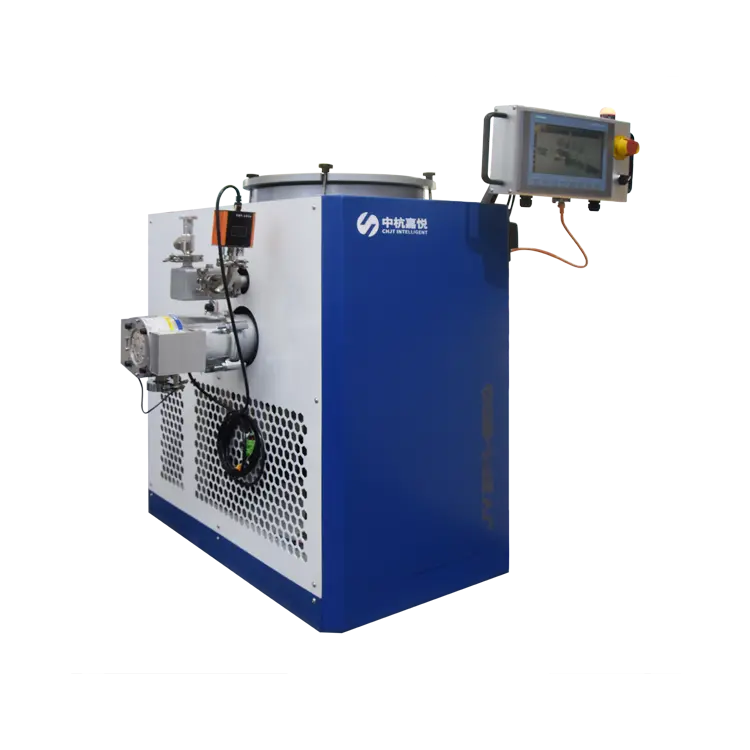
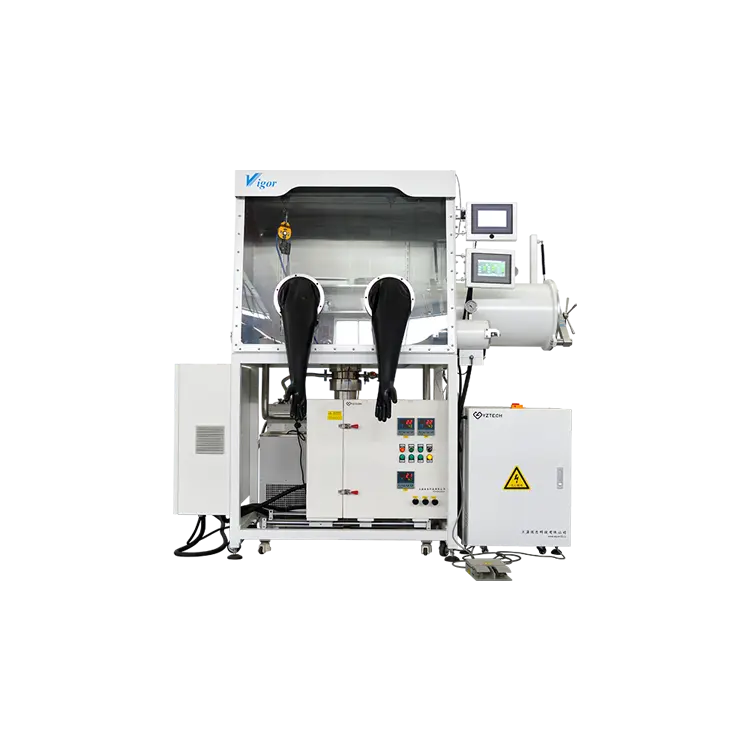
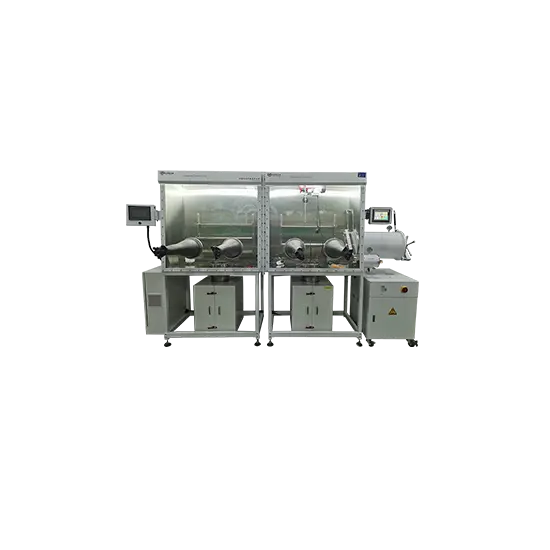
Recognizing this, CHJT continues to explore new process designs and integrated equipment solutions aimed at low-cost, repeatable, and performance-controlled porous carbon production.
Guided by the engineering principle of “Performance–Cost–Scalability”, CHJT focuses not only on electrochemical excellence but also on process stability, feedstock consistency, and cost efficiency — paving the way for silicon–carbon anode commercialization.
In the grand narrative of silicon–carbon anodes, porous carbon is no longer a supporting role — it is the foundation that determines stability, performance, and longevity.

Recognizing its role as the “house” means giving it the attention and innovation it deserves. The next time we marvel at the capacity of silicon–carbon anodes, let’s remember: it is porous carbon’s precision architecture that enables silicon’s potential to shine — powering the next revolution in energy density.
With porous carbon as the foundation, CHJT is advancing material and process innovation — building the industrial framework for the next generation of high-performance silicon–carbon anodes.