English
 português
 فارسی
فارسی
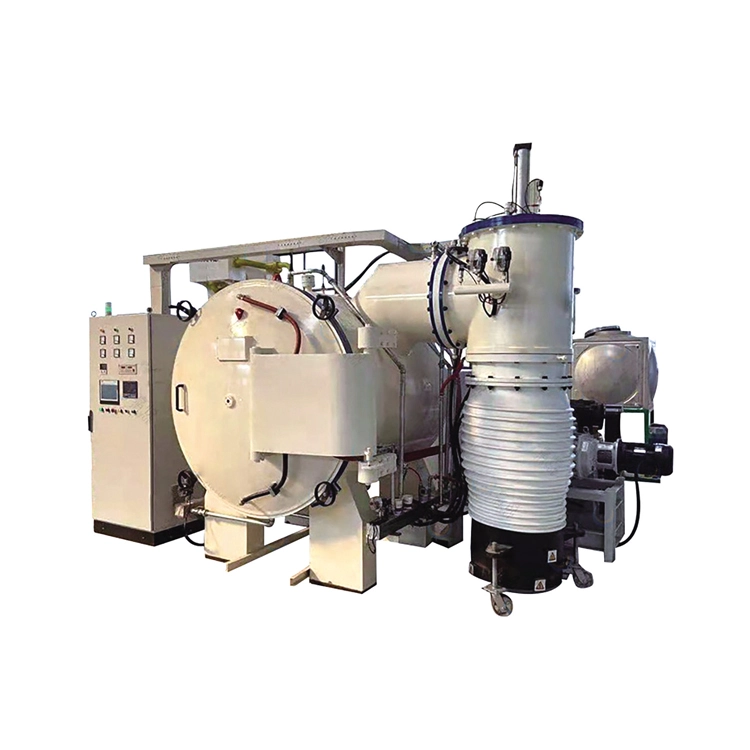
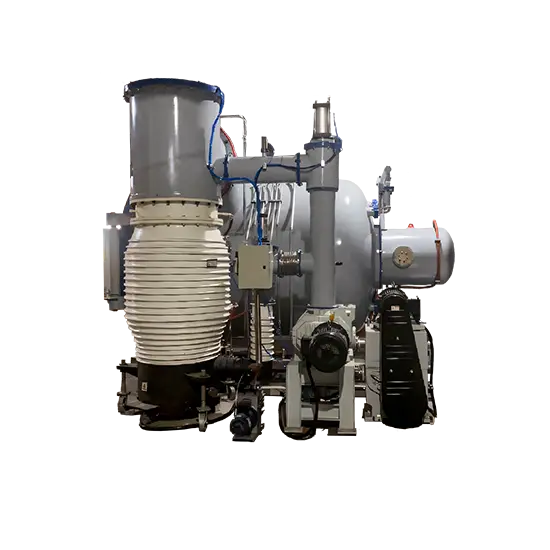
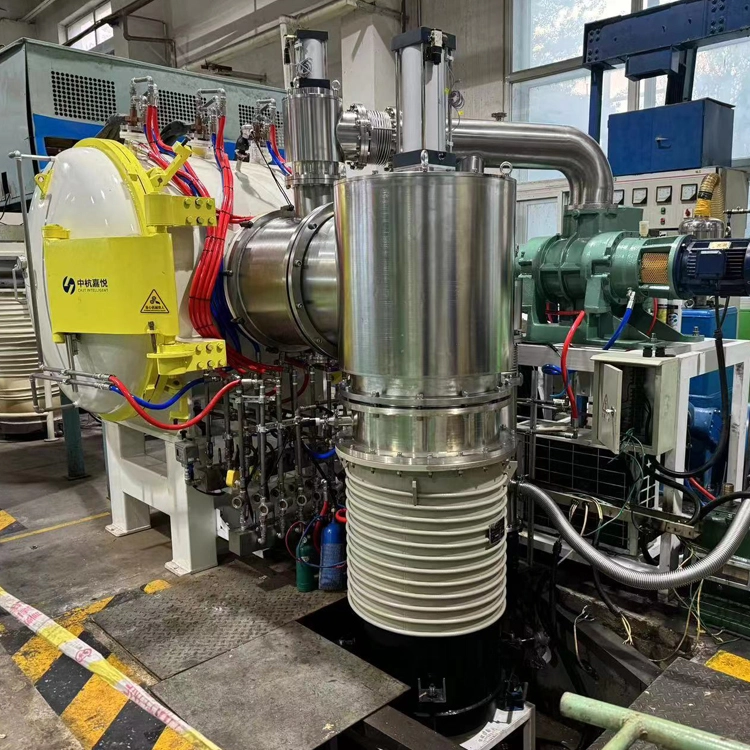
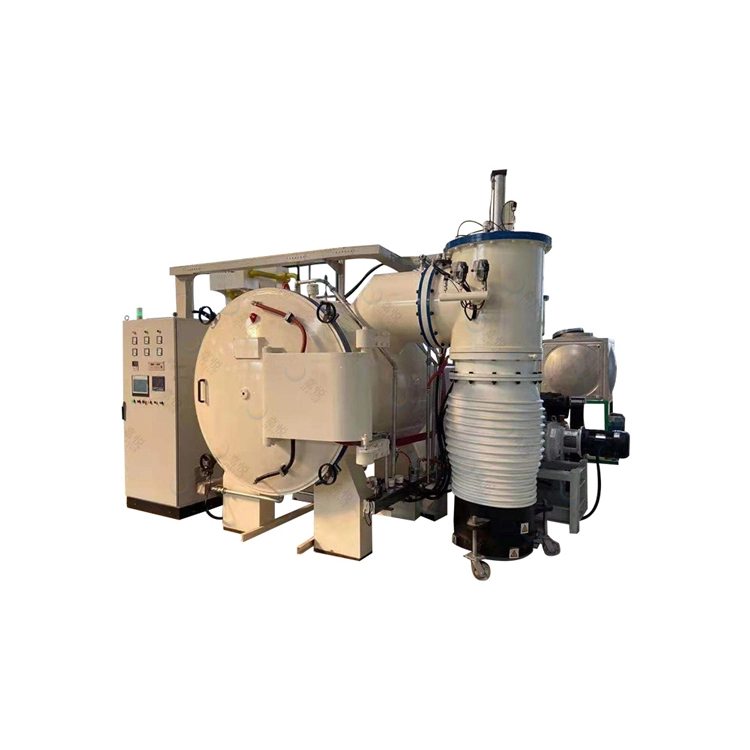
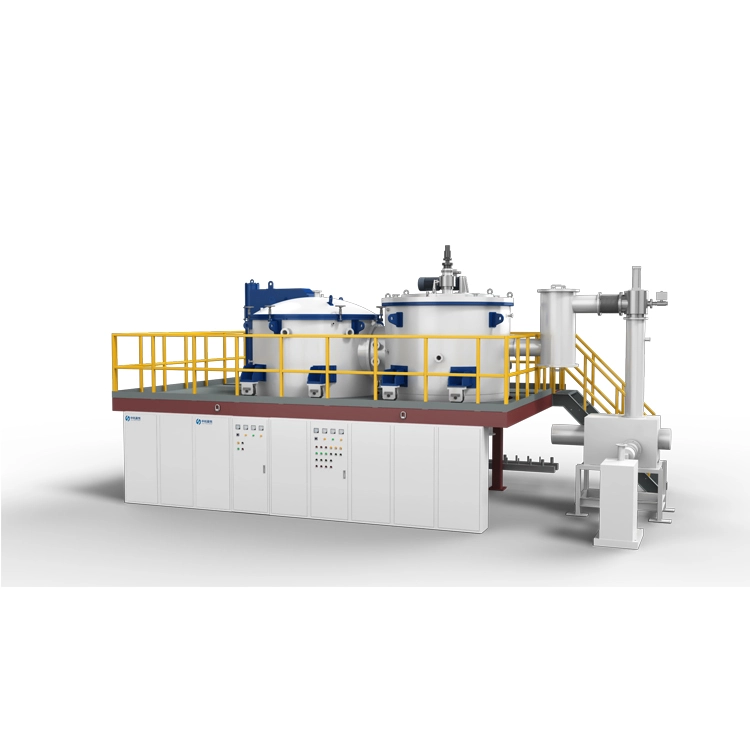
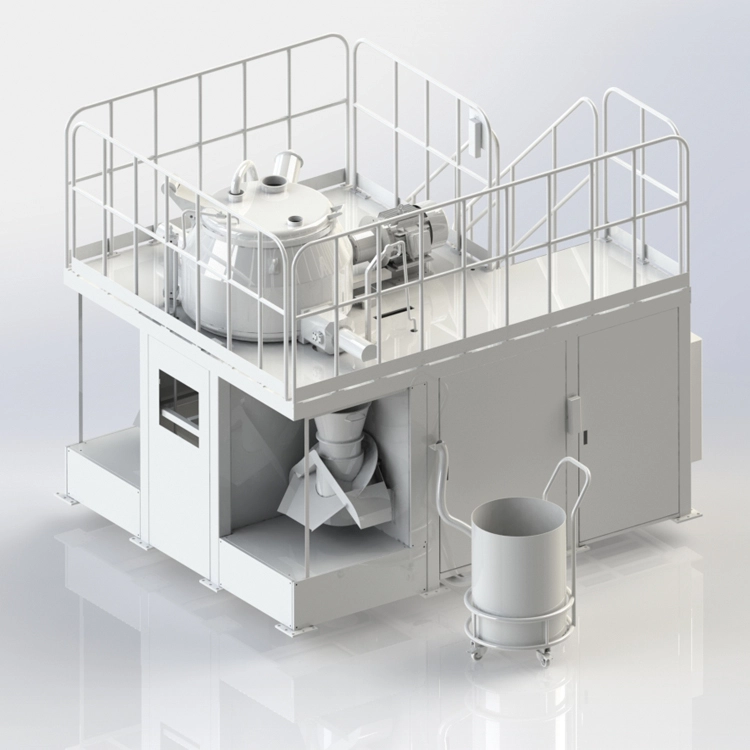
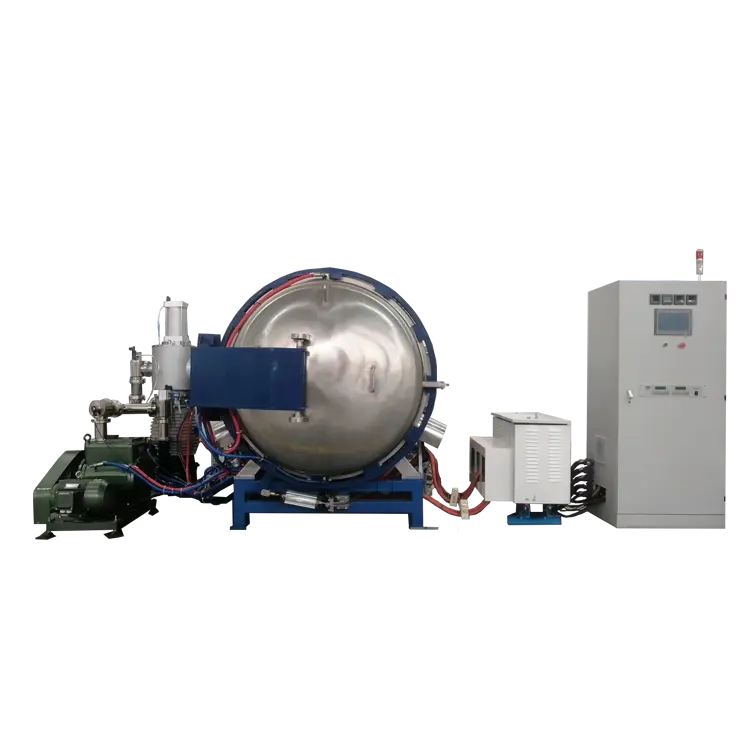
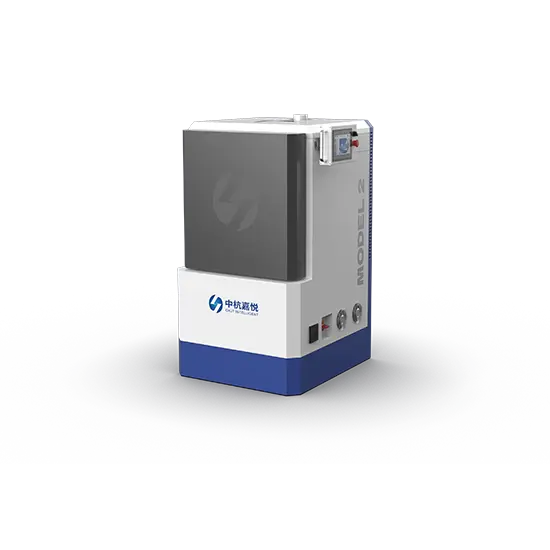
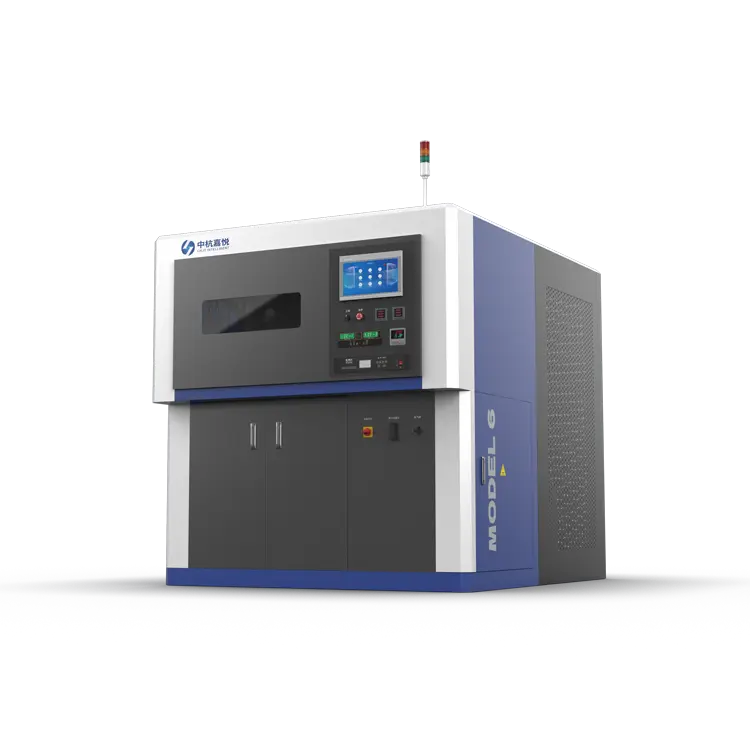
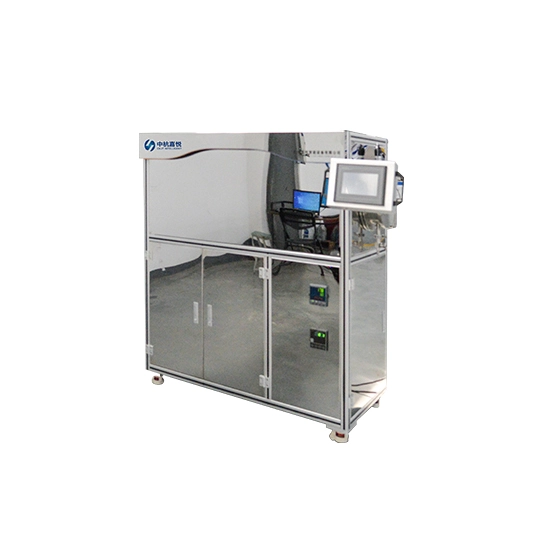
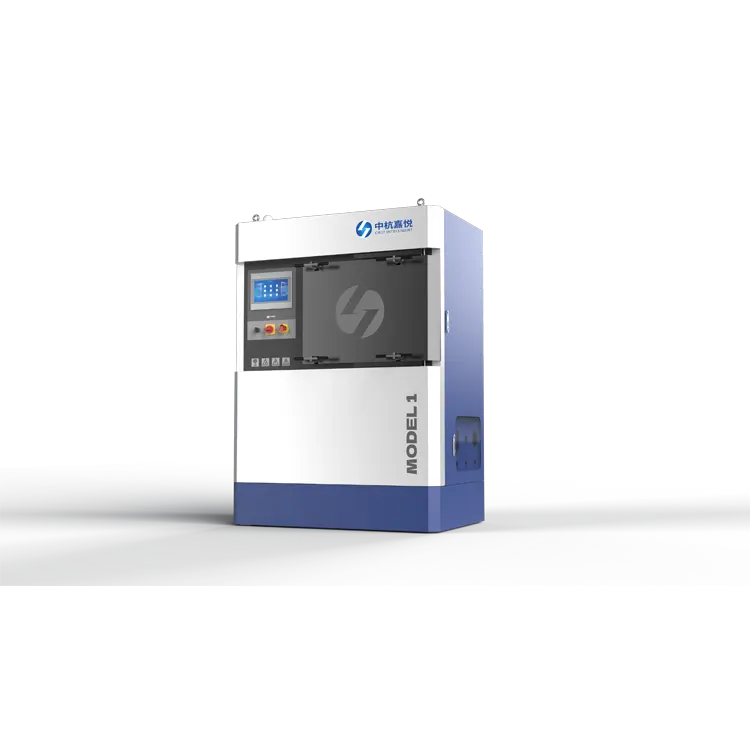
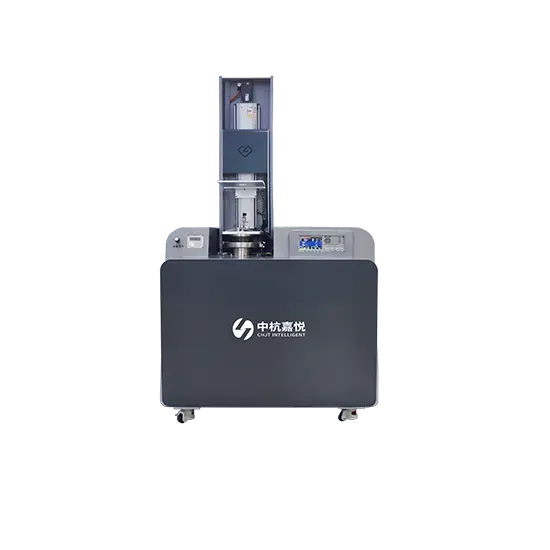
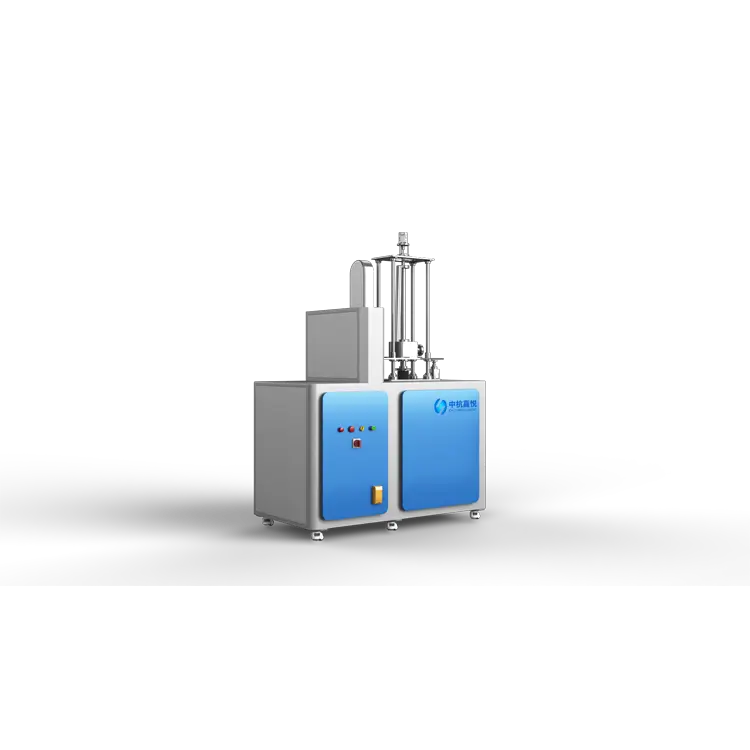
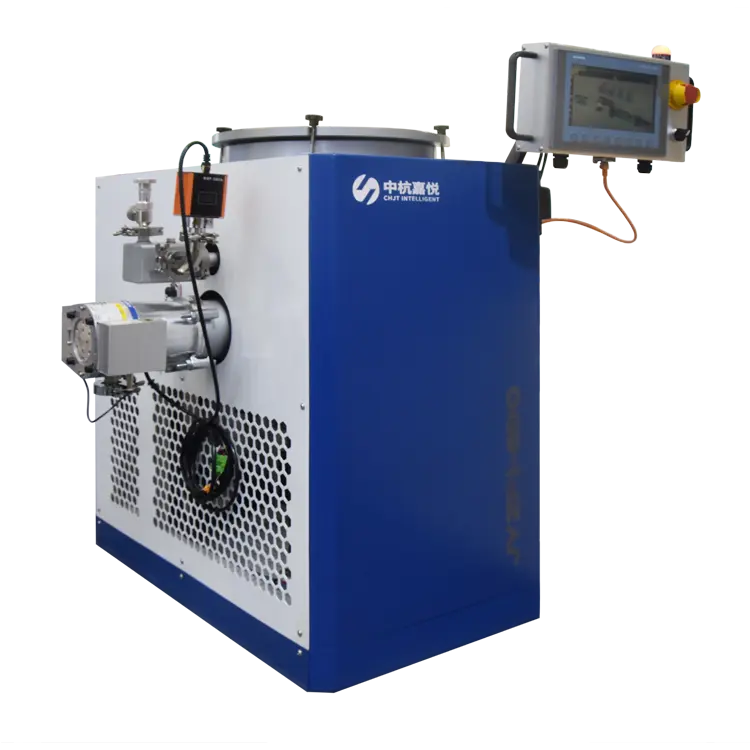
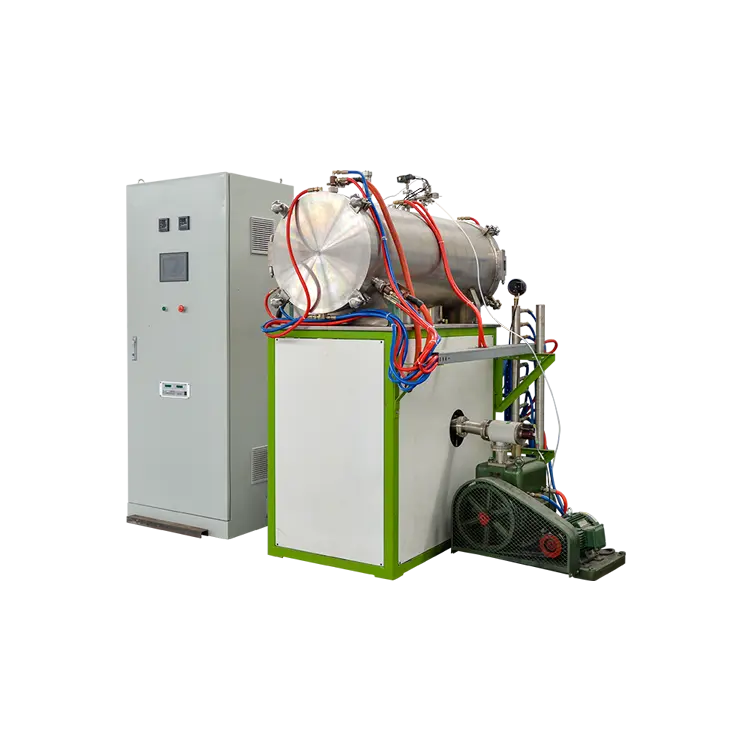
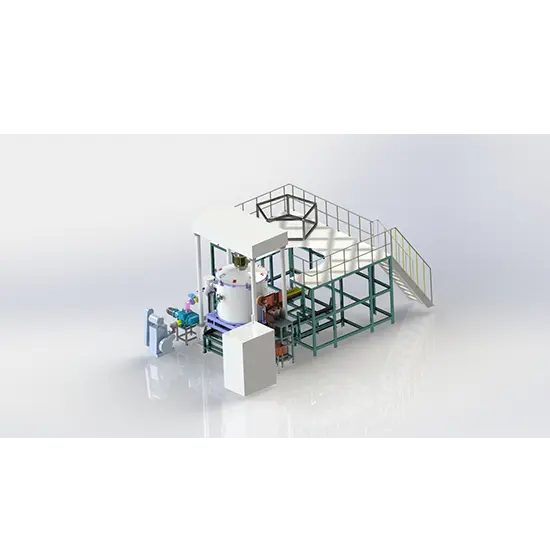
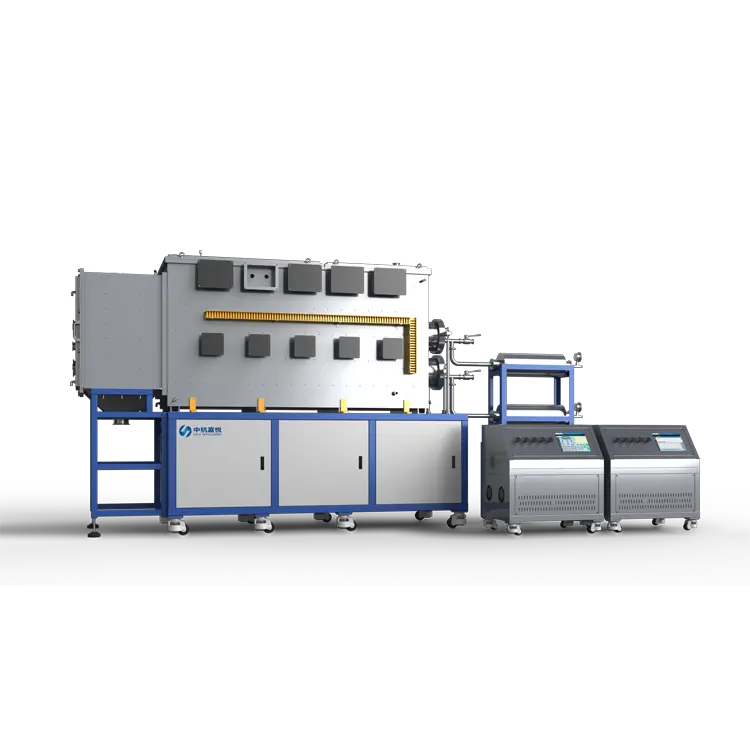
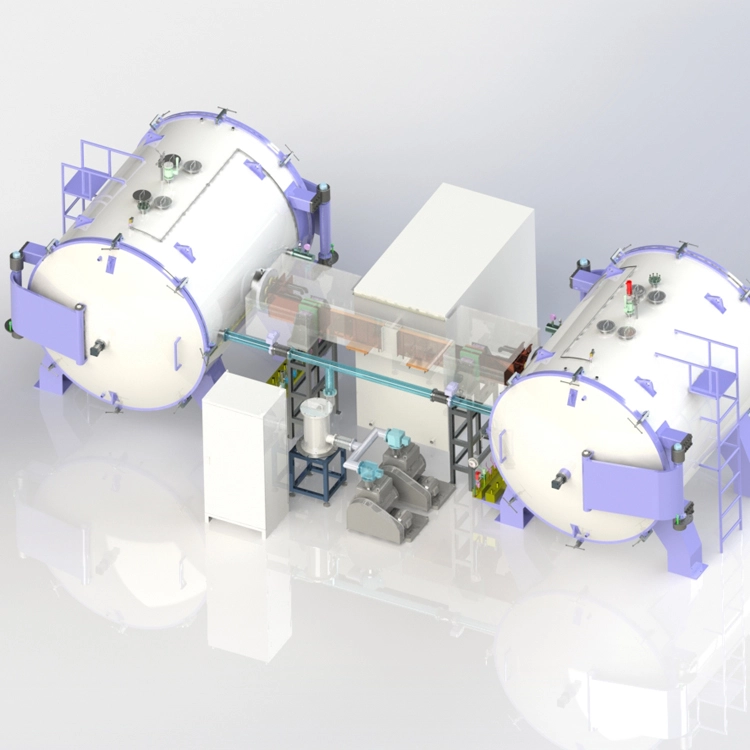
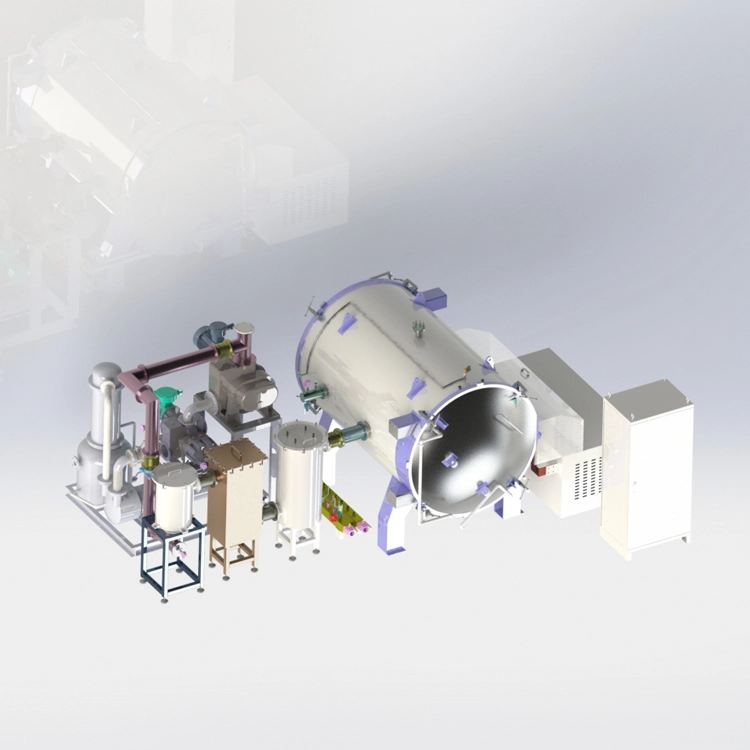
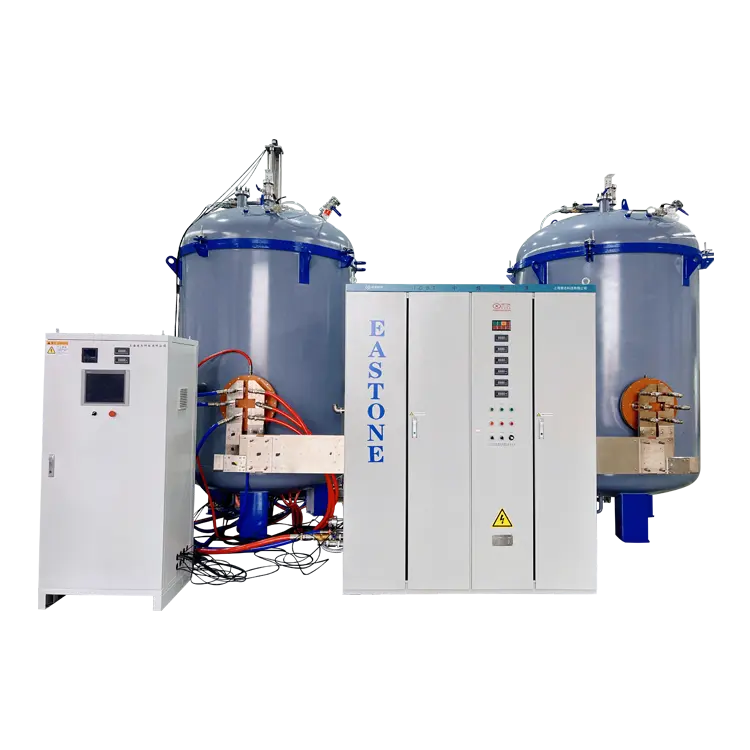
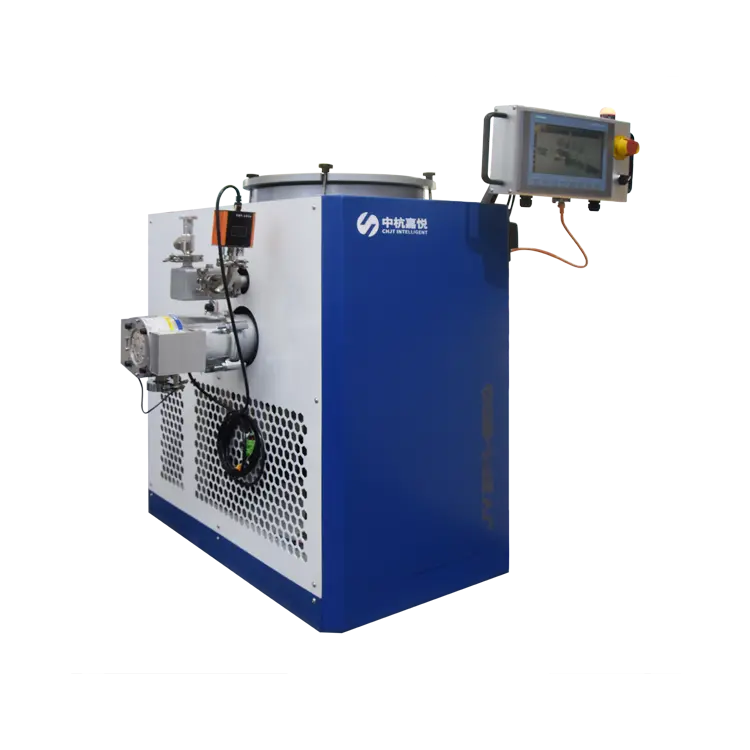
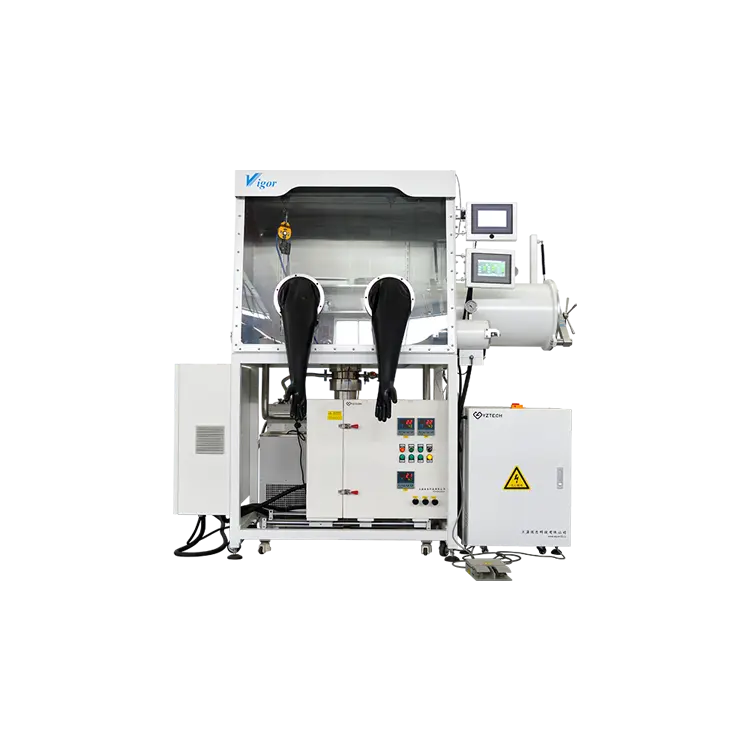
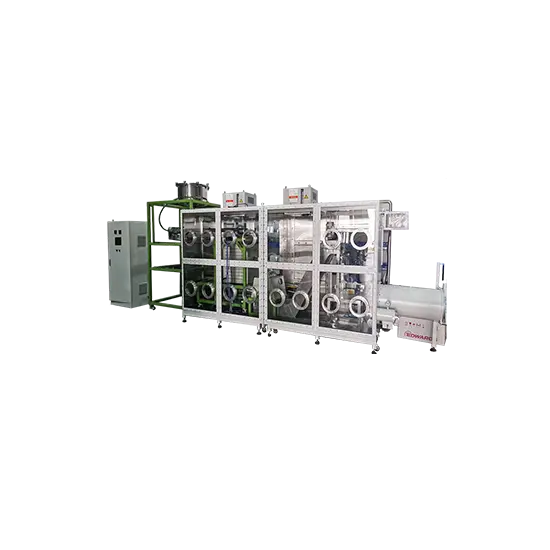
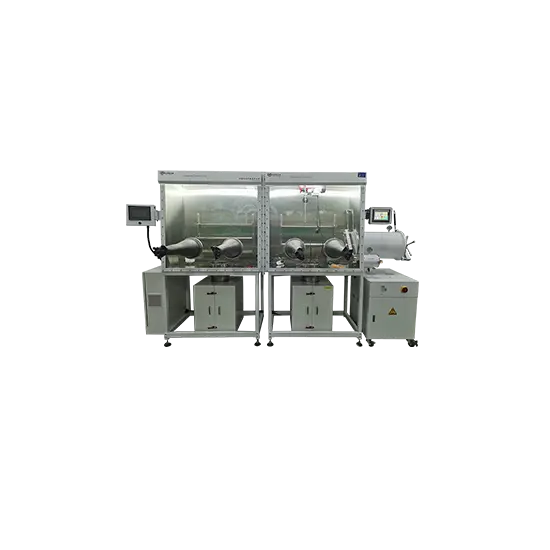
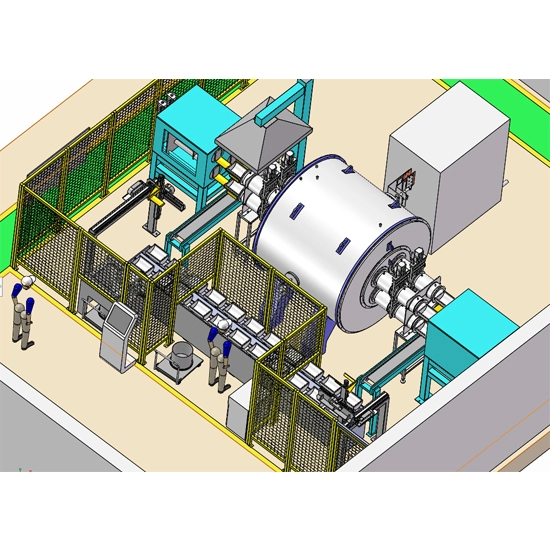
Technological reform is reshaping the competitive landscape of traditional manufacturing. In the wave of manufacturing transformation and upgrading, the vacuum thermal equipment sector—a traditionally mature field—is facing unprecedented challenges and opportunities. Once reliant on manual operation and experience-based control, furnace equipment is undergoing a profound industrial transformation driven by the dual forces of automation and intelligence.
As foundational equipment in industrial production, vacuum thermal systems are widely applied in material processing, metal fabrication, and semiconductor manufacturing. Yet, this industry has long been held back by multiple development bottlenecks:

High labor cost, narrowed profit margins. Traditional vacuum thermal equipment heavily depends on manual labor for material handling, loading/unloading, monitoring processes, and other repetitive tasks. Not only is the efficiency low, but with the decline of the labor dividend, the escalating labor cost is seriously eroding enterprise profitability.
Energy-saving and emission reductions hit a bottleneck; green transition is imperative. Under the “dual-carbon” policy environment, industrial furnaces—historically high-energy consuming devices—face tight environmental regulatory pressure. The conventional technological path for reducing energy is narrowing, making green transformation increasingly challenging.
Traditional production modes cannot match modern manufacturing demands. Modern industry is increasingly demanding small batch, multi-variety, flexible production. However, traditional industrial furnaces lack agility in adjusting processes, and production synchronization is weak, making them unable to adapt to rapidly changing market demands.
Facing the aforementioned challenges, the future development of vacuum heat treat furnace manufacturing must revolve around two core directions: automation and intelligence.
Automation: upgrading the entire process from “human-control” to “smart-control”
Automation’s core is to build unmanned or minimally manned operation units—even full “lights-off factories”. This requires a set of automation devices and systems:
Material flow automation
Use of AGV fleets and navigation management systems to enable autonomous transport and accurate delivery of materials within the workshop.
Key-process automation
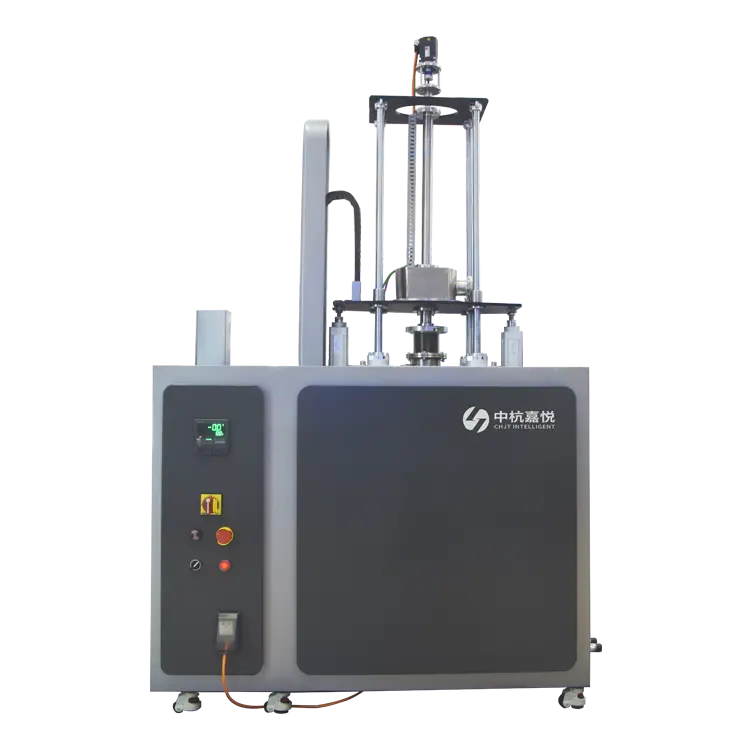
Introducing industrial robots in loading/unloading, maintenance, and cleaning steps. For example, CHJT ’s wireless cleaning robot for furnace walls automatically clears internal furnace tubes—addressing traditional manual cleaning’s low efficiency and safety risk.
Production-line integration automation
Connecting isolated equipment into integrated lines; using sensors and visual recognition systems for real-time monitoring of production status; achieving order-to-finished product full-process automation.
On top of automation, intelligence uses AI, digital twin, big data, and other technologies to endow equipment with higher capabilities:
Smart design
Looking ahead, with a comprehensive process database, AI can automatically design furnace structure and optimize heat-treatment parameters based on input parameters (e.g., temperature field curve, material properties), drastically shortening R&D cycles.
Embedding AI algorithms into control systems so that equipment can dynamically adjust temperatures, vacuum levels, etc., in real time, achieving self-optimal process control and further enhancing energy efficiency and product quality.
Predictive maintenance & smart diagnostics
Deploying various sensors, building a “digital twin” of equipment. The system can sense equipment health in real time, predict potential failures, and trigger alerts—turning passive maintenance into proactive upkeep.
Responding to the industry's demand for smarter technology, CHJT is upgrading its custom vacuum furnaces with advanced automation and intelligent control systems.
Automation product matrix.
(Here you would briefly mention the four new intelligent automatic systems: Tantalum wire continuous annealing system, E-beam furnace wall cleaning wireless robot, automatic wire-collection with paper-pad machine, three-chamber automatic loading system.)


Along with solid automation equipment foundations, CHJT is steadily advancing in the field of intelligence. Based on accumulated operational data, the company is building a process-parameter database to support intelligent control and process optimization.
For vacuum thermal equipment enterprises, future competition will no longer be about single equipment performance, but about overall solution capability. CHJT is transitioning from a traditional “equipment manufacturer” to a “leader in intelligent heat-treatment solutions”.
Building a process database to lay the foundation for intelligence: the company will systematically collect, organize, and analyze process data, supplying “nourishment” for AI models, and underpinning intelligent design and service.
Exploring AI-assisted design to reshape the R&D process: research is underway on how AI can be used for furnace structure design, thermal-field simulation, and process parameter optimization—aiming to achieve intelligent design and greatly shorten R&D cycles.
Developing intelligent control systems to enhance equipment competitiveness: committed to developing or introducing self-learning, self-adaptive intelligent control systems, continuously raising equipment intelligence levels, and creating greater value for customers.

Automation and intelligence are no longer optional in the vacuum thermal-equipment industry—they are imperative. CHJT ’s practice shows that only by proactively embracing change, viewing automation as the “foundation” to be laid, and intelligence as the “beacon” to be followed, can traditional equipment-manufacturing enterprises build core advantages in intense competition.

From “manufacturing” to “smart manufacturing”,
CHJT is driving the high-quality development of vacuum thermal equipment!