English
 português
 فارسی
فارسی
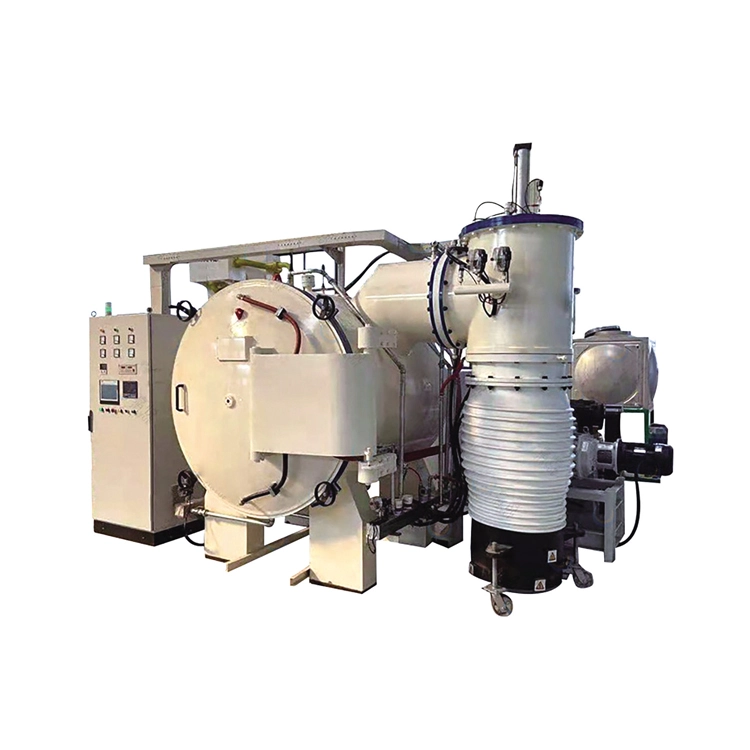
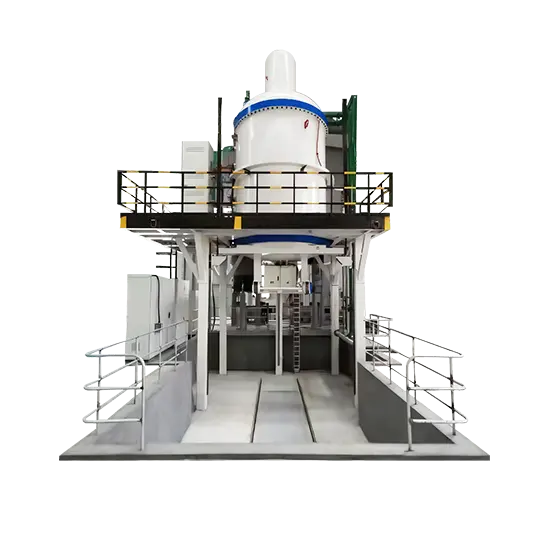
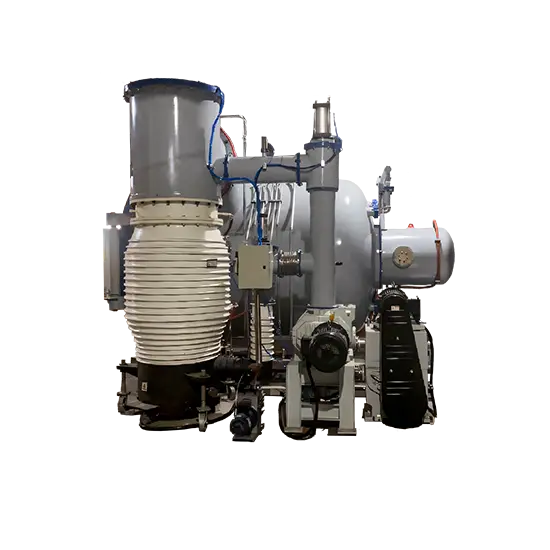
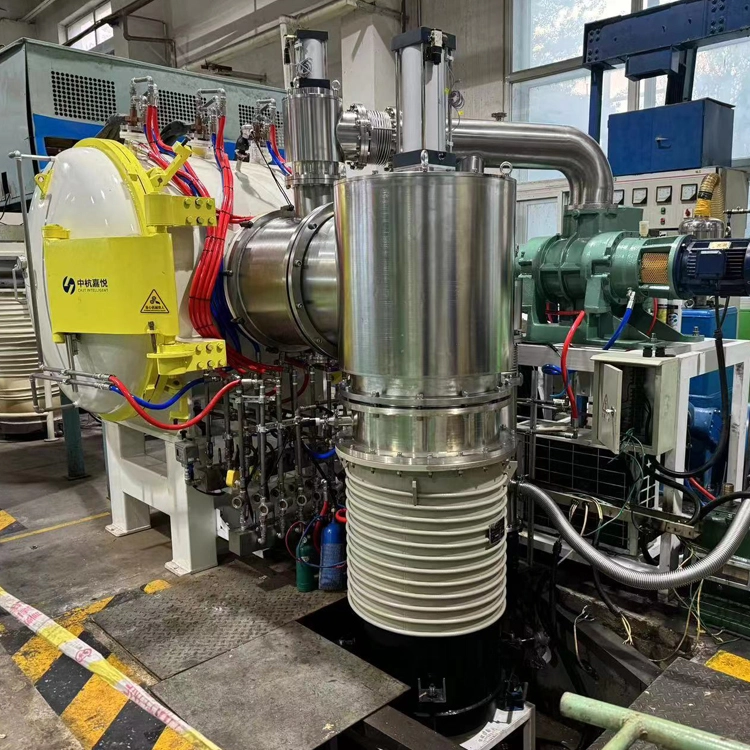
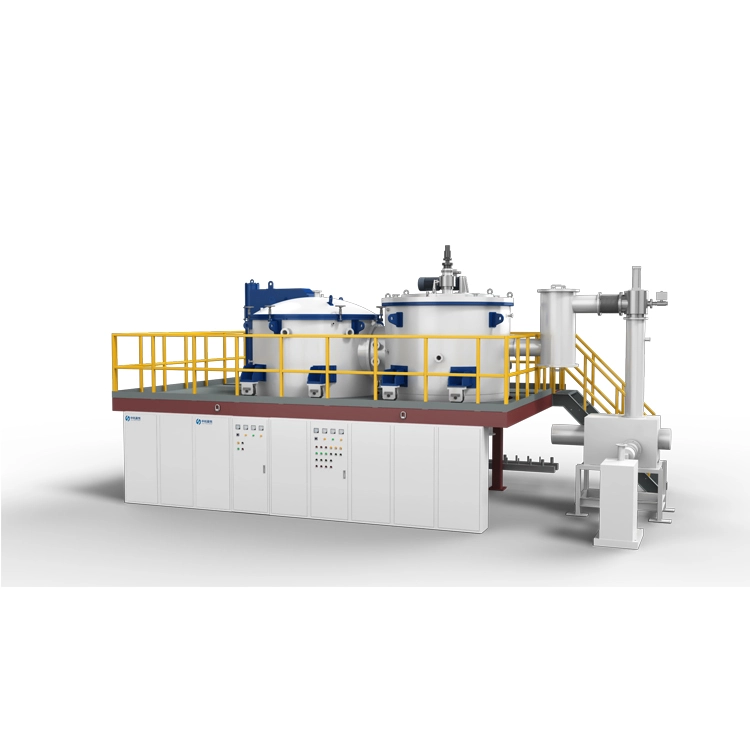
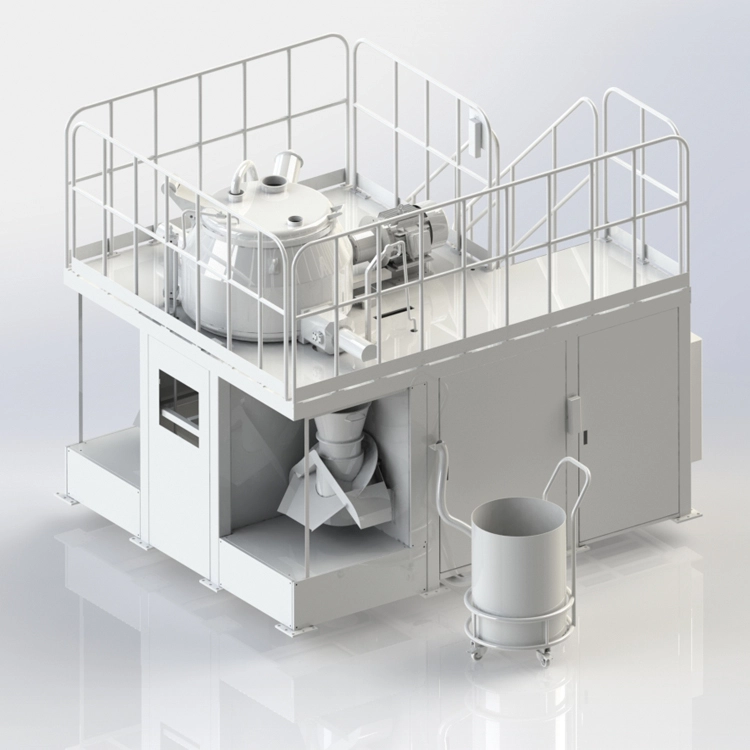
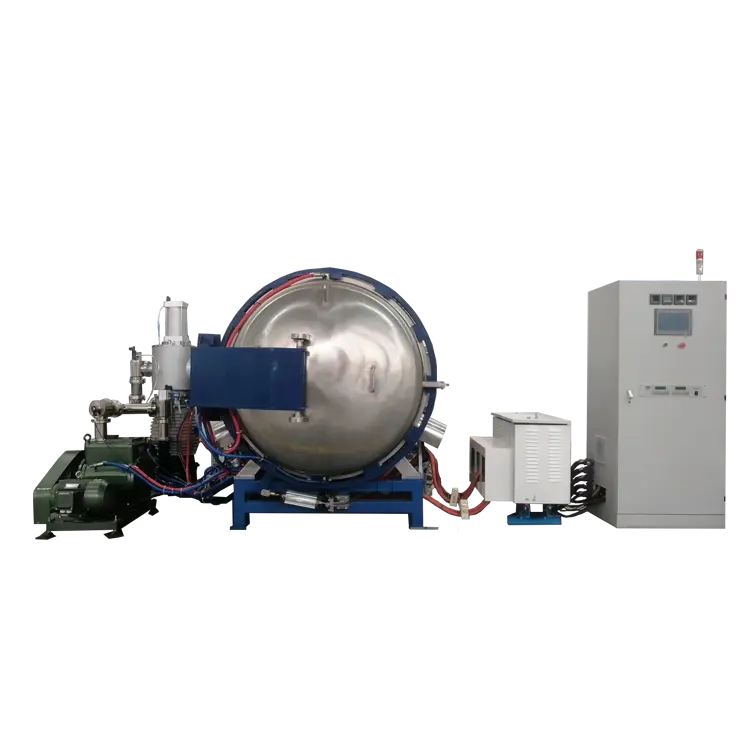
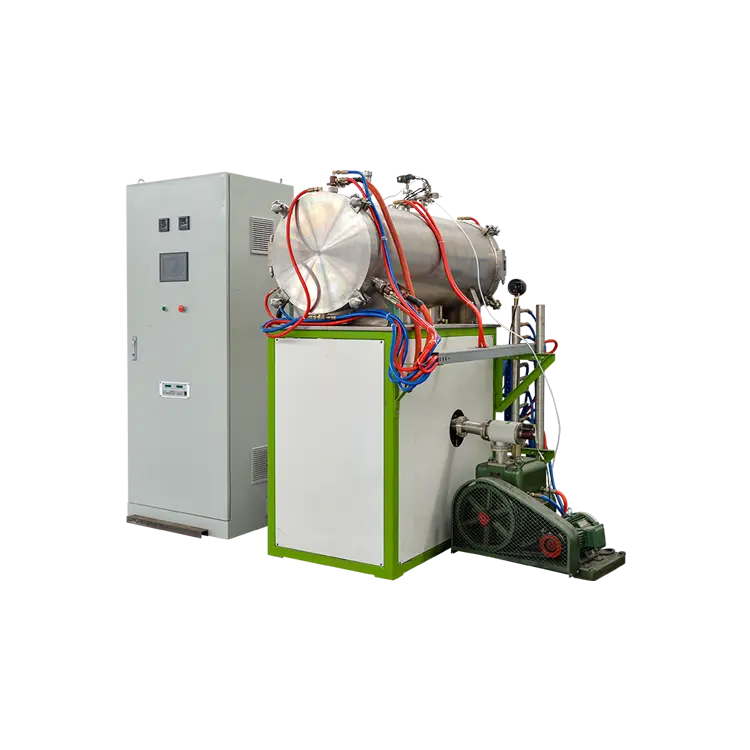
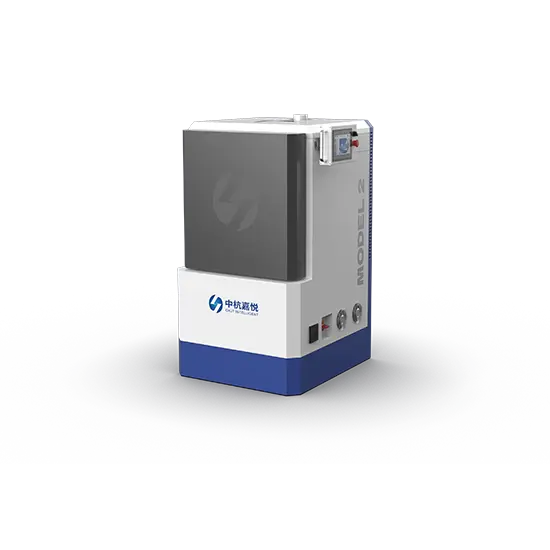
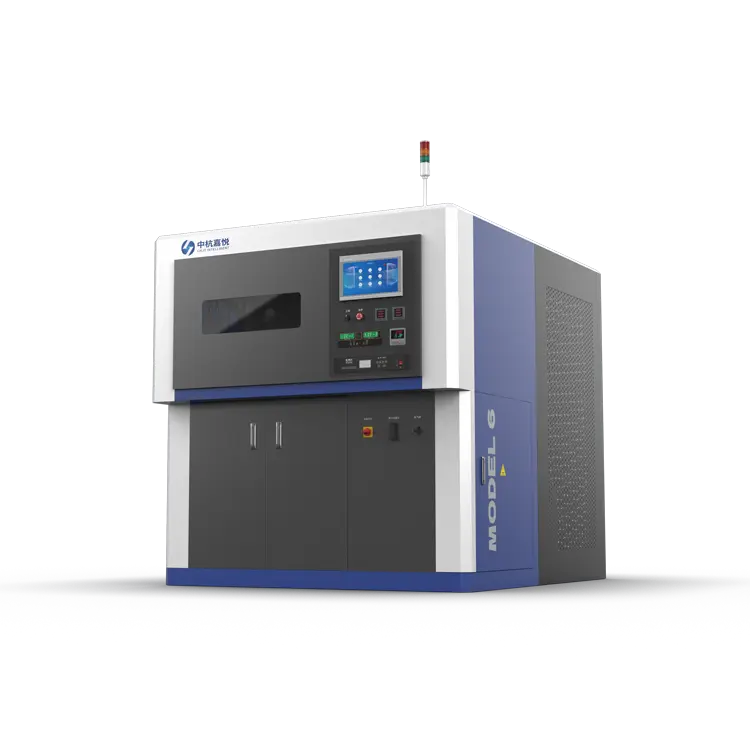
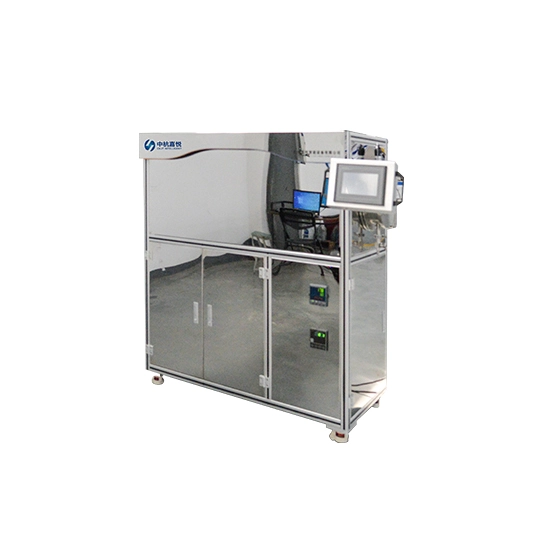
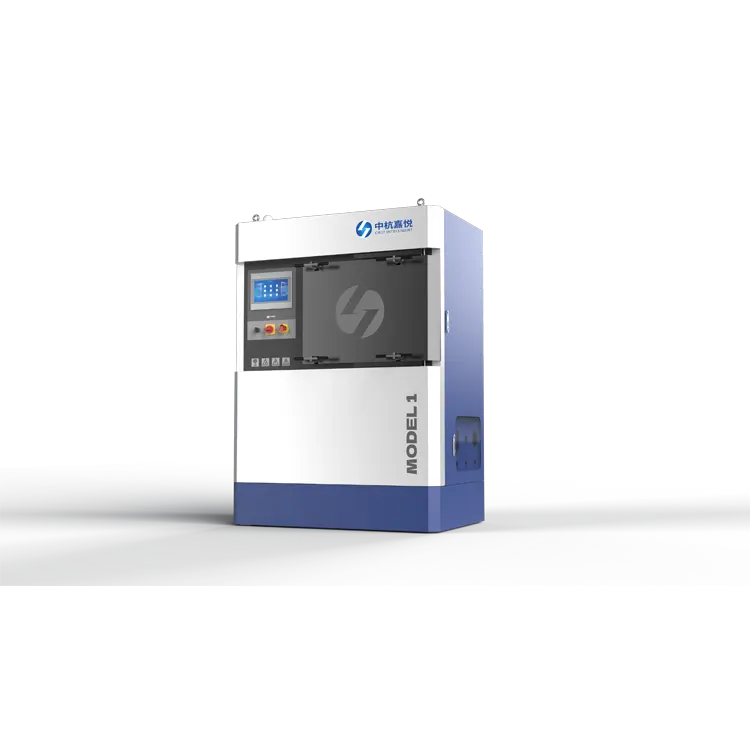
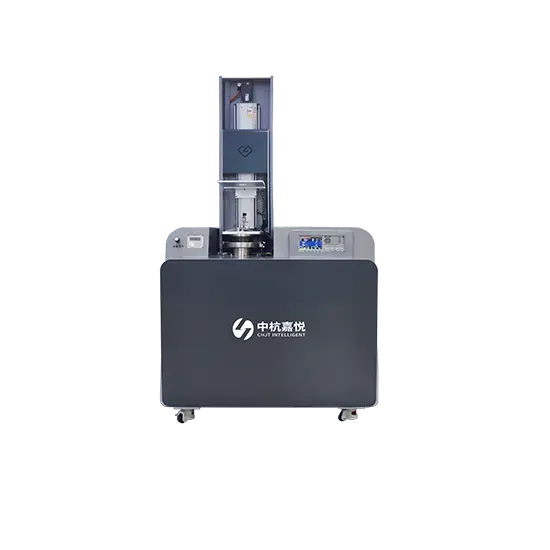
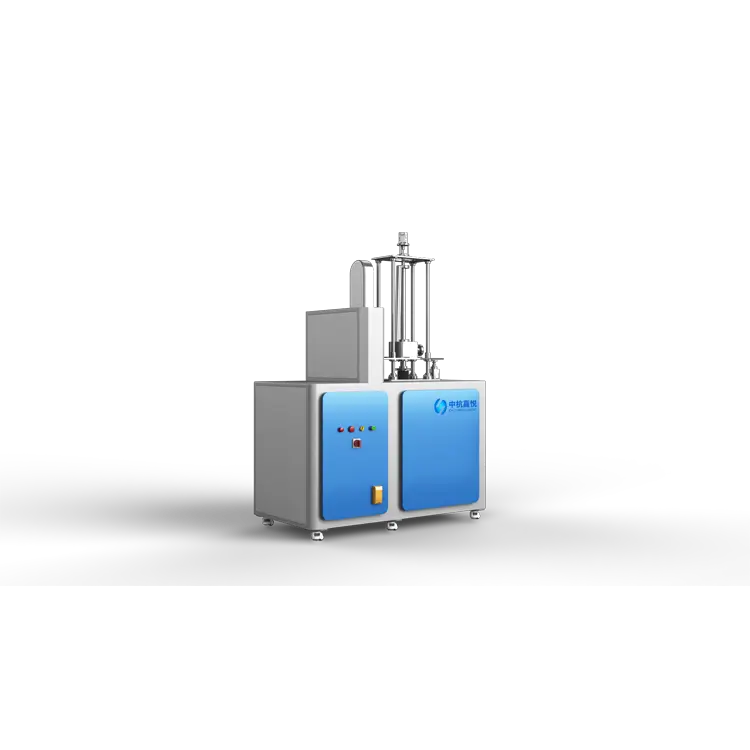
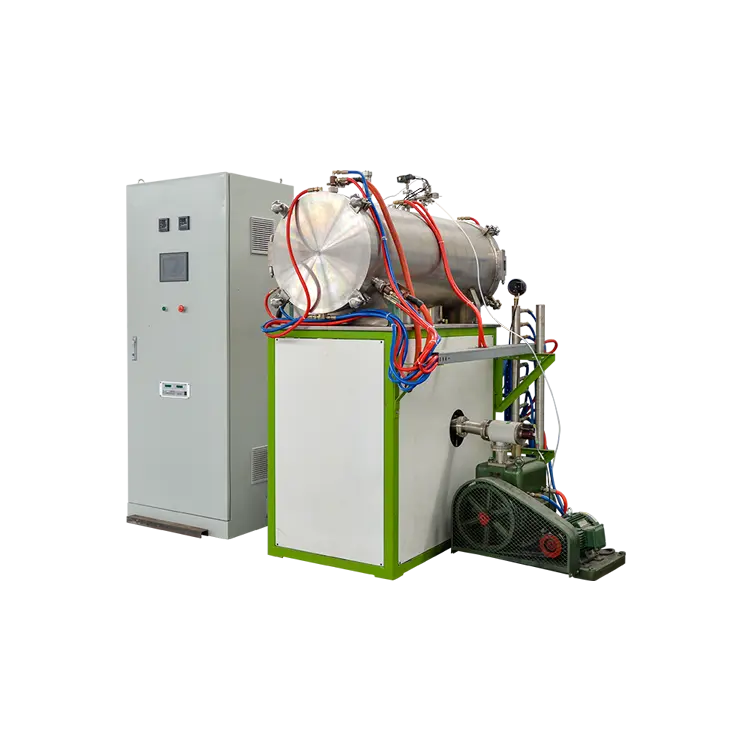
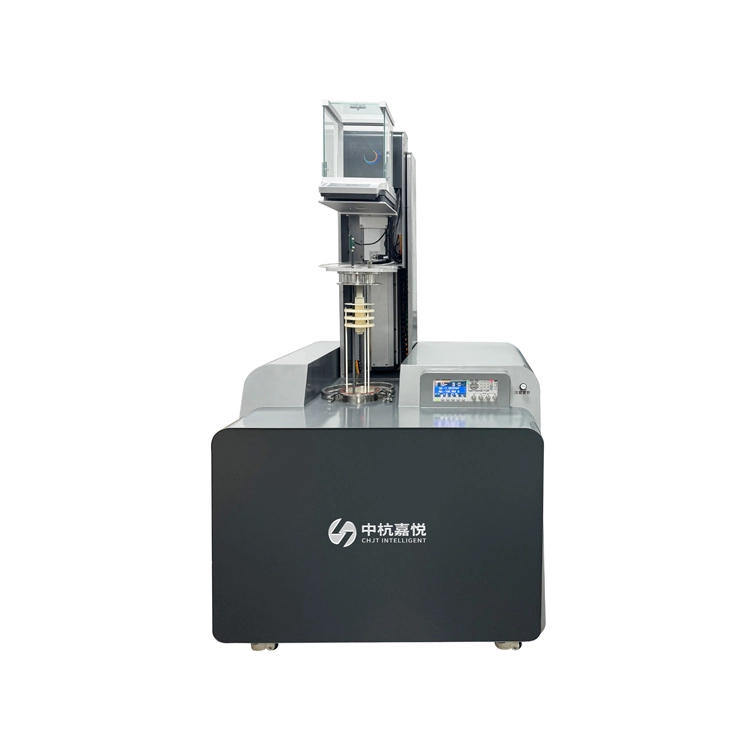
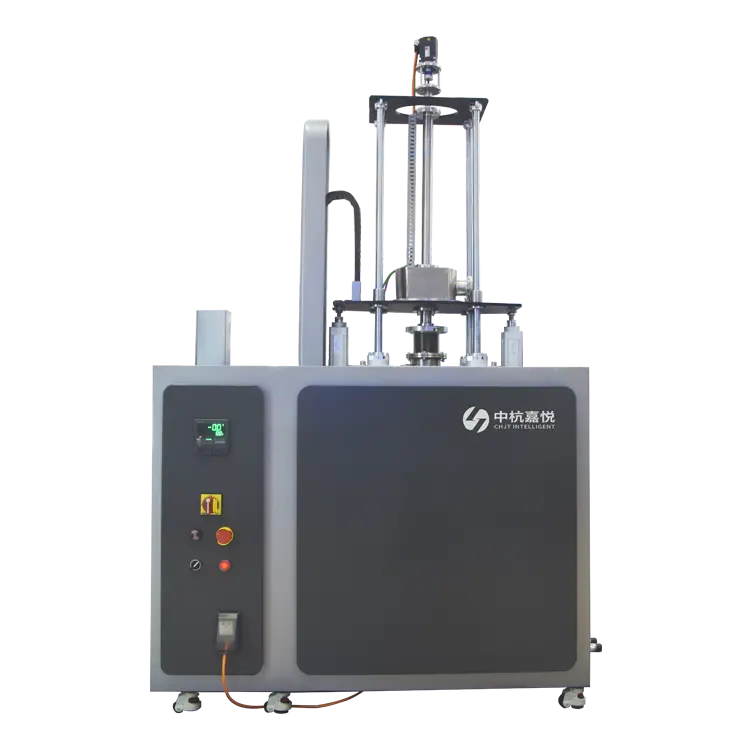
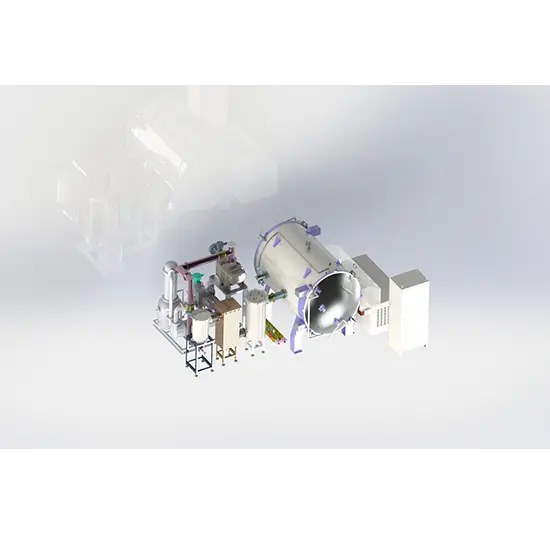
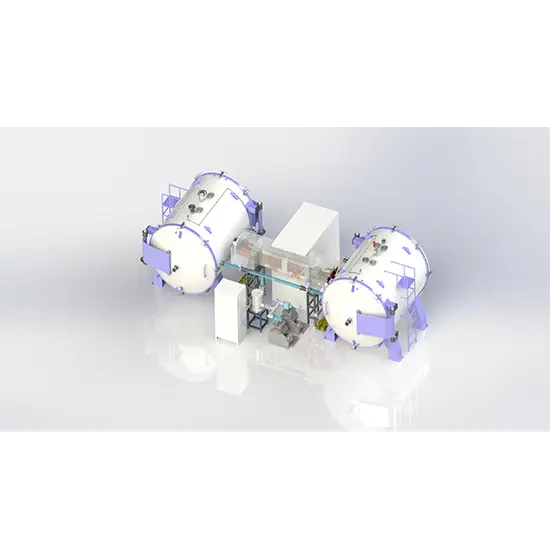
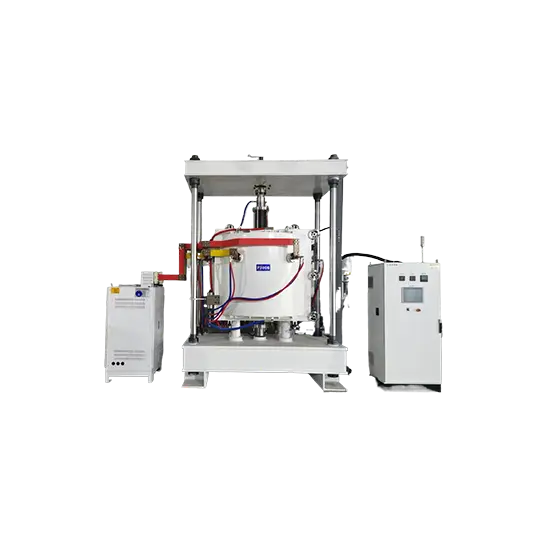
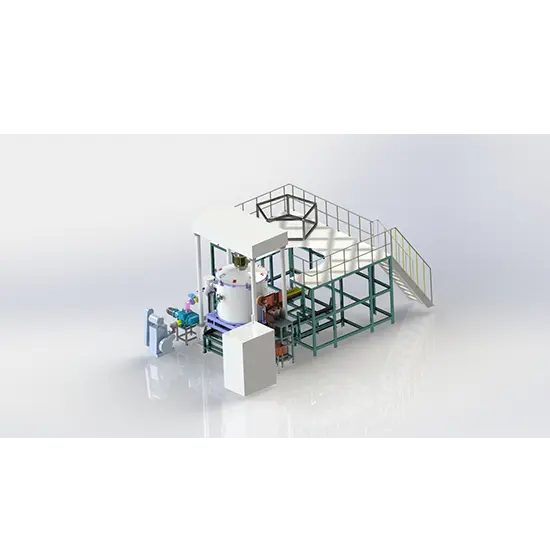
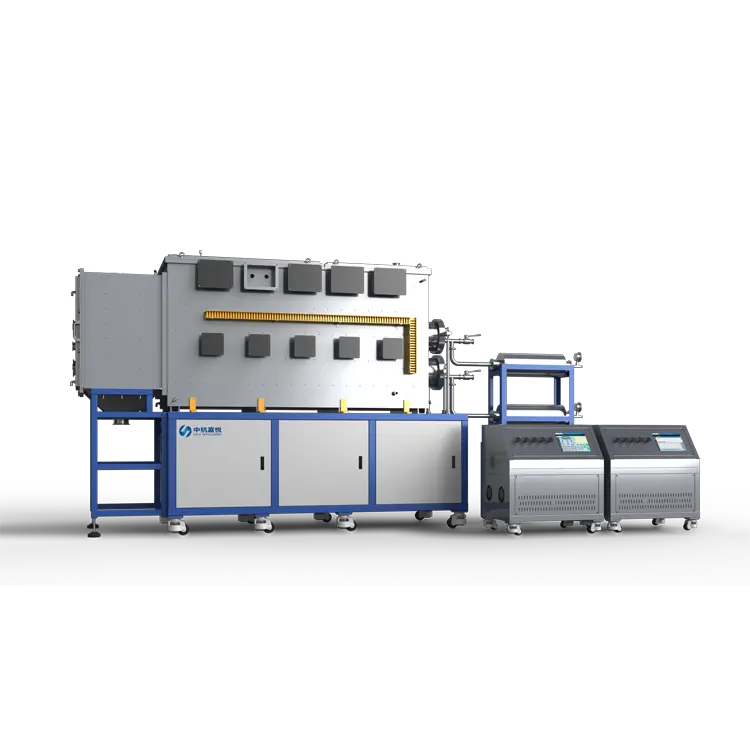
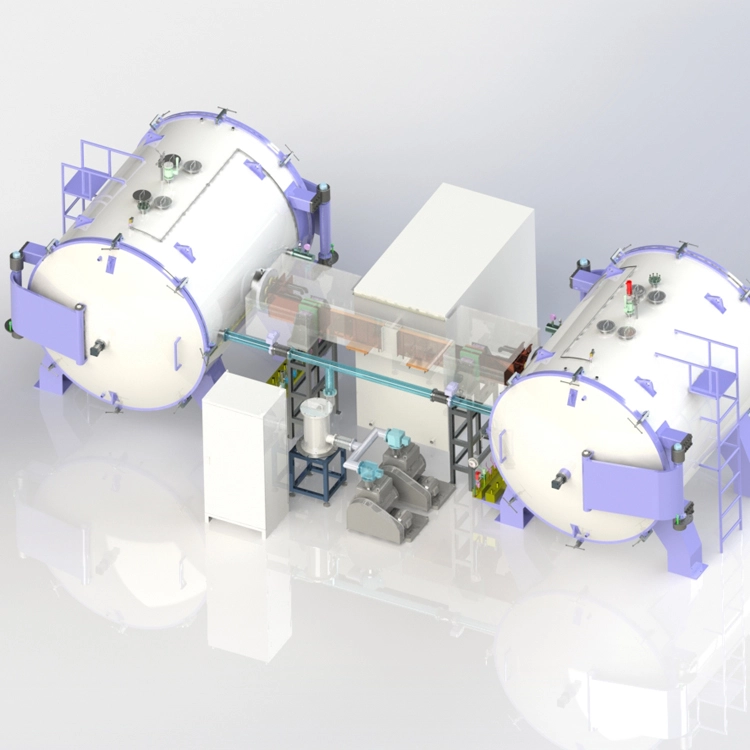
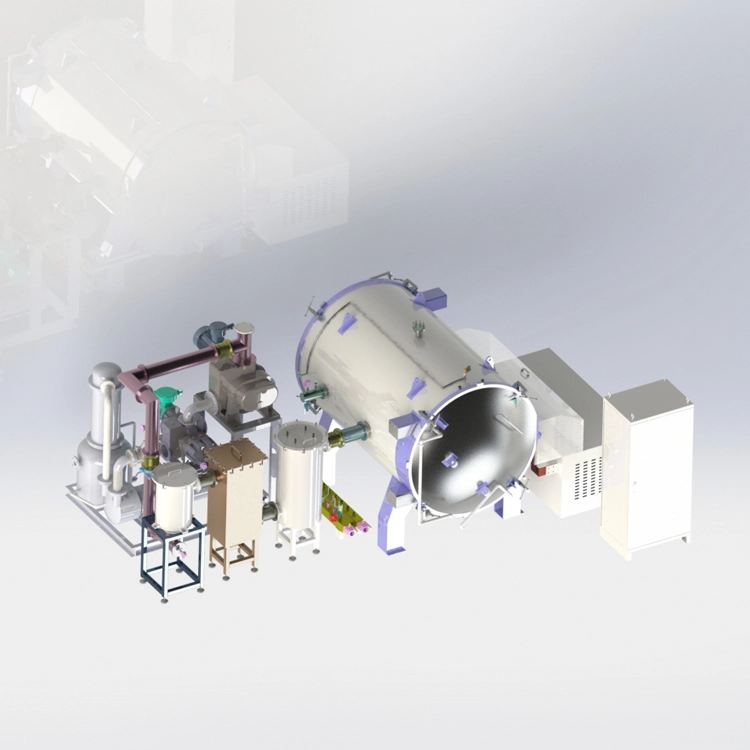
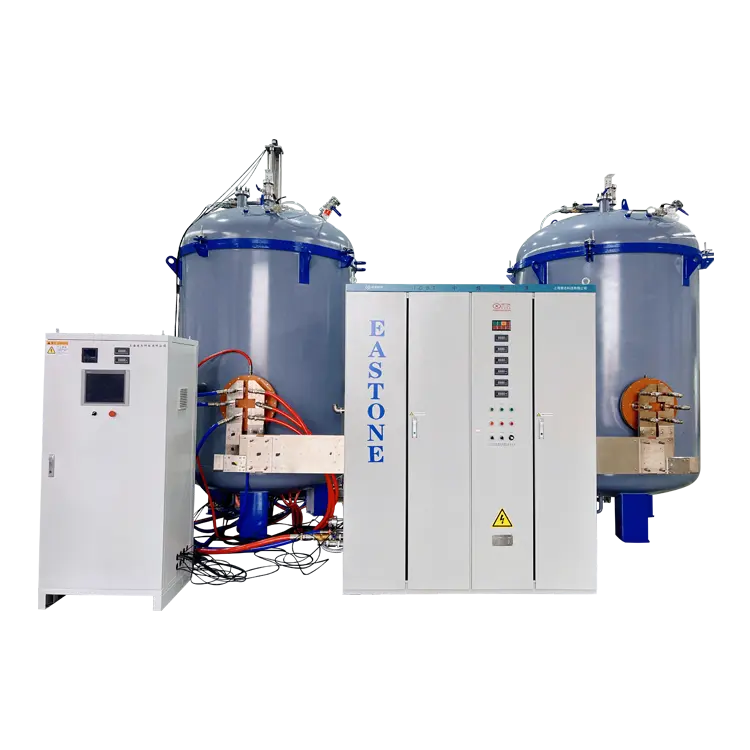
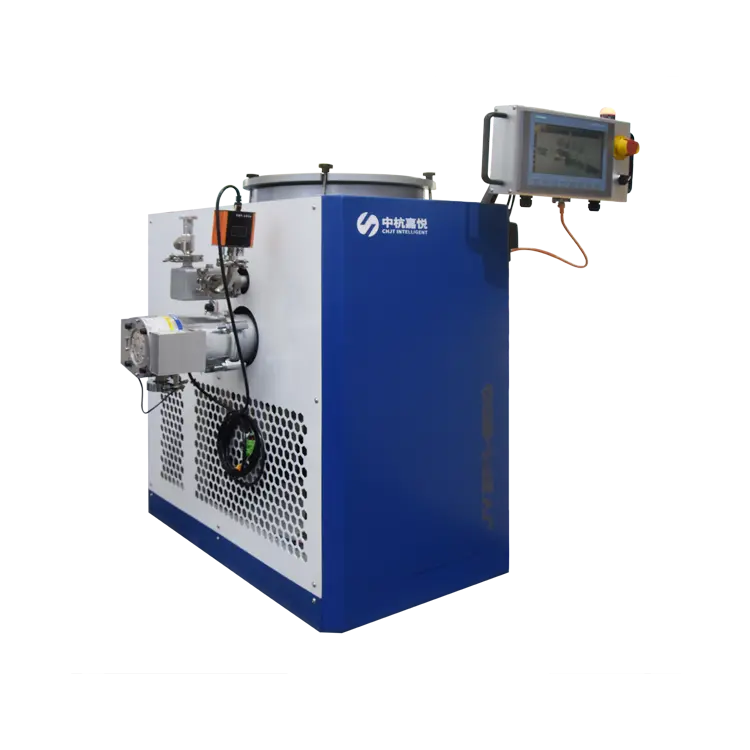
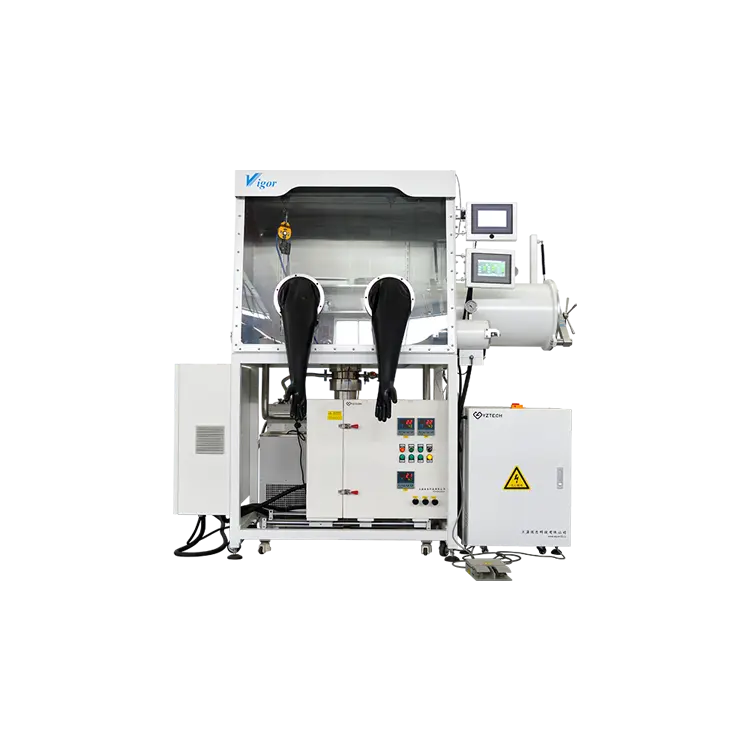
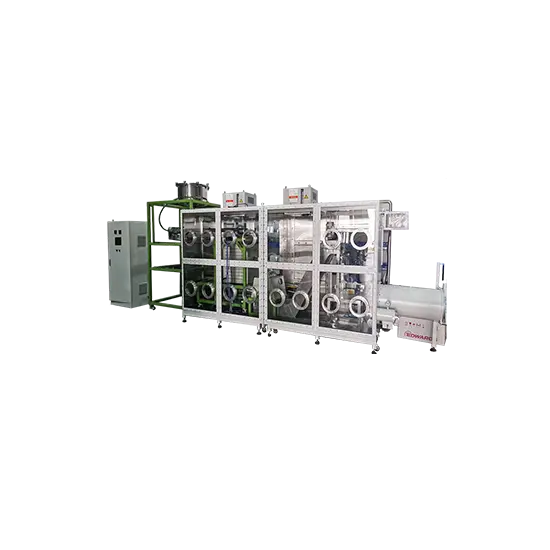
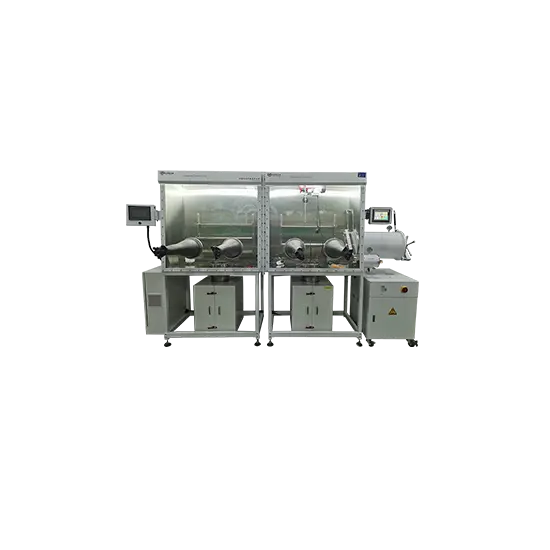
High-temperature melts refer to substances in a liquid or semi-liquid state at elevated temperatures, widely used in metallurgy, chemical engineering, new materials, and other industries. Their core properties—such as melting point, viscosity, electrical conductivity, and thermal stability—directly determine process efficiency and safety.
In electrolytic metallurgy, high-temperature melt electrolytes are used for aluminum and titanium electrolysis.
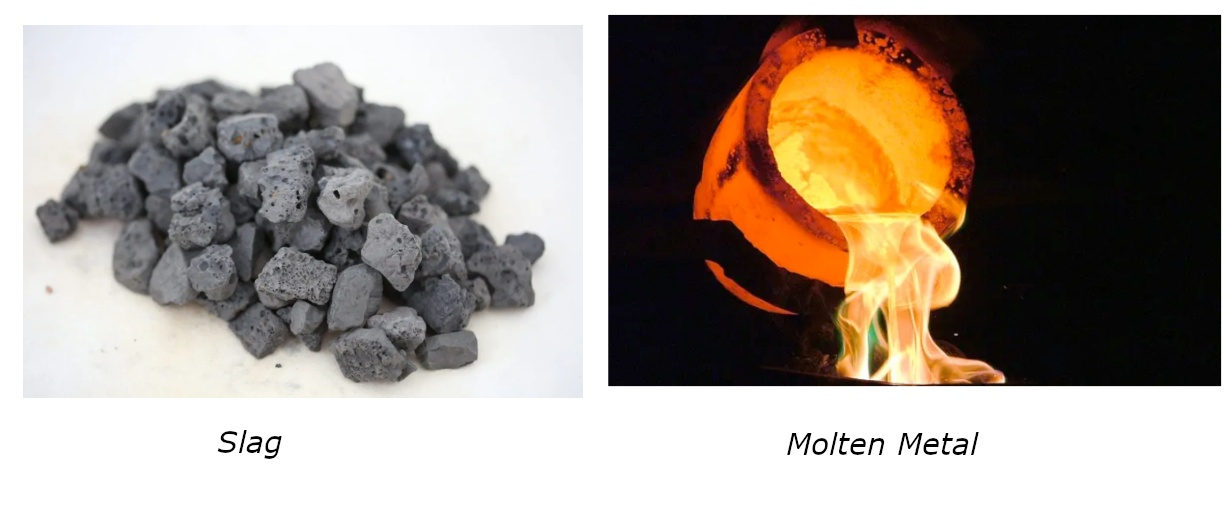
In coal chemical engineering, it primarily involves coal slag and protective slag.
Liquid metals include aluminum, copper, titanium, and low-melting-point metals like gallium and indium.
In molten salt energy storage, molten salts and thermal battery electrolytes.
Additionally, applications exist in the optoelectronics/semiconductor field, such as crystal growth via melt methods and specialty glass (e.g., ITO-grade glass).
The industry currently faces a widespread "Three No's" predicament:
No Standard Samples: Lack of authoritative reference or standard samples. Differences in sample sources and pre-treatment across labs lead to inconsistent baselines, making data reliability difficult to verify.
No Standard Methods: Lack of unified test methods for density, viscosity, conductivity, etc. Variations in procedures, such as heating rates, degassing, and immersion geometry, cause significant deviations in results, preventing reliable data comparison.
No Mature Equipment: Existing instruments perform inconsistently under high temperature, strong corrosion, or low viscosity conditions, often exhibiting poor stability and struggling to operate long-term in industrial applications.
Without standards, how can we talk about measurement? Without accuracy and comparability, how can we talk about engineering decisions?
Measuring the properties of high-temperature melts is constrained by extreme temperatures, strong corrosiveness, and complex environments, rendering traditional methods inadequate and ensuring accuracy difficult. Specific challenges include:
Container Selection Difficulty: Finding materials resistant to both heat and corrosion at high temperatures is hard. Common materials can contaminate the melt or degrade, compromising data authenticity.
Temperature Field Control Difficulty: Intense thermal radiation and temperature fluctuations make it hard to maintain a uniform, stable measurement environment, particularly affecting parameters like specific heat capacity and thermal conductivity.
During measurement, melts can undergo decomposition, oxidation, volatilization, etc., causing sample composition to change over time. This leads to drifting measurement data and distorted results.
Phase transitions or other reactions during measurement cause data to be dynamic, resulting in poor test repeatability.
Contact Sensors: Prone to interference from high temperature and corrosion, with errors like electrode polarization and thermoelectric effects amplified.
Non-contact methods (e.g., levitation techniques) involve complex equipment, are difficult to control, and have high barriers to engineering application.
To tackle these challenges, CHJT focuses on the practical implementation of cutting-edge technologies:
Developing containerless techniques (e.g., electromagnetic levitation) to avoid container contamination and obtain purer property data.
Developing transient measurement methods (e.g., laser flash analysis) to complete measurements in extremely short timescales, minimizing environmental interference.
Integrating optical/electromagnetic sensing for non-contact, high-speed, high-precision signal acquisition, enhancing system reliability.
Combining simulation with experiment, using molecular dynamics calculations to supplement and validate experimental data, improves credibility.
Through these technological pathways, CHJT is committed to transforming complex advanced methods into stable, reproducible industrial testing solutions, laying a solid foundation for establishing industry standards.
Foreign Players: Companies like Austria's Anton Paar have deep expertise in high-temperature rheology/melt viscosity, and US-based TA Instruments has mature methodologies for high-end property measurement systems. However, they primarily offer "high-temperature universal platforms," which lack sufficient adaptation for highly corrosive molten salts or electrolytic conditions, and come with high purchase and maintenance costs.
Domestic Research: Institutions like Northeastern University and CAS have methodological expertise in molten salt and liquid metal properties, but this mostly remains at the academic/lab level, lacking industrialized, standardized products.
| Parameter | CHJT | Competitor 1 | Competitor 2 |
|---|---|---|---|
| Temperature Range | Room Temp. ~ 1600°C | Room Temp. ~ 1200°C | Room Temp. ~ 1200°C |
| Total Power | 6 kW | 8 kW | 6 kW |
| Test Atmosphere | Protective Gas (Inert: Ar, H₂) | Protective Gas (Inert: Ar, H₂) | Vacuum |
| Density Accuracy | ≤ ±1% | - | ≤ ±1.5% |
| Surface Tension Accuracy | ≤ ±5% | - | - |
| Heating Rate | 0.1 ~ 10°C/min | 0.1 ~ 10°C/min | 0.1 ~ 10°C/min |
| Temp. Control Accuracy | ≤ ±1°C (no interference) | ≤ ±1°C (no interference) | ≤ ±1°C (no interference) |
| Conductivity Accuracy | ≤ ±5% | ≤ ±6% | - |
| Initial Crystallization Temp. Accuracy | ≤ ±1°C | - | - |
Market Gap: There is still an absence of systematic standards and supporting services that are widely applicable in industrial settings and recognized by the industry. The true advantage of localization is not just price, but also rapid local service and customized adaptation to material systems, which is key to supporting continuous operation and large-scale data comparison for industrial users.
Addressing industry pain points and market demand, we clearly propose: Standard Samples + Standard Methods + Standard Procedures = Reliable Data System. Equipment is merely the vehicle for these standards. Our approach includes three key entry points:
Develop reference formulas based on industry materials (electrolytic metal melts, chloride/fluoride molten salts, low-melting-point liquid metals, high-temperature inorganic melts, etc.) and create reproducible, preservable standard samples for instrument calibration and inter-laboratory comparison. Promote sample circulation and mutual recognition to ensure data consistency and reduce errors caused by sample variation.
Develop detailed test methods and control points (e.g., heating curves, degassing treatment, measurement duration) for key parameters like density, viscosity, conductivity, and liquidus temperature.
Validate method consistency through round-robin tests, identifying and correcting error sources. Conduct uncertainty evaluations to determine measurement precision, ultimately delivering standardized operating procedures (SOPs) to ensure data comparability across different devices.
Establish a full-process quality control system from sample preparation to data processing, including reference sample traceability, regular instrument calibration, and operator certification. CHJT offers integrated service packages (equipment + methods + training) to reduce the user learning curve and enhance data comparability.
Collaborate with research institutions and industry associations to promote the formation of industry standards. CHJT's goal is not merely to provide equipment, but to deliver a replicable, verifiable, and reliable testing system for the industry through standard samples, methods, and procedures, facilitating the transformation of lab data into decision-grade industrial data.
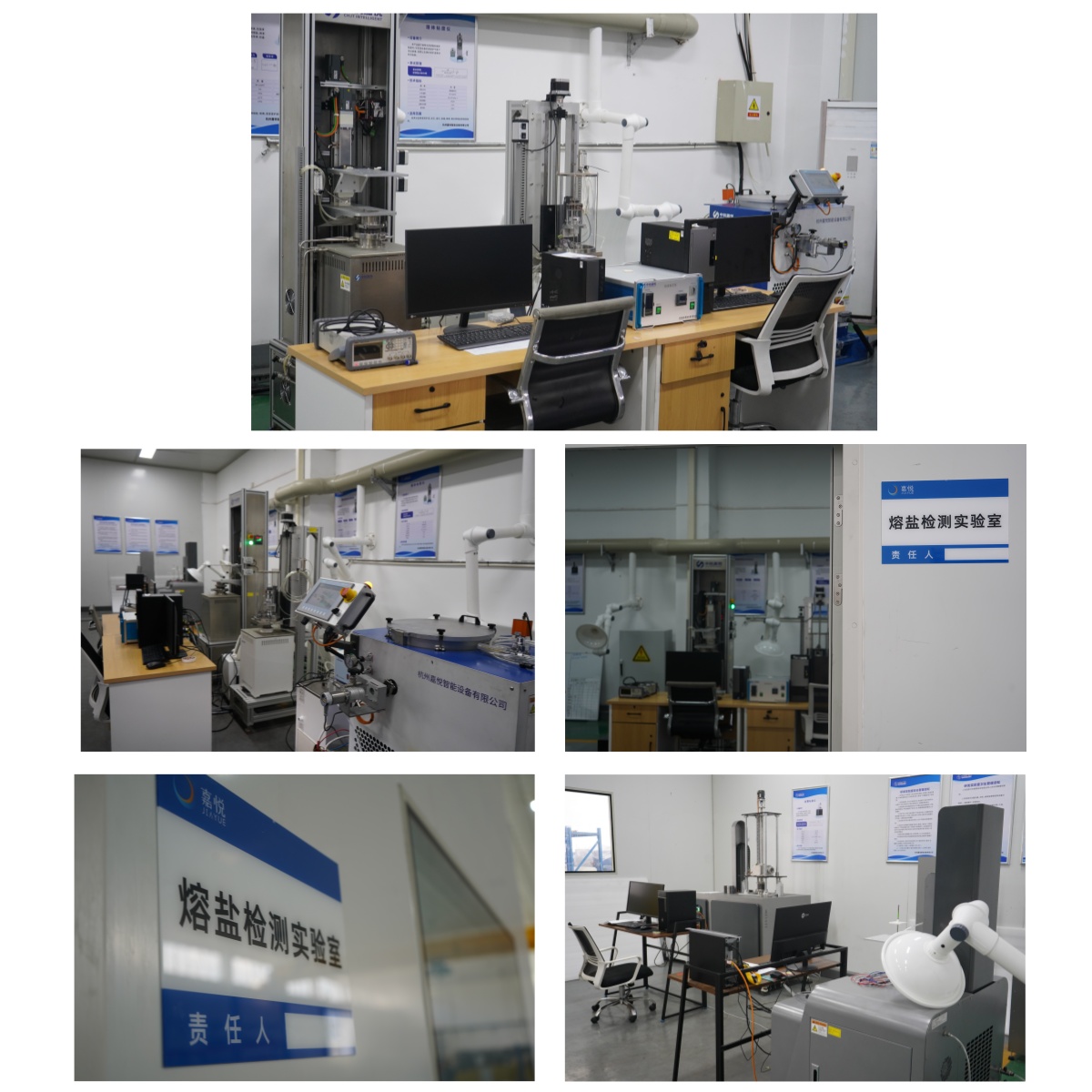
As a pioneer in domestic melt detection technology, CHJT has accumulated over ten core patents and extensive technical experience. Moving forward, the company will increase market share through scaled, standardized production while introducing automation and intelligent upgrades to achieve fully unmanned measurement processes. More importantly, CHJT will continue to promote the establishment of standard samples, methods, and procedures, aiming to lead the development of the standard system for high-temperature melt measurement in China.
Starting with equipment manufacturing, aspiring to lead through standards – CHJT is determined to make the "Chinese Standard" resonate more strongly in the global melt measurement field!