English
 português
 فارسی
فارسی
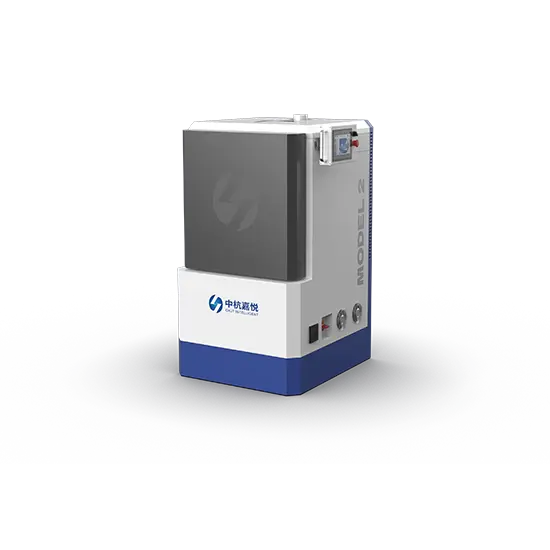
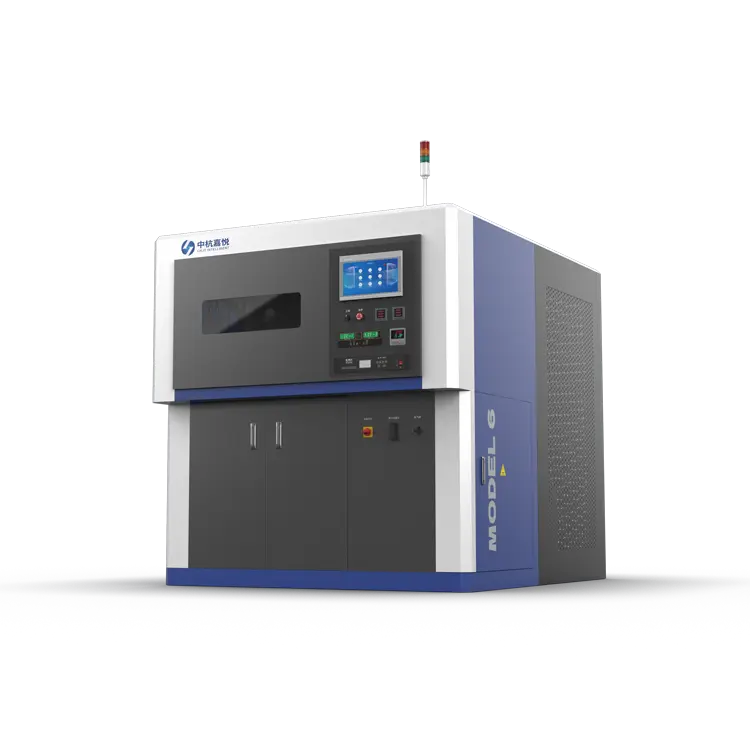
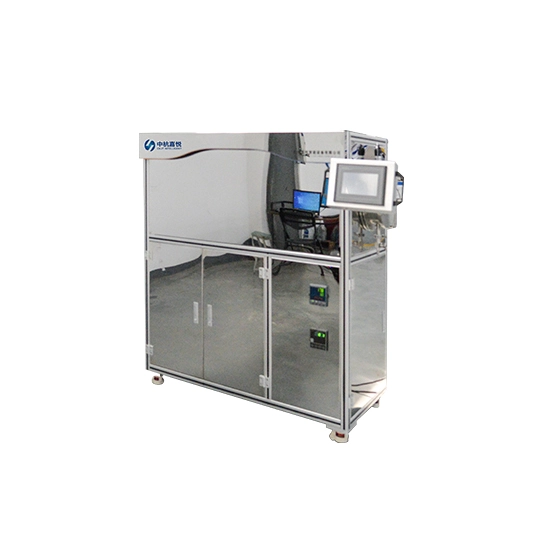
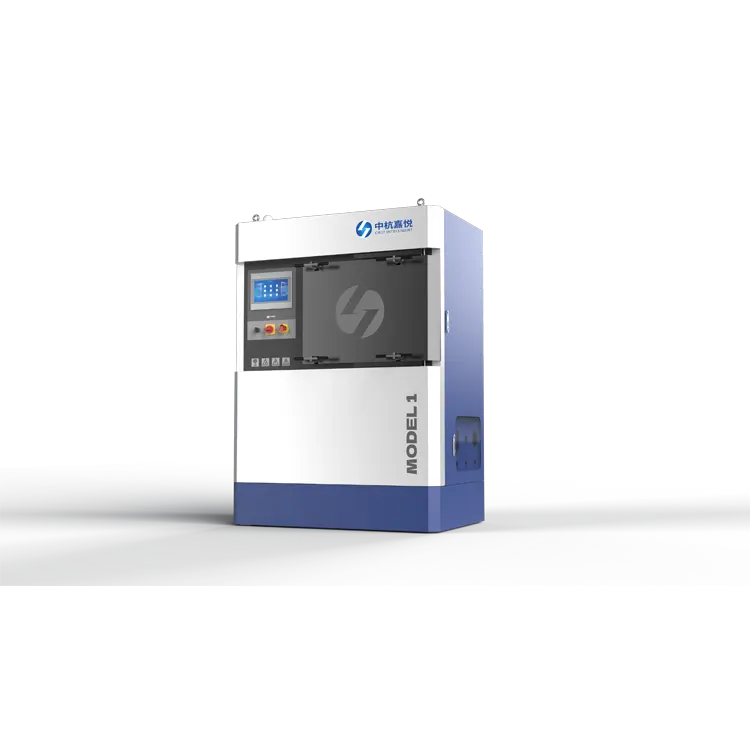
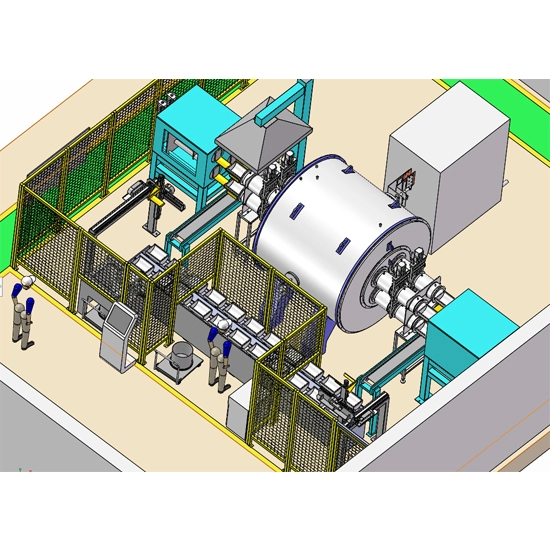
How the "Jiayue" System Achieves a Manufacturing Revolution with "Fully Oxygen-Free, Fully Controllable" Processing
Recently, Nature Communications reported a novel solid-state battery material that is as soft as modeling clay, yet costs only one-third of traditional materials. This breakthrough has once again sparked widespread speculation: Is the long-awaited spring for all-solid-state batteries finally arriving?
However, while the research community celebrates successive breakthroughs, the industrial sector faces a far more pragmatic challenge: How can milligram-level "miracle materials" from the laboratory be transformed into ton-scale "industrial products" ready for factory production?
The gap between these two scales is far larger than commonly imagined.
All-solid-state batteries are widely regarded as the ultimate energy storage solution for the next generation, with sulfide electrolytes standing out as the dominant technological pathway. Unlike the continuous emergence of novel material systems in the lab, the sulfide route has already passed the initial technical validation stage and now stands at the doorstep of industrial application.
Yet, it is precisely this "last step" that proves the most difficult to overcome.
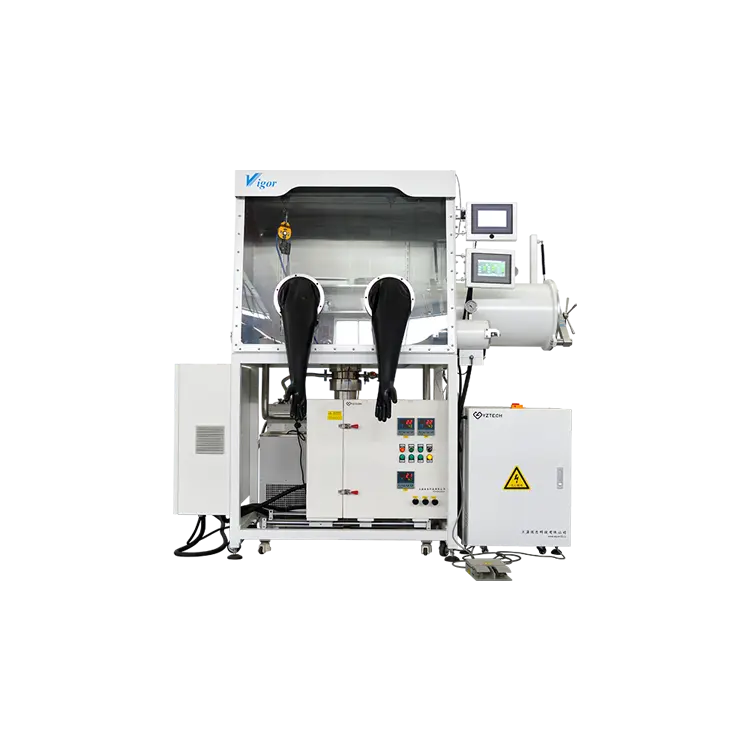
The core challenge lies in manufacturing. Sulfide materials have a critical vulnerability—exposure to trace amounts of water or oxygen renders them ineffective. This necessitates that the entire production process, from material feeding, mixing, and sintering to final packaging, must be conducted in an oxygen-free and moisture-free environment, thousands of times cleaner than an operating theater.

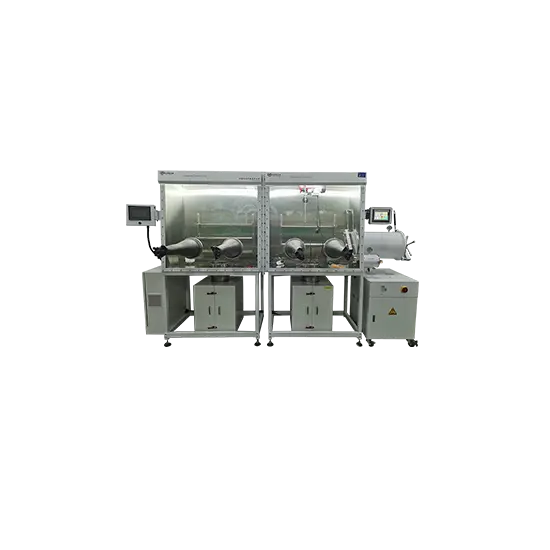
Currently, the industry predominantly relies on manual operations within glove boxes using batch-style processes. While acceptable for R&D, this approach reveals three critical flaws when scaled to meet the demands of future electric vehicle production:
① Inconsistent Quality: Manual operations inevitably introduce variability, leading to significant performance discrepancies between batches.
② Severely Limited Production Capacity: The inability to run continuous processes creates a low ceiling on achievable output.
③ Prohibitively High Costs: The consumption of high-purity inert gases is massive, and labor costs remain high.
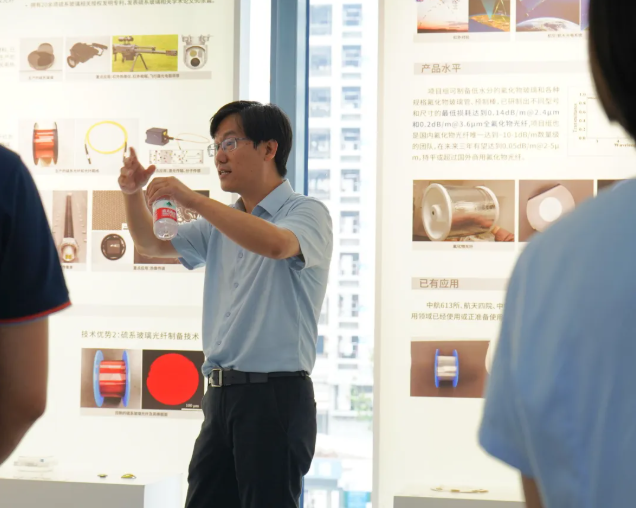
There is a vast chasm between the "sample" produced in a lab and the "product" needed by a factory, a chasm bridged only by a complete, high-end manufacturing system. The next phase of industry competition has shifted from a race of material formulations to a contest of manufacturing processes and equipment.
Scaling up the production of such environmentally sensitive materials requires more than simply stacking equipment. It demands a deep integration of profound material process understanding with advanced manufacturing technologies.
The core breakthrough hinges on two critical aspects:
First, precision synthesis under high temperatures. The final performance of the material is often determined in an instant during high-temperature treatment. A temperature fluctuation of just 1°C can mean the difference between a perfect crystal structure and a flawed one, ultimately impacting the battery's lifespan and safety. Achieving precise control over this high-temperature process (e.g., temperature control accuracy of ±1°C) is the physical foundation for ensuring material consistency.
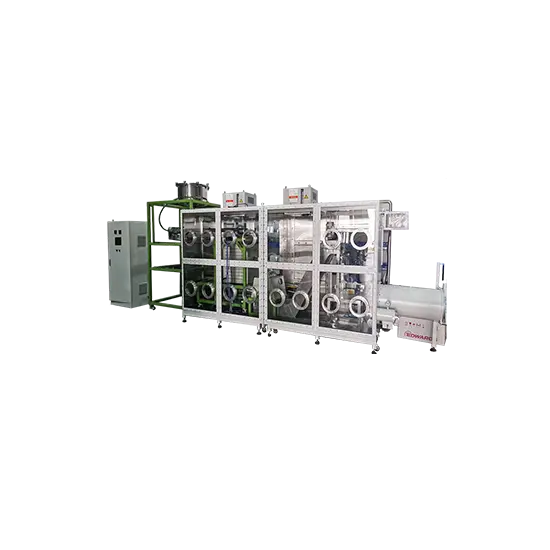
Second, fully automated control across the entire workflow. Every stage—from raw material handling, mixing, and reaction to final product packaging—must be hermetically sealed from the atmosphere while maintaining precise parameter control and material tracking. This requires a comprehensive, closed-loop automated system capable of replacing manual labor to perform all operations within this "absolute exclusion zone."
This represents the technological pinnacle of high-end solid-state electrolyte manufacturing. It demands that a company possess not only deep material science expertise but also mastery over equipment engineering, process technology, and automation—a formidable combination that many material-focused companies struggle to achieve independently.
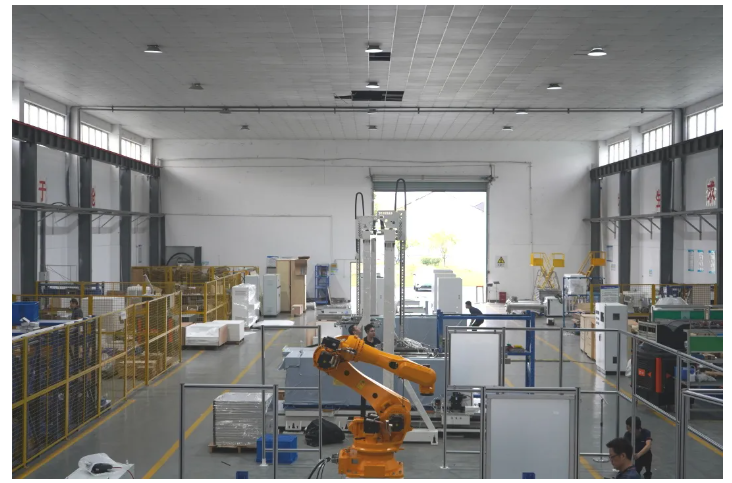
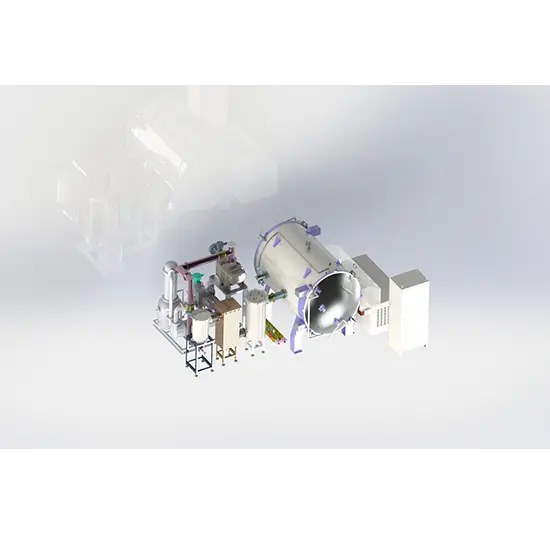
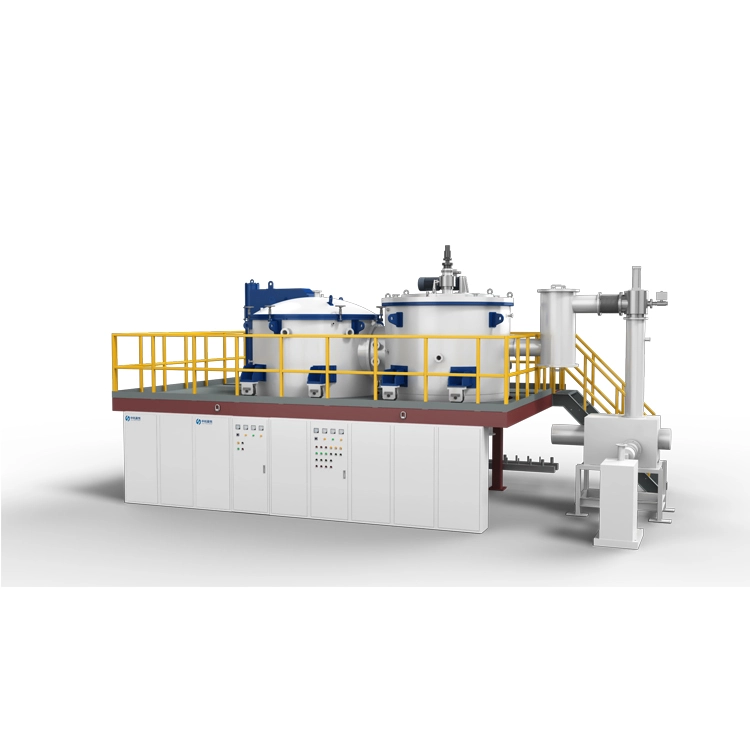
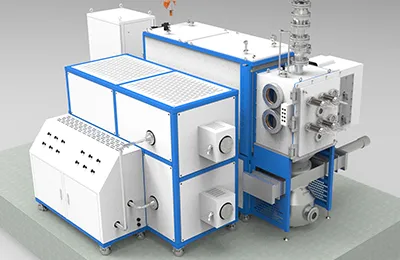
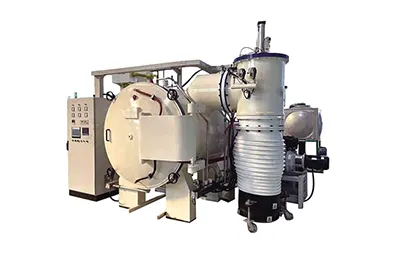
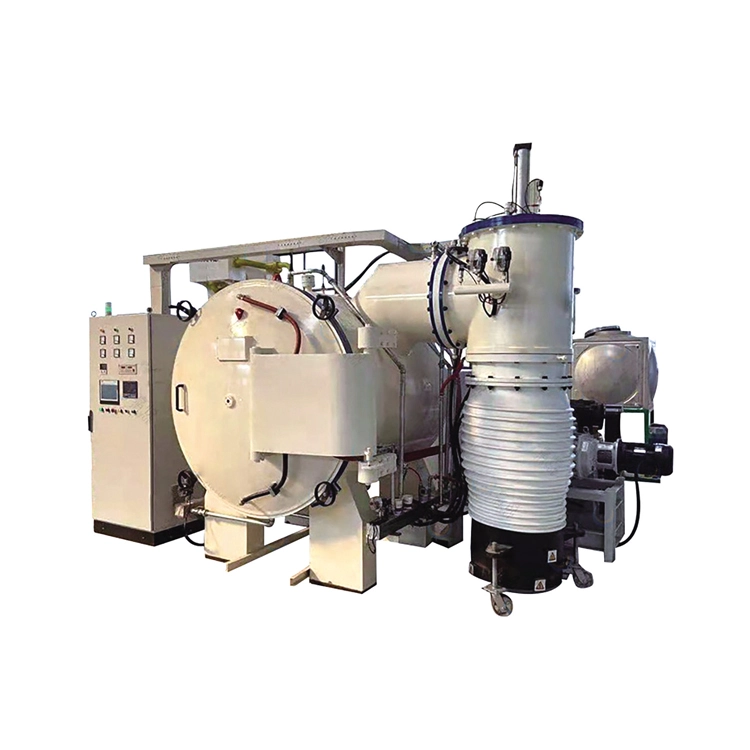
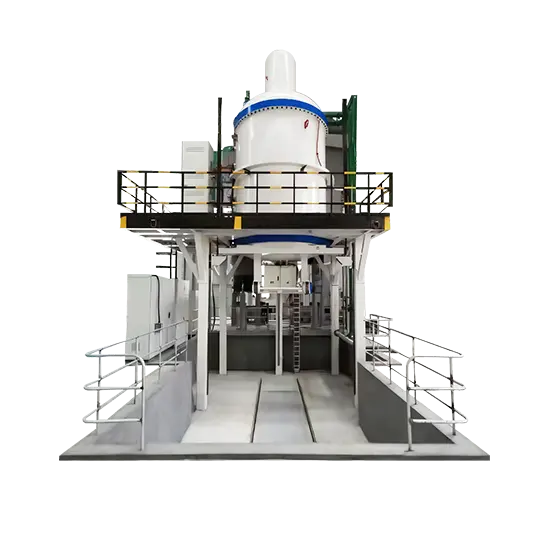
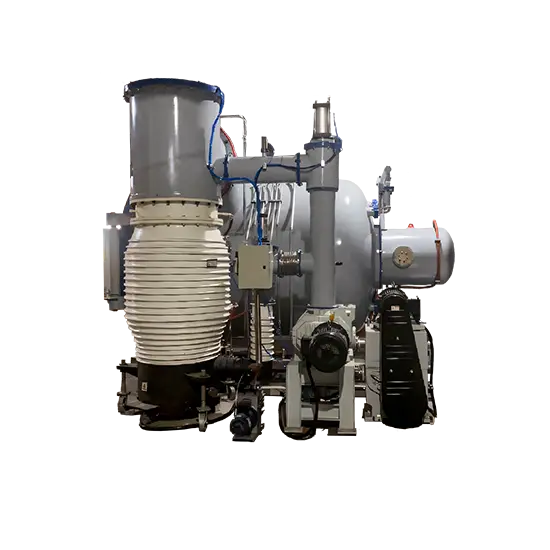
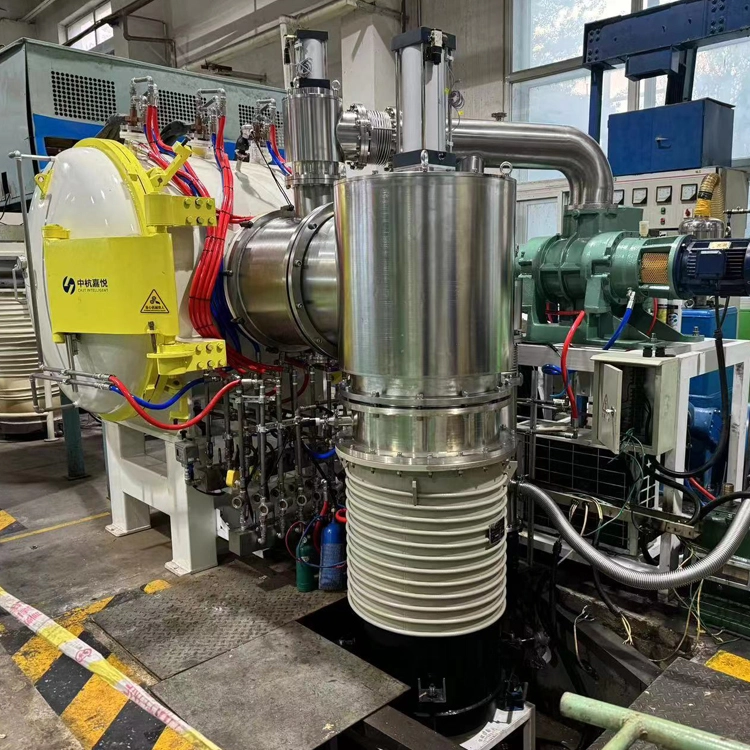
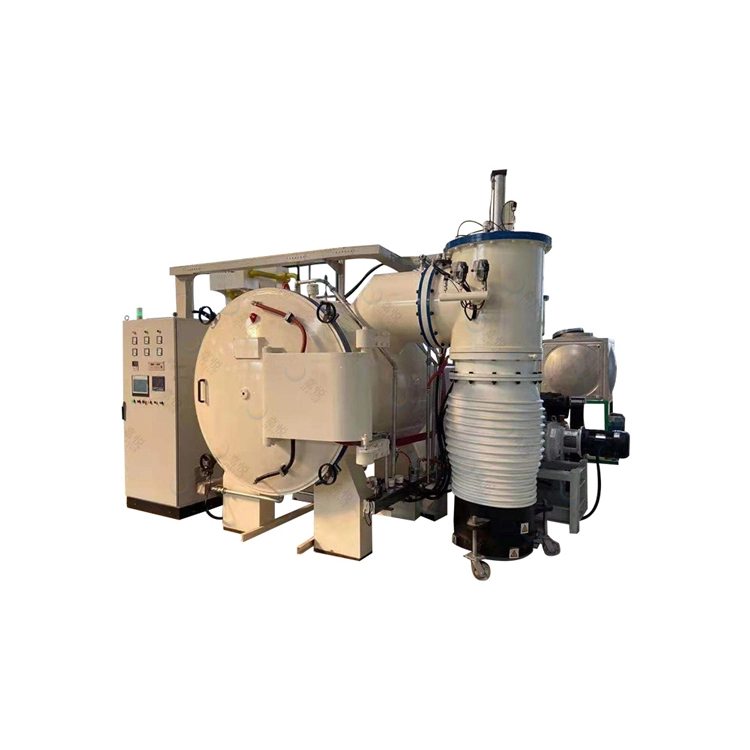
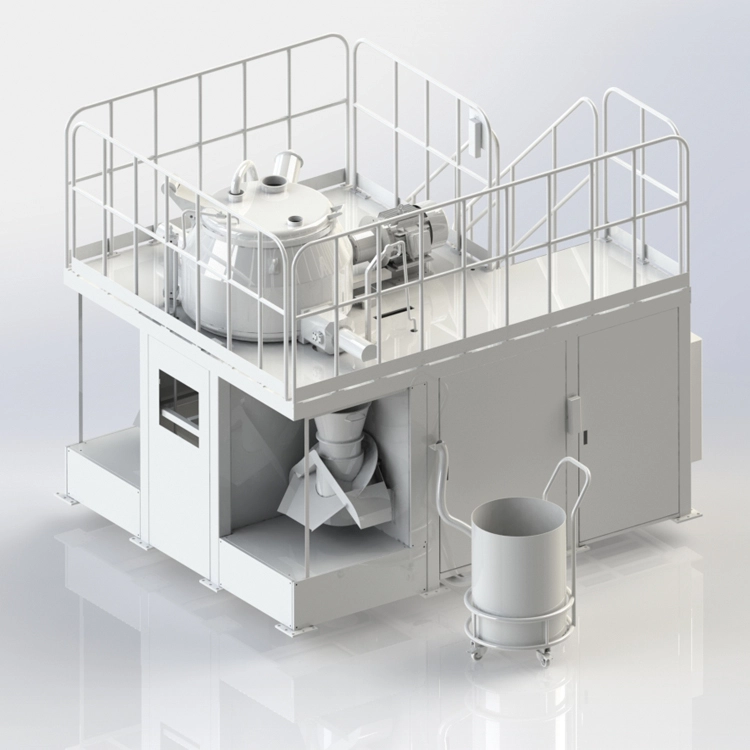
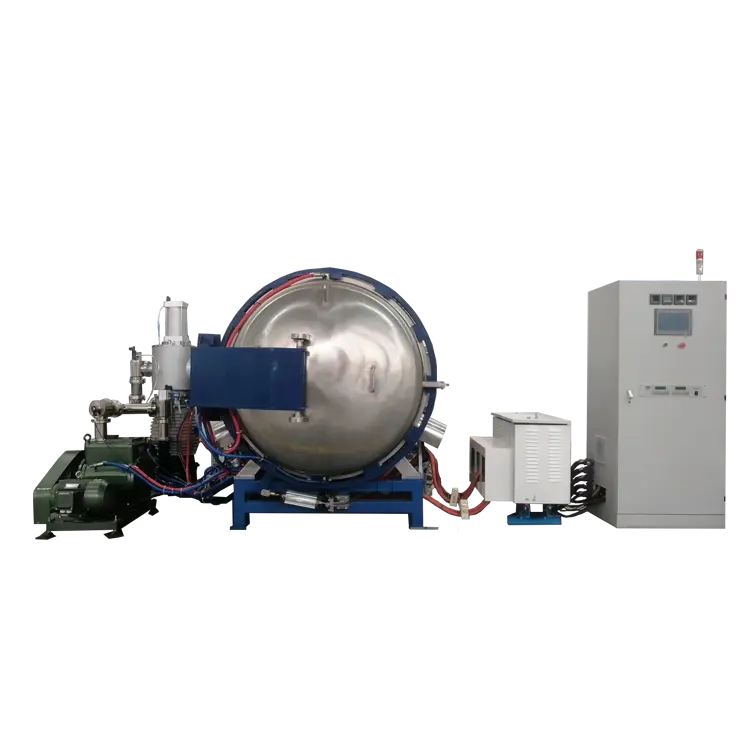
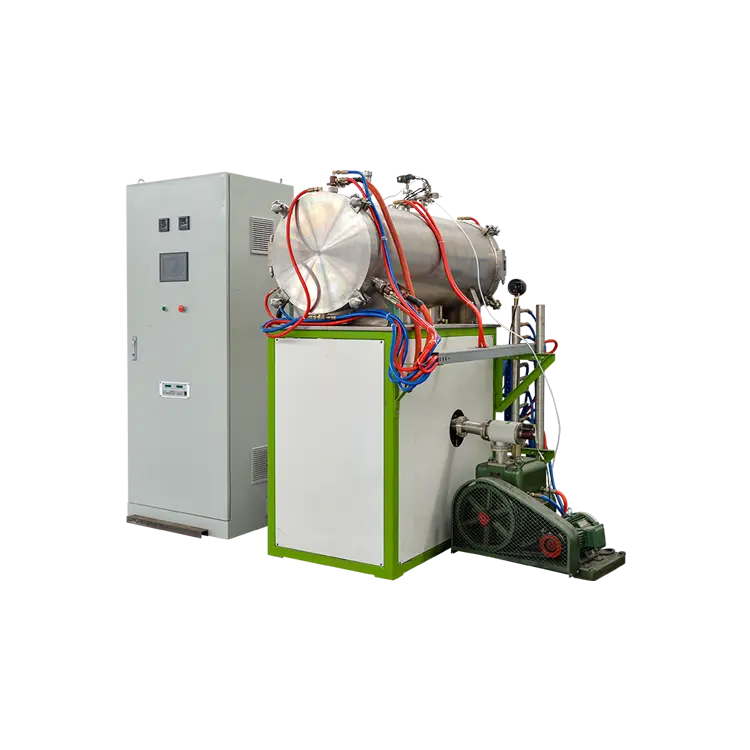
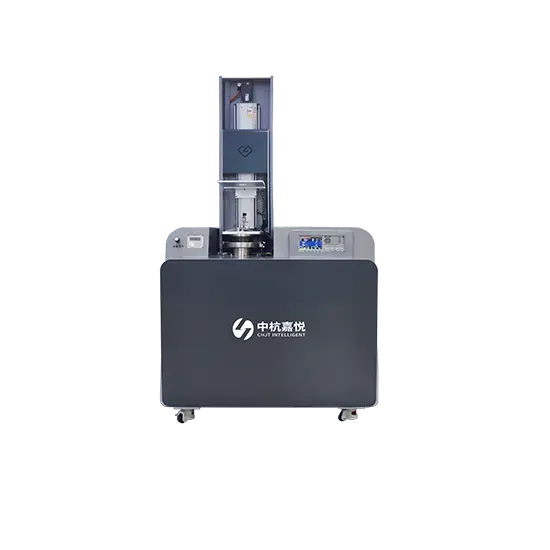
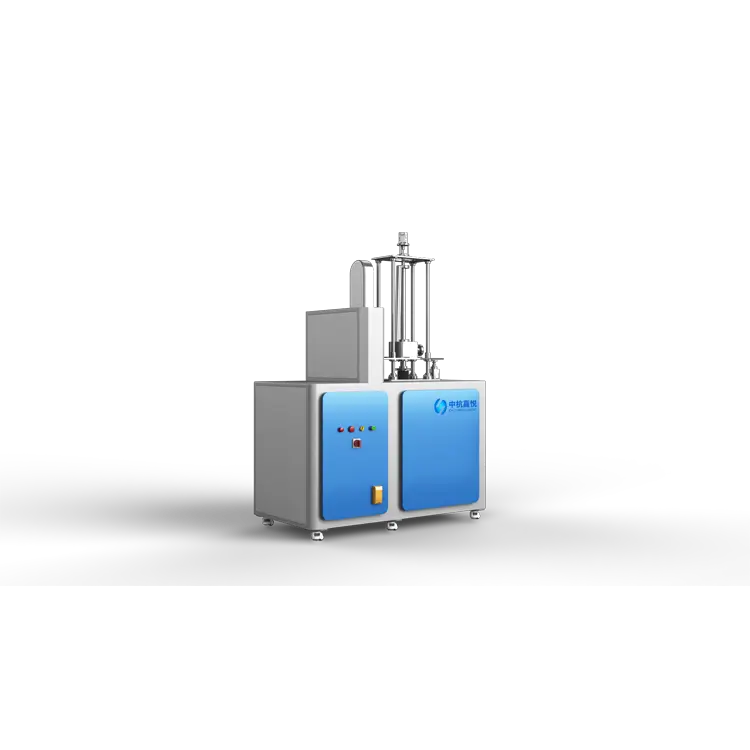
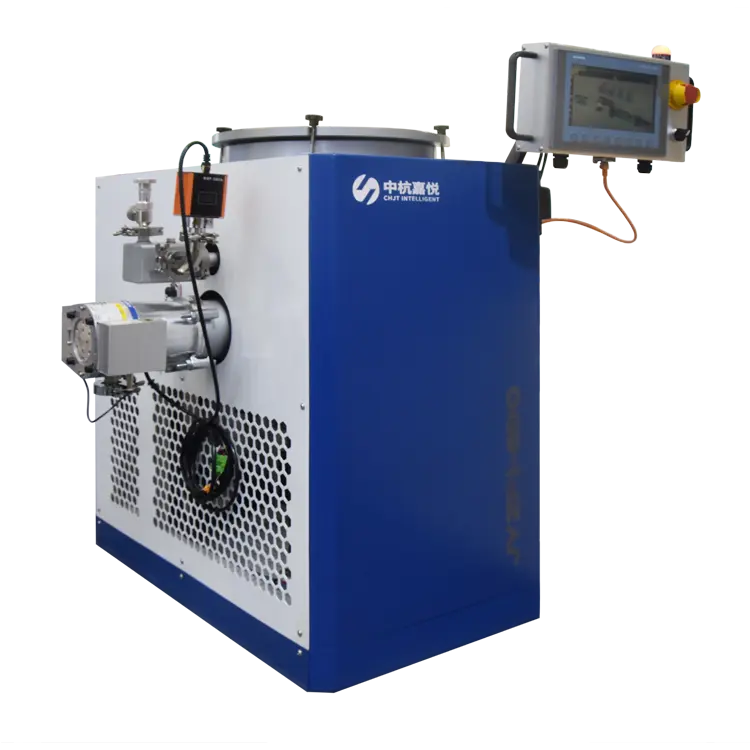
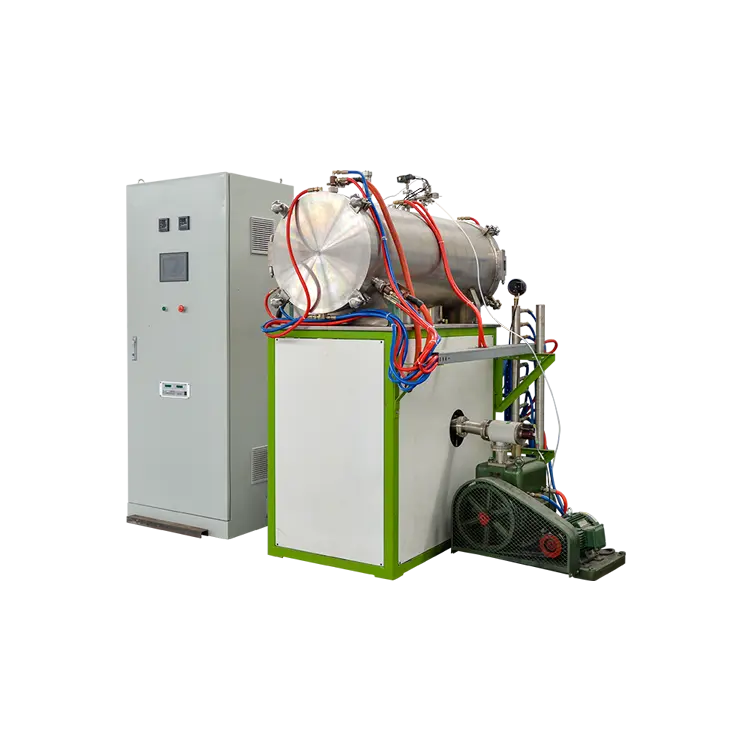
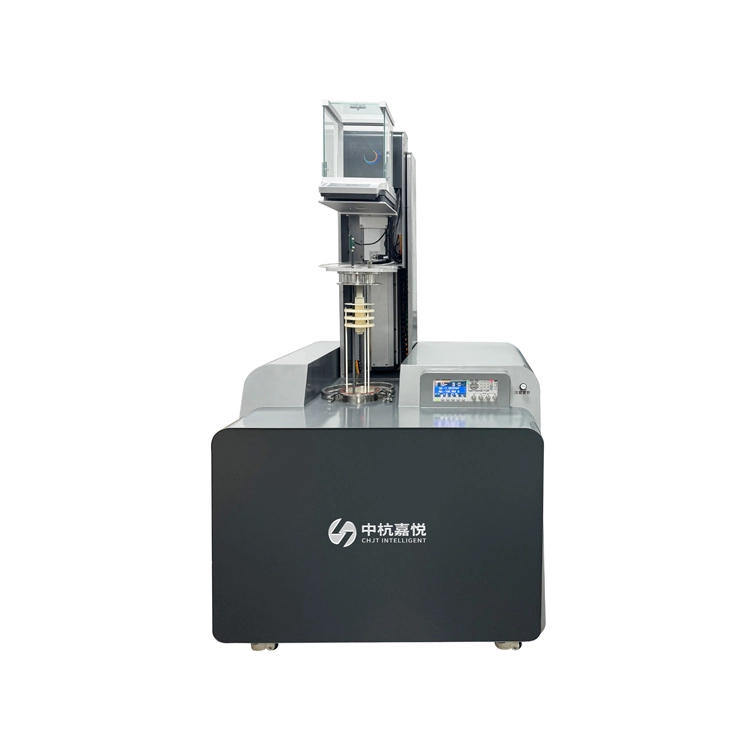
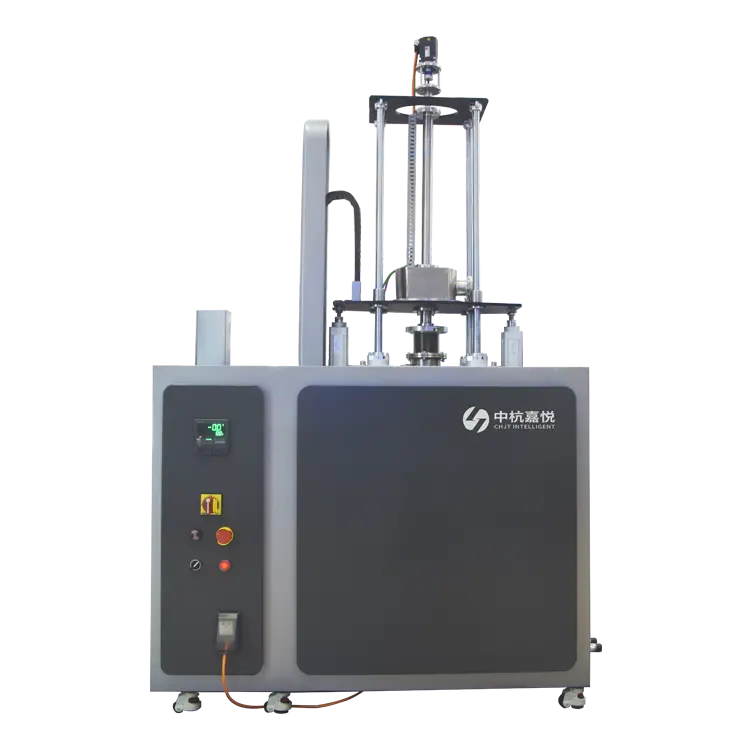
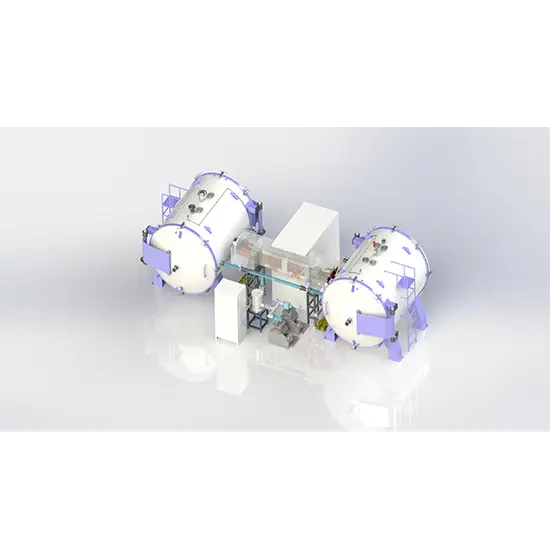
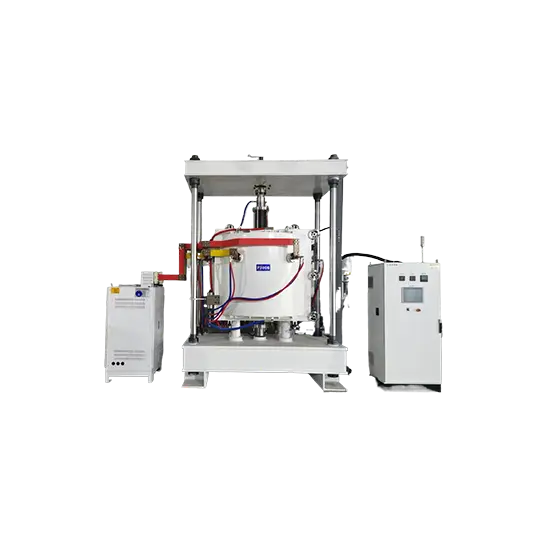
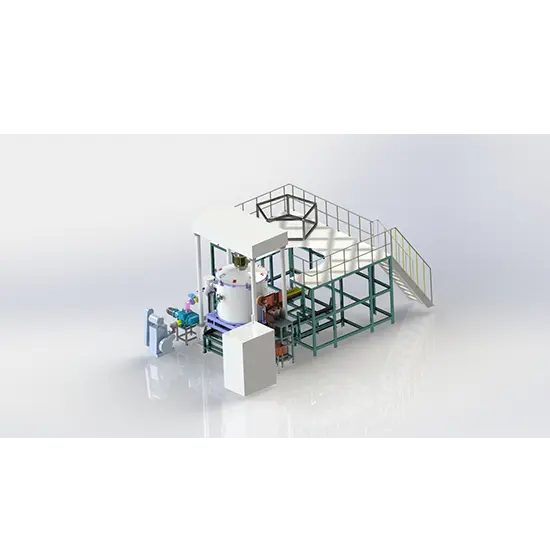
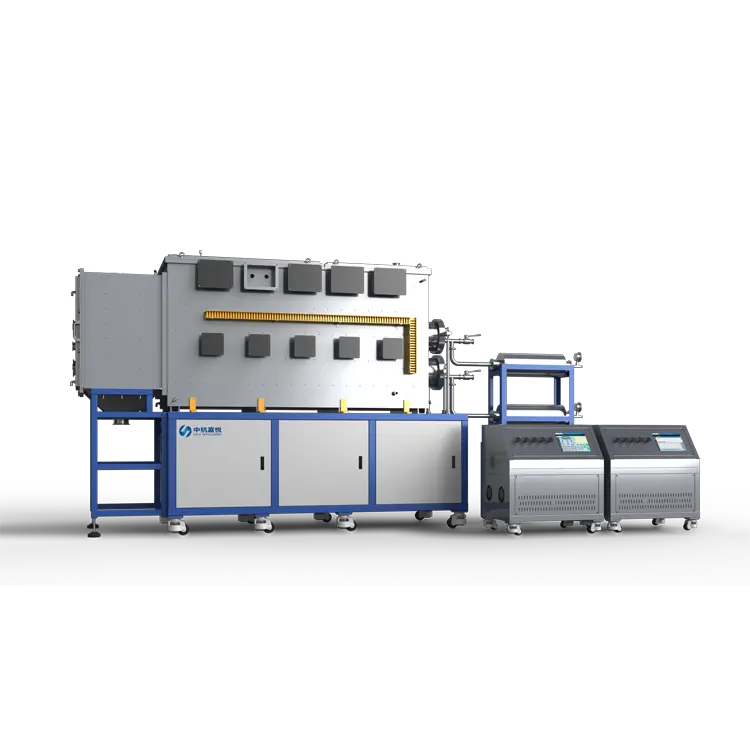
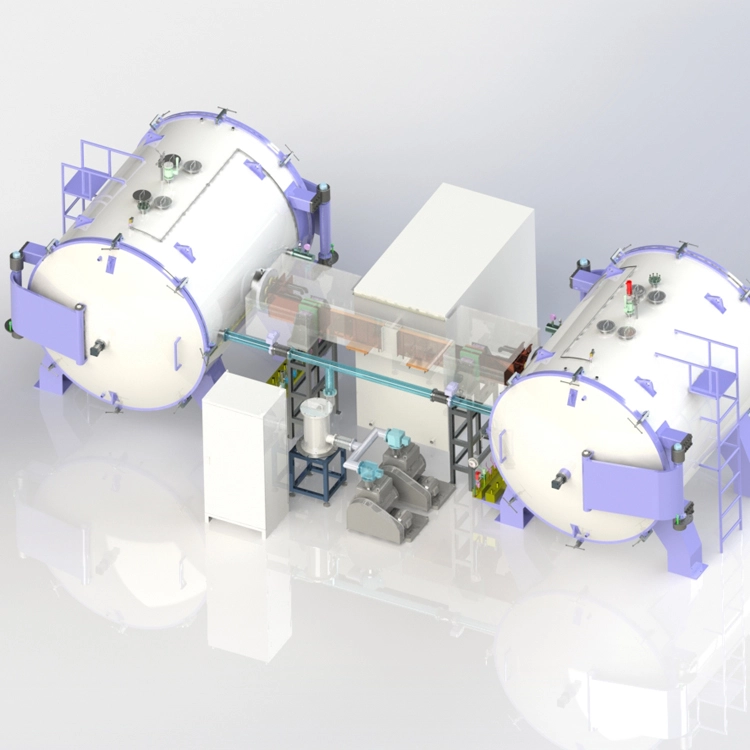
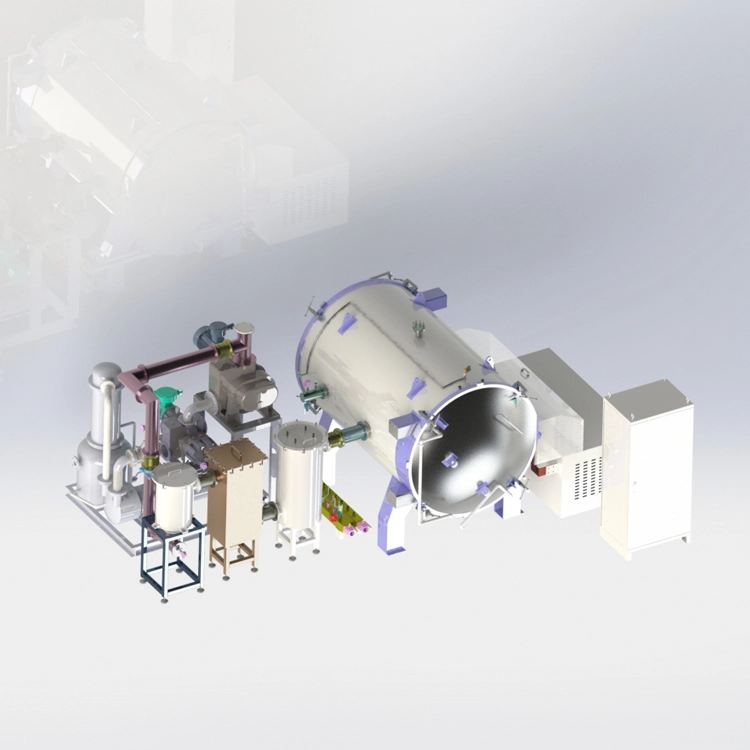
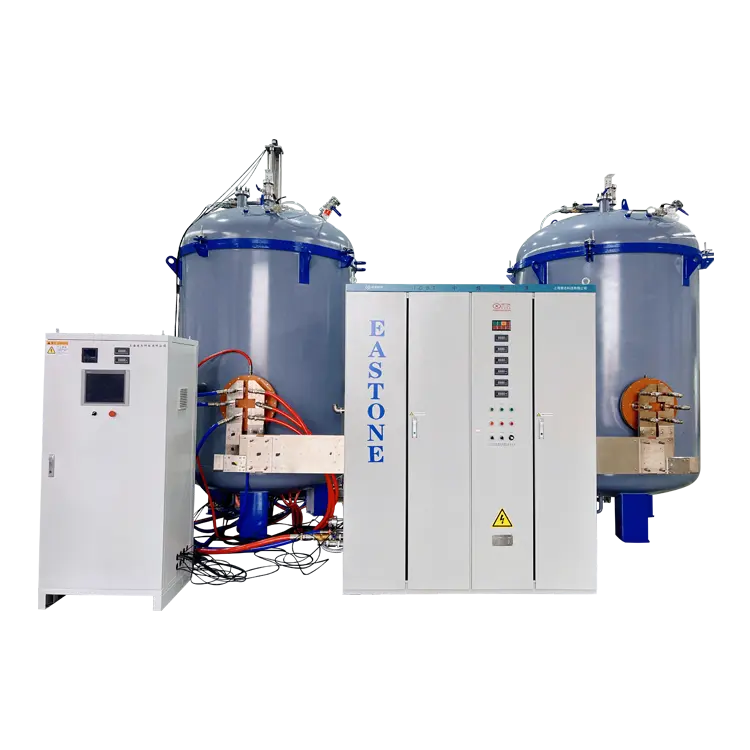
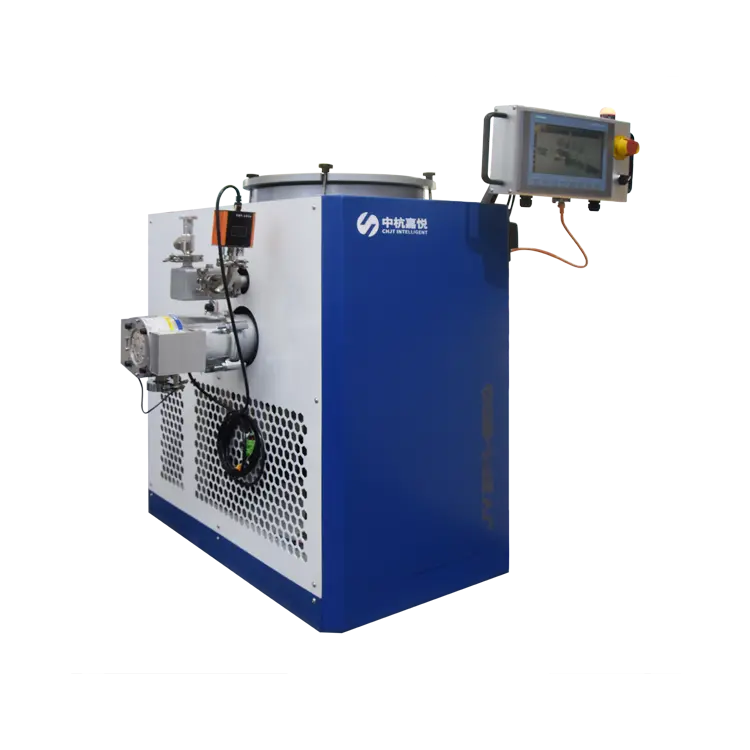
Facing this shared industry-wide challenge, advanced equipment solutions are beginning to offer new possibilities. The next-generation production lines, exemplified by systems like the "Jiayue" enclosed intelligent processing system, are capable of fully automated, hermetically sealed production from raw material feeding to finished product packaging.
The significance of such systems extends beyond the capabilities of individual machines. They establish a stable, reliable, and scalable manufacturing platform:
They maintain exceptional temperature uniformity and precision even during high-temperature processing up to 700°C.
They achieve fully automated control over the entire process chain, from nanoscale pulverization to homogeneous mixing.
They successfully translate intricate laboratory-scale processes into stable, ton-per-year production capacities.
This marks a pivotal transition for sulfide electrolyte manufacturing: evolving from a craft reliant on "master craftsman's skill" to a modern industry driven by data and algorithms.
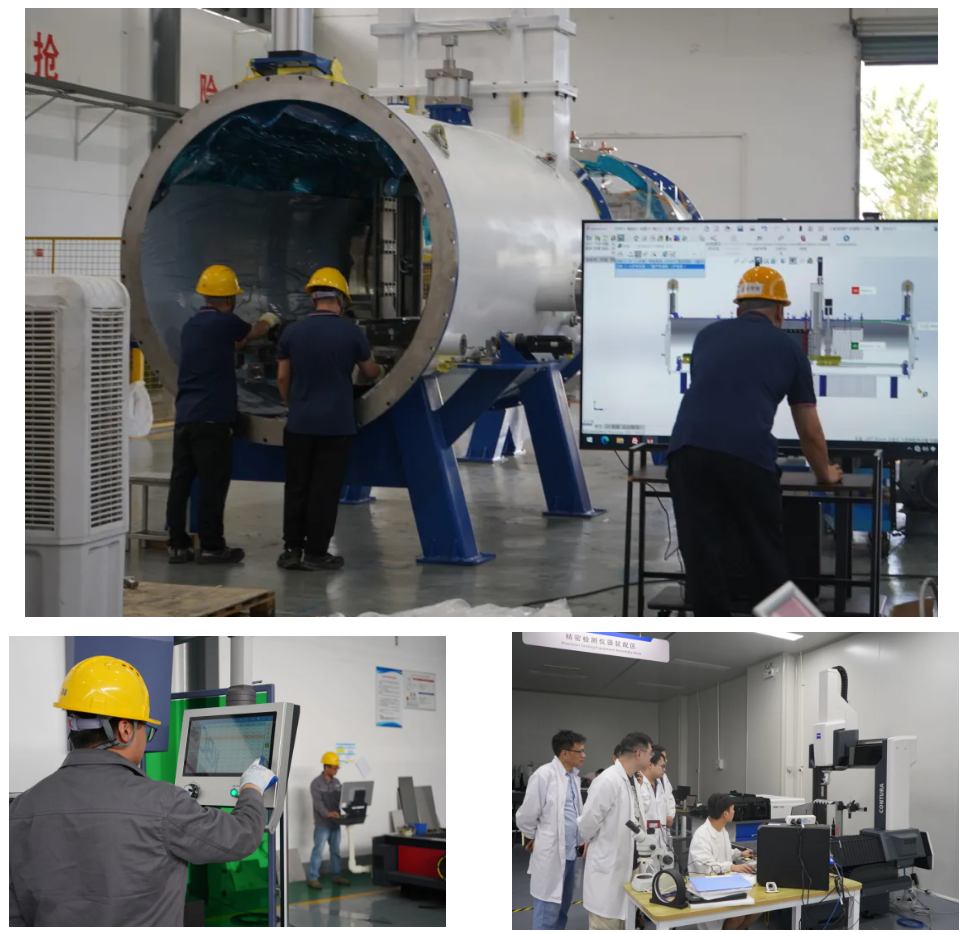
Looking back at the history of the battery industry, every true leap forward has been accompanied by a revolution in manufacturing paradigms. From the winding and stacking processes of liquid lithium-ion batteries to the dry electrode coating and integrated forming techniques of future solid-state batteries, advancements in process equipment have always been the prerequisite for technology deployment.
Today, materials scientists worldwide are exploring a dazzling array of novel compounds and structural designs (like the flexible electrolyte mentioned at the beginning of this article). These innovations are invaluable "seeds." However, without the right "soil" and "cultivation system" —the manufacturing equipment capable of precisely realizing these designs—even the best seeds cannot grow into an industrial forest.
The true value of high-end intelligent production lines lies in providing this essential "soil" for the industrialization of cutting-edge materials. They liberate researchers from the tedious complexities of process scale-up, allowing them to focus on fundamental innovation. They enable companies to transform laboratory breakthroughs into stable products quickly, with controlled costs and manageable risks.

In the future, evaluating the potential of a battery material system will depend not only on its performance metrics but also on its compatibility with advanced manufacturing processes. Those material pathways that can seamlessly integrate with automated, precise, and scalable production methods will secure a decisive advantage in the race to industrialization.
As the academic community continues to push the boundaries of battery performance, the industrial sector is busy constructing the bridges that will turn those visions into reality. This transformation, which begins with materials but is ultimately determined by manufacturing, is quietly reshaping the global landscape of next-generation energy storage.
And it all starts with the precision-driven, silent operation of intelligent production lines—quietly laying the most critical foundation for the impending energy revolution.