English
 português
 فارسی
فارسی
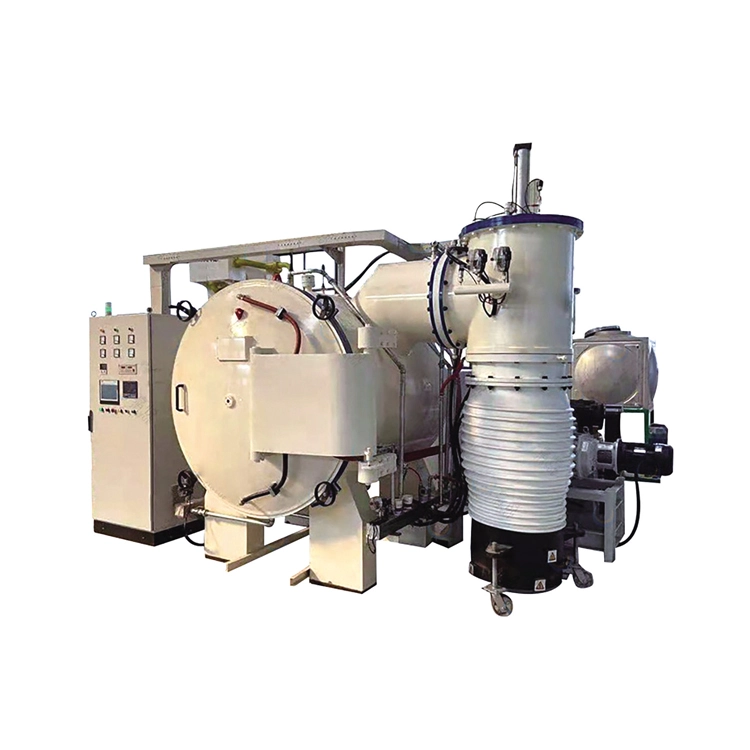
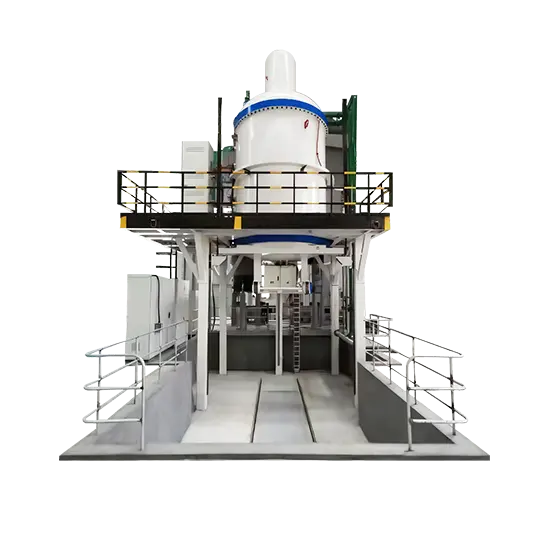
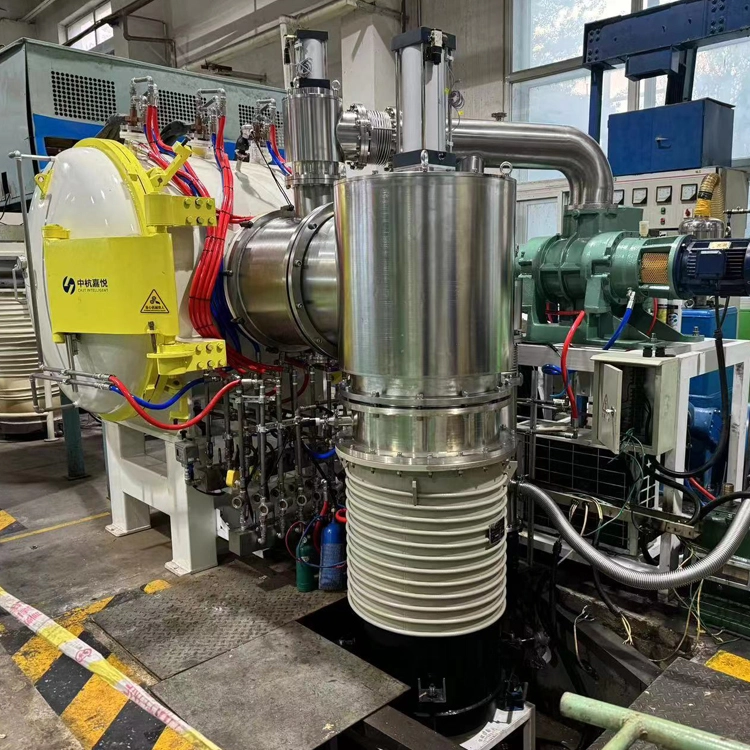
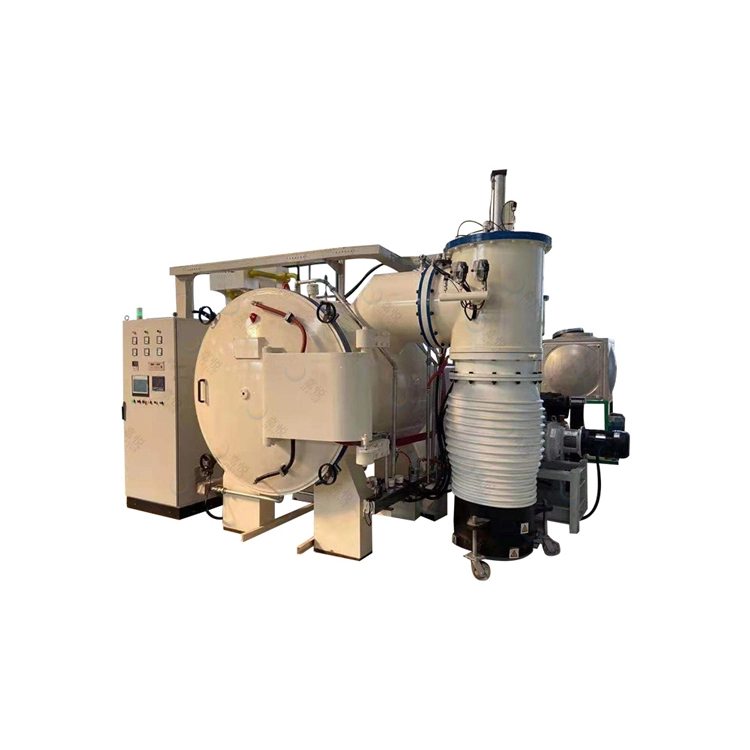
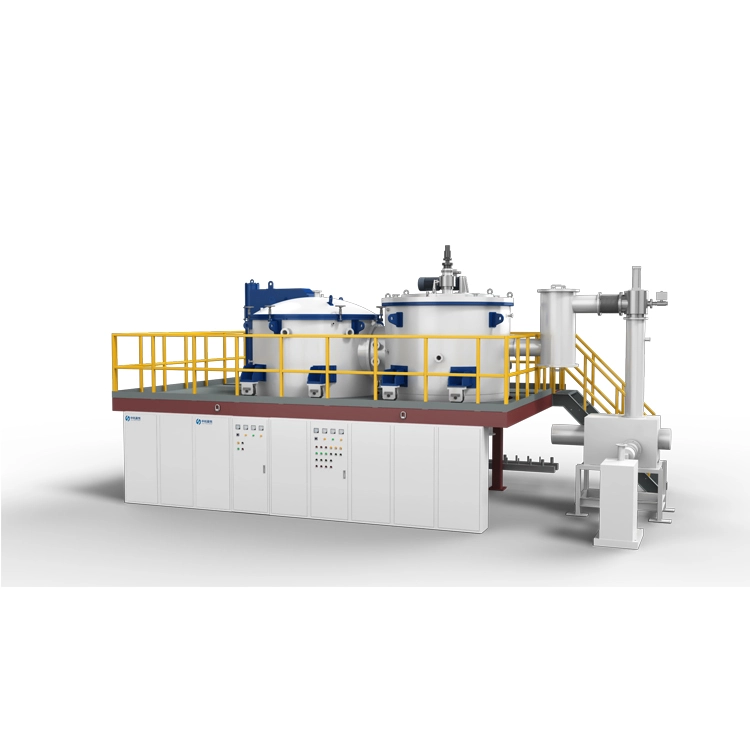
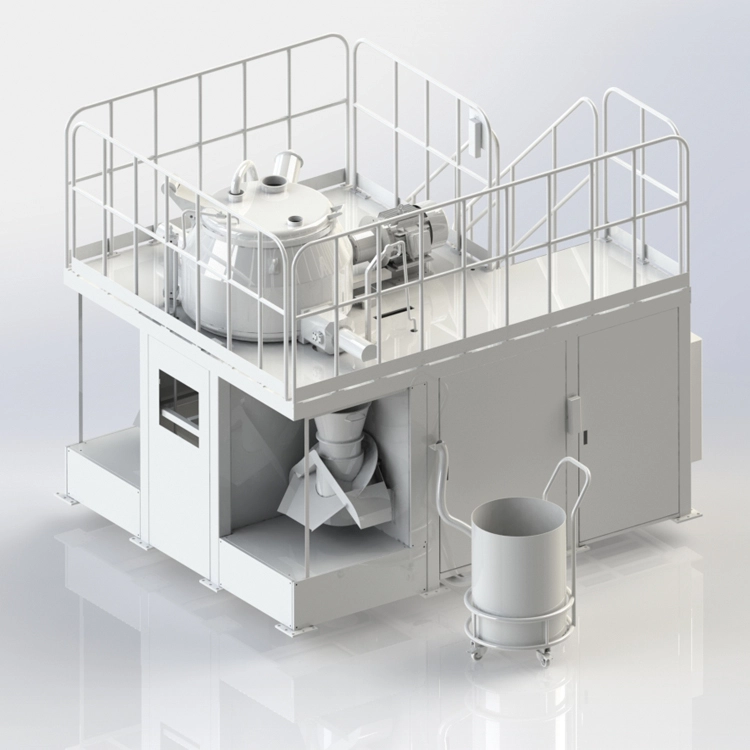
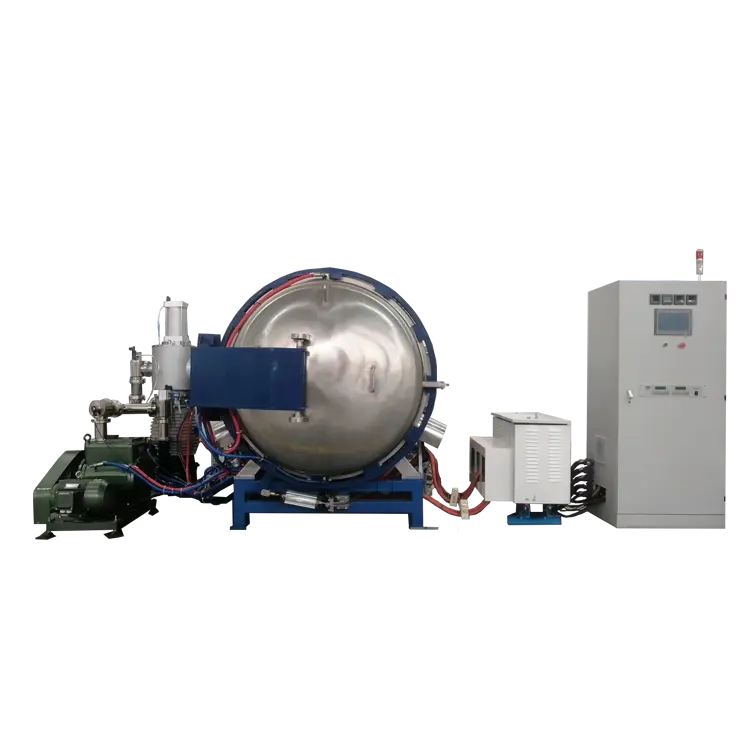
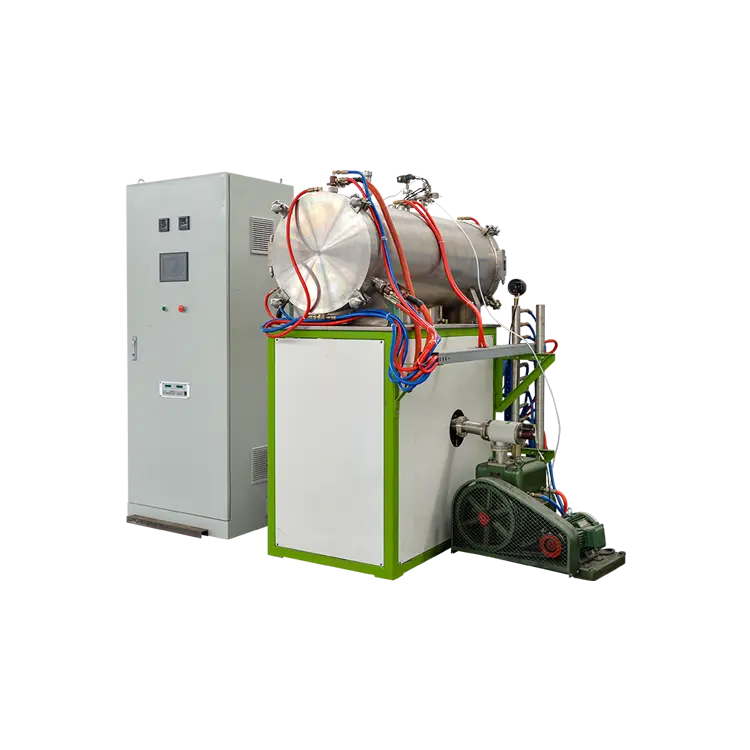
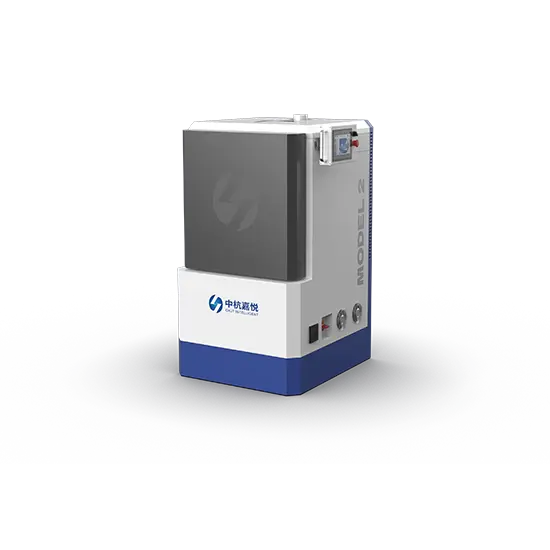
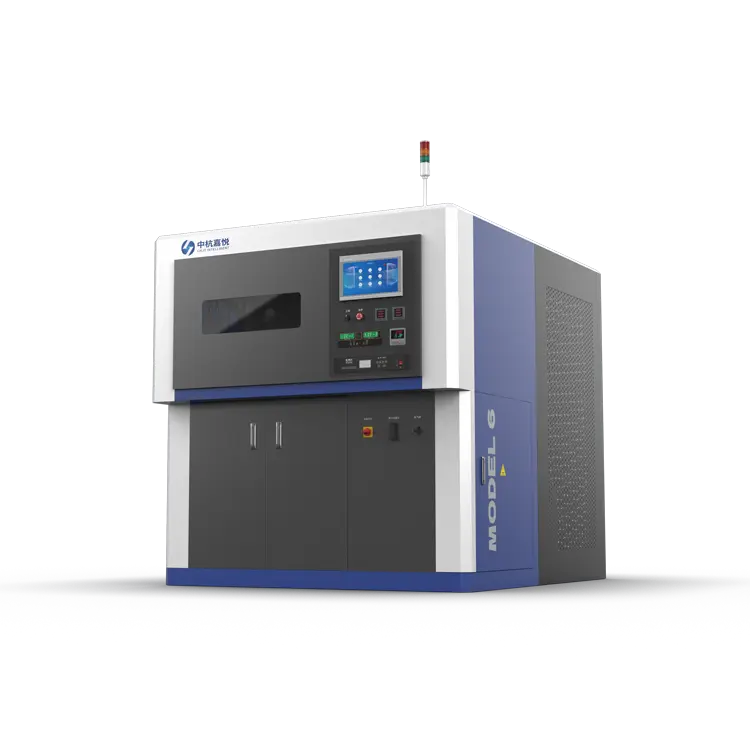
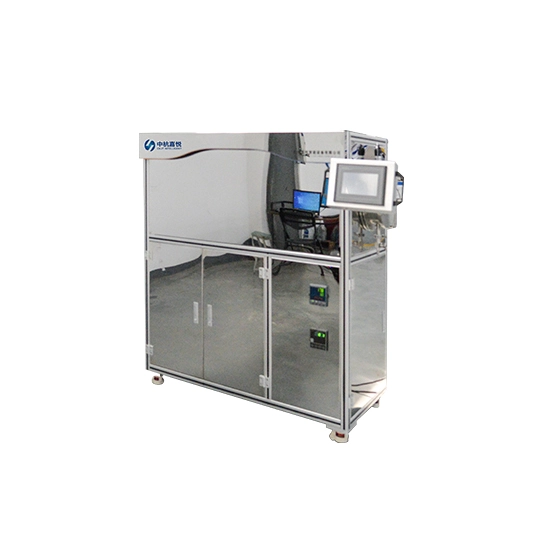
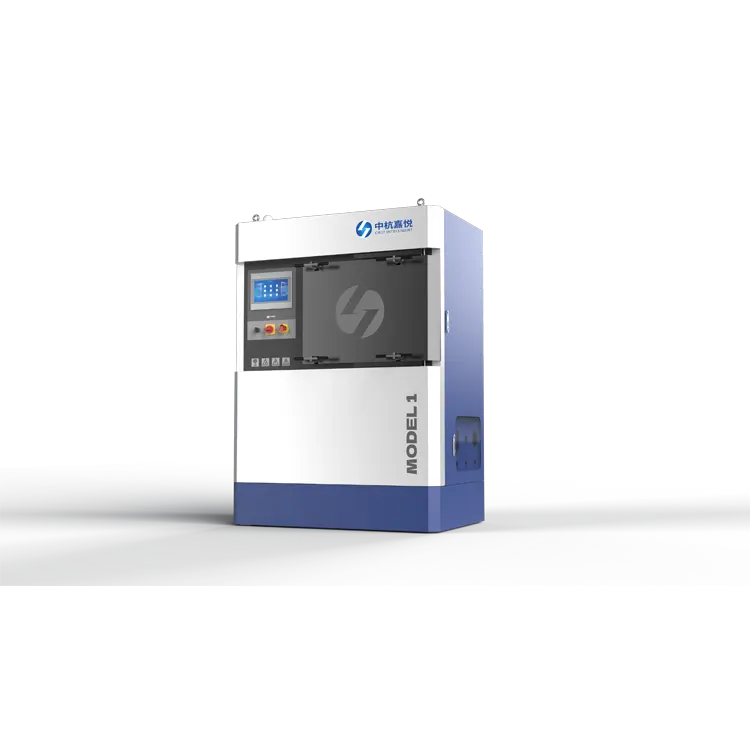
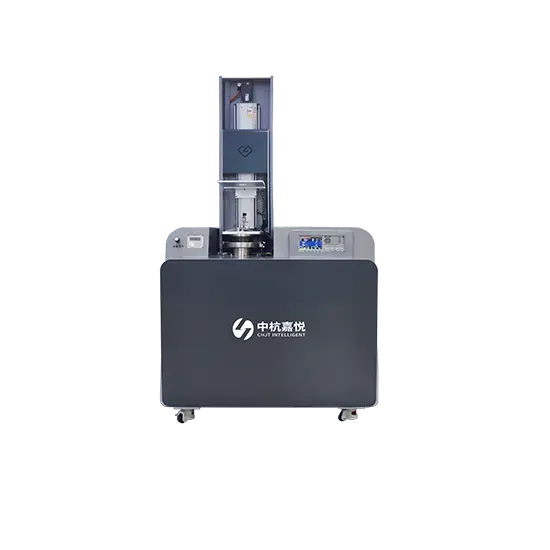
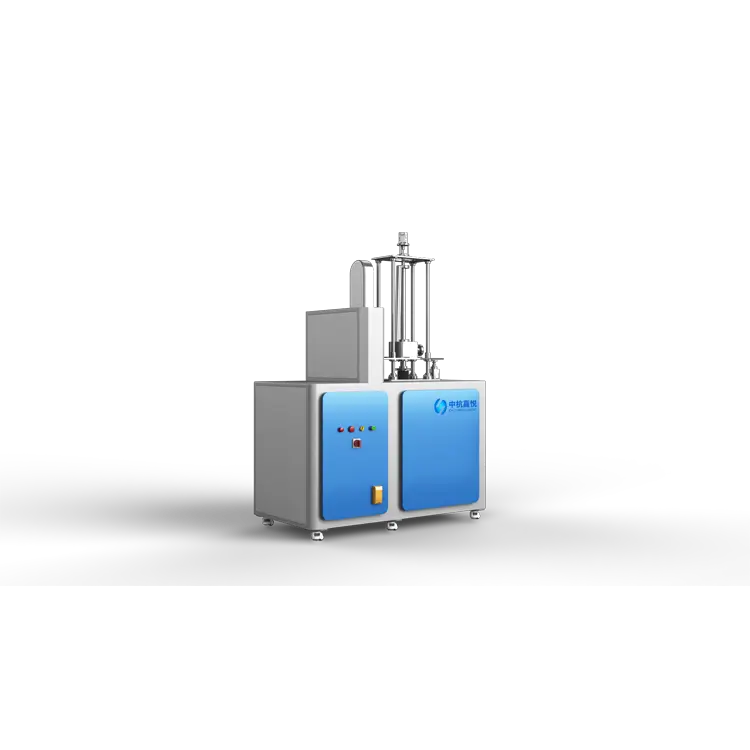
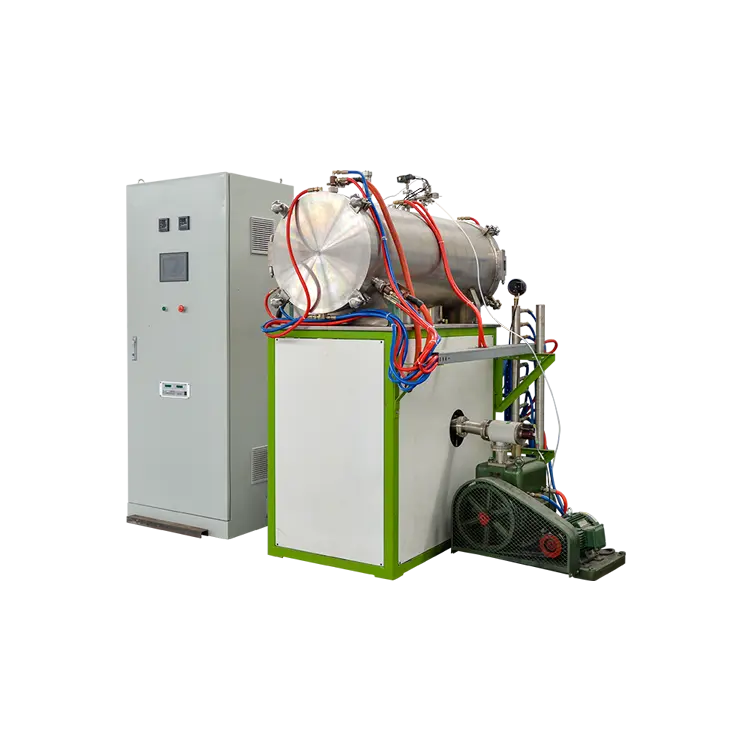
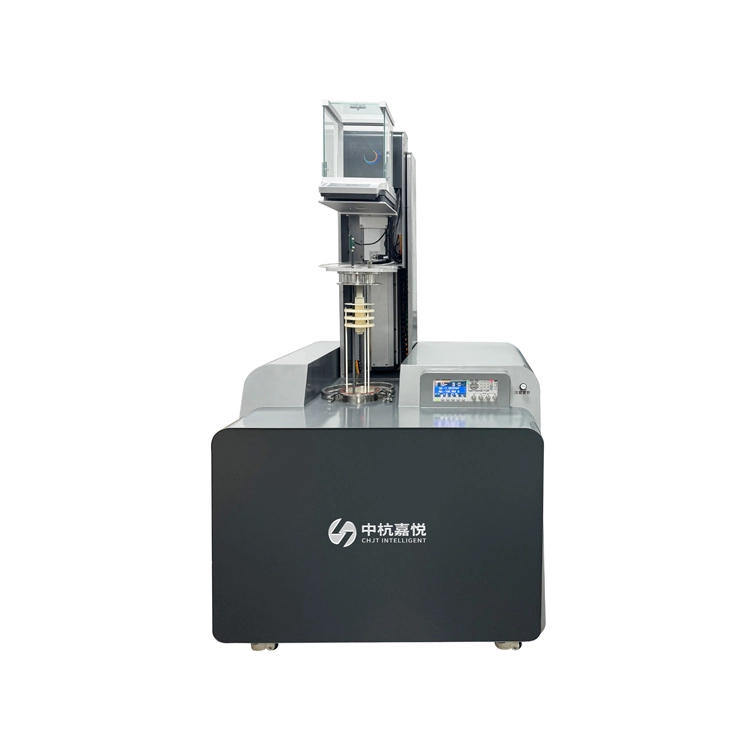
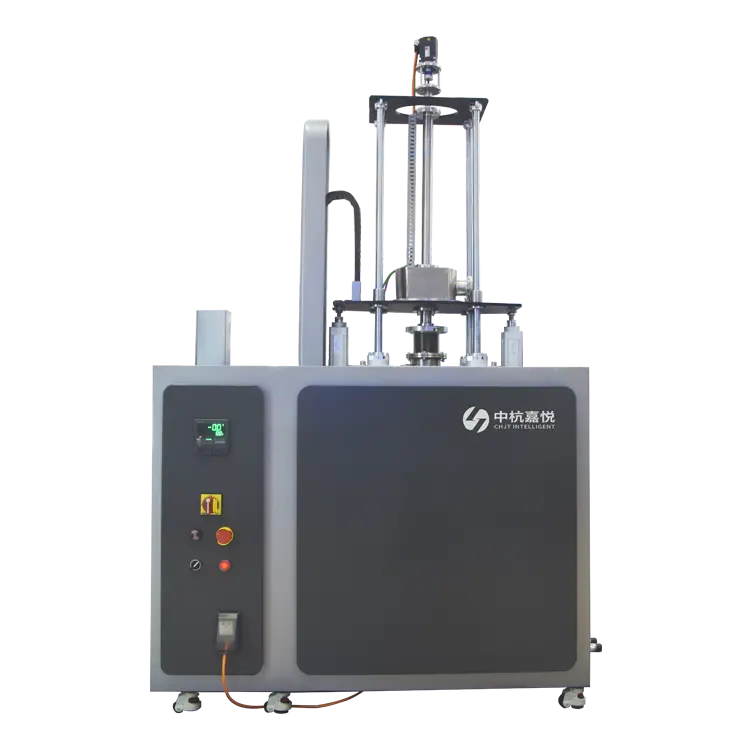
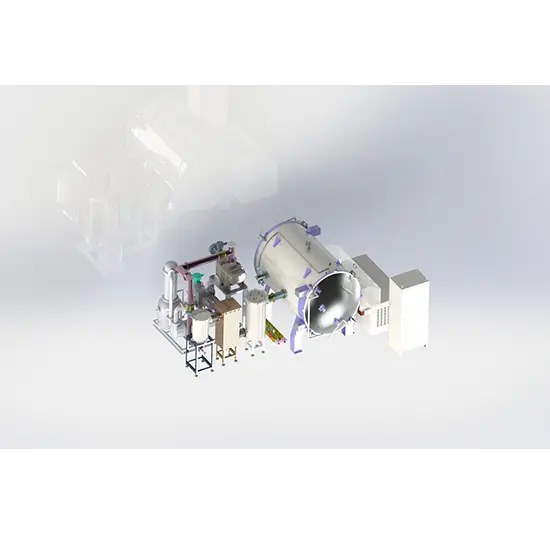
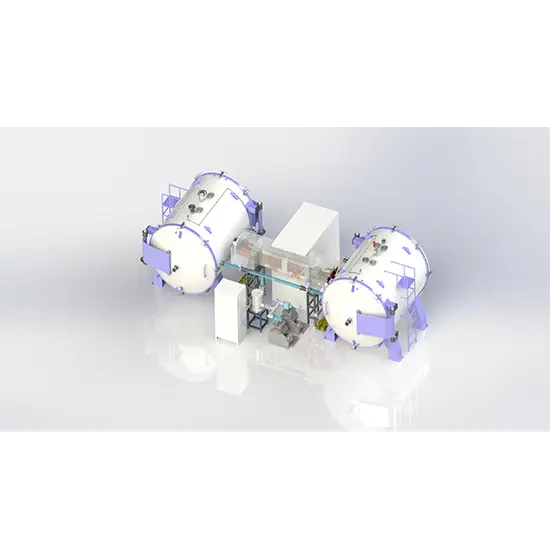
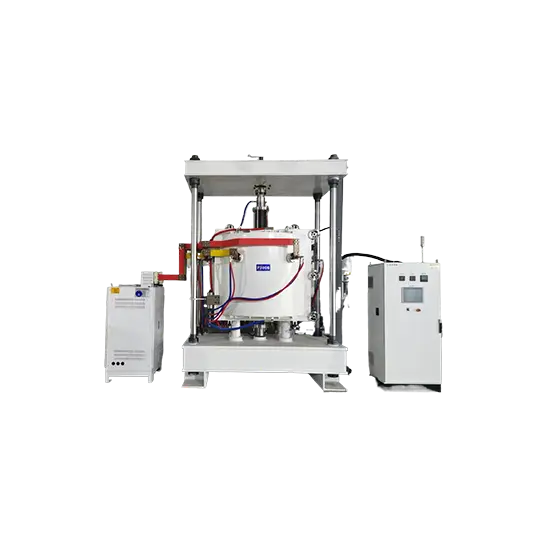
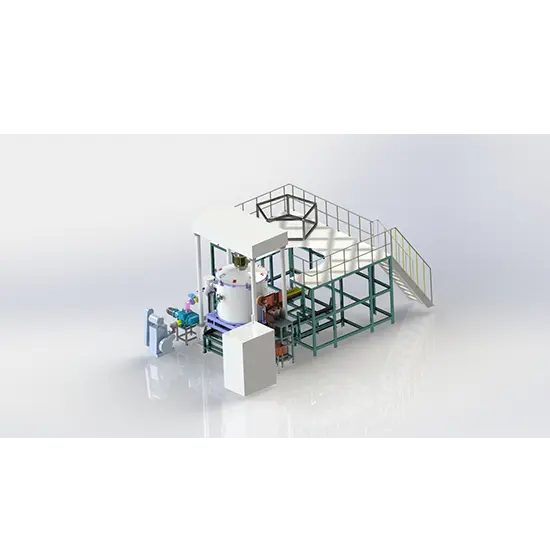
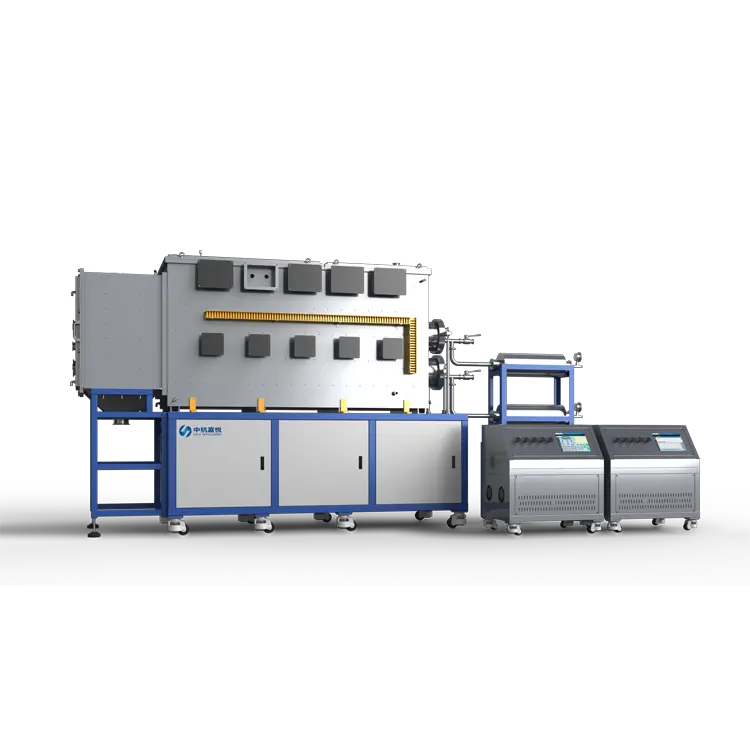
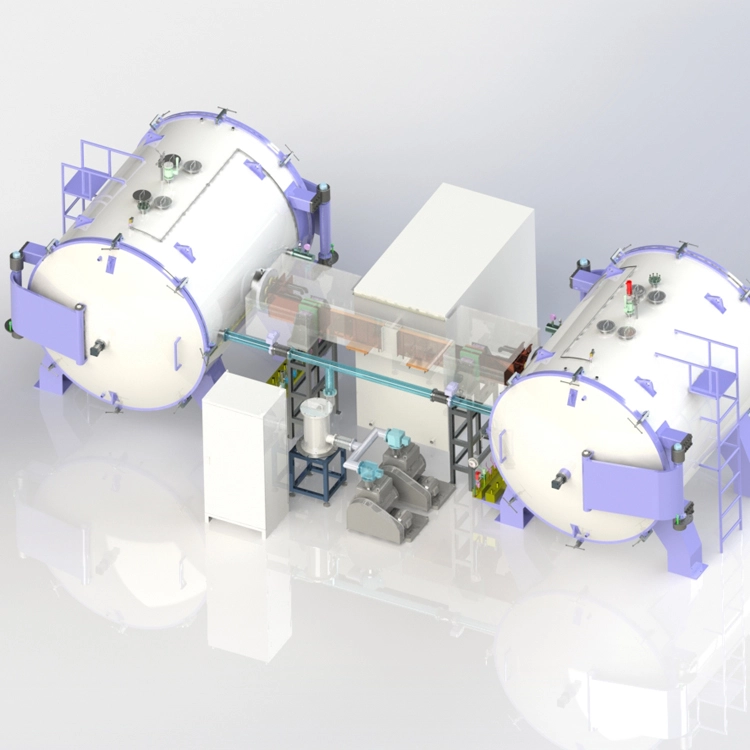
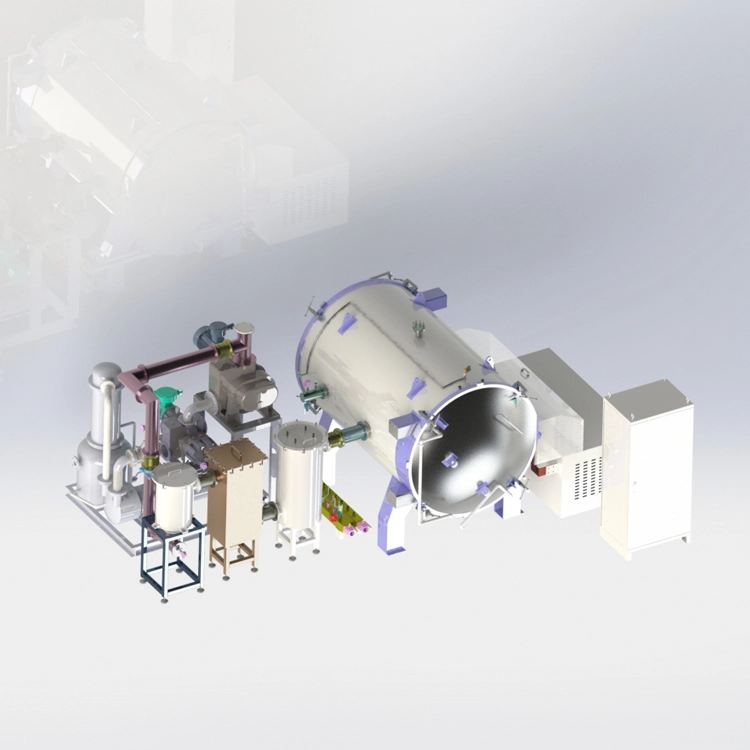
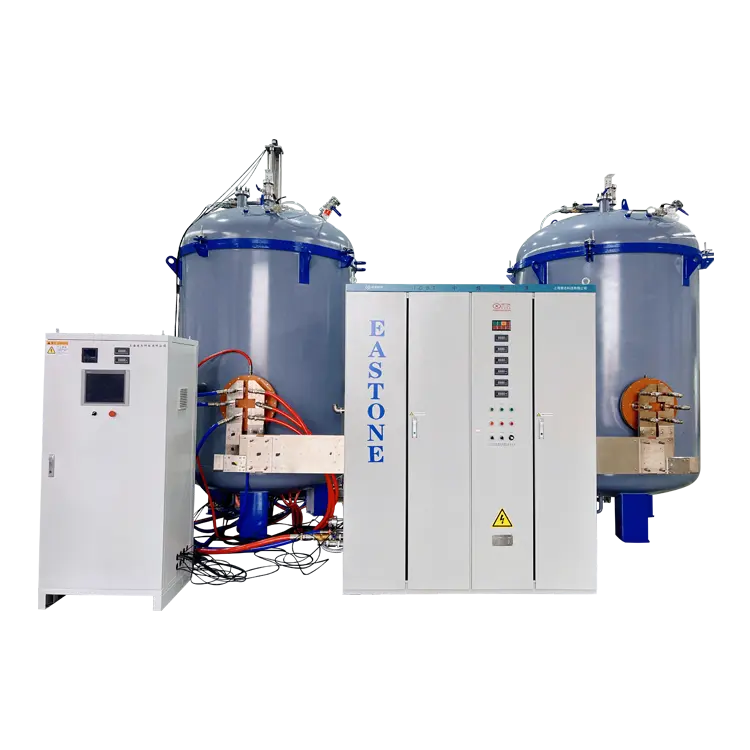
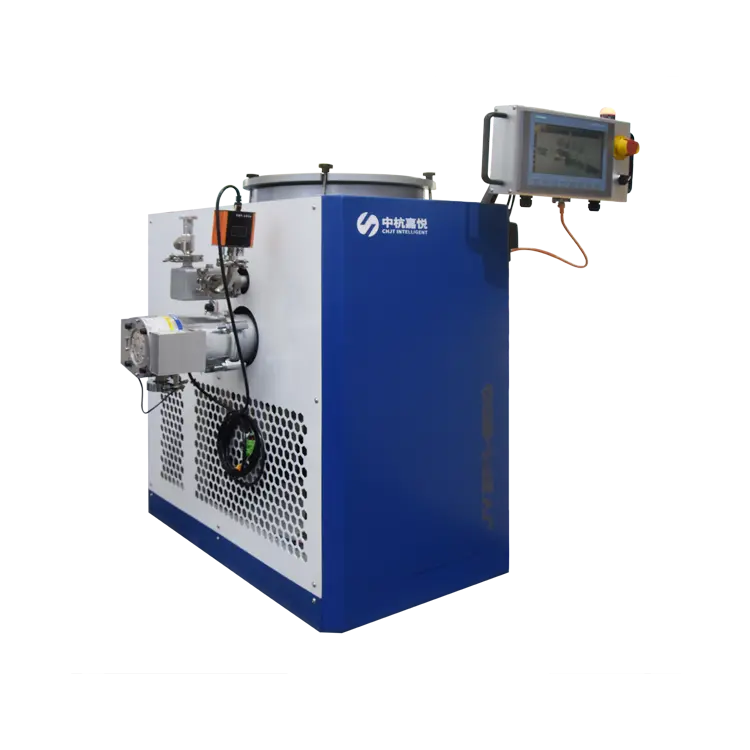
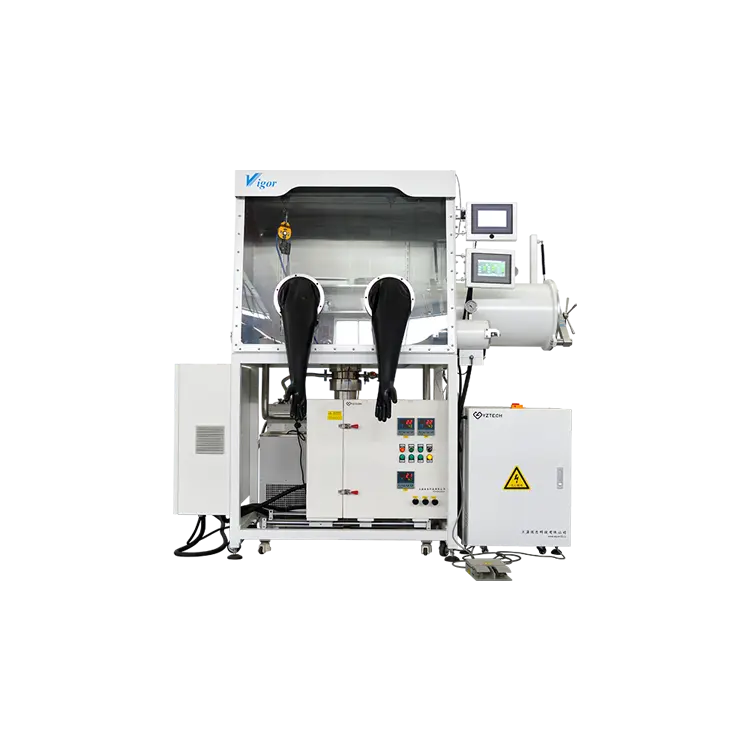
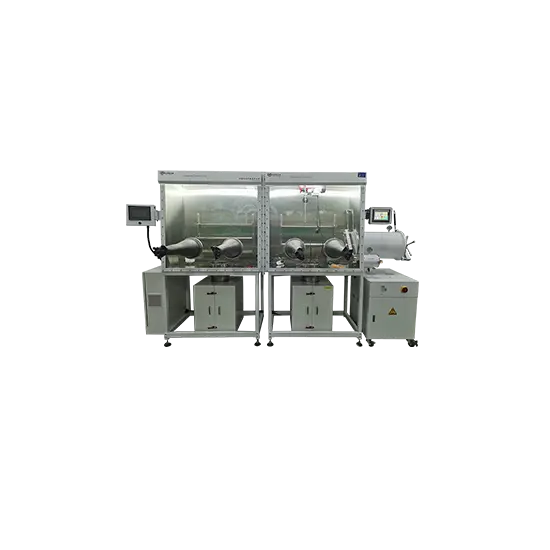
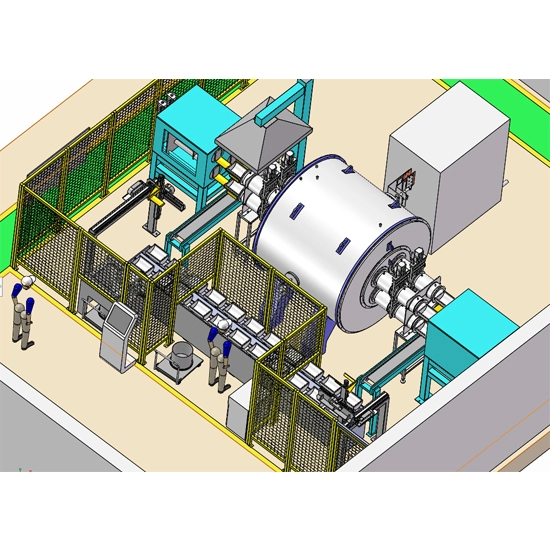
CHITINTELLIGENT (Hangzhou Chitin Intelligent Equipment Co., Ltd.), a national-level 'Little Giant' enterprise, specializes in high-temperature intelligent equipment for new materials. The following guide explains the working principle of SWCNT CVD furnaces based on our engineering experience in designing and manufacturing such systems. Industrial-scale carbon nanotube manufacturing depends on one core capability: converting hydrocarbon feedstock into consistent nanotube growth under tightly controlled temperature, flow, and catalyst conditions. For single-walled CNTs, that control is delivered through CVD-based equipment engineered for stable reaction zones, precise gas handling, and repeatable collection. This guide explains the working principle of a single-walled carbon nanotube furnace — how it creates the conditions for SWCNT growth, what subsystems matter, and why process stability is the key to scaling.
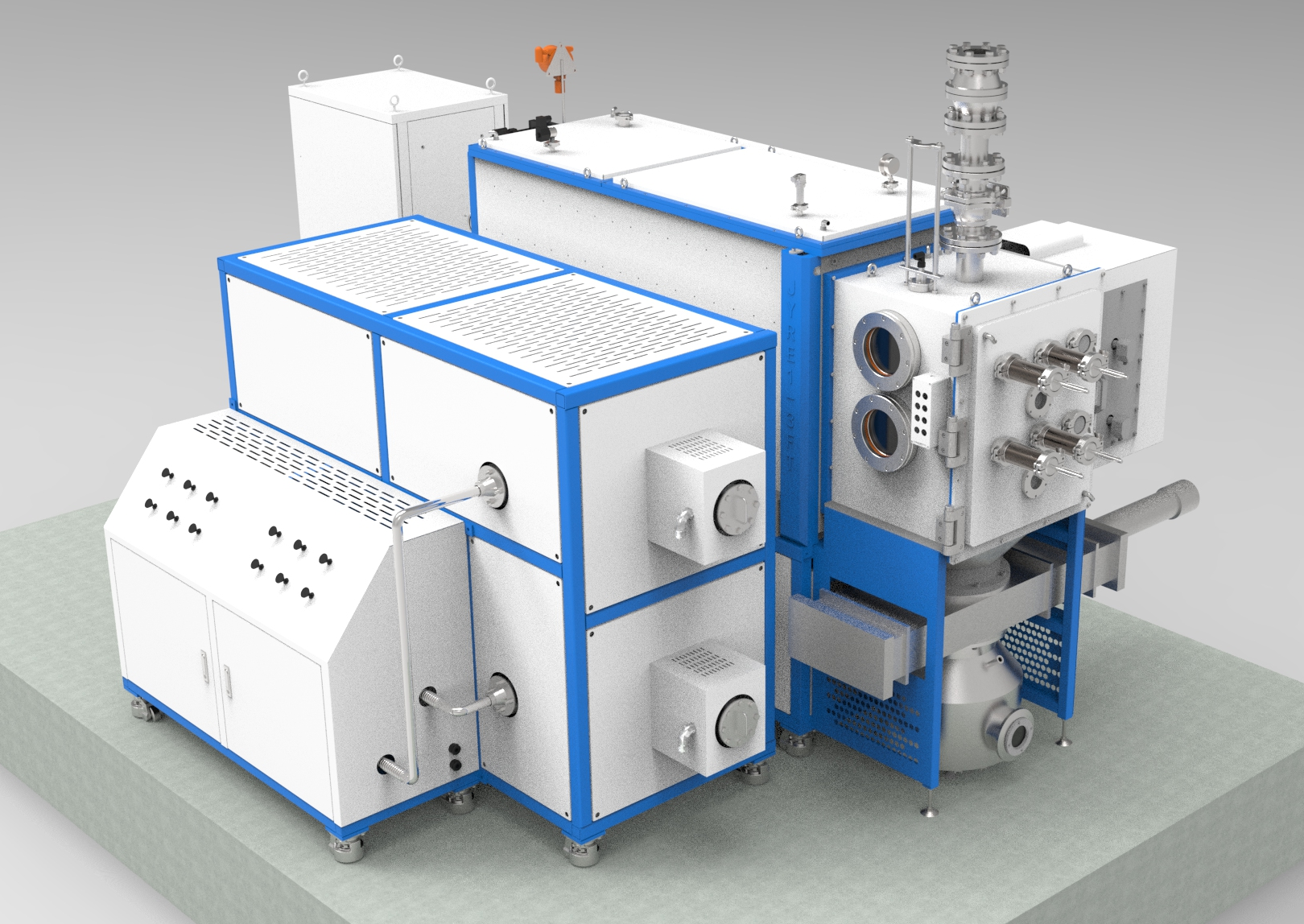
Chemical vapor deposition (CVD) is a thermal decomposition process. A carbon-containing gas — typically methane, ethylene, acetylene, or carbon monoxide — enters a heated reactor tube. At the reaction temperature, the gas decomposes and the released carbon atoms assemble on catalyst nanoparticle sites, growing into nanotube structures.
| Process Variable | Effect on SWCNT Growth | Equipment Control |
|---|---|---|
| Reaction temperature | Determines whether SWCNTs, MWCNTs, or amorphous carbon forms | Multi-zone furnace with PID control |
| Gas composition and ratio | Carbon source concentration drives growth rate; carrier gas dilutes and controls partial pressure | Mass flow controllers per gas line |
| Residence time | Too long produces byproducts; too short reduces yield | Gas flow rate and reactor tube geometry |
| Catalyst particle size and dispersion | Determines tube diameter and chirality distribution | Catalyst preparation and introduction method |
Single-walled nanotubes require a narrower operating window than multi-walled varieties. The catalyst particle must remain in a specific size range — typically 0.5–2 nm — and the temperature must be high enough for carbon mobility but low enough to prevent catalyst sintering. The equipment's job is to hold all these variables simultaneously within the growth window across the entire reactor volume.
Every SWCNT growth run begins with the gas supply system. The carbon source, carrier gas (typically argon, nitrogen, or hydrogen), and any catalyst precursor or promoter gases must be delivered at precisely controlled flow rates and ratios.
| Gas Line | Function | Control Requirement |
|---|---|---|
| Carbon source (CH4, C2H4, CO) | Provides carbon for nanotube growth | Mass flow controller; tight ratio control with carrier |
| Carrier gas (Ar, N2, H2) | Dilutes carbon source; controls partial pressure; may participate in catalyst reduction | Mass flow controller; purity 99.999% minimum |
| Catalyst precursor (if floating catalyst) | Delivers catalyst nanoparticles in-situ | Separate MFC or bubbler with temperature control |
| Additive gases (H2O, CO2 trace) | Can improve yield and reduce amorphous carbon | Ultra-low flow MFC; trace impurity level control |
Trace oxygen and moisture — even at ppm levels — change catalyst behavior. Oxygen oxidizes catalyst particles, changing their size and activity. Moisture can either help (at ultra-trace concentrations it can improve SWCNT yield) or harm (at higher concentrations it etches and destroys growing tubes). The gas supply system must include point-of-use purifiers for critical lines and moisture traps where necessary.
Gas mixing manifold with individual shutoff valves per line
In-line purifiers for O2 and moisture on carrier and carbon source lines
Safety interlocks — excess flow detection, pressure relief valves, and automatic shutoff on leak detection
Pre-mix or sequential injection design depending on reaction chemistry
A single-walled carbon nanotube furnace uses multiple independently controlled heating zones along the reactor tube to create a defined thermal profile. Each zone has its own heating elements, thermocouples, and PID control loop.For example, CHITINTELLIGENT's dual-tube silicon carbide furnace design — two tubes arranged vertically — improves thermal efficiency and temperature uniformity compared to single-tube configurations.
| Zone | Typical Function | Temperature Profile |
|---|---|---|
| Preheat section | Gas and catalyst brought to near-reaction temperature before entering growth zone | Ramp from ambient to near-peak |
| Growth zone | Stable peak temperature for nanotube nucleation and growth | Flat isothermal profile — uniformity critical |
| Transition section | Controlled cooling before collection | Ramp down to prevent product modification |
Residence time — the average time gas molecules spend in the reaction zone — is determined by the ratio of volumetric flow rate to reactor tube volume. Too long a residence time and the growing tubes continue to accumulate unwanted amorphous carbon deposits. Too short and the carbon conversion is incomplete, reducing yield.
The reactor tube diameter, length, and flow rate must be co-designed so the residence time lands within the optimal window for the specific carbon source and temperature being used.
Resistance heating elements with high-temperature capability (1000–1200°C for SWCNT, depending on the process)
High-purity alumina or quartz reactor tube
Type K or Type R thermocouples at multiple positions along the reactor length
PID controllers with recipe storage for repeatable temperature profiles
Outer insulation designed to minimize axial temperature gradients between zones
Every SWCNT grows from a catalyst nanoparticle. The particle provides a template — the tube diameter corresponds to the particle diameter, and the tube continues to grow as long as the particle remains active and carbon supply is maintained.
| Catalyst Variable | Effect | Equipment Control |
|---|---|---|
| Particle size | Determines tube diameter and chirality | Catalyst preparation before loading or in-situ generation parameters |
| Particle dispersion | Separated particles produce individual tubes; agglomerated particles produce defects | Substrate coating quality or floating catalyst injection rate |
| Catalyst temperature | Too high causes sintering and activity loss; too low gives poor nucleation | Zone temperature uniformity |
| Catalyst deactivation | Encapsulation by amorphous carbon stops growth | Gas ratio optimization; trace additive control |
Fixed catalyst systems coat the catalyst onto a substrate or support material loaded into the reactor. The furnace must provide uniform temperature and gas exposure across the loaded substrate.
Floating catalyst systems inject the catalyst precursor in gas phase — typically an organometallic compound — which decomposes in the hot zone to form catalyst nanoparticles in-situ. This method is better suited to continuous production but requires precise precursor delivery and temperature uniformity to produce consistent particle size.
Gas ratio adjustment: hydrogen and trace water concentration influence catalyst reduction and lifetime
Temperature profile: small adjustments to the growth zone temperature change catalyst activity and tube diameter distribution
Precursor injection rate: in floating catalyst systems, this controls catalyst particle density in the reaction zone
CNT product must be captured downstream of the reaction zone without disrupting reactor pressure or introducing contamination. The collection system is part of the overall process design — not an afterthought.
| Collection Method | How It Works | Consideration |
|---|---|---|
| Filter/bag downstream | Product-laden gas passes through high-temperature filter | Filter material must tolerate temperature; pressure drop increases with loading |
| Substrate-based collection | CNTs grow on a fixed substrate loaded in the reactor | Product removed by removing the substrate — batch process |
| Cyclone separator | Aerosol separation by centrifugal force | Effective for larger agglomerates; less efficient for very fine product |
The exhaust from a CVD SWCNT reactor contains unconverted carbon source, carrier gas, combustion products, and potentially catalyst nanoparticles. The off-gas system must:
Filter particulates before discharge — CNT aerosol must not be released to the environment
Handle flammable gases safely — carbon source gases require an abatement system or safe combustion
Maintain controlled back-pressure to prevent pressure fluctuations in the reactor
| System | Function | Impact on Quality |
|---|---|---|
| Automated recipe control | Stores and executes gas ratios, temperature profiles, and timing | Eliminates operator-to-operator variation |
| Data logging | Records all sensor values throughout each run | Enables root cause analysis for yield or quality variation |
| Alarm management | Alerts on temperature deviation, gas flow anomaly, or pressure upset | Prevents off-spec runs from completing |
| Scheduled cleaning protocol | Removes carbon deposits from reactor walls and collection system | Maintains consistent reactor geometry and flow path |
Scaling SWCNT production is fundamentally a control problem — consistent gas delivery, stable reaction zone temperature, disciplined catalyst management, and reliable collection without contaminating the product. A well-designed single-walled carbon nanotube furnace translates CVD theory into repeatable industrial carbon nanotube manufacturing by engineering all of these variables into a stable, monitored process system that produces consistent results run after run. Some equipment suppliers, including CHITINTELLIGENT, have implemented rotary drum continuous collection systems that allow uninterrupted production, achieving daily outputs above 1.5 kg per reactor.
Q1: What does CVD mean in carbon nanotube manufacturing?
CVD (chemical vapor deposition) is a process where carbon-containing gases are introduced into a heated reactor and decompose at reaction temperature, with the released carbon assembling on catalyst nanoparticle sites to form nanotube structures. The equipment controls the temperature, gas ratios, and flow to maintain the specific conditions where SWCNT growth occurs preferentially over other carbon forms.
Q2: Why is a single-walled carbon nanotube furnace more demanding than other CVD reactors?
SWCNT growth requires a narrower operating window than multi-walled or graphene CVD. The catalyst particle size must be maintained in the sub-2 nm range, temperature uniformity must be tighter to avoid producing mixed tube types, and gas ratios must be controlled more precisely because the growth-versus-byproduct balance is more sensitive to small deviations.
Q3: What equipment subsystems most affect SWCNT product quality?
Gas purity and mixing control, multi-zone temperature uniformity in the growth zone, catalyst introduction method and consistency, and downstream collection without product contamination or re-agglomeration are the subsystems with the largest influence on yield, purity, and batch-to-batch consistency.
Q4: What causes amorphous carbon impurities during CVD SWCNT growth?
Amorphous carbon forms when the carbon supply exceeds the rate at which catalyst sites can incorporate it into nanotube structures. This can be caused by excessive carbon source concentration, temperature outside the optimal growth window, catalyst deactivation from sintering or encapsulation, or residence time that is too long. Gas ratio adjustment and temperature optimization are the primary levers for reducing amorphous carbon content.
Q5: What information is needed to size SWCNT production equipment?
Target output rate in grams per hour or per day, preferred carbon feedstock gas, required operating temperature range, target product purity and acceptable impurity levels, desired automation level, and site constraints including available power, ventilation and exhaust handling capacity, floor footprint, and any safety classification requirements for the installation.