English
 português
 فارسی
فارسی
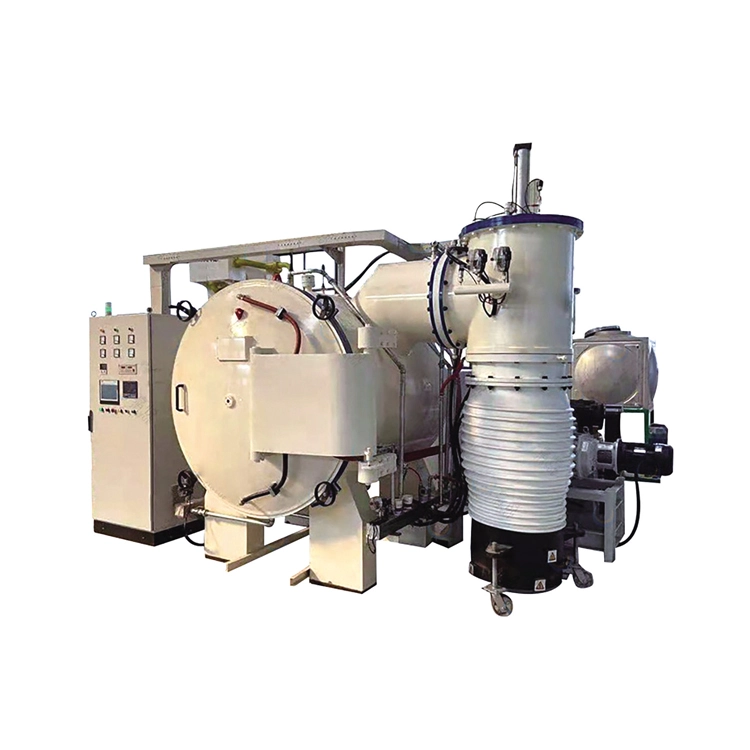
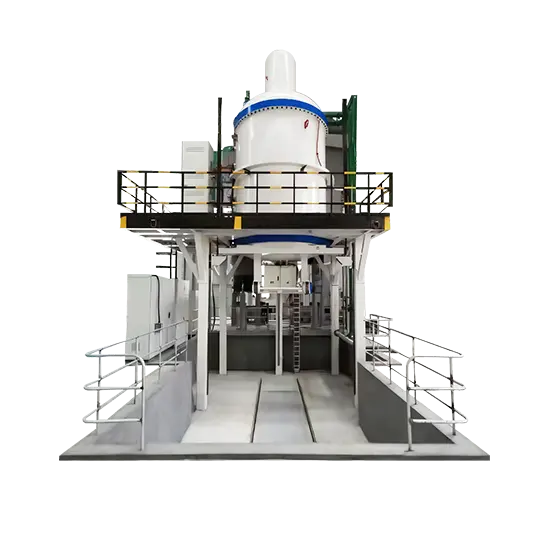
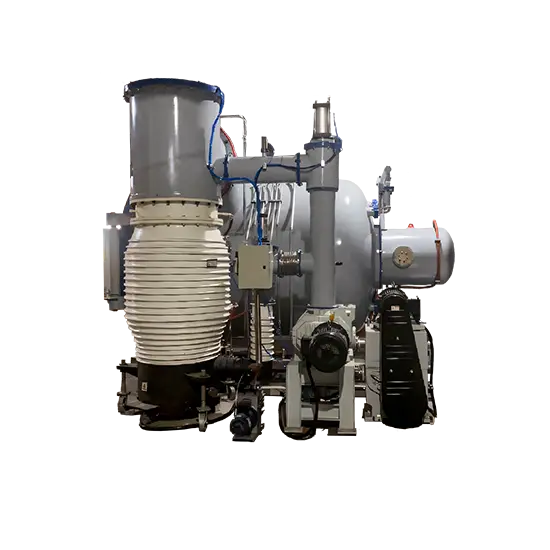
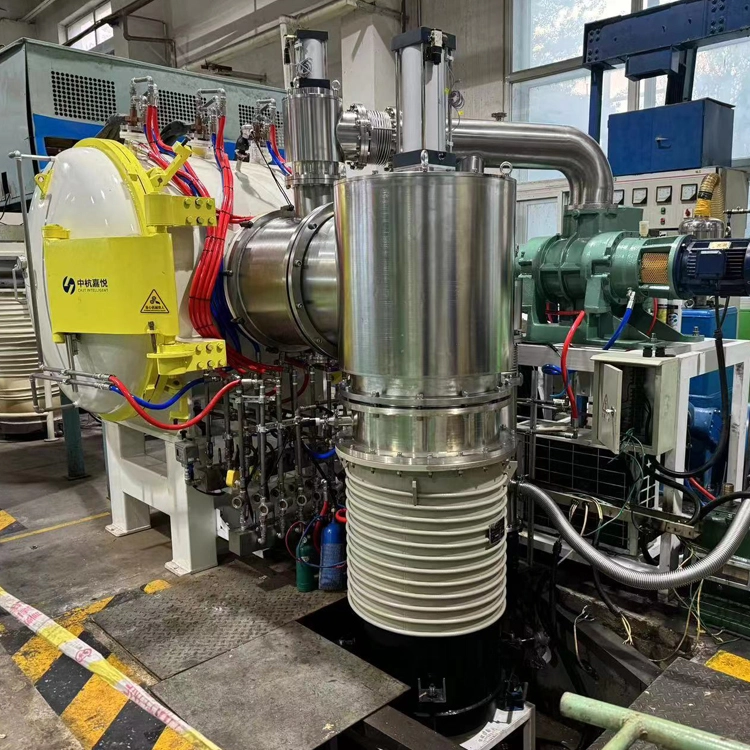
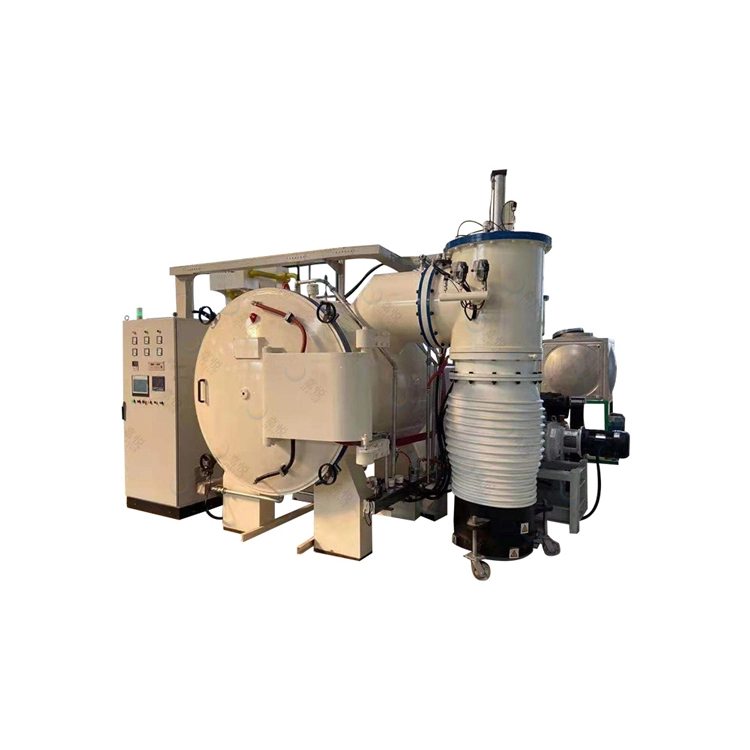
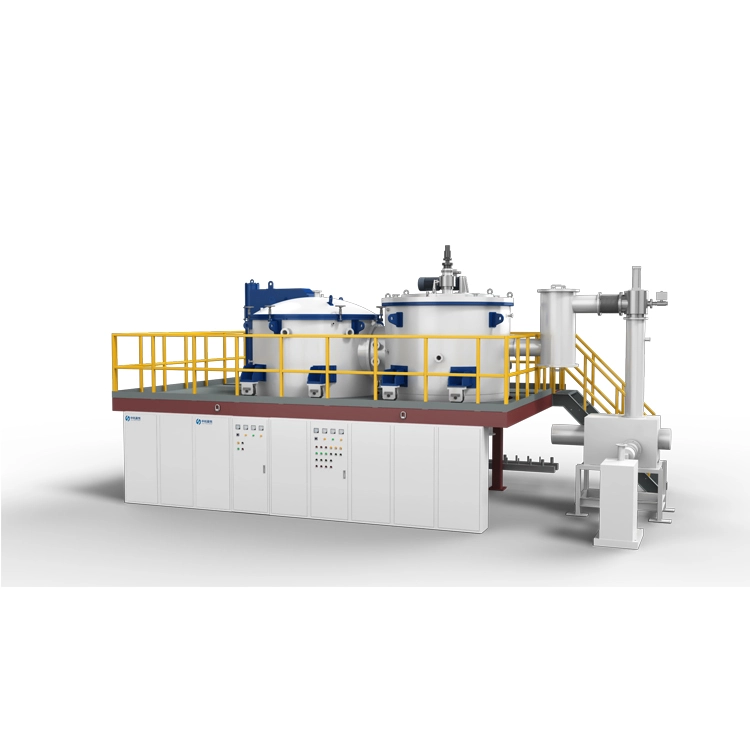
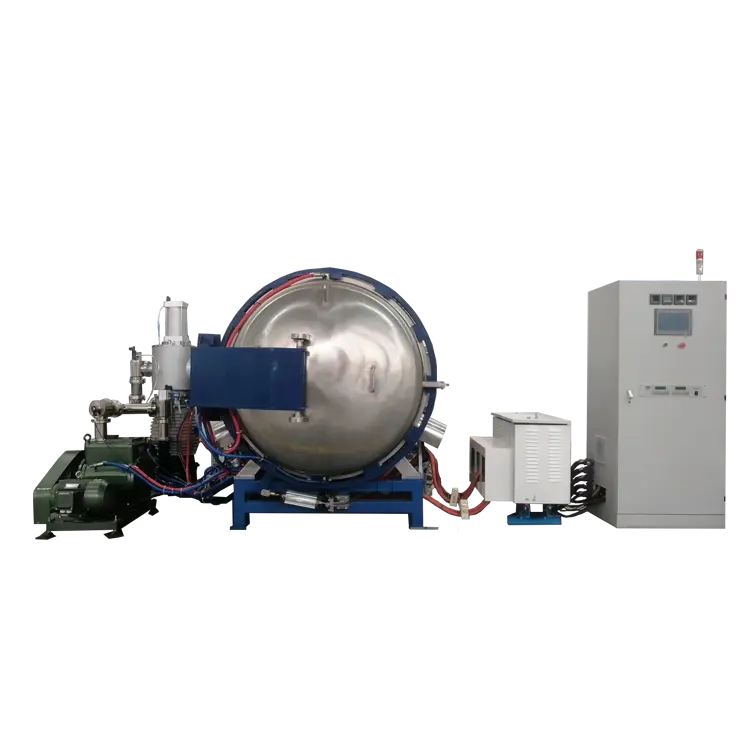
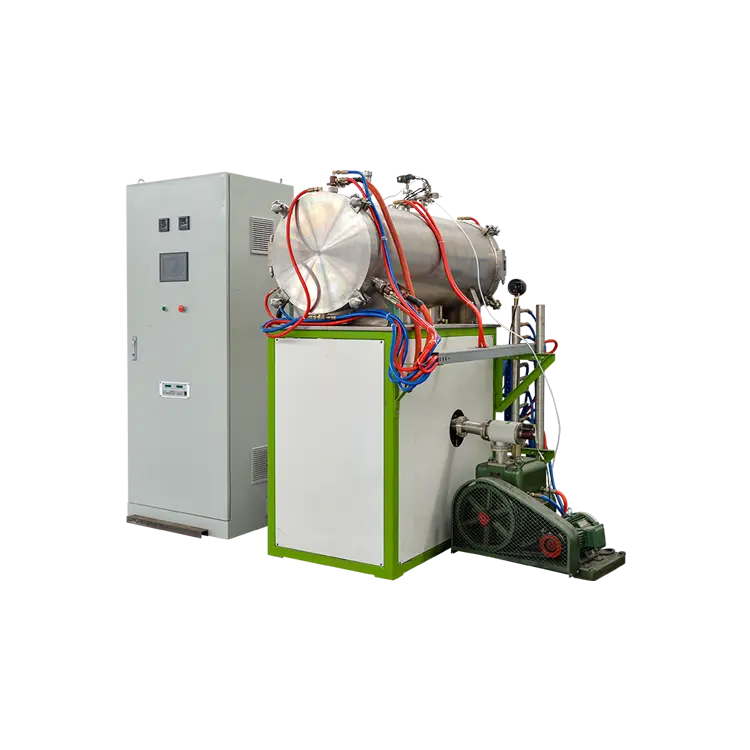
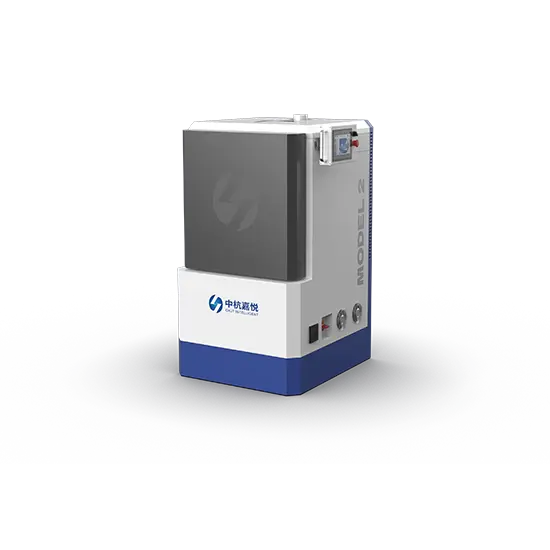
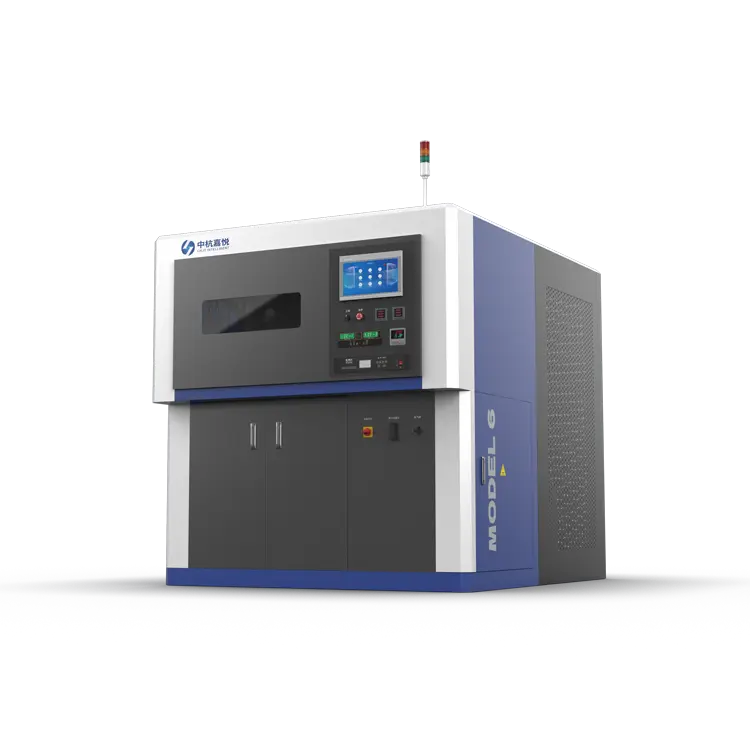
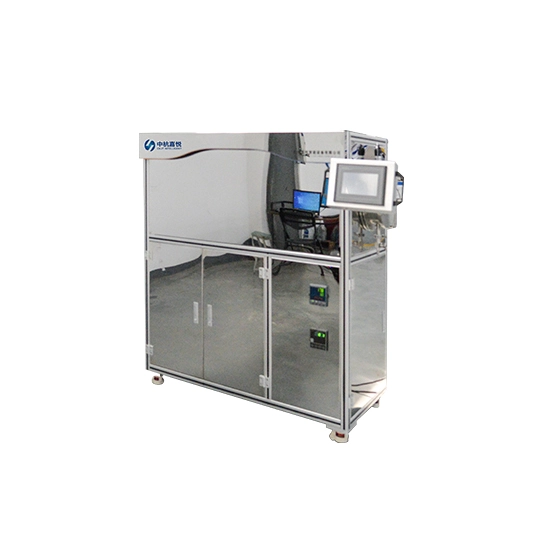
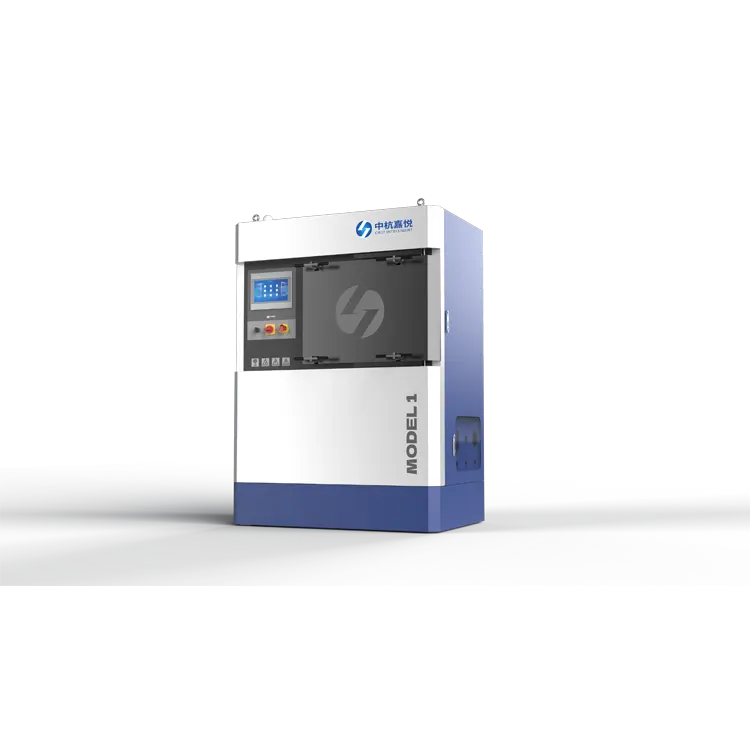
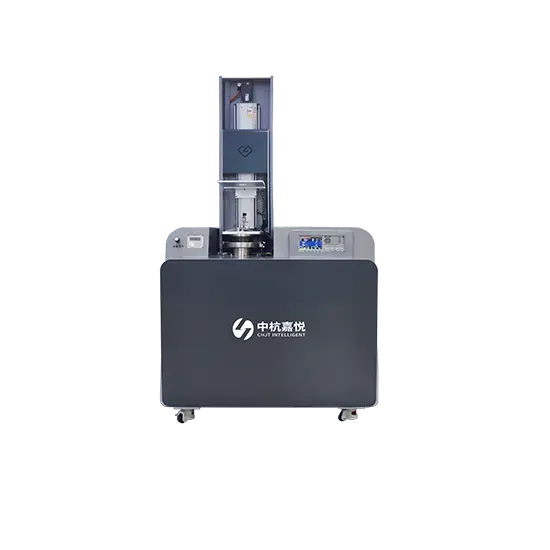
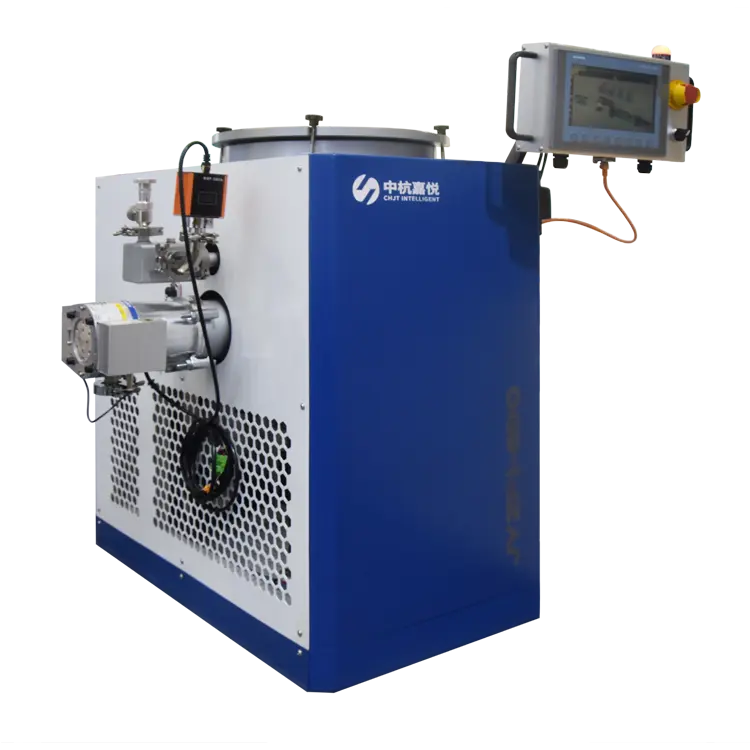
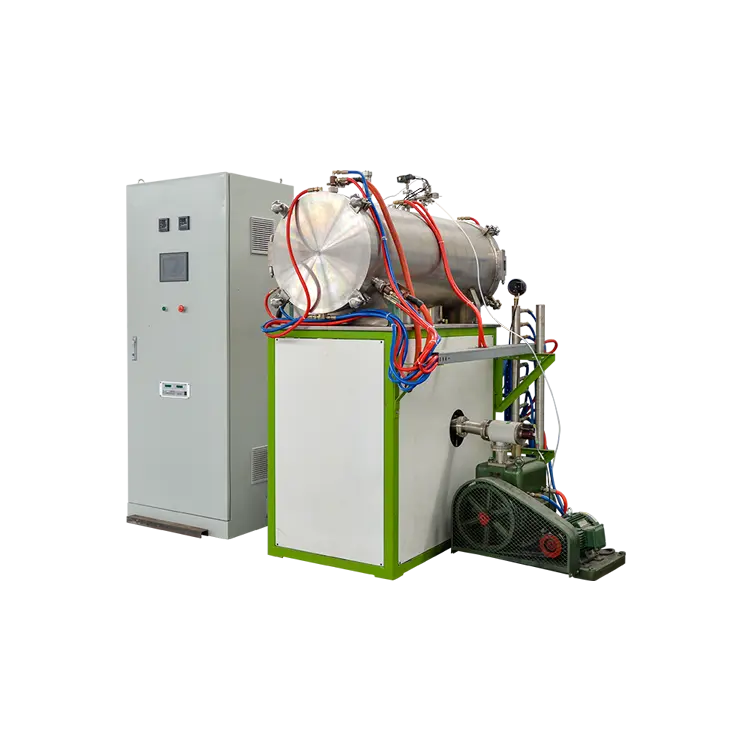
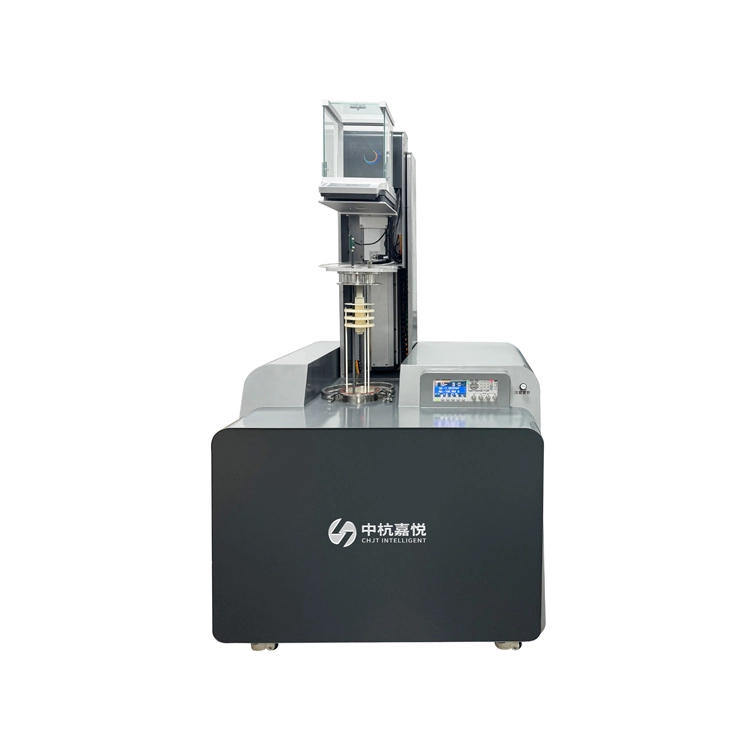
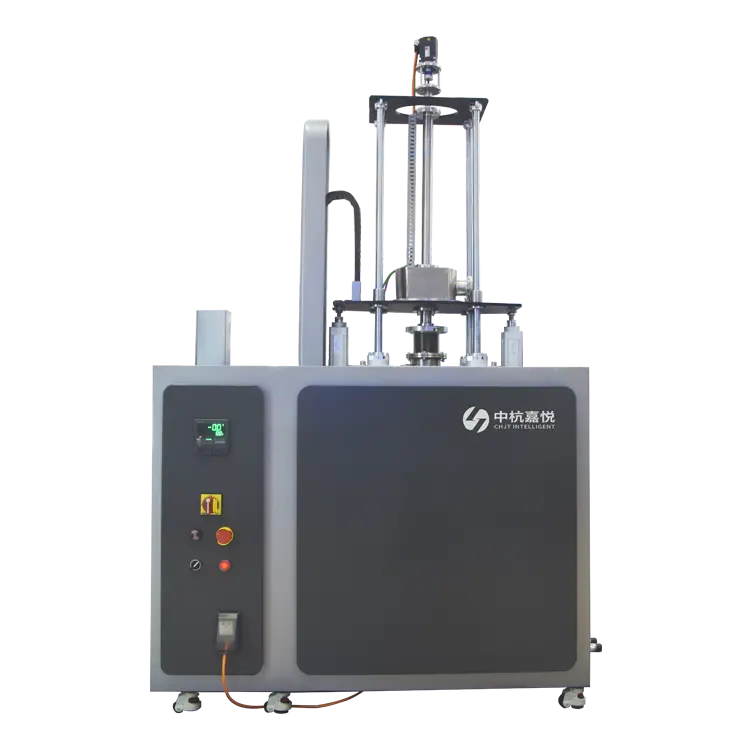
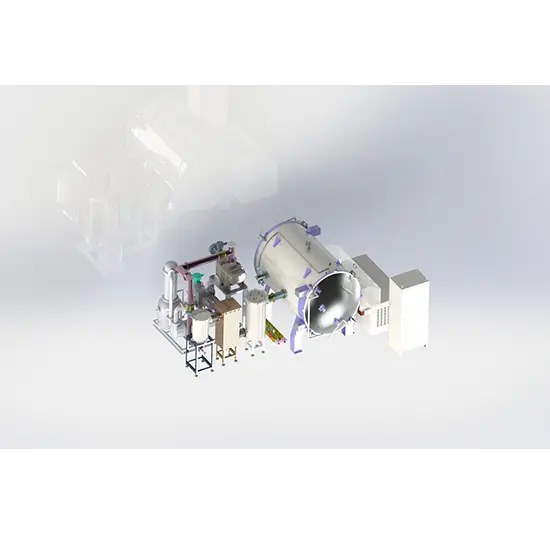
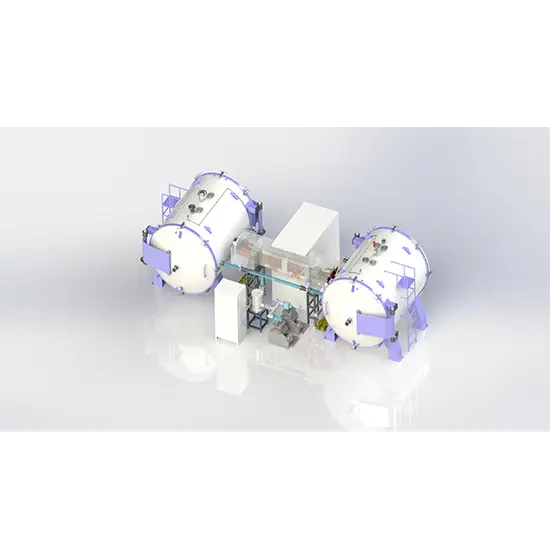
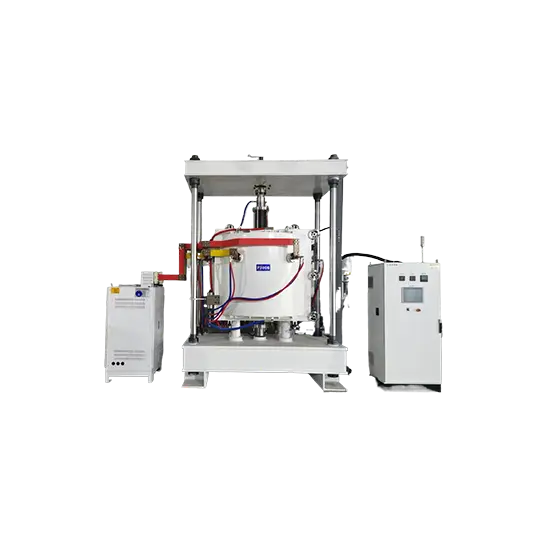
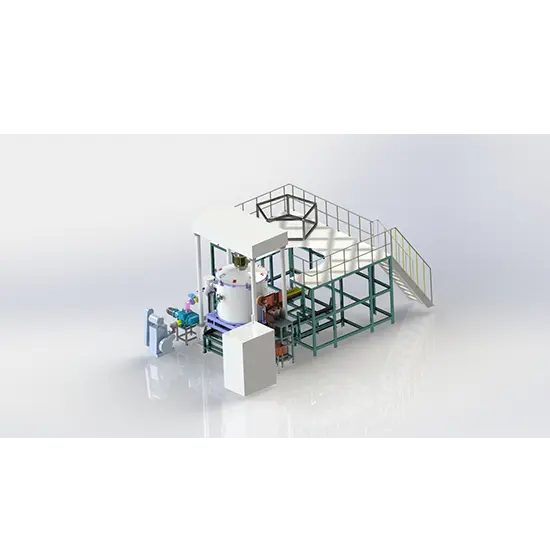
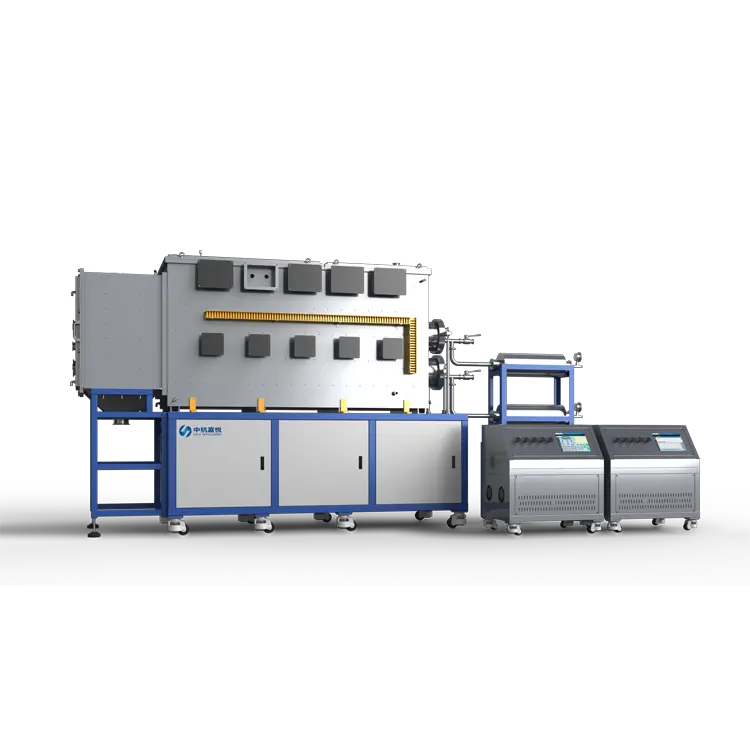
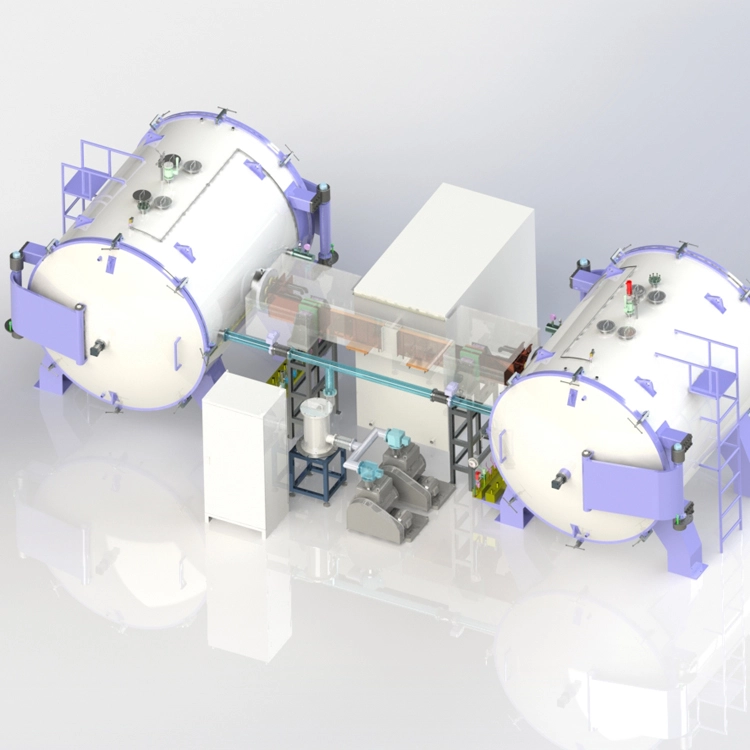
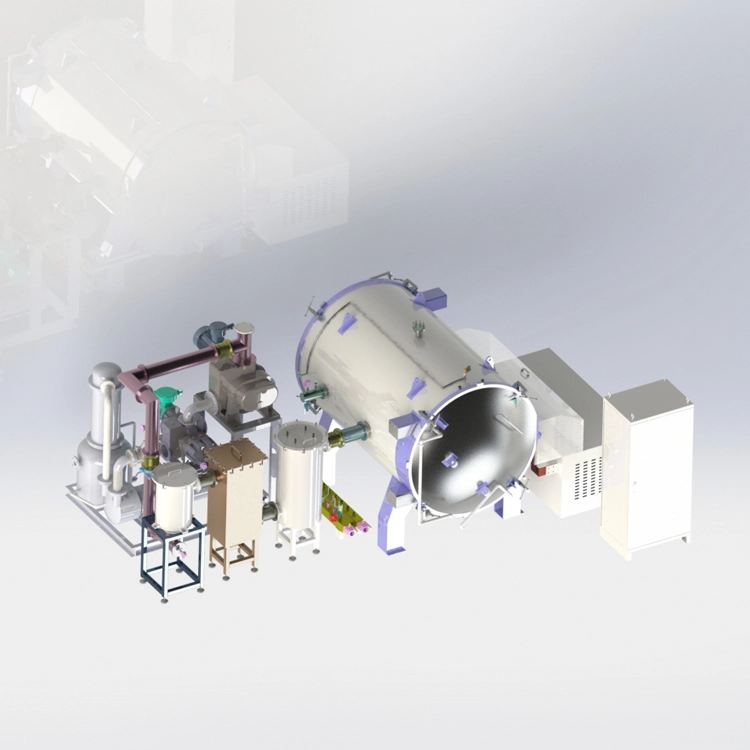
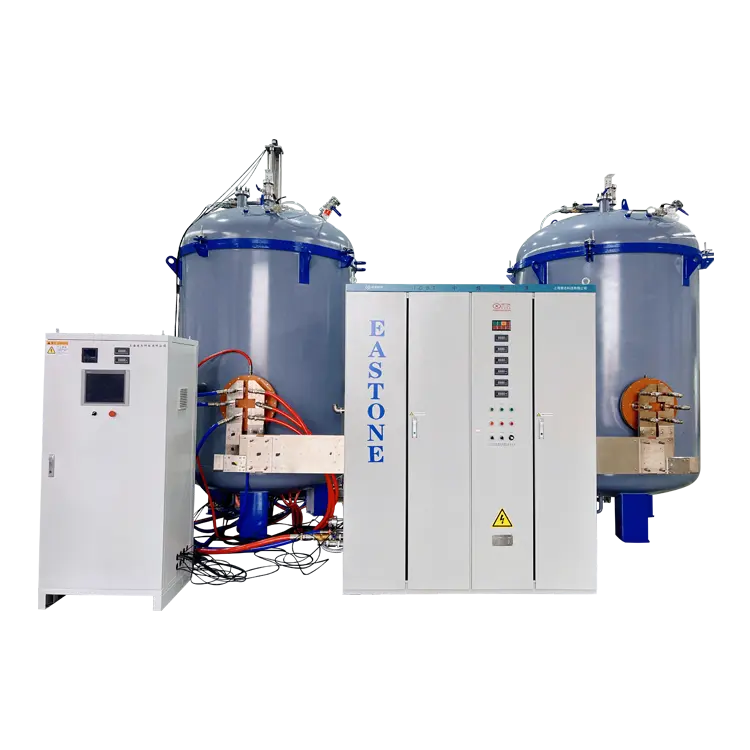
In 2026, third-generation semiconductors — especially silicon carbide — are scaling from niche power electronics into mainstream electric vehicle drivetrains, industrial inverters, and high-frequency RF applications. The bottleneck is no longer simply throughput. It is yield, and yield is increasingly determined by purity and thermal-field stability at the crystal growth and high-temperature processing stages. Even trace contamination — outgassing from internal components, residual oxygen or moisture, hot-zone drift, or particle shedding during thermal cycling — can translate directly into defects, inconsistent resistivity, or downstream wafer yield loss that is expensive and difficult to trace back to its source. A modern graphite vacuum furnace addresses this at the system level by combining a high-purity graphite hot zone with high-vacuum pumping and controlled thermal uniformity to suppress impurity introduction throughout the high-temperature process cycle. For manufacturers requiring configurable solutions matched to specific SiC process requirements, a China vacuum graphitization furnace platform offers the engineering flexibility to specify hot-zone geometry, vacuum capability, and thermal profile control around the actual process window — not a generic standard.
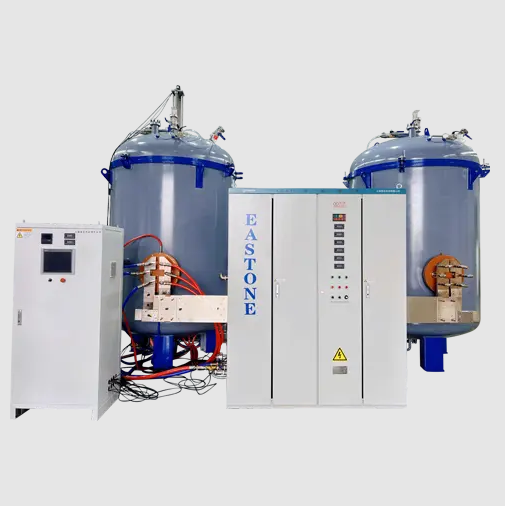
Understanding why purity is difficult to achieve at semiconductor-grade temperatures requires mapping the contamination pathways that are active during a high-temperature cycle. The first pathway is residual gas chemistry: oxygen, water vapor, carbon monoxide, and hydrocarbon species that remain in the furnace chamber at low partial pressures can react with the SiC charge or the hot-zone surfaces at elevated temperatures, introducing impurities that alter electrical properties or nucleate defects. The second pathway is outgassing from internal components — insulation materials, structural supports, seals, and fixtures that release adsorbed gases as temperature rises. The third pathway is non-uniform heating: localized hot spots cause differential reaction rates across the load, producing deposit formation or compositional gradients that are inconsistent from run to run.
Each of these pathways must be addressed by the furnace design, not managed after the fact by process adjustments. A furnace that is not engineered for purity will require constant compensation, and that compensation will never be fully reliable.
Graphite hot zones are the established choice for semiconductor-grade high-temperature processing for several interconnected reasons. Graphite can operate at temperatures well above 2000°C with structural stability, making it suitable for the extreme thermal conditions required in SiC crystal growth and graphitization. High-purity graphite grades, when properly selected and conditioned, have low intrinsic contamination contribution compared with many metallic alternatives at equivalent temperatures. The thermal mass and radiation characteristics of a well-designed graphite hot zone produce a consistent, stable heating field that minimizes the temperature gradients across the load — gradients that, if present, would drive differential reaction rates and non-uniform crystal quality.
Vacuum operation complements the graphite hot zone by reducing the partial pressure of all reactive gas species in the chamber. Lower partial pressure means lower driving force for oxidation, carburization, and other contamination reactions. The combination of a high-purity graphite heat field and high-vacuum pumping is what enables the process environment that semiconductor-grade SiC crystal growth requires.
Temperature uniformity across the hot zone is not simply a comfort specification — it is a direct determinant of crystal quality. In SiC growth processes, temperature gradients drive differential growth rates, stress accumulation, and polytype instability. A hot zone that delivers ±3°C uniformity across the working volume produces a fundamentally different crystal quality outcome than one with ±15°C variation, even if the nominal setpoint temperature is identical. The graphite hot zone's geometry, insulation layout, and heater design must be engineered together to achieve the required uniformity — and that uniformity must be stable and repeatable from run to run, not just achievable on a single calibration cycle.
The vacuum performance of the furnace is the foundation of its purity capability. Ultimate vacuum level determines the minimum achievable partial pressure of reactive gases in the chamber. However, ultimate vacuum is a static measurement — what matters for process purity is the dynamic vacuum performance during the actual thermal cycle, when outgassing from heated components is actively loading the pumping system. Pumping speed at the working pressure determines how quickly the system can remove outgassed species and maintain the required vacuum level throughout the soak period. Leak rate — the rate at which atmospheric gases enter the system through seals and joints — determines the steady-state contamination floor that the pumping system must overcome. All three parameters must be specified and verified together; a furnace with excellent ultimate vacuum but poor leak rate or insufficient pumping speed at working pressure will not deliver the purity performance its nameplate suggests.
The hot-zone configuration — heater geometry, insulation thickness and grade, radiation shield arrangement, and load support design — determines the temperature distribution across the working volume and its stability over time. For SiC crystal growth applications, the relevant specifications are temperature uniformity across the charge volume, thermal gradient stability during the soak period, and run-to-run repeatability of the thermal field. A hot zone that delivers consistent uniformity on the first run but drifts as graphite components age and outgas will produce inconsistent crystal quality that is difficult to attribute to the furnace rather than the material. Specifying the hot-zone design around the actual load geometry and thermal profile — rather than accepting a standard configuration — is what produces the repeatability that semiconductor-grade processes require.
The graphite grade selected for heaters, insulation, and structural components directly affects the contamination contribution of the hot zone itself. High-purity graphite grades with low ash content and controlled trace metal levels are specified for semiconductor applications precisely because the hot zone is in direct thermal communication with the process environment. Surface treatment and conditioning procedures — including high-temperature bake-out cycles before production use — reduce the outgassing load from new components and establish a stable baseline. Component design should also minimize particle generation during thermal cycling: graphite parts that are mechanically stressed by differential thermal expansion will shed particles that contaminate the load and the chamber surfaces.
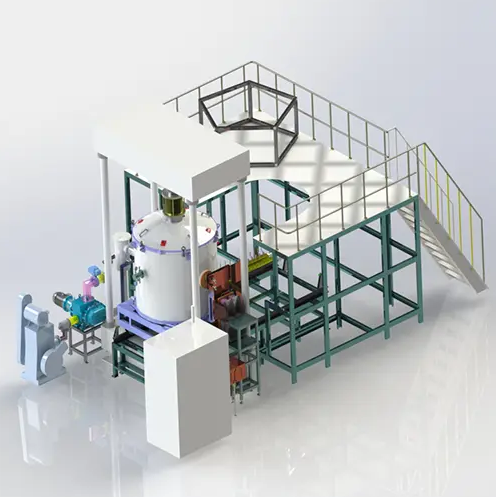
The high-temperature steps in SiC crystal production — including physical vapor transport growth, post-growth annealing, and substrate conditioning — are all sensitive to the purity and uniformity of the thermal environment. Contamination introduced during these steps cannot be removed by downstream processing; it becomes part of the crystal structure and manifests as electrical defects, micropipes, or resistivity variation that reduces wafer yield. A graphite vacuum furnace configured for SiC applications provides the vacuum integrity and hot-zone consistency that these steps require, with the process control capability to execute and record the specific thermal profiles that the crystal growth recipe demands.
Graphitization processes — converting carbon precursors to high-crystallinity graphite at temperatures above 2000°C — require both extreme temperature capability and strong removal of volatile impurities released during the conversion. A vacuum graphitization furnace combines the high-temperature graphite hot zone with the pumping capacity to handle the significant outgassing load that graphitization generates, producing a cleaner, more consistent graphite product than atmospheric or inert-gas processes can achieve. High-temperature purification of graphite components and other advanced materials follows the same logic: vacuum operation at high temperature drives impurity volatilization and removal more effectively than any chemical treatment at lower temperatures.
Process development for SiC and other third-generation semiconductor materials requires a furnace platform that supports adjustable recipes, detailed process data logging, and repeatable thermal fields that allow engineers to correlate micro-defect observations with specific furnace conditions. A configurable China vacuum graphitization furnace platform provides this capability — the ability to modify hot-zone geometry, adjust vacuum and gas backfill parameters, and program complex multi-segment thermal profiles — while maintaining the purity performance that semiconductor-grade development requires. The same platform that supports R&D can be scaled to pilot production without changing the fundamental process environment, which protects the process knowledge developed during development.
A structured selection process for a graphite vacuum furnace begins with five definition steps that map process requirements to equipment specifications.
First, define the material and process: the specific SiC-related step, graphitization application, or purification workflow, and the temperature profile it requires. Second, define the target purity risks: oxygen and moisture sensitivity, deposition risk, and the allowable contamination level expressed in terms of the defect or resistivity specification the crystal must meet. Third, define the load and geometry: crucible size, charge mass, fixture arrangement, and batch configuration. Fourth, define the thermal requirements: temperature range, uniformity target across the load volume, acceptable gradients, and the ramp, soak, and cooling profile. Fifth, define the vacuum and gas requirements: required vacuum level during the process cycle, whether inert gas backfill is used and at what pressure, and pressure control precision requirements.
Each of these inputs maps directly to a furnace specification parameter. Providing all five categories of information at the selection stage enables a configuration recommendation that matches the actual process requirement rather than a generic standard model.
The most common source of performance gaps between a furnace's specified capability and its delivered performance in production is installation quality. Pumping line layout and conductance — the diameter, length, and number of bends in the vacuum line between the chamber and the pump — directly affect the effective pumping speed at the chamber. A poorly designed pumping line can reduce effective pumping speed by 50% or more compared with the pump's rated performance. Clean assembly procedures for hot-zone components prevent contamination introduction during installation. Bake-out and conditioning cycles after installation establish the outgassing baseline before production use begins. Utilities — power supply, cooling water, gas supply, exhaust, and safety interlocks — must be confirmed and installed to specification before commissioning. Maintenance access for hot-zone parts and vacuum pumps must be planned into the installation layout, not discovered as a constraint after the furnace is in place.
Graphite hot-zone components are consumables over the furnace's operating life. Heaters, insulation boards, and radiation shields degrade through thermal cycling, oxidation from residual gases, and mechanical stress. A scheduled inspection and replacement plan — based on run count, peak temperature exposure, and observed performance trends — prevents the gradual contamination increase that occurs as aging components outgas more heavily and shed more particles. Vacuum system maintenance — seal inspection and replacement, valve servicing, pump oil changes and filter management — protects the system's ability to achieve and maintain the required vacuum level. Cleaning and conditioning cycles between production campaigns reduce the accumulated outgassing load and re-establish the clean baseline that semiconductor-grade processes require.
The total cost of ownership for a graphite vacuum furnace in semiconductor crystal production should be measured against yield impact, not just operating cost. The relevant metrics are: defect rate trends correlated with hot-zone lifetime, which quantify the yield cost of running aging components beyond their optimal service interval; cost per qualified run, which combines energy, consumables, and downtime into a single production efficiency metric; mean time between maintenance events and recovery time after hot-zone service, which determine the production availability of the furnace; and run-to-run temperature field and vacuum stability, which determine whether the process is in control or drifting. A furnace that costs more to purchase but delivers better run-to-run repeatability and lower defect rates will almost always produce a lower cost per qualified wafer than a lower-cost furnace with inconsistent performance.
For SiC and other third-generation semiconductor materials, purity is not a slogan — it is a system-level result of vacuum integrity, hot-zone consistency, and repeatable thermal control working together across every production run. A well-engineered graphite vacuum furnace suppresses contamination by maintaining a stable, high-purity graphite heat field while evacuating residual gases under high vacuum, supporting more consistent crystal quality and higher usable yield at every stage from R&D through production.
To receive a recommended graphite vacuum furnace configuration and quotation matched to your SiC process requirements, temperature targets, and purity specifications, visit the graphite vacuum furnace product page and submit the following details:
Operating conditions: process type (SiC-related step, graphitization, purification), target temperature profile, vacuum versus vacuum with gas backfill
Quantity and throughput: batch size, runs per day, uptime target, R&D versus production scale
Size and specs: hot-zone dimensions, crucible and load size, maximum load weight, footprint constraints
Target metrics: vacuum level target, temperature uniformity and gradient targets, allowable contamination level, yield targets and defect limits
Current problems: impurity-related defects, deposition or blackening, vacuum instability, hot-zone drift, run-to-run repeatability issues
If you are evaluating vertical-format configurations or comparing platform options before submitting your detailed requirements, visit the China vacuum graphitization furnace page to review available specifications and identify the right starting point for your process.
1. What is a graphite vacuum furnace?
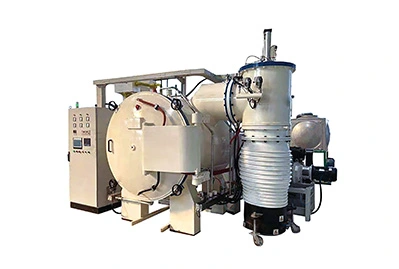
A graphite vacuum furnace is a high-temperature furnace that uses a graphite hot zone — comprising graphite heaters, insulation, and radiation shielding — and operates under vacuum to reduce oxidation and contamination during high-temperature processing. The combination of high-purity graphite components and vacuum atmosphere enables cleaner, more consistent thermal processing for advanced materials including SiC crystals, graphite products, and other semiconductor-grade materials.
2. What is the practical difference between a graphite hot zone and a metal hot zone for purity-sensitive processes?
Graphite hot zones are capable of operating at temperatures above 2000°C with structural stability, which metal hot zones cannot match. At extreme temperatures, metallic components can introduce contamination through evaporation or reaction with the process atmosphere. High-purity graphite grades, when properly selected and conditioned, have low intrinsic contamination contribution at the temperatures relevant to SiC processing. The right choice depends on the specific temperature range, atmosphere, and allowable impurity sources for the application — but for semiconductor-grade crystal growth at high temperatures, graphite hot zones are the established standard.
3. What is the ROI and payback period for upgrading to a higher-purity graphite vacuum furnace?
ROI is primarily driven by yield improvement and defect reduction, not energy savings. The calculation should include: reduction in contamination-driven defects expressed as additional qualified wafers or crystals per production period; reduction in "mystery" process excursions that require engineering investigation time; improvement in run-to-run repeatability that reduces process development time; and reduction in rework and scrap at downstream processing stages where contamination from the furnace step manifests. In semiconductor crystal production, even a 2 to 3 percentage point improvement in usable yield can produce payback periods measured in months.
4. Does installing a vacuum graphitization furnace require significant facility modifications?
Typically yes, to some extent. Common requirements include: adequate electrical power supply for the furnace's heating system; cooling water supply and return for the furnace body and vacuum pump system; floor space for the furnace, vacuum pump skid, and maintenance access clearance; gas supply for inert backfill if used; exhaust and safety interlocks for the vacuum system; and clean assembly and handling procedures for hot-zone components during installation and maintenance. The extent of modification depends on the furnace model, vacuum system configuration, and the existing facility infrastructure. A site survey during the selection process identifies these requirements before purchase commitment.
5. What parameters should we provide to select the right China vacuum graphitization furnace configuration?
Provide at minimum: target maximum and working temperature; required vacuum level and stability expectations during the process cycle; hot-zone dimensions and required working volume; load and crucible dimensions and maximum mass; temperature uniformity and gradient targets across the load volume; cycle profile including ramp rates, soak temperature and time, and cooling requirements; throughput goals in runs per day or week; whether gas backfill is required and at what pressure; and a description of current defect or contamination symptoms including when and where they appear in the process sequence. The more specific the process and performance data provided, the more precisely the equipment configuration can be matched to the actual semiconductor-grade requirement.