English
 português
 فارسی
فارسی
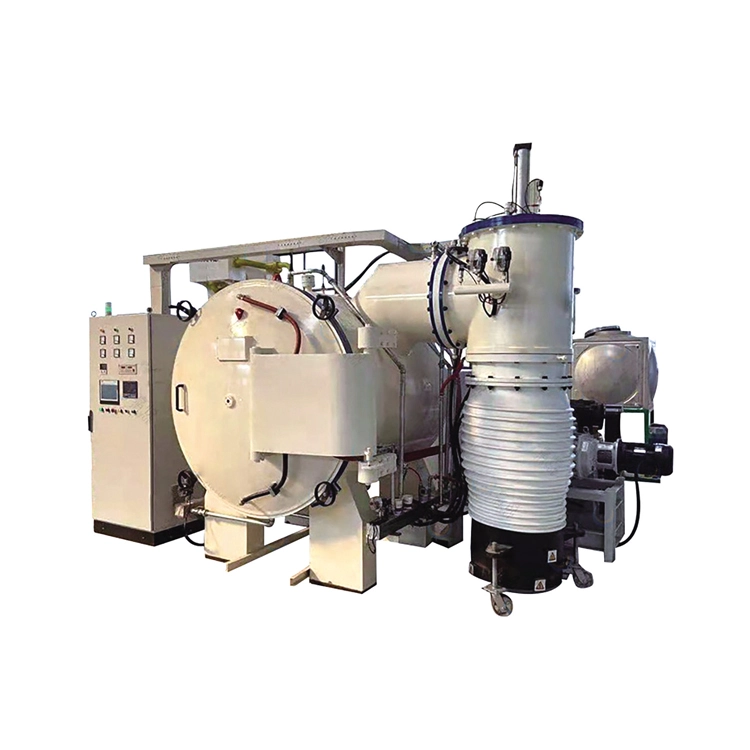
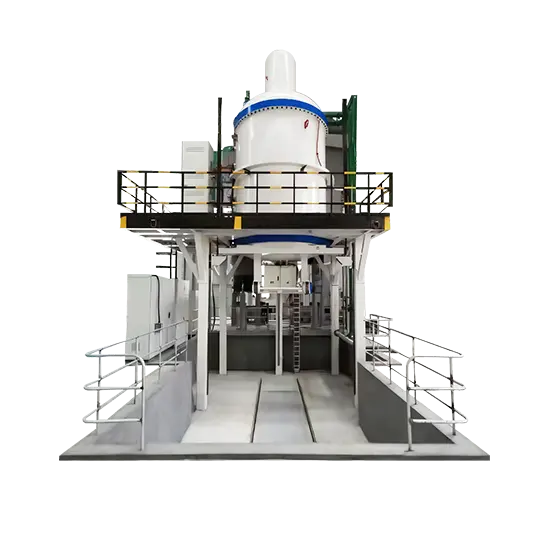
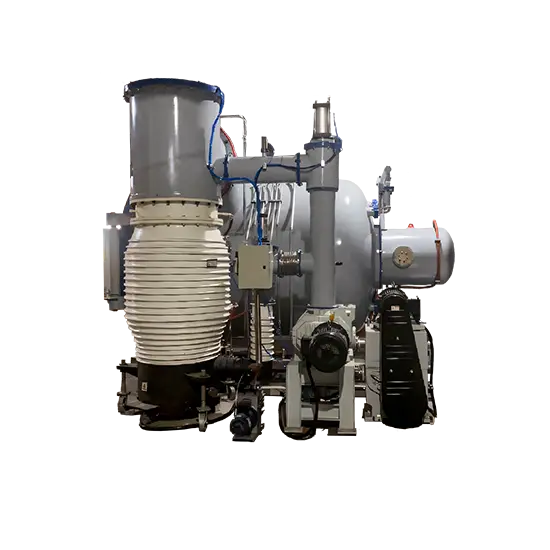
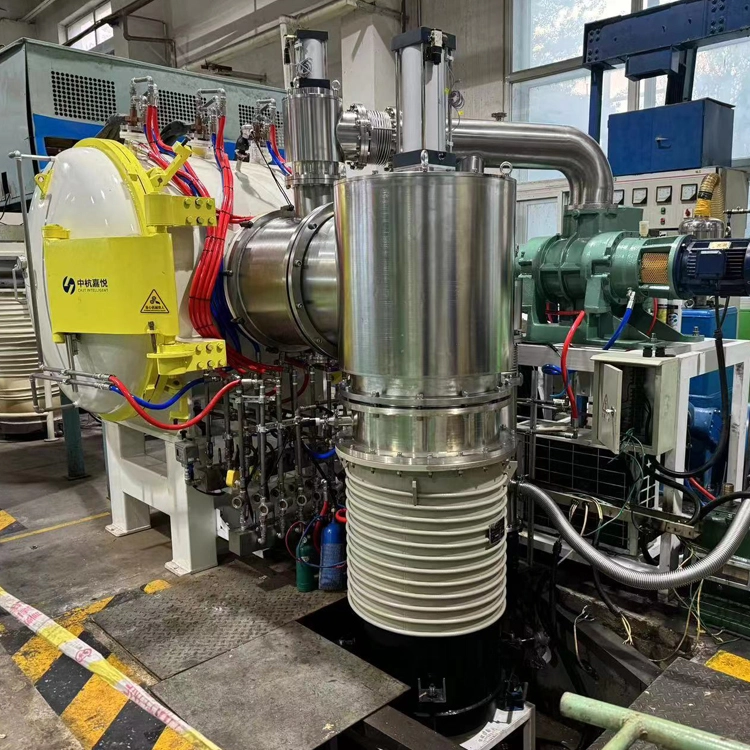
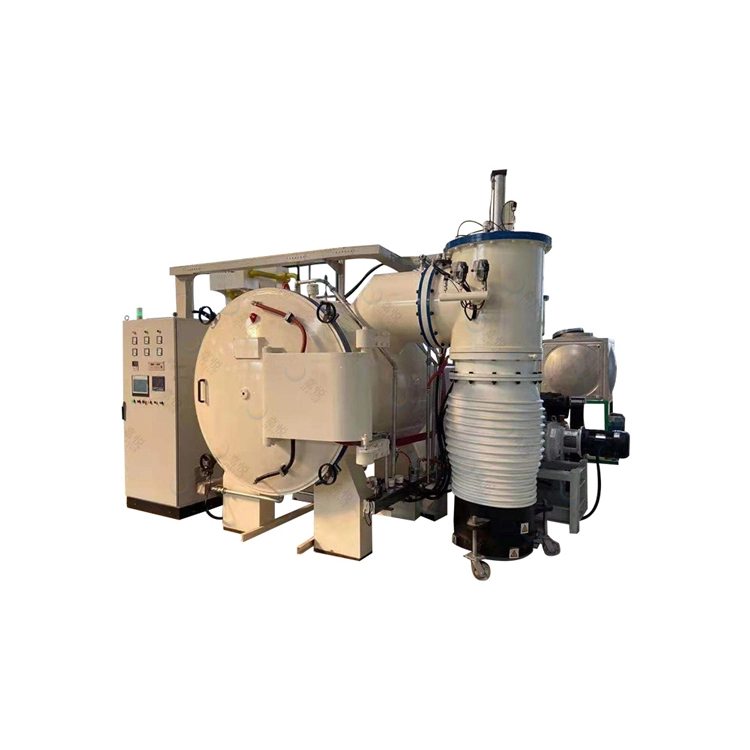
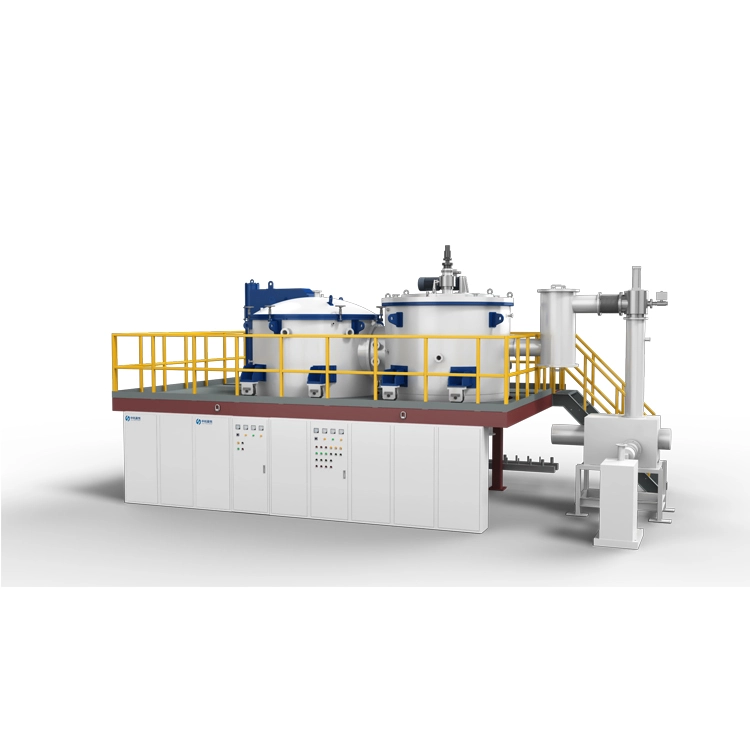
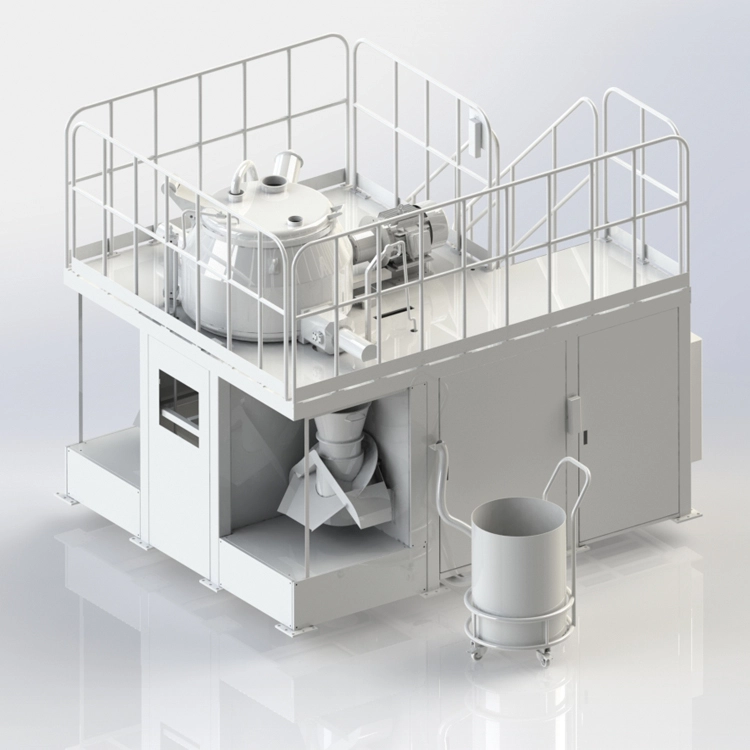
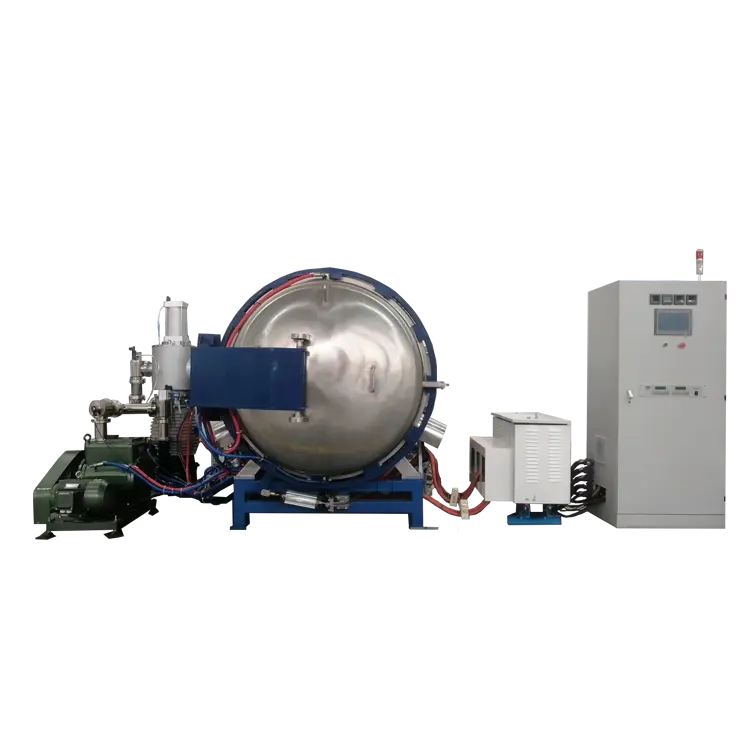
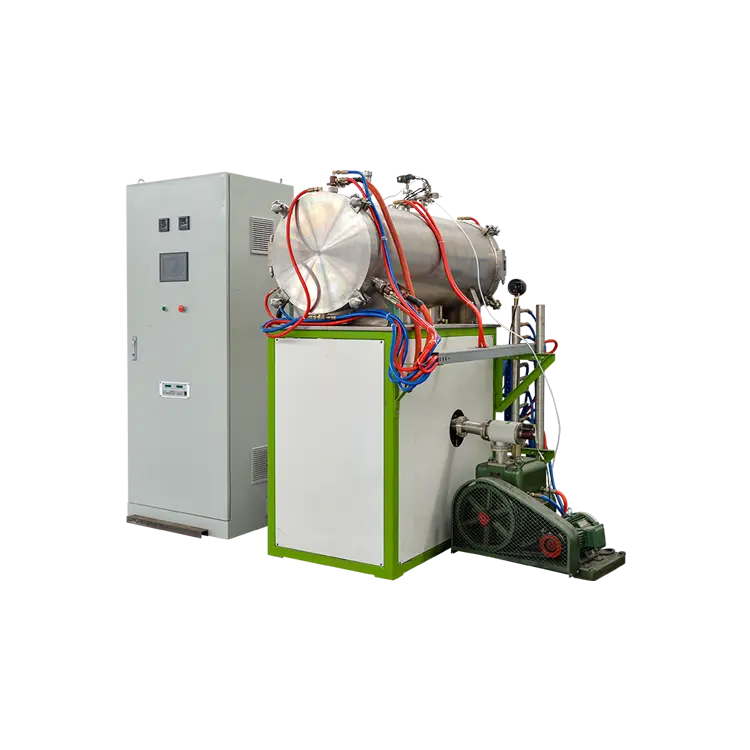
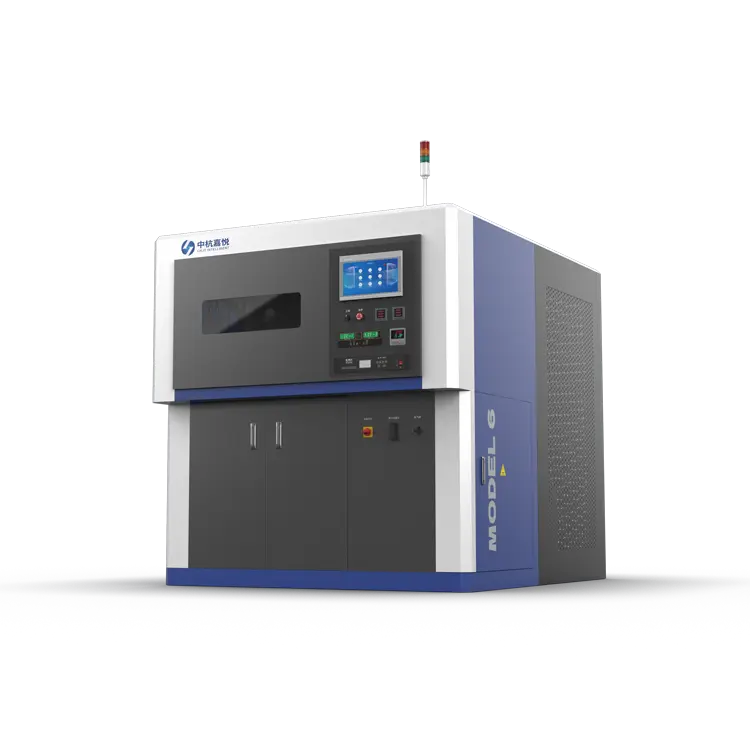
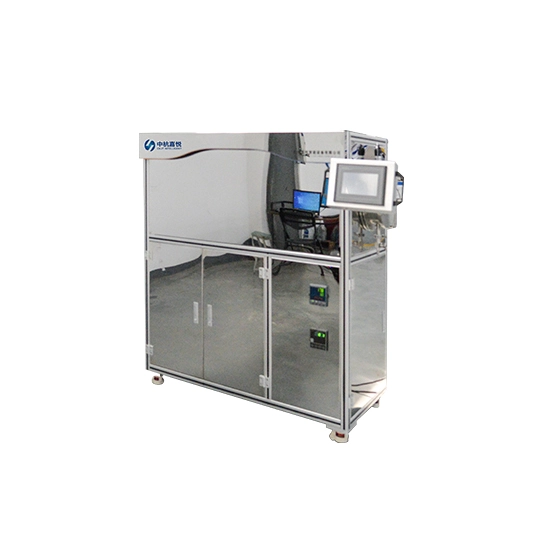
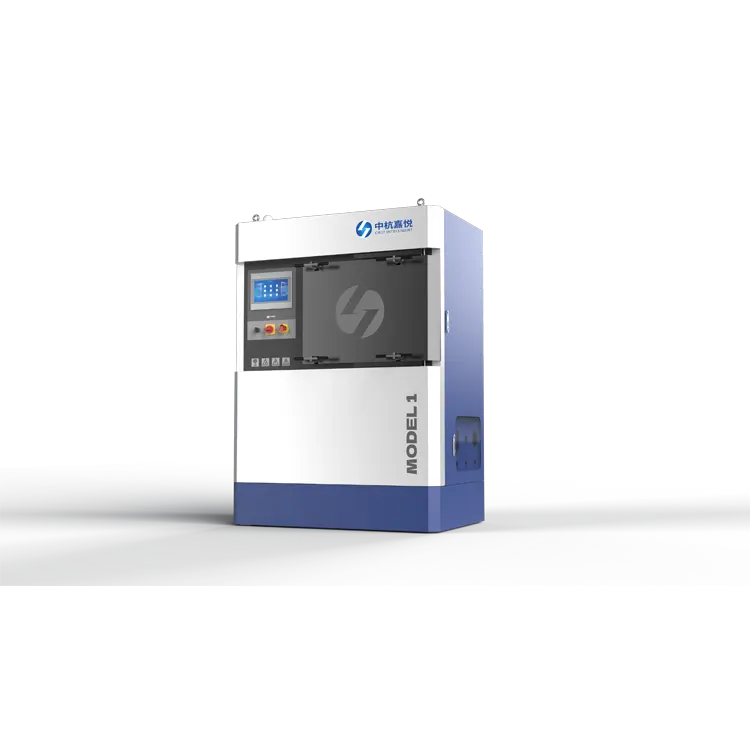
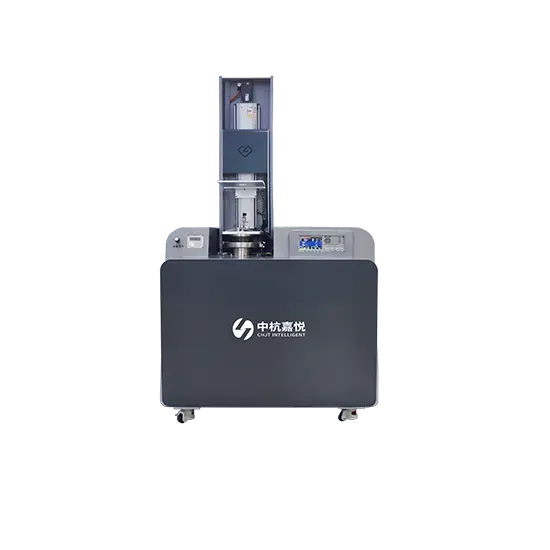
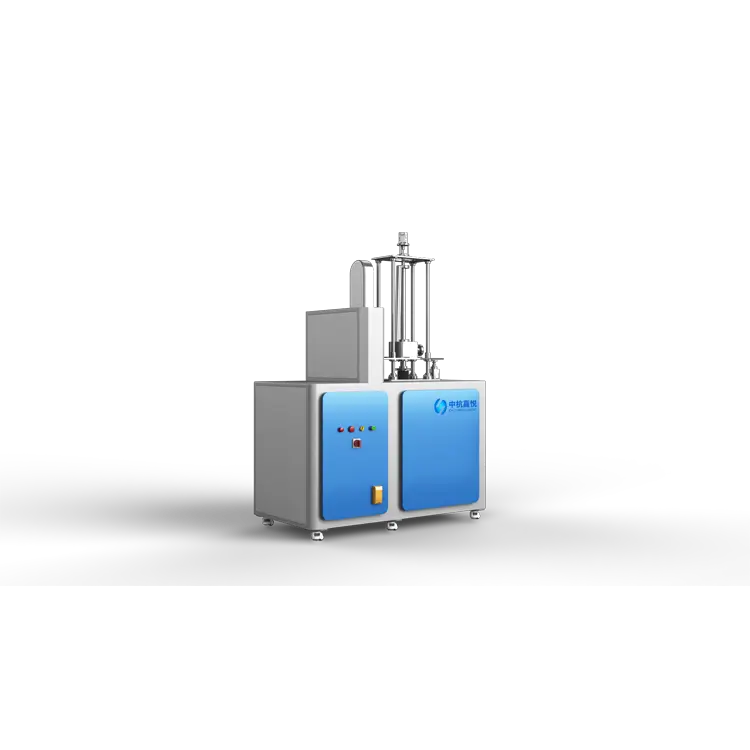
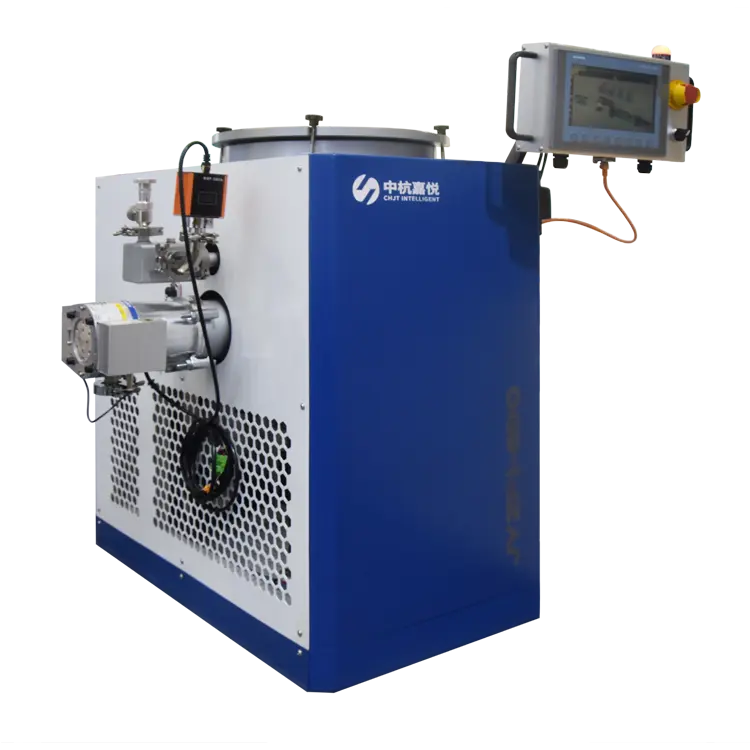
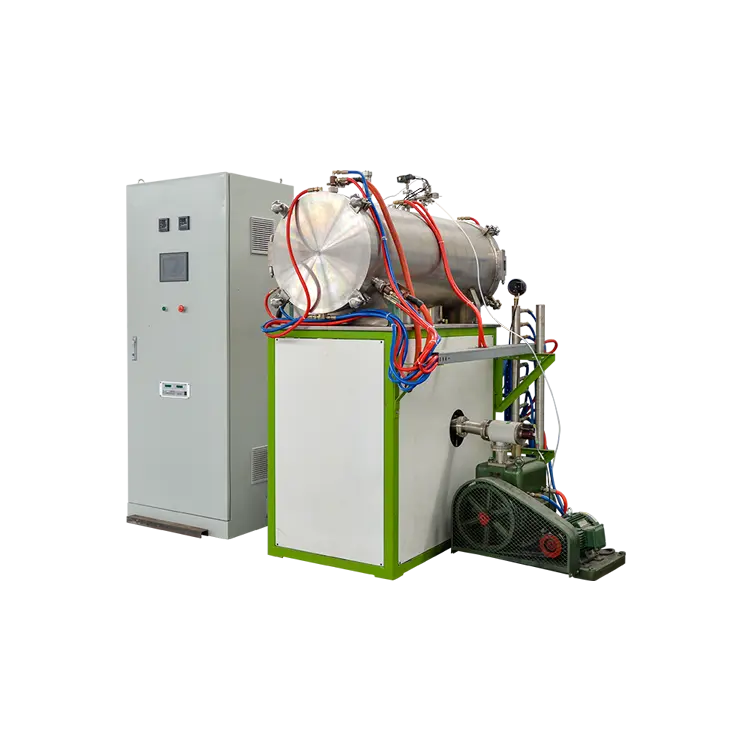
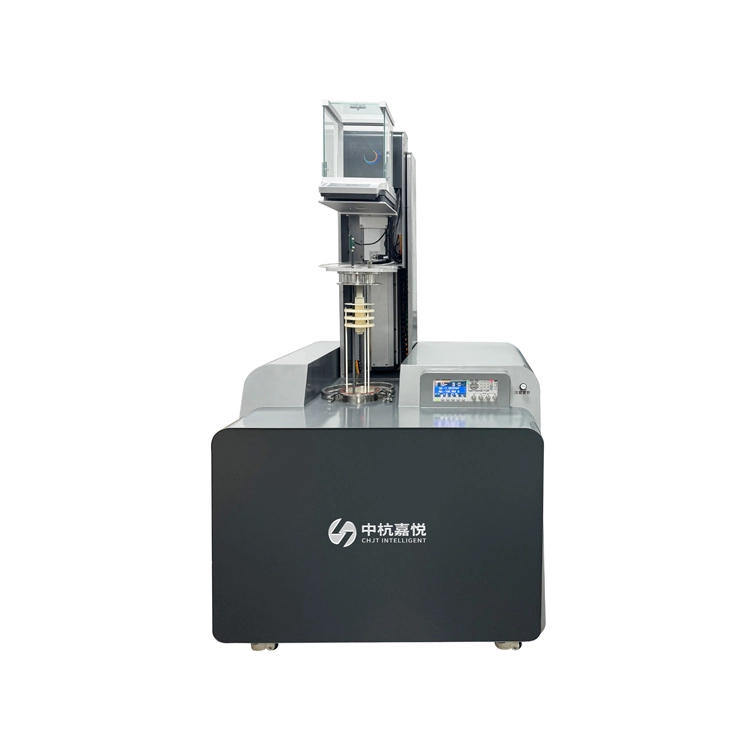
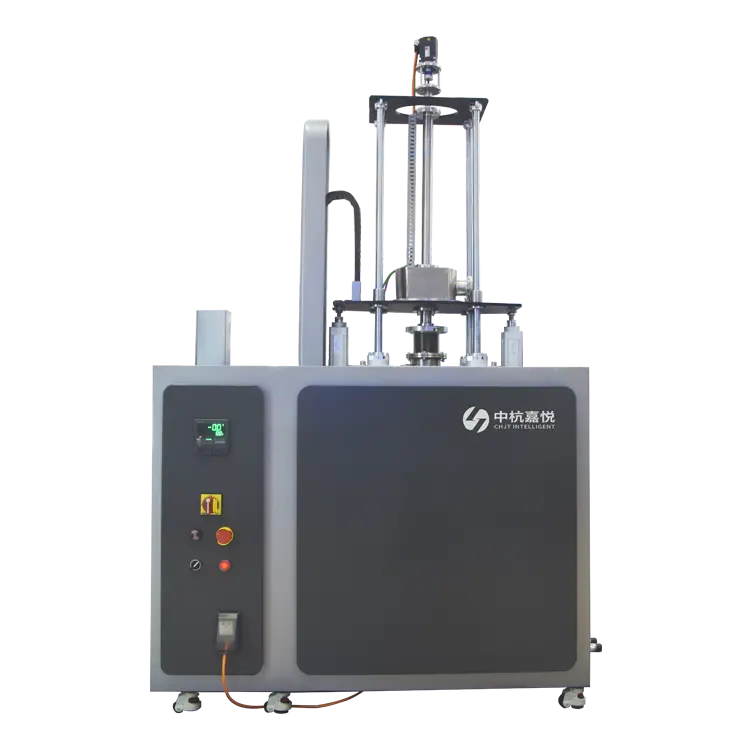
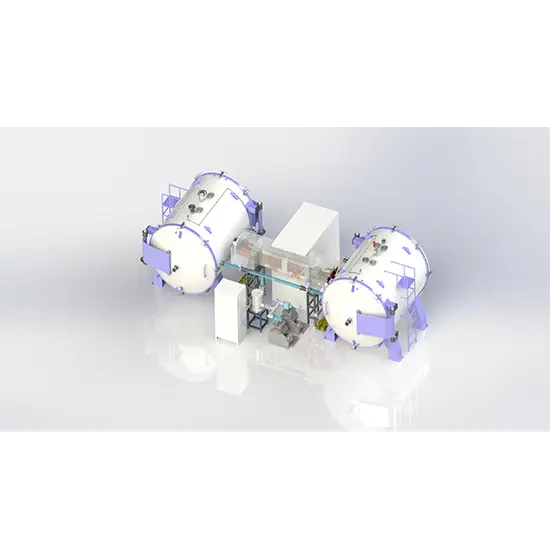
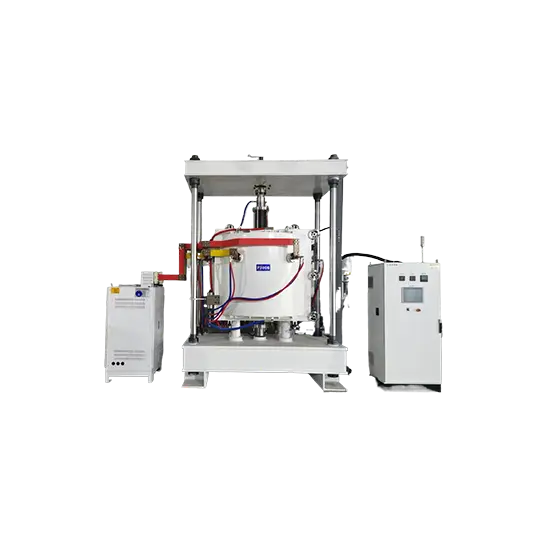
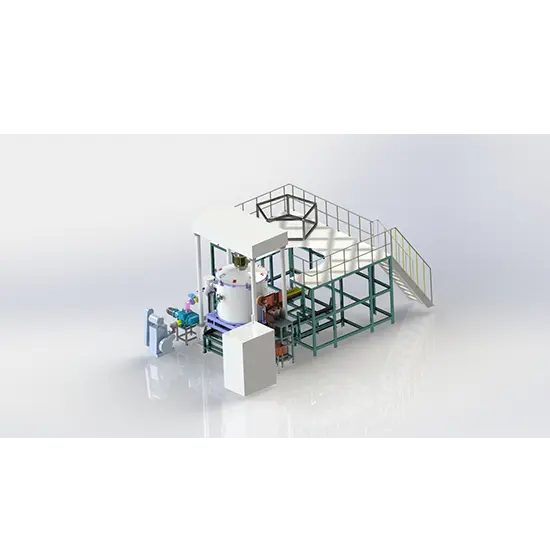
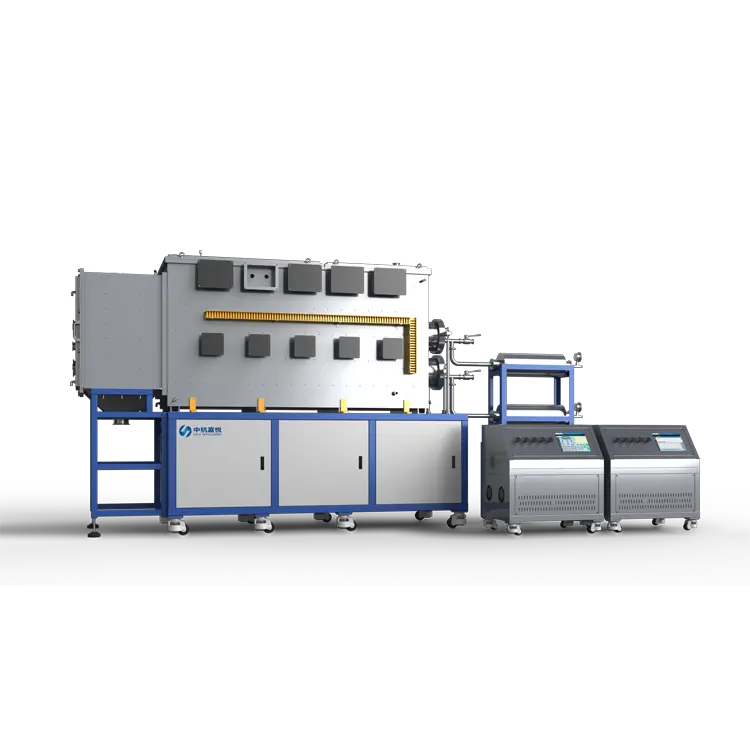
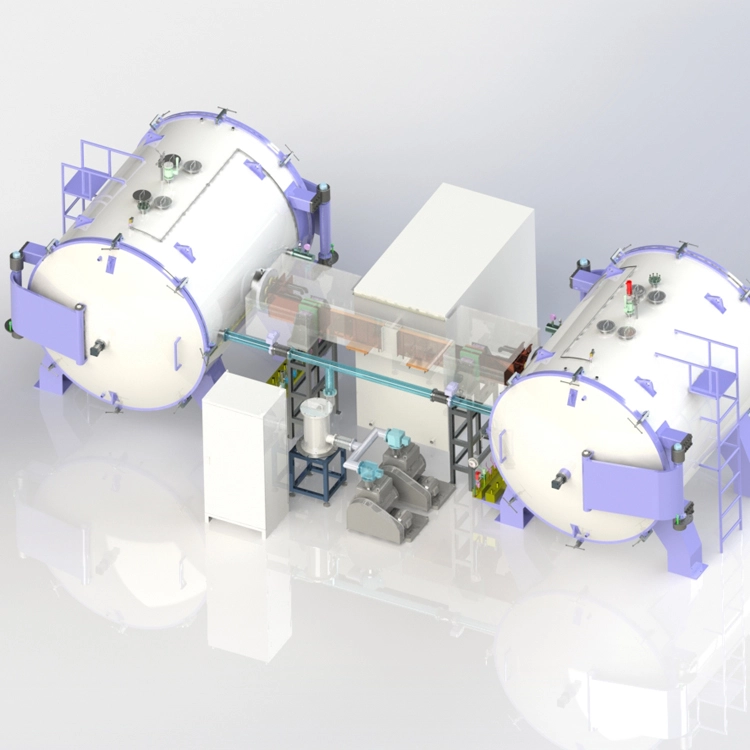
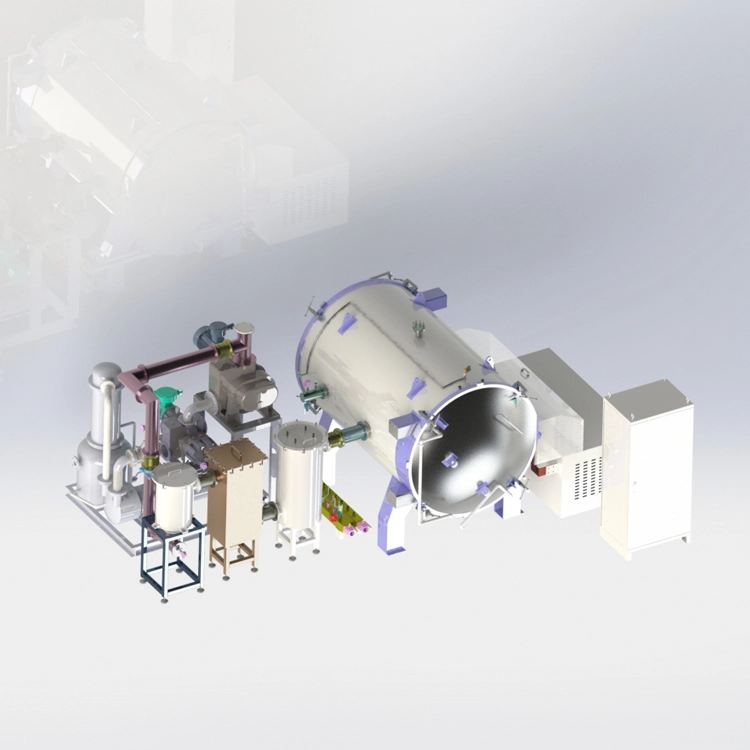
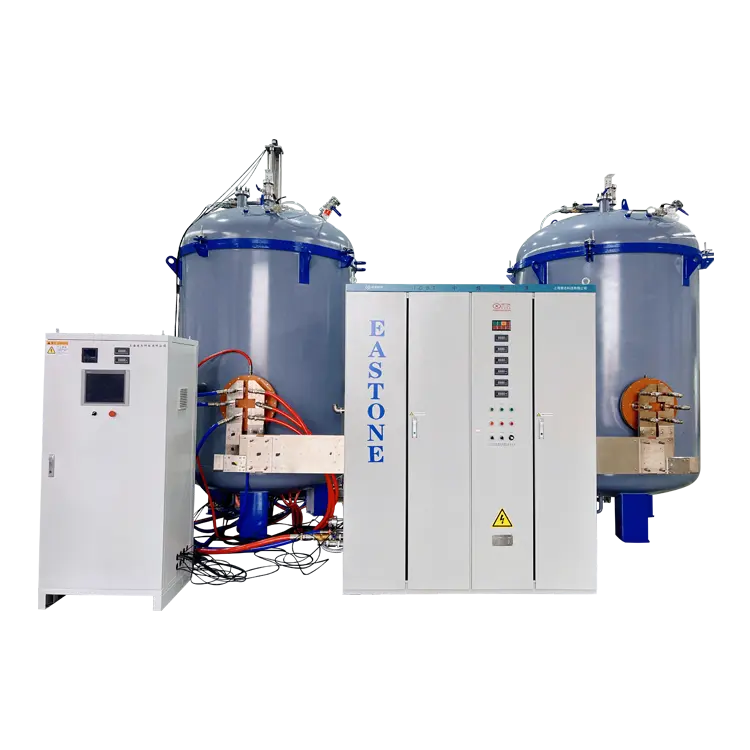
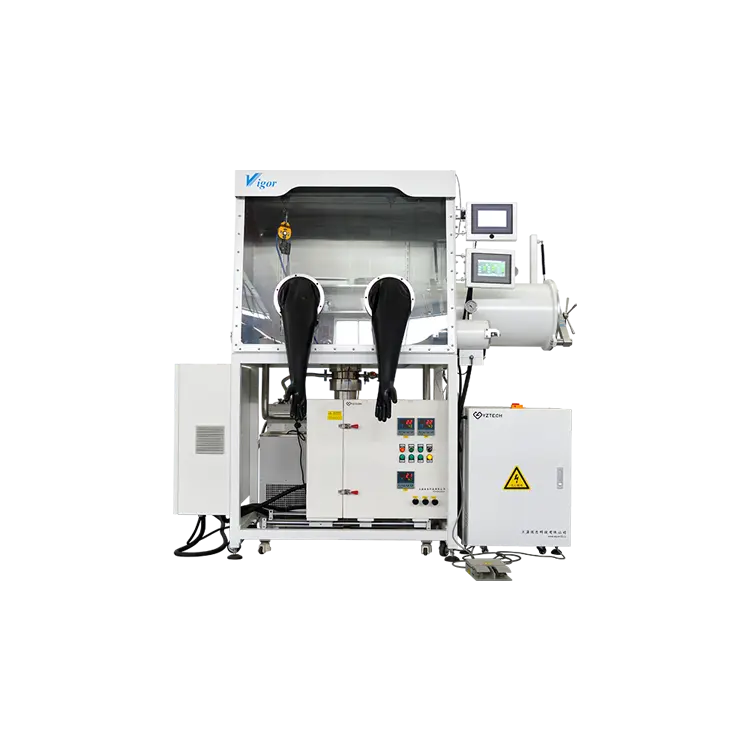
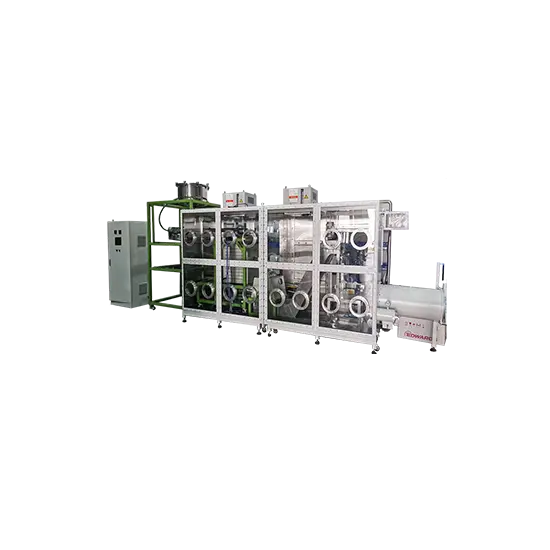
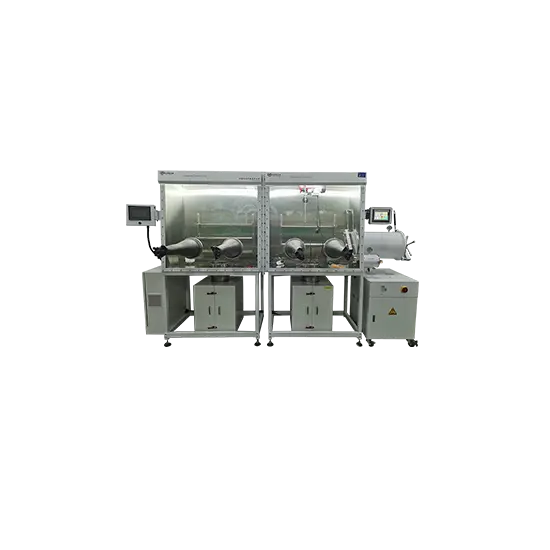
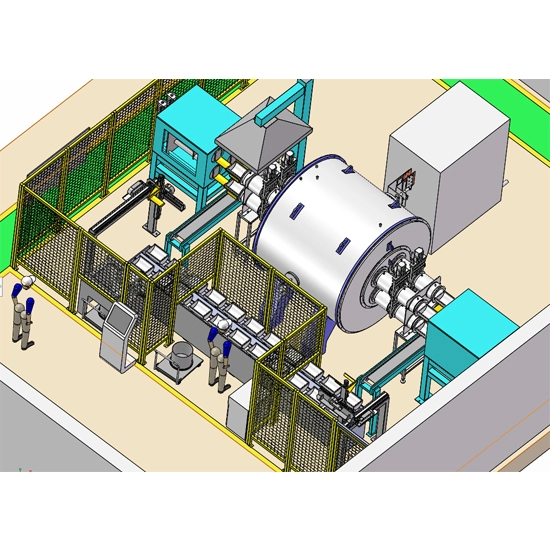
In 2026, manufacturers are chasing tighter tolerances with shorter lead times — yet metal parts continue to distort during final machining, not because of poor tooling or operator error, but because of residual stress that was locked in during cold working, stamping, drawing, or welding and never properly relieved. The distortion only appears after hours of value-added processing, when rework is most expensive and delivery windows are tightest. This is the "silent defect" that drives scrap rates up and machining confidence down. A modern annealing furnace solves this at the source by applying a precise heat–soak–controlled cooling curve that reshapes the metal's microstructure and stress state before finishing begins. When oxidation control is also critical — for high-alloy steels, titanium, or precision aerospace components — a vacuum annealing oven adds atmosphere protection to the same controlled thermal discipline, preserving surface integrity while eliminating the internal stress that causes dimensional instability in demanding service conditions.
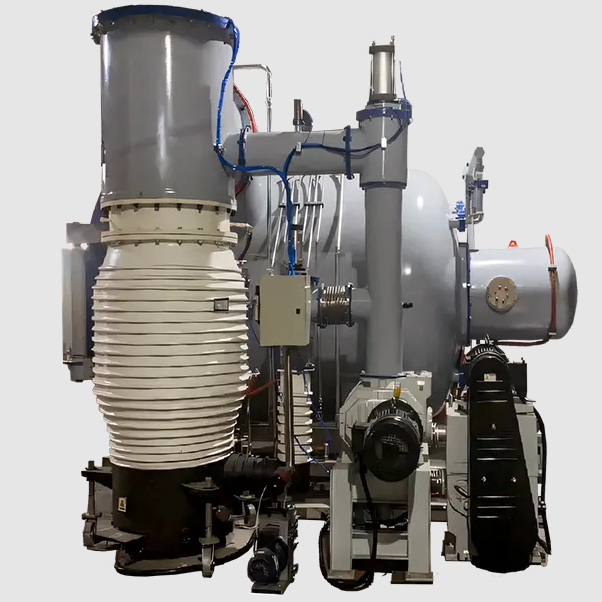
Cold deformation processes — stamping, drawing, roll forming, straightening — plastically deform metal grains and leave non-uniform internal stress fields locked into the part. Welding adds a thermal cycle on top of that, creating steep temperature gradients that produce localized expansion and contraction, leaving residual tensile and compressive stresses distributed unevenly through the weld zone and heat-affected area.
The problem does not always appear immediately. Parts can look dimensionally correct after forming or welding. The distortion emerges later, during precision machining, when material removal disrupts the stress equilibrium and the part redistributes its internal load — bending, twisting, or springing away from the fixture. By that point, significant machining time has already been invested, and the cost of discovering the problem is at its highest.
The annealing furnace addresses residual stress through three precisely controlled stages that work together to restore microstructural equilibrium.
During the heating stage, temperature rise increases atomic mobility within the metal's crystal lattice. As thermal energy is added, the strain energy stored in dislocations and deformed grain boundaries begins to release. The rate of heating matters: too fast, and thermal gradients within the part create new stress before the old stress has time to relax.
During the soaking stage, the part is held at the target temperature long enough for the entire cross-section — including the core of thick sections — to reach thermal equilibrium. Uniform temperature through the load is what ensures uniform stress relief. A soak that is too short leaves the core under-treated; a soak that is too long risks grain coarsening or unacceptable softening, depending on the alloy and objective.
During the controlled cooling stage, the furnace manages the rate at which temperature drops. This is the stage most often underestimated. If cooling is too rapid, thermal gradients re-establish themselves and new residual stresses are introduced — partially or fully undoing the stress relief achieved during soaking. A controlled ramp-down, matched to the alloy's thermal sensitivity and section thickness, is what locks in the dimensional stability that the entire process is designed to deliver.
For alloys that oxidize readily at annealing temperatures — high-alloy steels, stainless grades, titanium, nickel-based superalloys — performing the heat–soak–cooling cycle in an open-air or inert-gas environment may still leave surface oxidation or discoloration that requires additional cleaning, pickling, or mechanical finishing. A vacuum annealing oven eliminates this risk by removing the oxygen from the process environment entirely. The result is a bright, clean surface that exits the furnace ready for the next operation, with no oxidation-related material loss and no additional surface remediation step required.
The temperature range and control accuracy of the furnace must match the alloy system and the process window. For most stress-relief applications, the critical requirement is not the maximum temperature but the stability and repeatability at the working temperature. Control accuracy of ±1°C and temperature uniformity of ±3°C across the hot zone — as delivered by Zhonghang Jiayue's high-vacuum annealing models operating up to 1450°C continuous with a 1600°C maximum — ensure that every part in the load receives the same thermal treatment, batch after batch. Drift in temperature control is drift in stress-relief outcome, and that drift accumulates into batch-to-batch dimensional variation that is difficult to trace back to its source.
Temperature uniformity across the working volume is the single specification most directly linked to dimensional stability outcomes. If one end of the load is 15°C hotter than the other during soak, the stress relief is uneven — and the parts that were under-treated will behave differently during machining than the parts that were correctly treated. The hot-zone size must also accommodate the largest part plus fixture clearance without crowding, which would disrupt airflow or radiation patterns and compromise uniformity. Specifying the working area correctly at the selection stage prevents the common problem of loading a furnace beyond its uniform zone and then attributing the resulting variation to the material rather than the process.
For vacuum annealing applications, the ultimate vacuum level and the pressure rise rate during the process cycle determine how effectively the atmosphere is controlled. A higher ultimate vacuum reduces residual oxygen to levels where oxidation is negligible. The pressure rise rate — how quickly the vacuum degrades during a sealed cycle — indicates the integrity of the system and its ability to maintain the required atmosphere throughout the full soak duration. Both parameters should be specified against the oxidation sensitivity of the alloy being processed, not simply selected at the highest available level regardless of cost.
Heating element material selection affects both the maximum operating temperature and the long-term stability of the thermal profile. Insulation structure determines how efficiently the furnace holds temperature and how quickly it can ramp and cool in a controlled manner. PLC or industrial computer control with programmable recipe management enables repeatable execution of complex heat–soak–cooling profiles and provides the data logging and traceability that quality systems increasingly require. A furnace that cannot record and export its process data is a furnace that cannot support process validation or customer audit requirements in a 2026 manufacturing environment.
Welded assemblies that require subsequent precision machining are among the highest-risk applications for distortion-driven rework. The weld introduces residual stress; the machining operation removes material that was providing structural support to the stress field; the part moves. Annealing the assembly after welding and before machining eliminates this sequence by relieving the stress before any material is removed. The part that enters the machining operation is dimensionally stable, and the machining process can proceed with confidence that the part will hold its position in the fixture and its dimensions after unclamping.
Stamped, drawn, or roll-formed components that must meet tight dimensional tolerances in their finished state benefit from stress relief before final machining or grinding. The cold-forming process work-hardens the material and introduces stress gradients that vary across the part geometry. Without annealing, these gradients cause the part to respond unpredictably to material removal — requiring multiple compensation loops, extended setup time, and higher scrap rates. With annealing, the stress state is normalized before finishing begins, and the part behaves predictably throughout the machining sequence.
Parts that will operate under sustained thermal or mechanical load — in power generation, aerospace, or heavy industrial applications — carry a higher risk of creep deformation or stress-corrosion cracking if residual stress from manufacturing is not adequately relieved before service. A stable microstructure with reduced internal stress provides a more reliable baseline for predicting in-service behavior and managing fatigue life. The annealing step is not just a dimensional stability measure; it is a reliability measure for components where in-service failure has significant consequences.
A structured selection process prevents both over-specification — paying for capability that the process does not require — and under-specification — discovering limitations after installation. The recommended sequence is as follows.
First, define the material and objective: stress relief only, or full recrystallization anneal, and what hardness change is acceptable. Second, define the part envelope: maximum dimensions, maximum load weight, fixture and tray requirements, and loading method. Third, define the process curve: required heating rate, soak temperature and time, and cooling requirements including any critical cooling rate windows. Fourth, define the atmosphere requirement: air, inert gas backfill, or high vacuum, based on the alloy's oxidation sensitivity and the surface quality requirement. Fifth, define throughput: batch size per day, target cycle time, and automation requirements including recipe control and data logging.
Each of these inputs directly maps to a furnace specification parameter. Skipping any of them increases the risk of selecting a furnace that meets the nameplate specification but does not match the actual process requirement.
Before installation, confirm the following site conditions: power supply specification (three-phase, correct voltage and amperage for the furnace model); cooling water supply and return for vacuum pump and furnace body cooling; floor space for the furnace body, vacuum pump system, and maintenance access clearance; exhaust and safety interlock requirements for the atmosphere system; and data network connectivity for recipe management and logging integration. Addressing these requirements during the selection phase avoids commissioning delays and unexpected infrastructure costs.
The dominant TCO driver for annealing furnace investment is not energy consumption — it is yield. Every warped part discovered at the final machining step represents the full accumulated cost of all prior operations: forming, welding, rough machining, fixturing, and inspection. Preventing that distortion through controlled annealing recovers all of that cost. Recipe repeatability — the furnace's ability to execute the same thermal profile with the same accuracy across hundreds of cycles — is what prevents "hidden drift" where the process gradually shifts and the yield impact only becomes visible after multiple batches have been affected. For vacuum annealing applications, eliminating oxidation-related surface remediation steps removes an additional cost that is easy to overlook in a simple energy-cost comparison.
Maintaining the furnace's performance over time requires a structured preventive maintenance program. Vacuum integrity should be checked regularly — pressure rise rate testing identifies developing leaks before they affect process quality. Vacuum pump maintenance, including oil changes and seal inspection, protects the system's ability to reach and hold the required vacuum level. Thermocouple calibration on a schedule tied to production volume ensures that temperature accuracy is verified, not assumed. Heating element wear monitoring allows planned replacement before failure causes an unplanned outage. Door seal and insulation inspection prevents thermal losses that would affect uniformity and increase energy consumption.
Residual stress is a silent defect. Parts look correct after welding or cold forming, pass incoming inspection, and then distort during precision finishing — when rework is most expensive and delivery commitments are most exposed. A modern annealing furnace eliminates this risk by applying a precise heat–soak–controlled cooling curve that stabilizes the microstructure and relieves the internal stress before any finishing operation begins. When surface integrity is also a requirement, a vacuum annealing oven adds atmosphere protection to the same controlled thermal discipline, delivering bright, clean parts that are ready for the next operation without additional surface remediation.
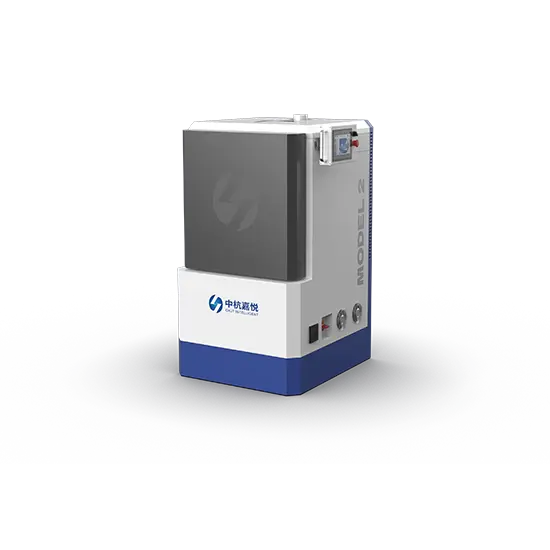
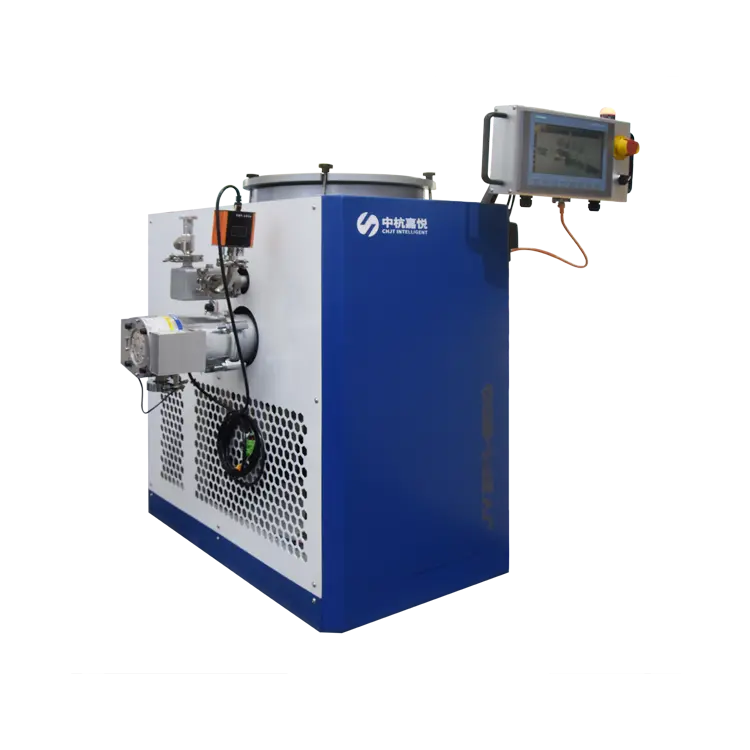
To receive a recommended annealing furnace configuration and quotation matched to your alloy, part geometry, and stress-relief targets, visit the annealing furnace product page and submit the following details:
Operating conditions: alloy grade, cold-work or weld details, target process (stress relief vs full anneal), atmosphere requirement, allowable oxidation level
Quantity and throughput: batch size, parts per batch, batches per day, takt time constraints
Size and specs: maximum part dimensions, maximum load weight, fixture and tray needs, required hot-zone size
Target metrics: allowable distortion (mm), hardness and strength targets post-anneal, uniformity requirement (ΔT), vacuum target (Pa) if applicable
Current problems: where distortion appears (after roughing or finishing), scrap rate, rework hours, cracking risk, creep concerns
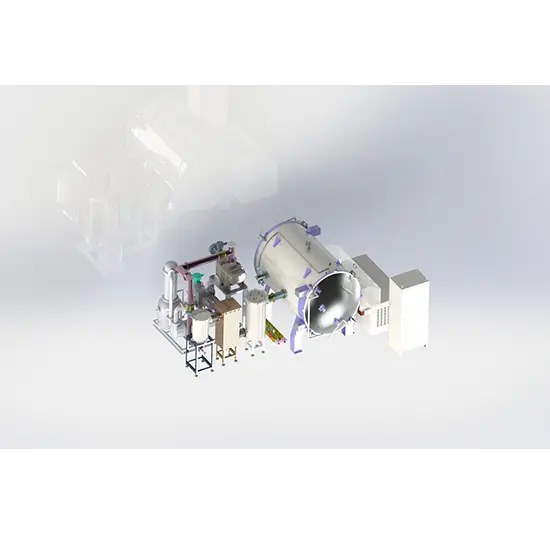
If your application requires higher temperature capability or high-vacuum atmosphere control for oxidation-sensitive alloys, visit the vacuum annealing oven product page to review specifications and submit your detailed requirements for a matched configuration and quotation.
1. What is an annealing furnace?
An annealing furnace is heat-treatment equipment used to heat metal to a defined temperature, hold it at that temperature for a controlled soak period, and then cool it under controlled conditions. The objective is to relieve residual stress, restore ductility, or modify microstructure for improved dimensional stability and mechanical properties. The precision of the heat–soak–cooling curve is what distinguishes a properly specified annealing furnace from general-purpose heating equipment.
2. What is the practical difference between an annealing furnace and torch stress relief or a general heat oven?
A furnace provides controlled temperature uniformity, programmable soak time, and managed cooling rate across the entire load — which is essential for repeatable, consistent stress relief. Local torch heating creates steep thermal gradients that can introduce new stresses or produce inconsistent results across the part. General heat ovens typically lack the temperature uniformity, cooling control, and atmosphere management required for precision stress-relief applications. The furnace is not simply a larger or hotter version of simpler equipment; it is a different class of process tool.
3. What is the ROI and payback period for a vacuum annealing oven?
Payback is primarily driven by rework and scrap reduction, not energy savings. The calculation should include: rework hours saved per week multiplied by fully loaded labor and machine rate; scrap parts avoided at their full accumulated cost; reduction in surface remediation steps for vacuum-processed parts; and improvement in machining cycle predictability that reduces setup time and compensation loops. In high-mix precision machining environments, eliminating even one or two distortion-driven rework events per week can produce payback periods measured in months rather than years.
4. Does installing an annealing furnace require significant line modifications?
It depends on the model and atmosphere requirement. Air-atmosphere furnaces typically require only power supply and basic safety interlocks. Vacuum models add cooling water supply, vacuum pump system footprint, and gas supply for inert backfill if required. All installations benefit from data logging integration and fixture or handling system compatibility assessment before commissioning. A structured site survey during the selection process identifies these requirements early and prevents installation delays.
5. What parameters should we provide to get an accurate equipment recommendation and quotation?
Provide at minimum: material and alloy grade; part maximum dimensions and maximum load weight; throughput target in batches per day; required temperature range and soak temperature; temperature uniformity requirement (ΔT); atmosphere requirement (air, inert, or vacuum) and vacuum level target if applicable; required heating rate and cooling profile including any critical cooling rate windows; fixture and loading method; and a description of the specific distortion problem — where it appears in the process sequence, what the scrap or rework rate is, and what dimensional tolerance is being missed. The more specific the process and performance data provided, the more precisely the equipment configuration can be matched to the actual requirement.