English
 português
 فارسی
فارسی
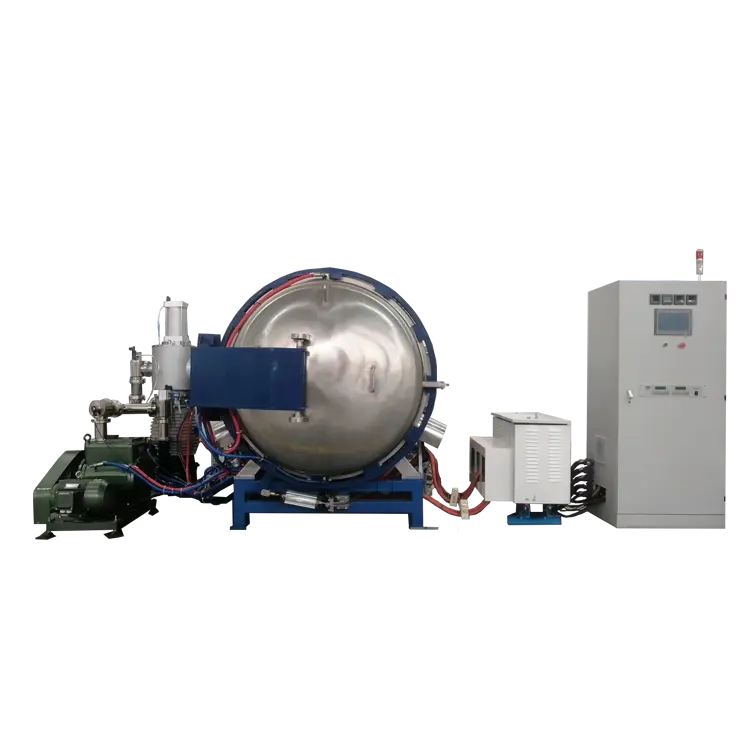
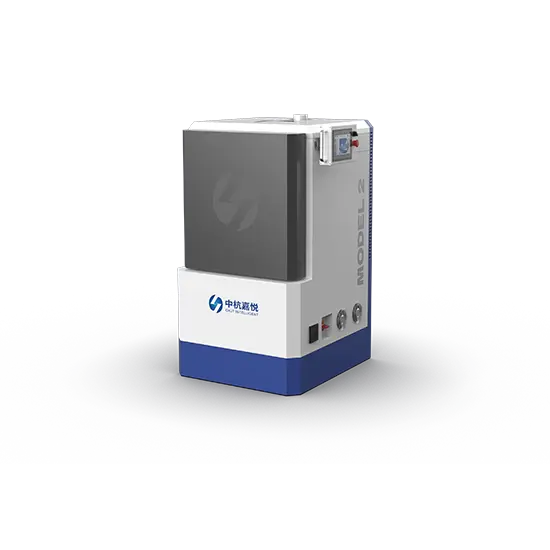
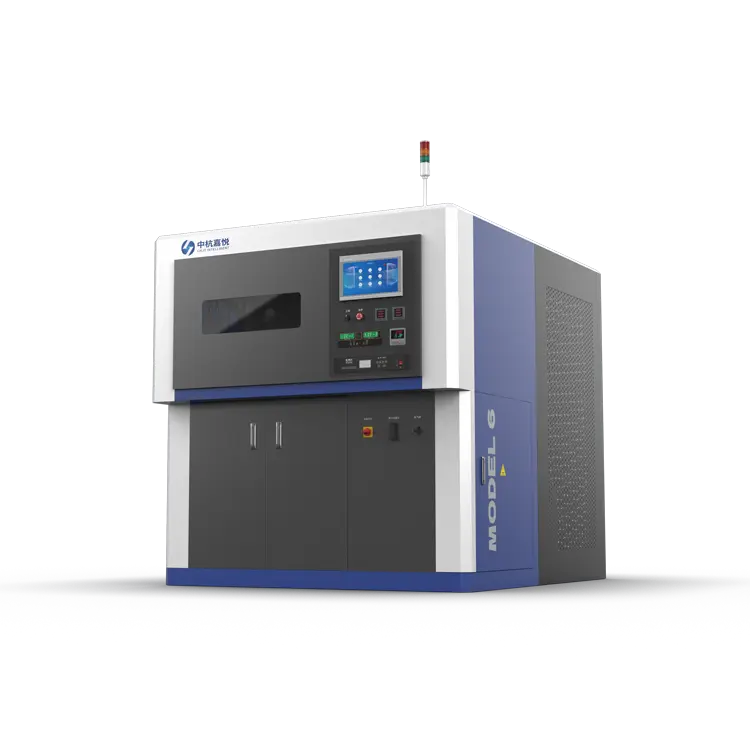
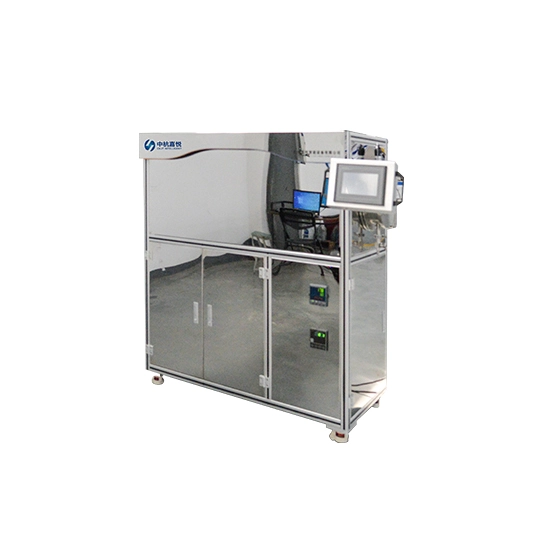
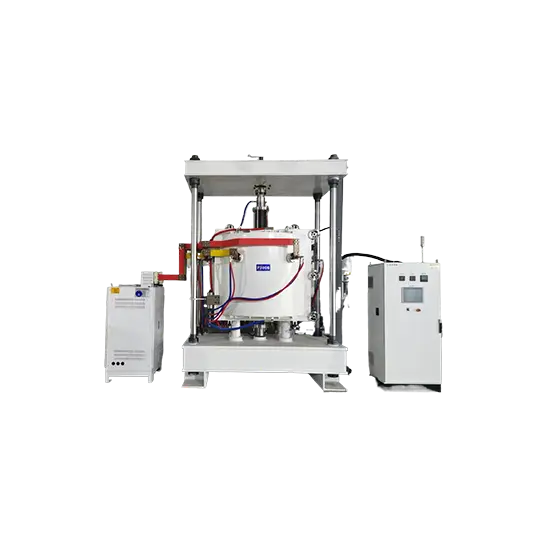
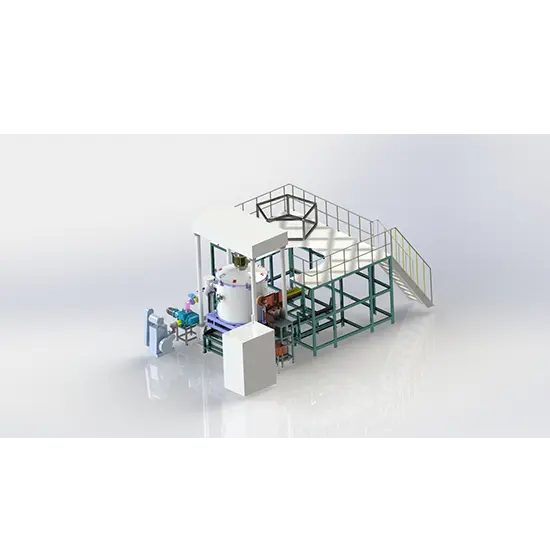
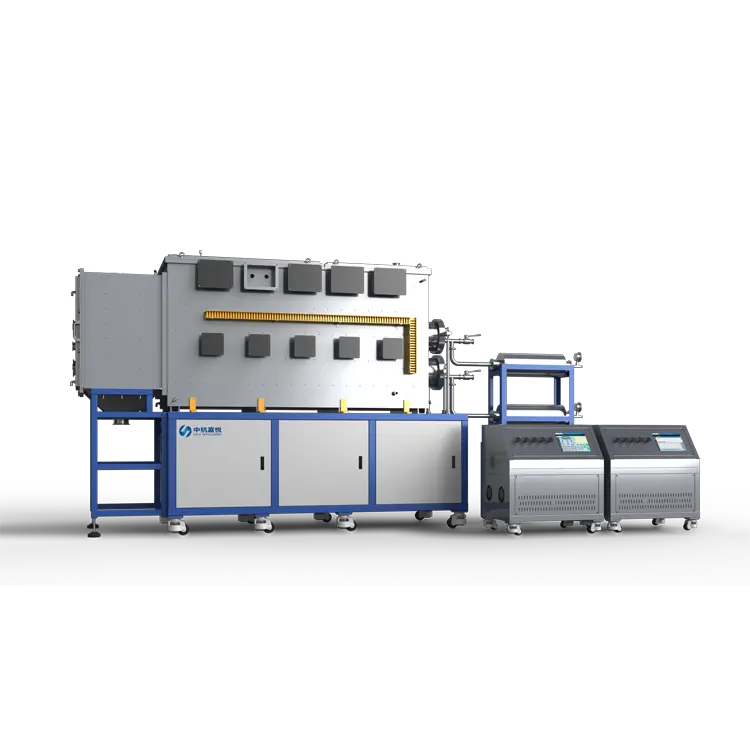
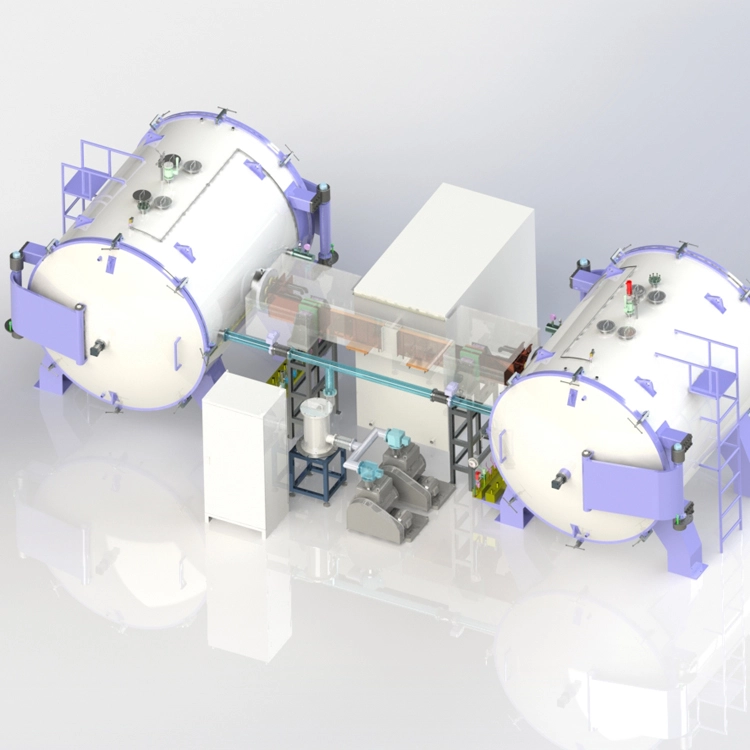
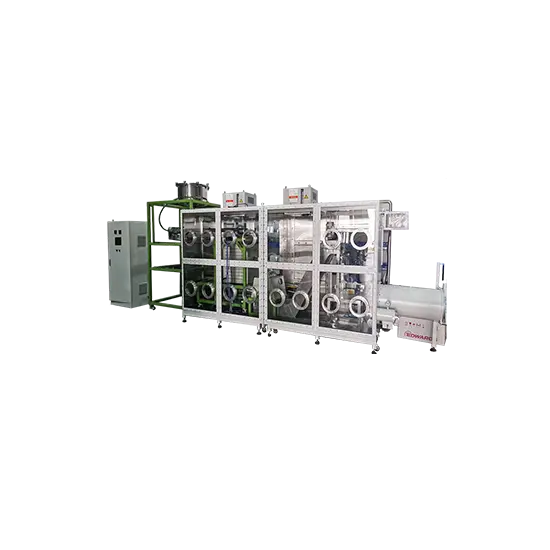
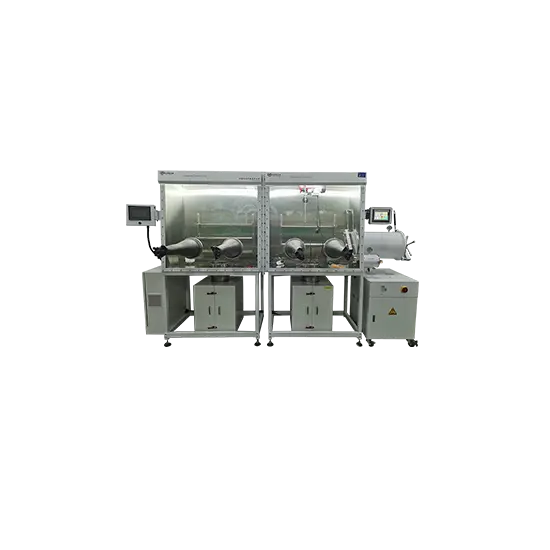
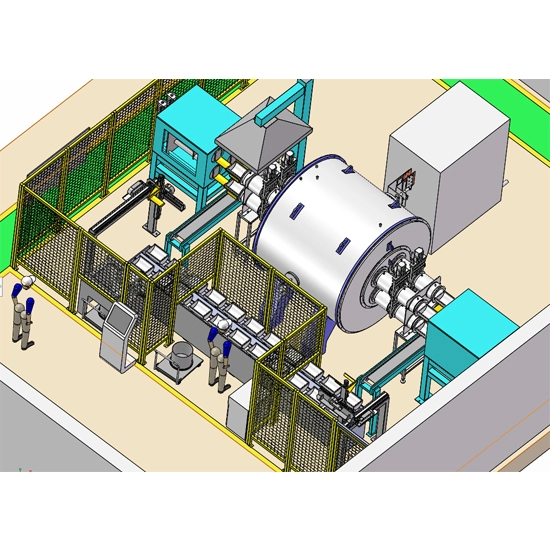
In 2026, abrasive manufacturers are navigating a sharper competitive edge than ever before. Customers demand higher cut rates, longer tool life, and tighter performance consistency — while production teams face rising energy costs and unforgiving quality targets. Batch-to-batch variation in hardness, toughness, and fracture behavior is no longer tolerable, yet it remains stubbornly common. The root cause is rarely the raw formulation. It is almost always an uncontrolled heat treatment process that produces inconsistent grain growth, unpredictable porosity, and poorly balanced phase composition.
When ceramic crystals — including blue ceramic abrasive grains engineered for heavy-load grinding — exit the furnace with the wrong microstructure, no downstream correction can fully recover the loss. Grains that are too brittle shatter on first contact. Grains that are too dense dull and glaze without fracturing. Both outcomes destroy the self-sharpening behavior that defines premium ceramic abrasive performance. The solution is not simply better raw materials or tighter incoming inspection. It is treating the heat treatment process as deliberate microstructural remodeling — and building that precision into the equipment itself through a well-specified custom tube furnace system.
It is tempting to think of heat treatment as a straightforward thermal step: load the material, reach the target temperature, unload. In reality, what occurs inside the furnace is a cascade of simultaneous transformations — atomic diffusion, pore closure and densification, grain boundary migration, phase nucleation and growth. Each of these mechanisms is sensitive to temperature, time, and atmosphere. The microstructure that emerges from this cascade determines every downstream performance characteristic: hardness, toughness, fracture mode, and self-sharpening stability.
The goal is not to maximize hardness or toughness independently. It is to achieve a controlled balance between the two. Ceramic abrasive grains must be hard enough to resist deformation under grinding load, yet they must also fracture in a specific, controlled manner — micro-fracture that continuously exposes fresh cutting edges rather than catastrophic shattering that destroys the grain or plastic-like deformation that causes the surface to glaze. This controlled fracture behavior is entirely a function of microstructure. And microstructure is entirely a function of the heat treatment process.
When the heat treatment process is well controlled, grains fracture in small, predictable increments. Each micro-fracture event removes a worn cutting edge and exposes a new sharp one, sustaining aggressive cut rates throughout the tool's service life. When the process is poorly controlled — inconsistent temperature uniformity, uncontrolled cooling, atmosphere variability — the microstructure becomes unpredictable from batch to batch.
Some grains emerge too brittle and shatter on first contact with the workpiece. Others are too coarse or too dense and simply dull without fracturing, causing the abrasive tool to lose cut rate rapidly. In a 2026 market where customers measure and compare abrasive performance with precision, neither failure mode is commercially acceptable. The only path to consistent self-sharpening behavior is consistent microstructure — and consistent microstructure requires a heat treatment process that is designed, monitored, and controlled to the precision the material demands.
The sintering temperature and its associated soak time are the primary levers controlling densification and grain size in ceramic crystal production. As temperature rises, diffusion accelerates, pores close, and the material densifies — generally improving hardness and mechanical integrity. However, the same thermal energy that drives densification also drives grain boundary migration. If temperature is too high or soak time too long, grains grow beyond the optimal size range.
Coarse, overgrown grains tend to fracture in large, irregular chunks rather than the fine, controlled micro-fractures that produce self-sharpening behavior. The result is a grain that performs well in the first few seconds of contact and then degrades rapidly. The practical challenge is that the optimal sintering window for ceramic crystals is often narrow — sometimes only 20 to 40 degrees Celsius separates the zone of good densification from the zone of excessive grain growth. Holding the entire furnace hot zone within that window, batch after batch, is not achievable with general-purpose equipment that was not designed around the specific thermal mass and geometry of the product being processed.
Cooling rate is frequently underestimated as a process variable, but it is equally critical to the final microstructure. During cooling, ceramic systems undergo phase transitions — transformations between crystallographic structures with different densities, thermal expansion coefficients, and mechanical properties. The rate at which the material passes through these transition temperatures determines which phases form, in what proportions, and with what internal stress state.
A controlled, deliberate cooling profile can stabilize a phase balance that gives the grain both toughness under load and the capacity for micro-fracture at the cutting edge. An uncontrolled quench — or even an inconsistently slow cool — can lock in residual stresses that make grains unpredictably brittle, or fail to stabilize the desired phase, leaving the material in a metastable condition that degrades in service.
For blue ceramic abrasive grains, where the alumina-based crystal system is engineered for specific phase content, cooling rate control is not optional. It is a core process parameter that must be specified, executed, and verified with the same rigor as the sintering temperature itself.
The consequence of a poorly defined or poorly monitored process window is not just occasional off-spec lots. In a 2026 production environment where customers evaluate suppliers on consistency as much as peak performance, batch drift is a commercial liability. More off-spec lots mean more reprocessing, more energy consumption per usable kilogram of output, and more customer complaints. The cost of poor heat treatment control compounds quickly — and it is almost always invisible until it surfaces as a yield problem or a field return.
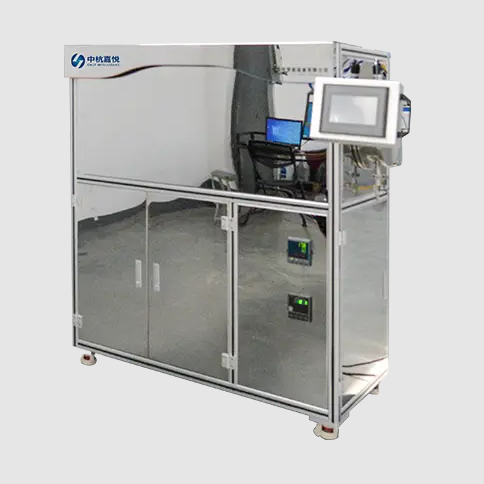
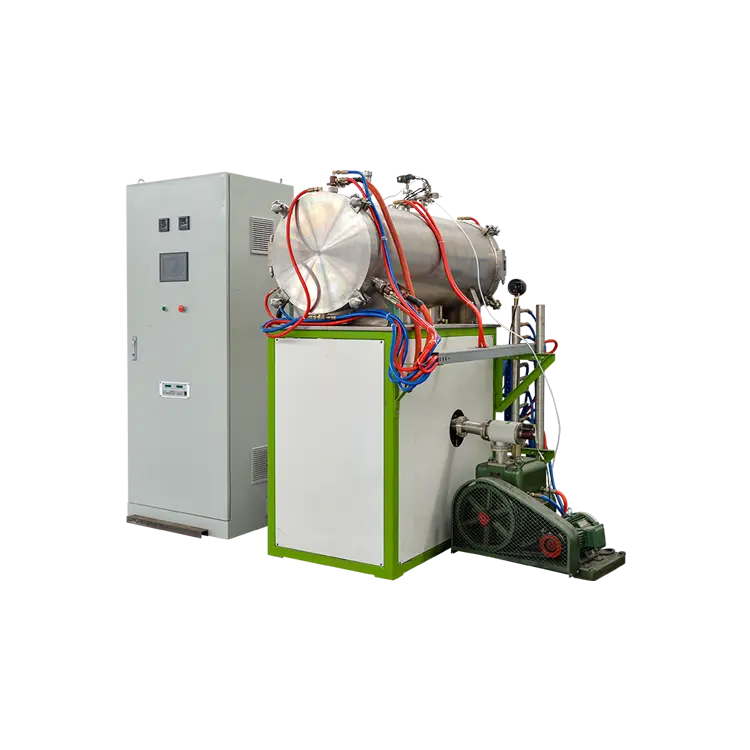
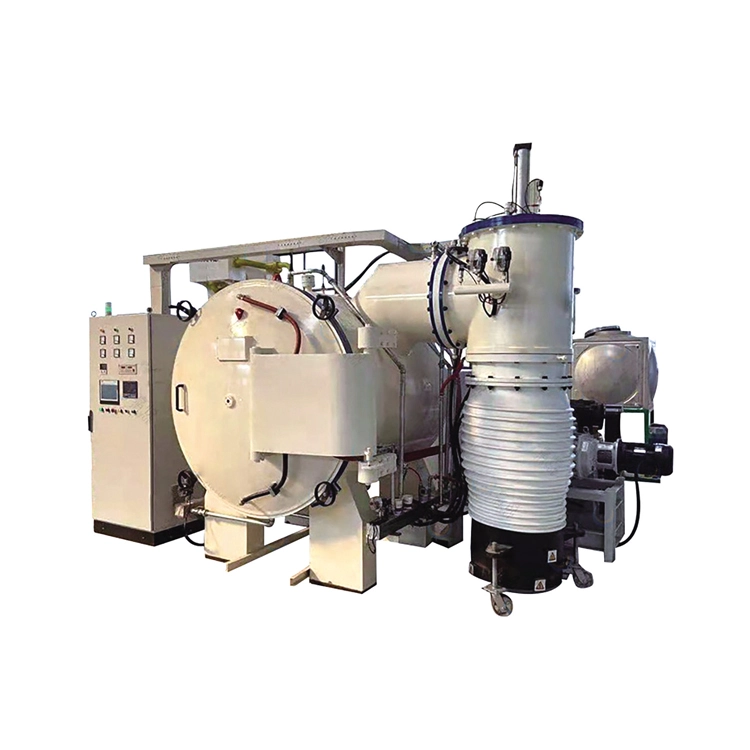
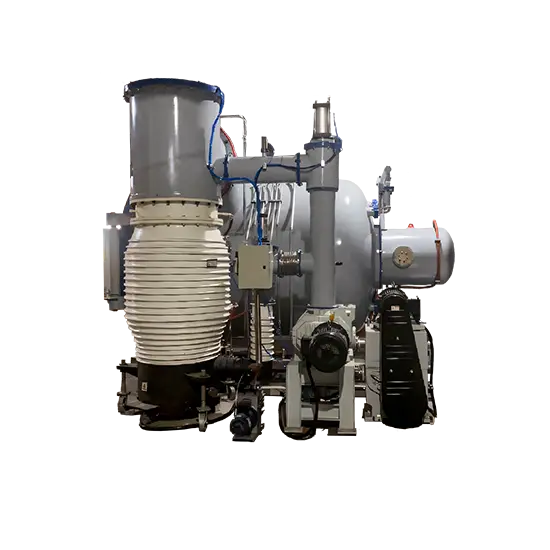
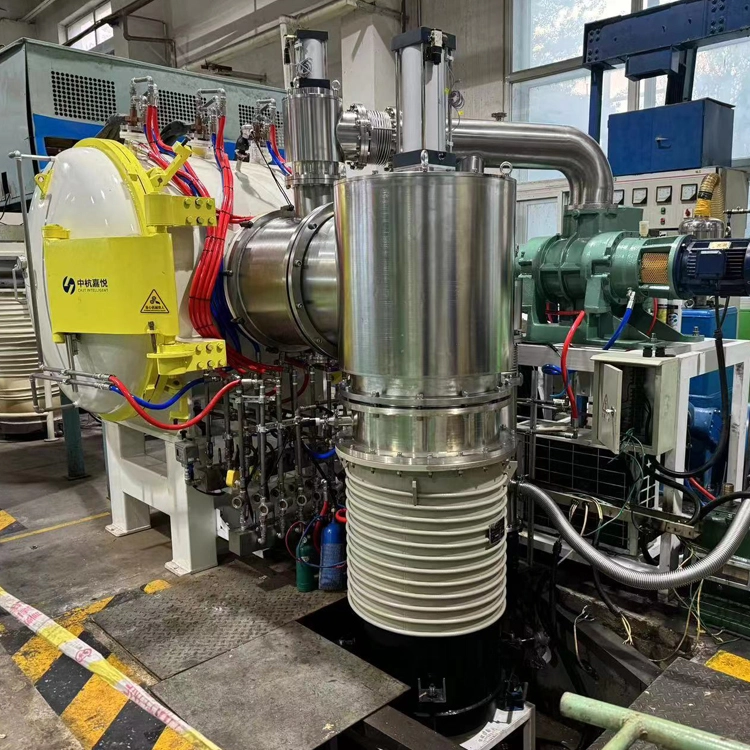
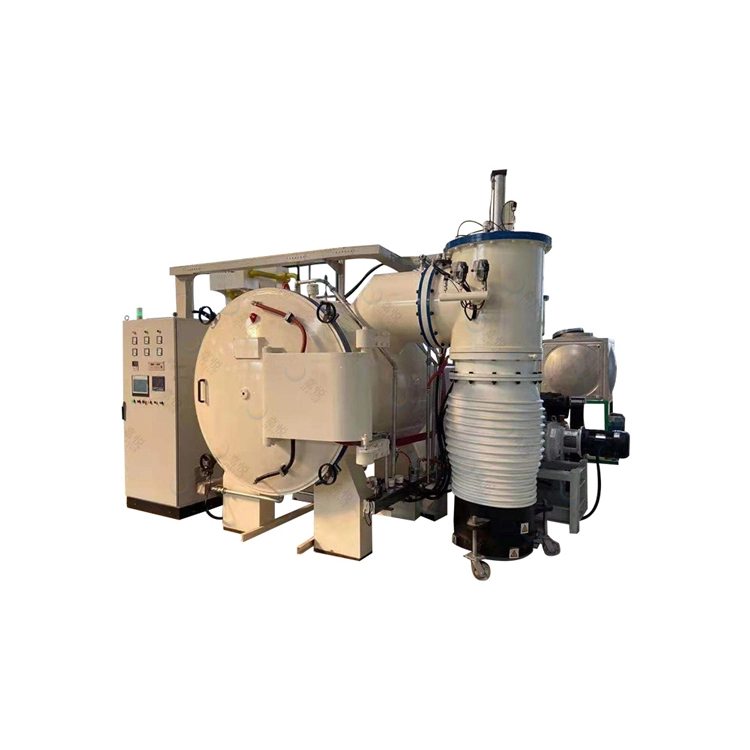
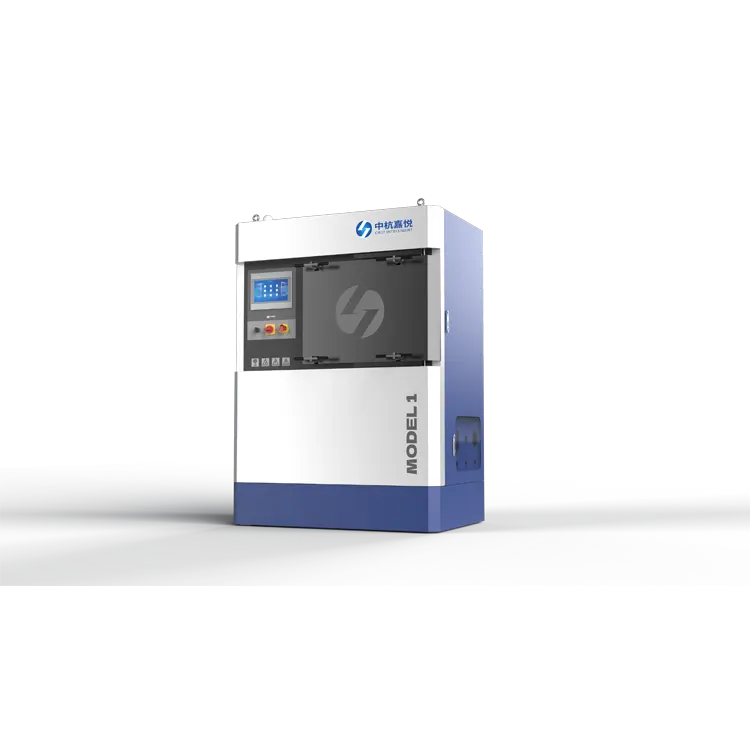
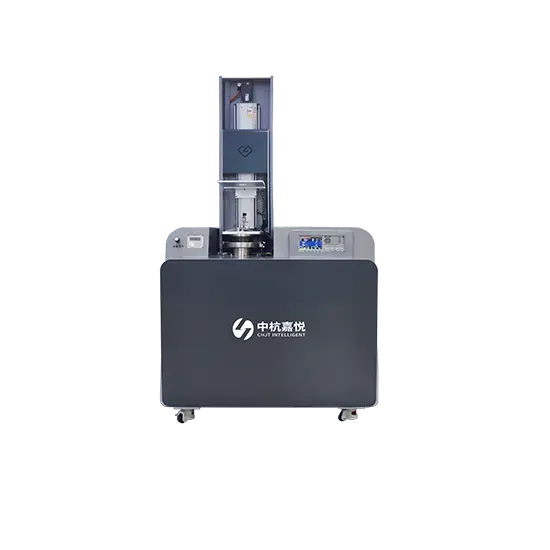
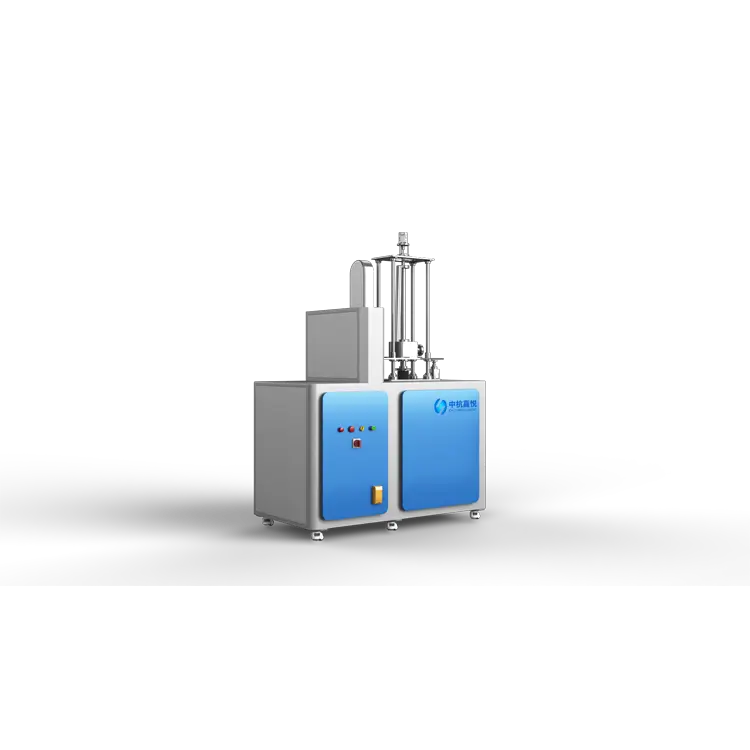
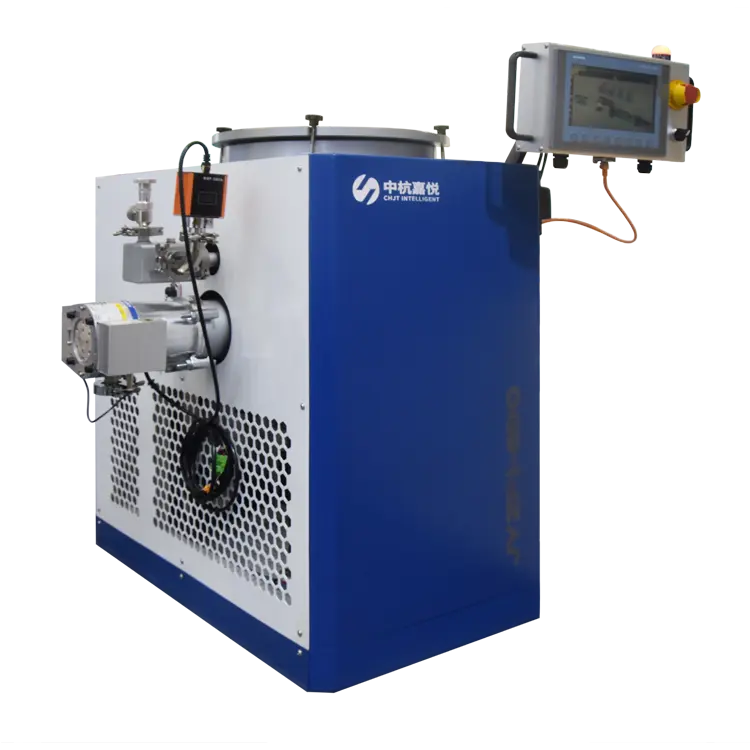
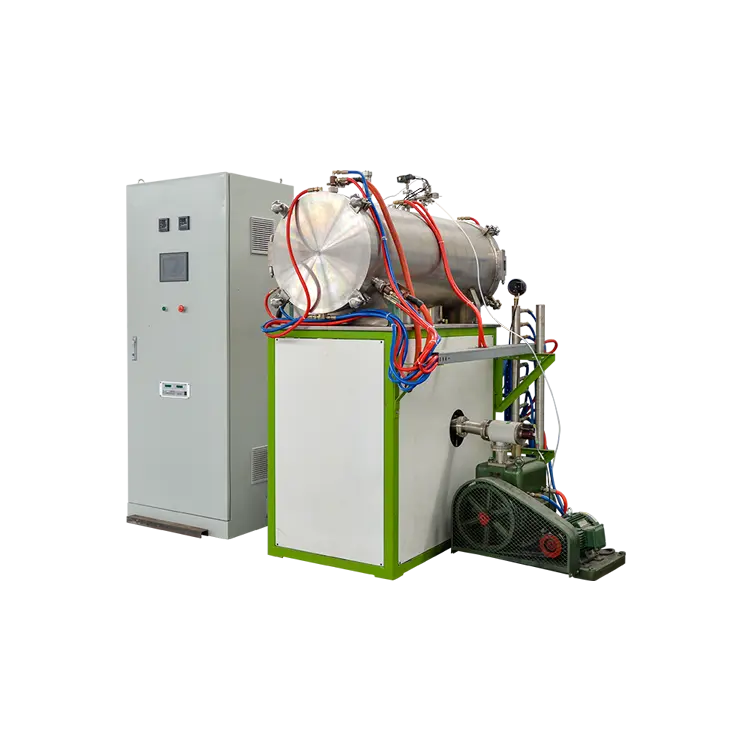
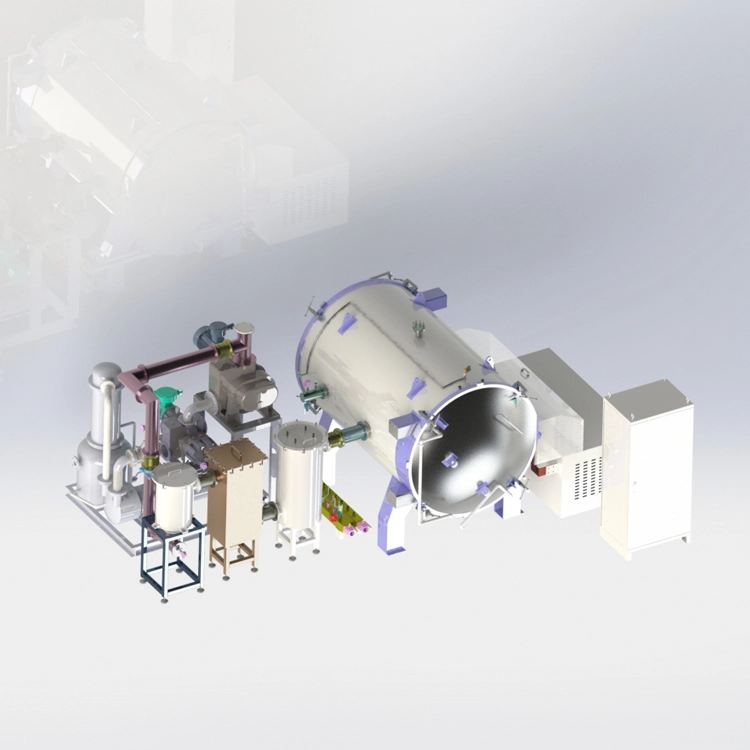
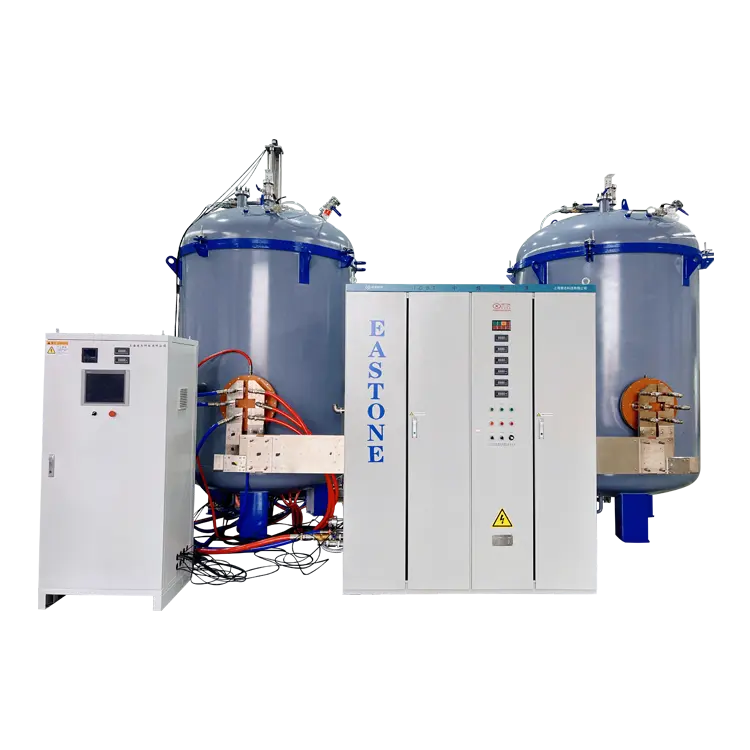
A custom tube furnace is not simply a standard furnace with a different label. It is a system specified around the actual process requirements of the material being treated — tube diameter and length matched to product geometry and batch loading method, hot-zone length and heating element layout designed to achieve the required temperature uniformity across the entire working volume, and atmosphere control capability matched to the chemistry of the ceramic system.
For ceramic crystal heat treatment, this specificity matters because the process window is narrow and the consequences of deviation are immediate and measurable. A furnace with a ±15°C hot-zone variation across a 600 mm working length will produce microstructural gradients within a single batch — grains at the hot end of the tube will be slightly over-sintered, grains at the cool end slightly under-sintered. Over many batches, this variation accumulates into systematic batch drift that is difficult to diagnose because it resembles raw material variability rather than equipment variability.
A properly configured ceramic crystal heat treatment system eliminates this source of variation by delivering stable, uniform temperature across the entire hot zone, with controlled ramp rates on both heating and cooling sides, and with atmosphere management that prevents unwanted oxidation, reduction, or contamination reactions that would alter phase composition.
Repeatability in heat treatment translates directly into measurable production outcomes. When thermal and atmosphere conditions are consistent batch to batch, the microstructure is consistent batch to batch. That consistency shows up as tighter hardness distribution across a production lot, stable fracture behavior that matches the self-sharpening specification, lower defect rates — warpage, abnormal grain growth, off-phase material — and fewer customer complaints about inconsistent cut rate or tool life.
For production teams managing yield targets and quality costs, this is the practical value of investing in equipment that was designed for the process rather than adapted to it. The furnace is not a passive container. It is an active process tool, and its precision directly determines the precision of the microstructure it produces.
Selecting the right furnace for a ceramic crystal heat treatment process requires translating process requirements into equipment specifications. The following parameters should be defined before any equipment conversation begins.
Maximum operating temperature and continuous working temperature establish the thermal ceiling and the realistic duty cycle. For most ceramic abrasive crystal systems, this falls in the range of 1200°C to 1700°C, but the specific target depends on the material chemistry.
Temperature uniformity across the hot zone — expressed as an acceptable ΔT — is arguably the most important single specification. A ΔT of ±5°C is meaningfully different from ±15°C when the process window is only 30°C wide.
Heating rate and cooling control define whether the furnace can execute the required thermal profile. Controlled ramp-down capability is essential for phase transition management and residual stress control.
Atmosphere capability — air, inert (nitrogen or argon), or reducing — must match the material system. Some ceramic crystal chemistries require specific atmosphere conditions during sintering or cooling to achieve the target phase balance.
Tube size and usable hot-zone length determine capacity and whether the product geometry fits without compromising thermal uniformity.
Instrumentation — thermocouple layout, data logging, alarms, and interlocks — determines whether the process can be validated, monitored, and audited to quality system requirements.
When moving from pilot-scale development to production, energy efficiency, uptime, and maintenance accessibility become ROI drivers that are as important as process capability. A furnace that achieves excellent temperature uniformity but requires frequent element replacement or has poor thermal insulation will accumulate hidden costs that erode the yield gains from better process control. In 2026, with energy costs elevated and production schedules tight, total cost of ownership must be part of the equipment selection conversation from the beginning.
The heat treatment process requirements for ceramic abrasive crystals span a range of production contexts. Development and pilot lines need flexibility — the ability to run small batches across a range of temperature profiles and atmospheres to map the process window and correlate microstructure with performance. Production lines need repeatability and throughput — consistent execution of a validated profile with minimal operator intervention and maximum uptime.
Process optimization projects, which are increasingly common as manufacturers work to improve self-sharpening consistency and reduce brittle failure rates, need both: the ability to run controlled experiments and the data infrastructure to correlate process variables with microstructural and mechanical outcomes. A custom tube furnace system can serve all three contexts when it is specified correctly, which is why the selection process should begin with a clear definition of the primary use case and the anticipated evolution of requirements over a two-to-three year horizon.
A structured selection process reduces the risk of specifying equipment that does not match the actual process requirements. The recommended sequence is as follows.
First, define the material system and required atmosphere. Second, define product geometry and batch loading method — boats, saggars, or fixtures. Third, lock the process window by establishing the target sintering profile and cooling profile based on available microstructural data or literature. Fourth, choose furnace dimensions and control architecture based on those requirements. Fifth, validate the configuration through trial lots with microstructure and mechanical performance correlation before committing to full production deployment.
Skipping steps — particularly the process window definition step — is the most common source of equipment selection errors. A furnace that is correctly sized and instrumented for the wrong process profile will not deliver the expected results regardless of its build quality.
The largest TCO lever in ceramic crystal heat treatment is not power consumption — it is yield. A furnace that consistently produces on-spec microstructure eliminates the cost of reprocessing off-spec lots, reduces raw material waste, and shortens the time between process development and production qualification. These gains typically dwarf the savings from improved energy efficiency, though both matter.
Preventive maintenance — regular inspection and replacement of heating elements, tube seals, insulation, and sensors — is the mechanism that preserves temperature accuracy over time. Calibration schedules should be tied to production volume and process criticality, not just calendar intervals. A thermocouple that has drifted 10°C from its calibrated value is introducing 10°C of systematic error into every batch it measures, and that error will eventually surface as microstructural drift and yield loss.
Heat treatment is not simply getting to temperature. It is a controlled microstructural transformation that determines whether ceramic crystals become consistently hard, tough, and self-sharpening — or inconsistent, brittle, and high-scrap. The sintering temperature defines densification and grain size. The cooling rate defines phase balance and residual stress. The atmosphere defines phase chemistry. And the furnace defines whether all three of those variables are actually controlled to the precision the process requires, batch after batch, at production scale.
To receive a recommended equipment configuration and quotation matched to your sintering profile and crystal performance targets, visit the heat treatment process equipment and submit the following details:
Operating conditions: material system, required atmosphere (air/inert/reducing), target sintering profile, cooling profile needs
Quantity and capacity: batch size, parts per batch, batches per day, R&D versus production scale
Size and specs: maximum product dimensions, required tube diameter, hot-zone length, loading method (boats/saggars/fixtures)
Target metrics: temperature uniformity (ΔT), yield target, hardness and toughness targets, desired self-sharpening behavior, process repeatability goals
Current problems: brittle grains, rapid dulling or glazing, batch drift, high scrap or rework, temperature non-uniformity, atmosphere instability
If you are still evaluating furnace configurations and want to compare available options before submitting your requirements, visit the custom tube furnace to review standard and custom specifications and identify the right starting point for your process.
1. What is a heat treatment process in ceramic crystal and abrasive production?
A heat treatment process is a controlled thermal schedule — comprising heating, soaking, and cooling stages, often with specific atmosphere control — used to drive densification, grain growth, and phase evolution in ceramic materials. In abrasive crystal production, the heat treatment process determines the final hardness, toughness, and fracture behavior of the grain, including whether it will exhibit the self-sharpening micro-fracture behavior that defines high-performance ceramic abrasives.
2. What is the practical difference between a custom tube furnace and a general-purpose furnace?
A custom tube furnace is specified around the actual requirements of the process: tube diameter and hot-zone length matched to product geometry, temperature uniformity designed to meet the process window tolerance, atmosphere capability matched to the material chemistry, and control architecture matched to the required profile complexity. General-purpose furnaces are designed for broad applicability, which typically means compromises in uniformity, atmosphere control, and profile precision that translate into microstructural variability and yield loss when applied to narrow-window ceramic crystal processes.
3. What is the ROI and payback period for upgrading heat treatment equipment?
ROI in ceramic crystal heat treatment equipment upgrades is primarily driven by yield improvement and scrap reduction, not energy savings alone. Eliminating one or two off-spec batches per week — through better temperature uniformity and atmosphere control — can recover the equipment investment within months in a production environment. Secondary ROI drivers include faster process development cycles, reduced customer complaints, and the ability to qualify new product specifications without extensive reprocessing trials.
4. Does installing a tube furnace system require significant line modifications?
Not always, but some adaptation is typically required. Utilities — power supply, gas lines for atmosphere control, exhaust management — must be matched to the furnace specifications. Safety interlocks, data logging integration, and loading fixture compatibility should be assessed during the selection process. The extent of modification depends primarily on atmosphere requirements, footprint constraints, and throughput targets. A structured installation assessment before purchase avoids surprises during commissioning.
5. What parameters should we provide to get an accurate equipment recommendation and quotation?
To receive a meaningful recommendation, provide: target maximum temperature and continuous working temperature; required temperature uniformity (ΔT) across the hot zone; tube diameter and hot-zone length requirements; atmosphere type and flow rate needs; heating ramp rate and cooling profile requirements including any controlled cooling stages through phase transition temperatures; batch size and loading method; production volume in batches per day or week; installation constraints including footprint and available utilities; and a description of current defects or performance problems such as brittleness, glazing, batch drift, or high scrap rate. The more specific the process and performance data provided, the more precisely the equipment configuration can be matched to the actual requirement.