English
 português
 فارسی
فارسی
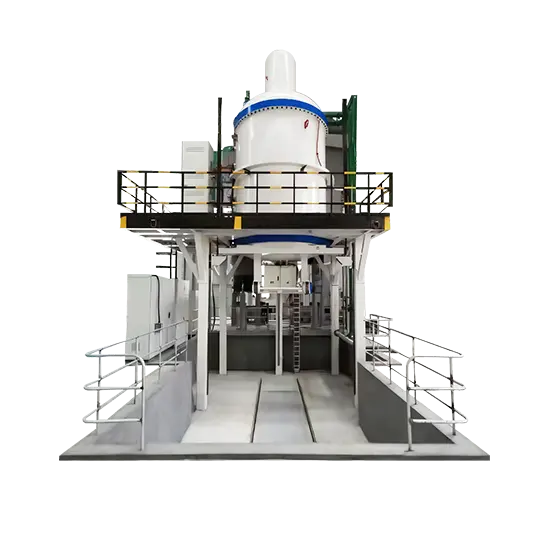
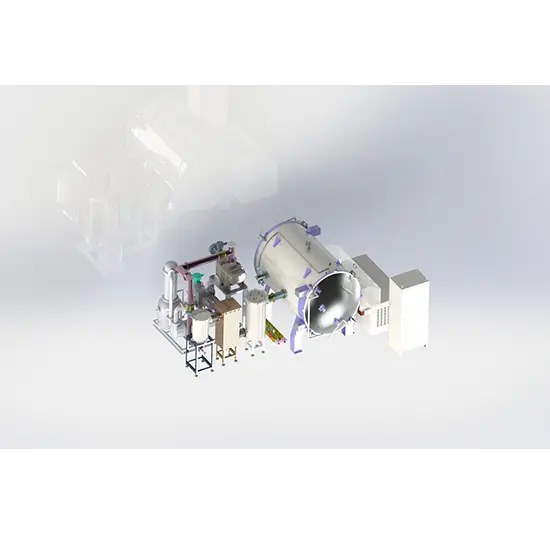
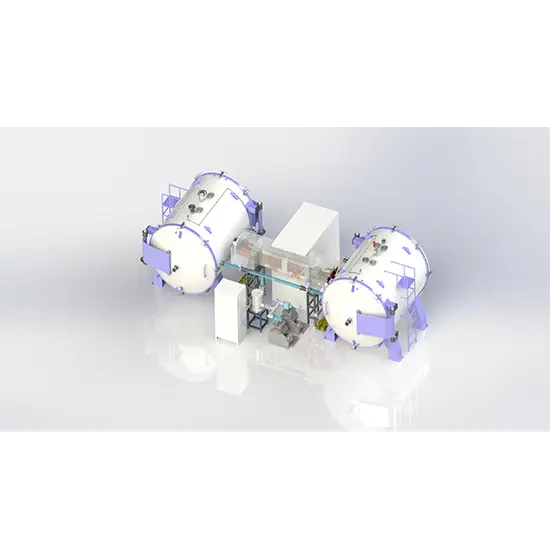
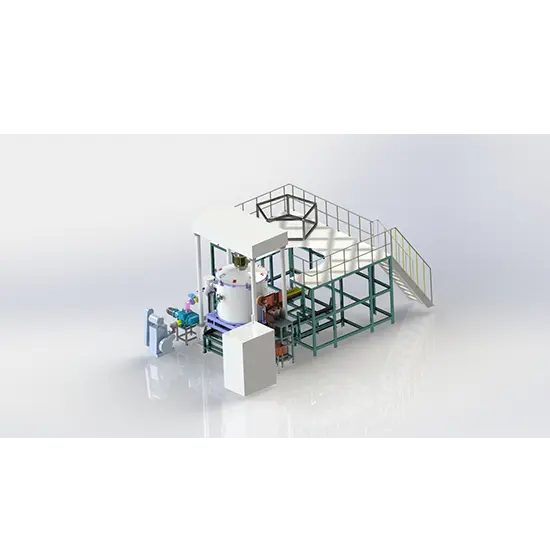
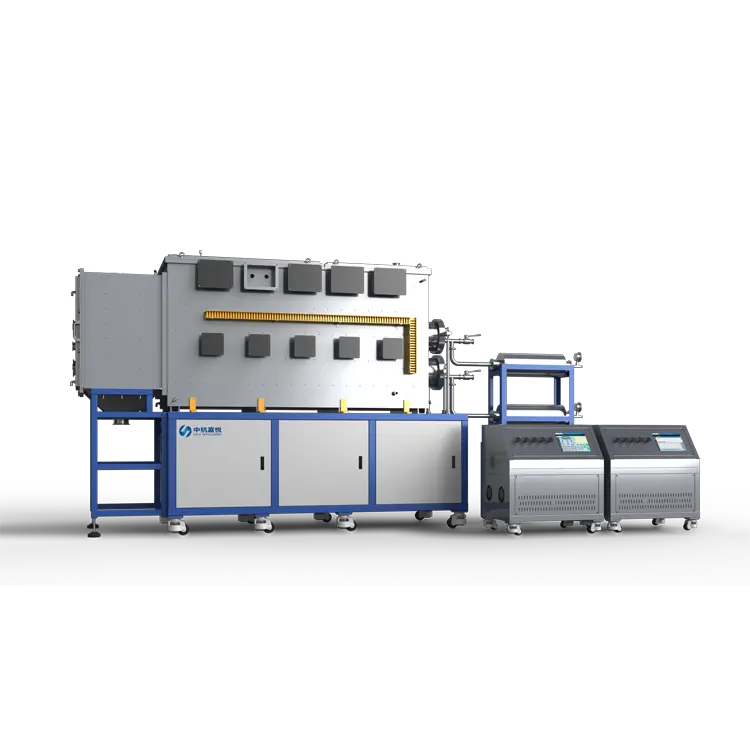
For decades, China’s manufacturing followed a shortcut—trail, imitate, absorb. We replicated mature foreign industrial chains and rapidly built a complete industrial system. Today, that road has run its course. The only way to break through is to return to the source: basic research.
“Only when the foundation is solid can the edifice of science and technology rise high.”
From CHJT ’s perspective, basic research is the starting point and the bedrock of all our technological innovation. It is not an abstract concept, but the concrete practice of probing fundamental scientific principles—heat and mass transfer mechanisms in thermal fields, material growth mechanisms and processes, and heat and mass transfer in molten salts.
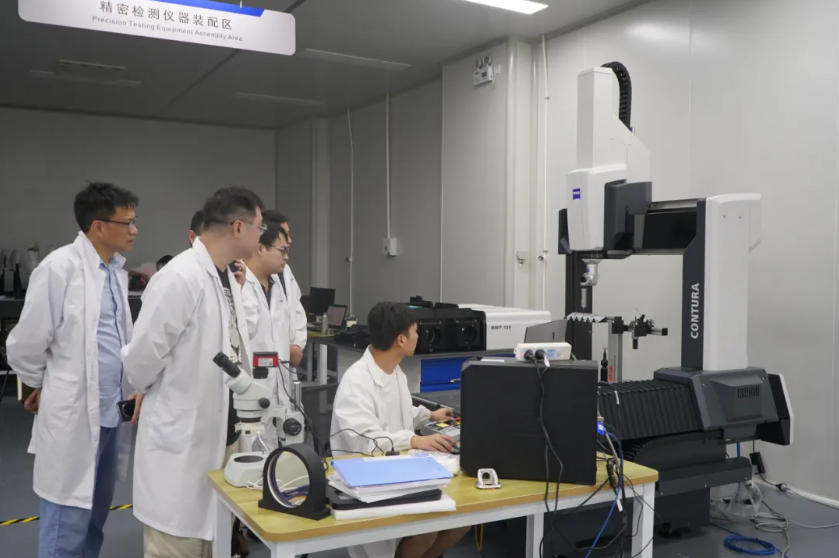
CHJT INTELLIGENT follows a complete path from the origin to industrialization. We combine goal-oriented research with free exploration—“walking on two legs”—and closely integrate basic research with market demands and frontier exploration across three major industrial directions.
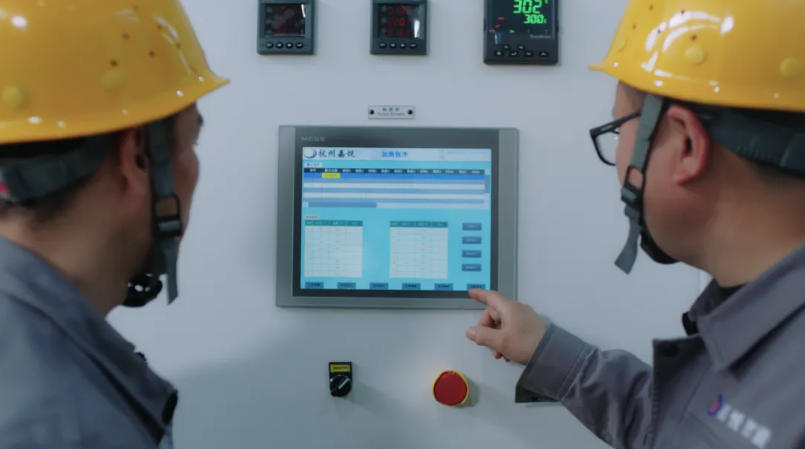
Around new materials and new processes, we stepwisely scale up gram-level laboratory explorations into mass-production industrial equipment, serving diverse industries with self-developed, controllable core technologies. This is CHJT ’s deep understanding and conscious practice of basic research.
Part 1: Thermal Equipment
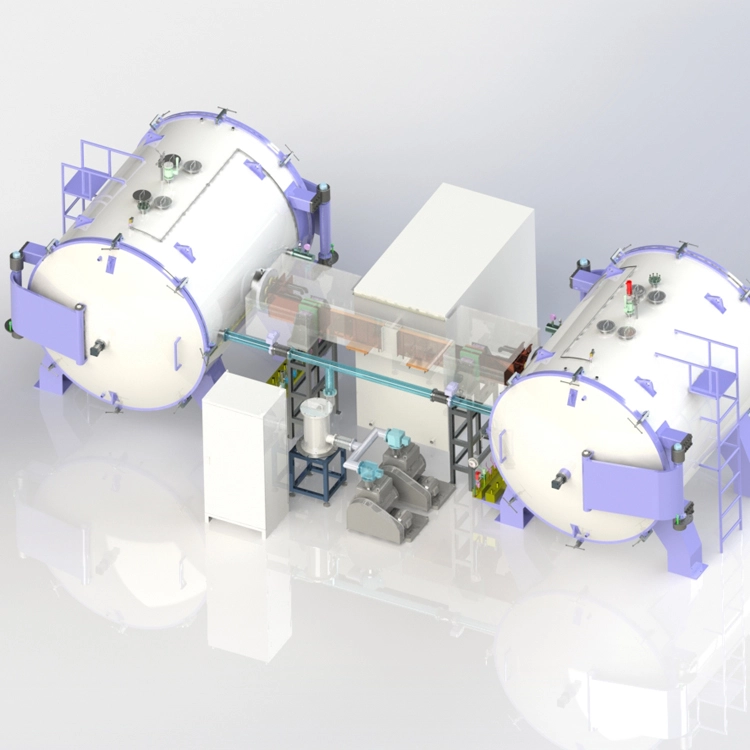
Thermal field simulation is the core engine of CHJT’s thermal equipment R&D. For the development of horizontal graphitization furnaces, we use simulation to predict temperature gradients and thermal stress distribution, mitigating risks already at the design stage. For intermediate annealing furnaces and other high-temperature equipment, detailed modeling allows us to repeatedly optimize heating element layouts and insulation structures, building a theoretical foundation for every furnace.
Horizontal Graphitization Furnace Thermal Imaging
Beyond simulation, we place equal weight on physical validation.
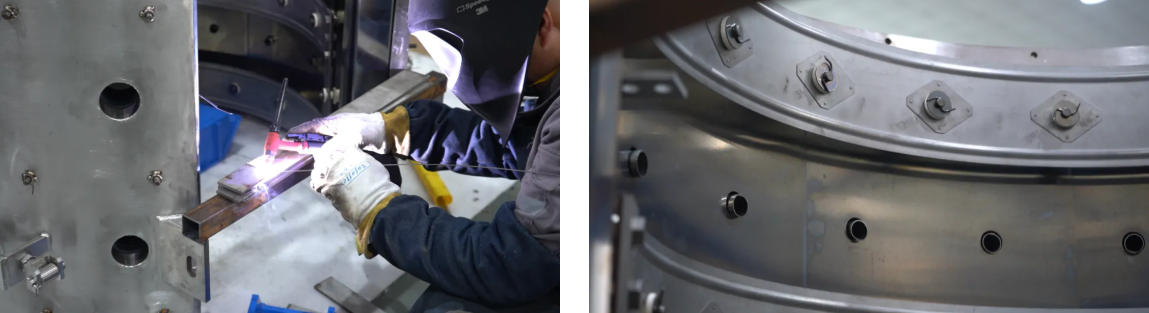
On-site hot field processing
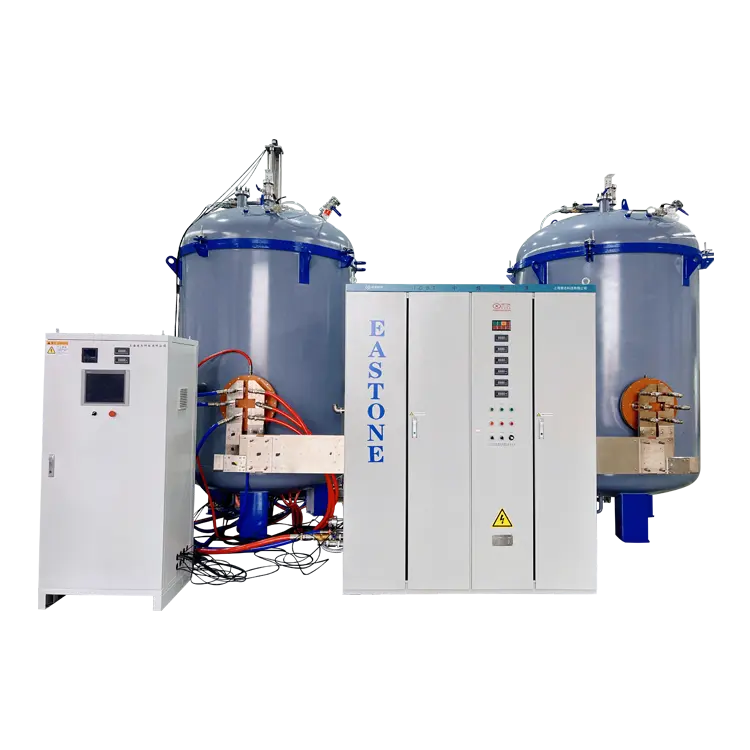
We systematically conduct comparative experiments for different material systems. Graphite hot zones are cost-effective and can reach extremely high temperatures, but face limitations where stringent cleanliness is required. Metallic hot zones, built with materials such as tungsten and molybdenum, offer high purity and cleanliness—ideal for contamination-sensitive processes—though at higher cost and with high-temperature strength that varies by material.
Heat Field View
From simulation to physical testing, from experiments to iterations, CHJT’s thermal equipment research centers on one goal: master the heat and mass transfer mechanisms of the thermal field and build reliable equipment.
Cross-sectional view of the heating furnace body
Part 2: Automation Equipment – Deep Process Alignment
After mastering thermal field mechanisms and ensuring equipment reliability, the next step is to make production lines run autonomously.
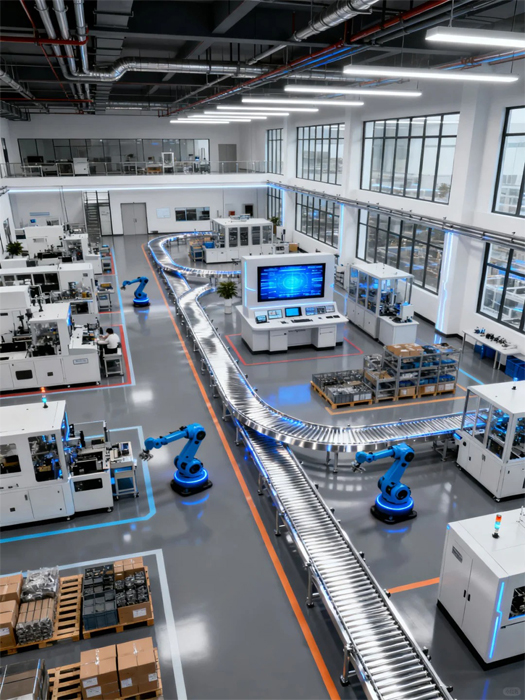
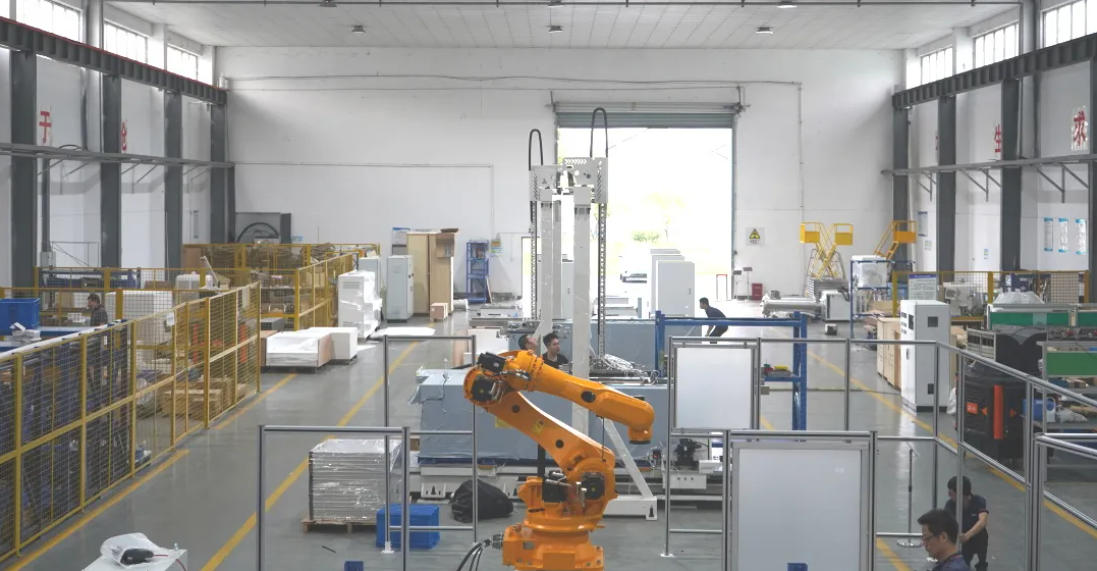
Diagram of the“Future Factory”
In CHJT’s intelligent lines, automation is not simply “replacing humans with machines” but a deep alignment with the process.
Once new material processes and equipment are developed, we convert process parameters into automated workflows, orchestrated by AI algorithms, enabling the leap from standalone machines to full production lines. Fully unmanned operation—from raw material feeding to finished product dispatch—requires equipment that stands the test of long-term use.
This is precisely built on our decades of experience in thermal equipment: robust furnace design capabilities and reliability validation provide a solid physical foundation for automation retrofits. In turn, this creates a positive technological synergy among our three pillars—thermal equipment, new materials, and automation. This is CHJT’s vision of the “Future Factory.”
Part 3: New Materials – “Process + Equipment” in Practice
The value of basic research ultimately crystallizes in materials and is embodied in equipment.
Silicon Monoxide (SiO) Precursor: From 5 kg to 500 kg
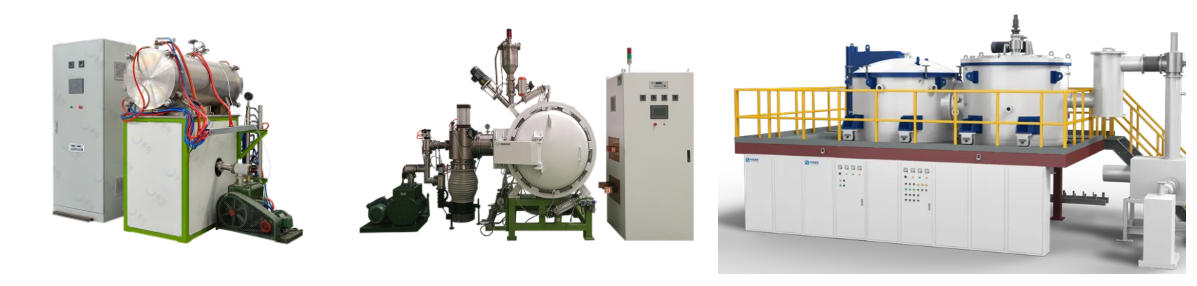
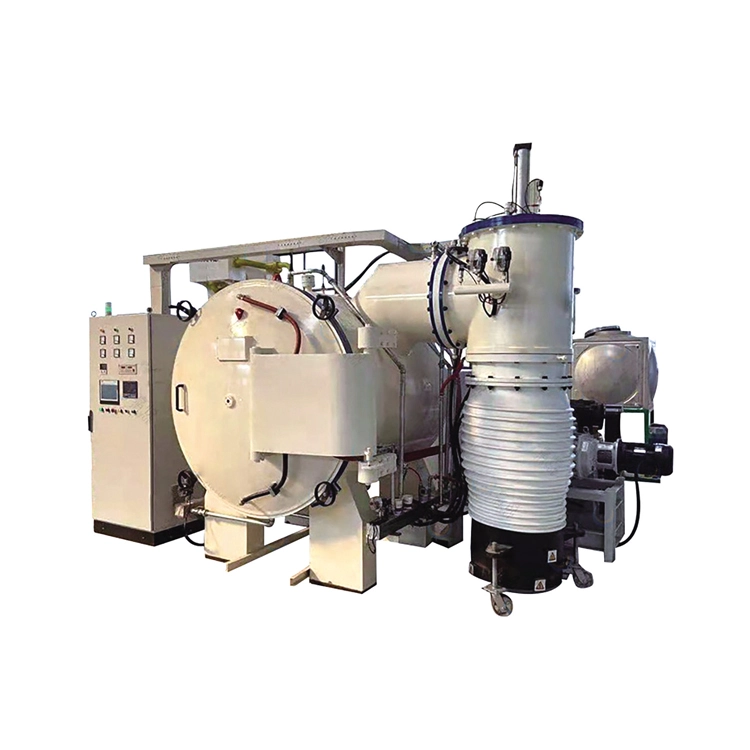
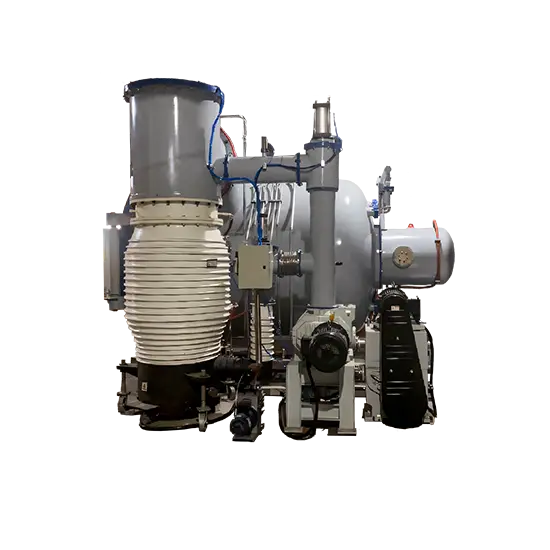
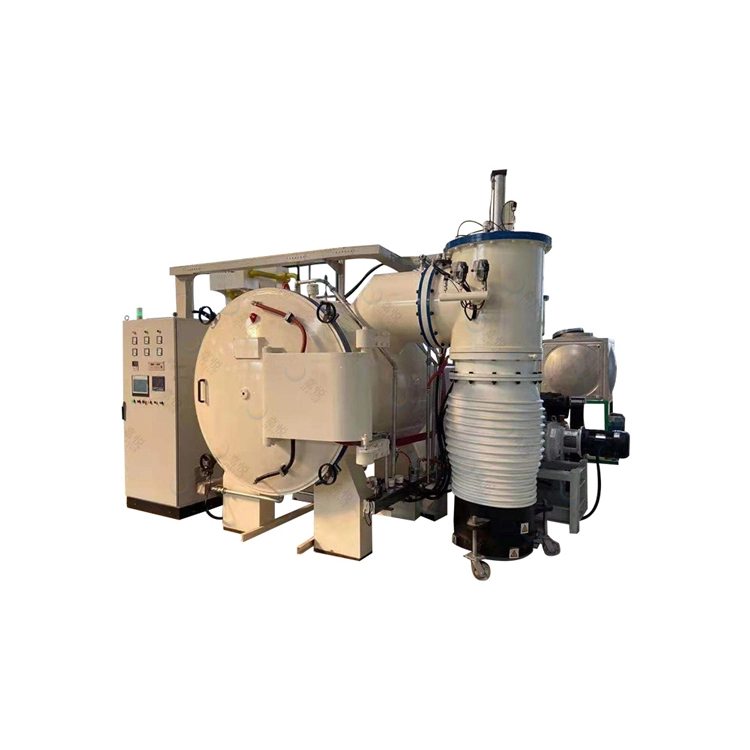
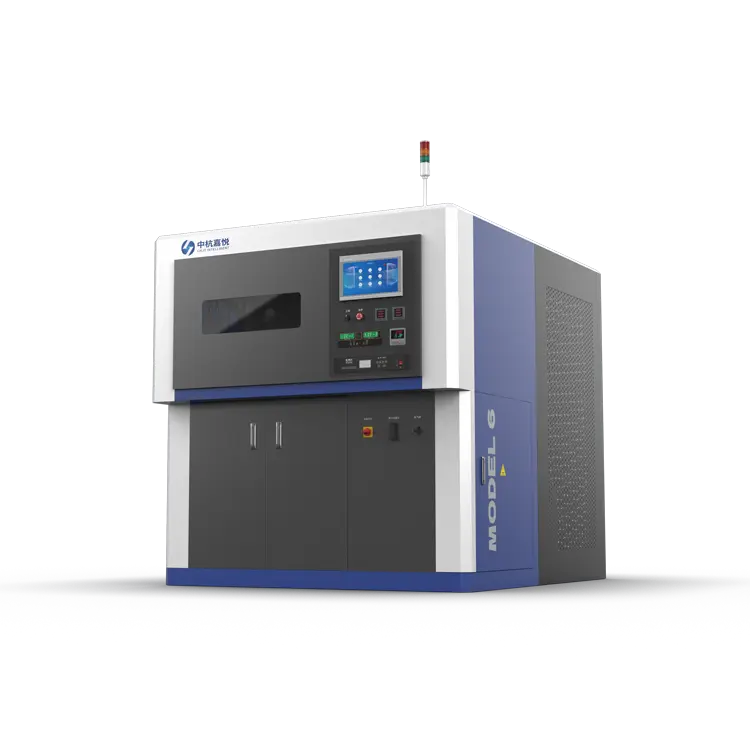
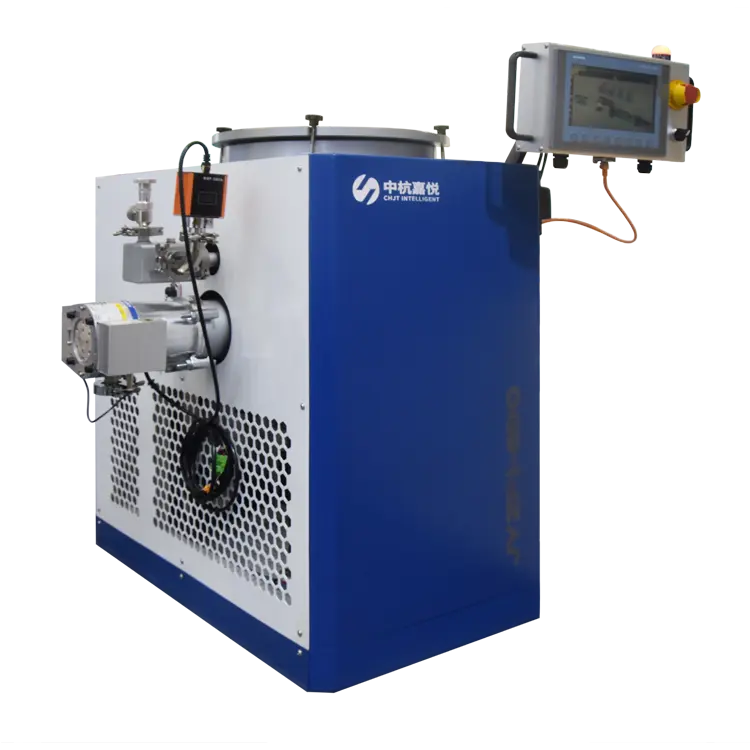
Three Upgrades and Evolutions of the Silicon Suboxide Distillation Sintering Device
From a 5 kg lab unit in 2017 to today’s stable 500 kg production equipment, we have followed a rigorous scale-up path.
Independent three-zone temperature control structure
Iron and aluminum impurity ions below 50 ppm
Single-furnace capacity: 500 kg
Batch recovery rate >90%, yield >95%
Energy consumption: 13–16 kWh per kilogram
Recognized with these performance indicators, this equipment was honored as a 2025 Hangzhou Manufacturing First (Set) Product.
Single-Walled Carbon Nanotubes (SWCNTs): Four Generations, from Batch to Continuous
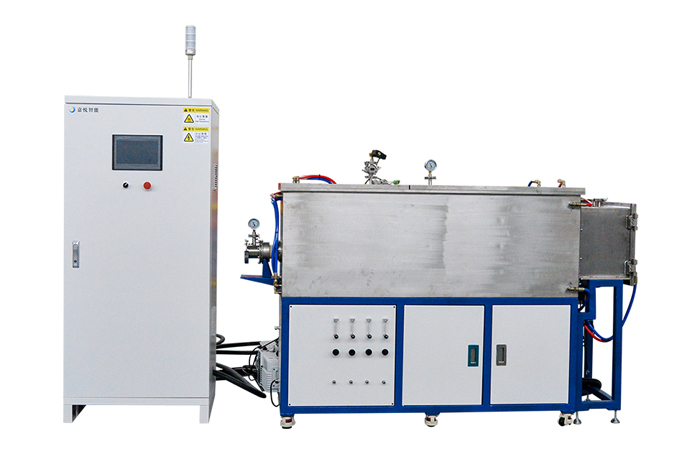
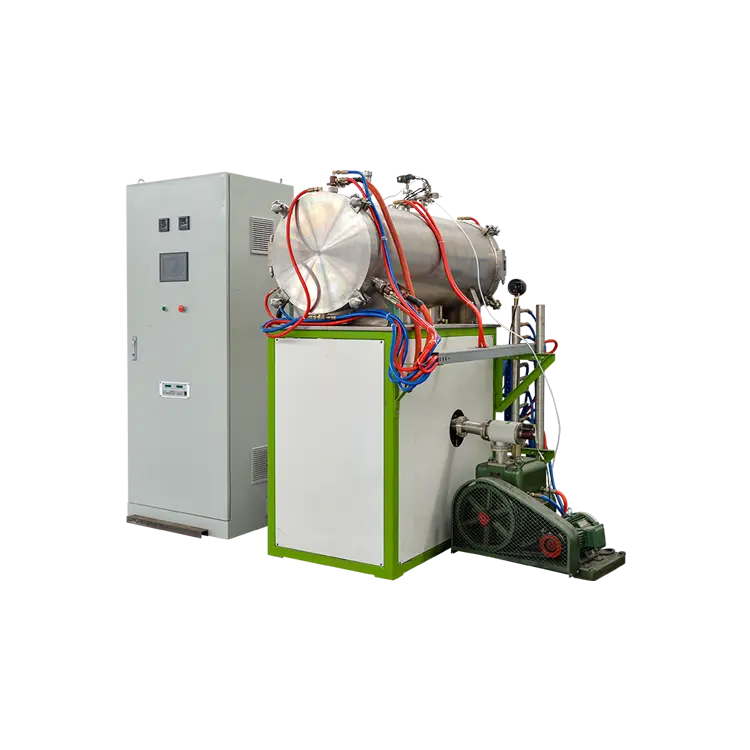
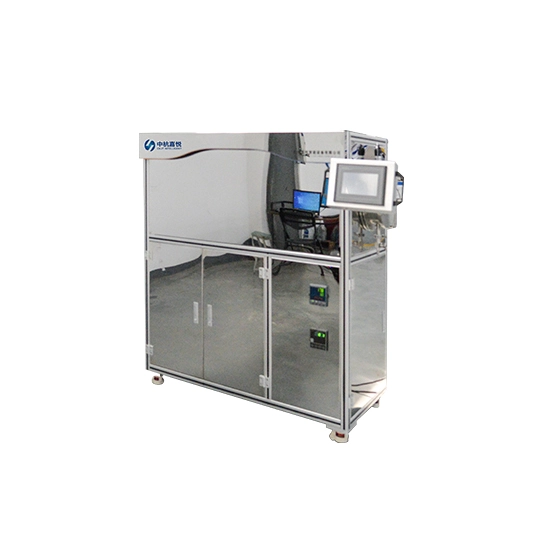
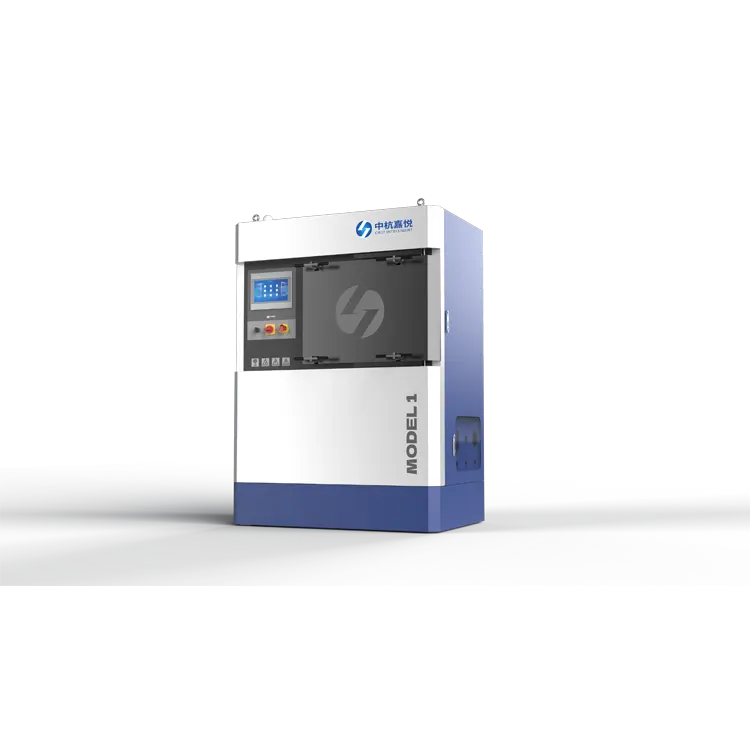
Single-walled carbon nanotube experimental equipment
↓
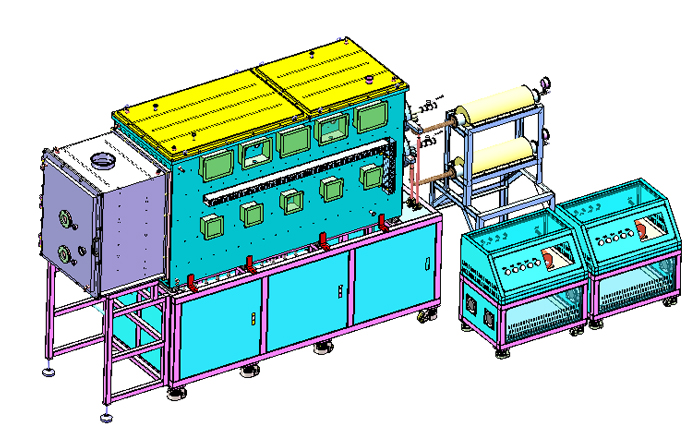
Single-Walled Carbon Nanotube Mass Production Machine (First Generation)
↓
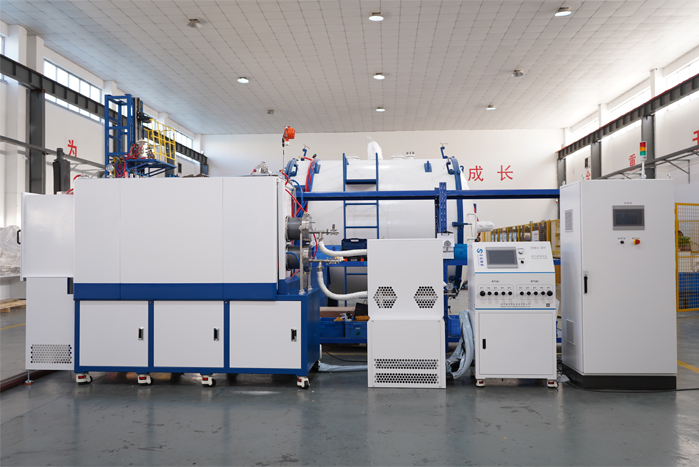
Single-Walled Carbon Nanotube Mass Production Machine (Second Generation)
↓
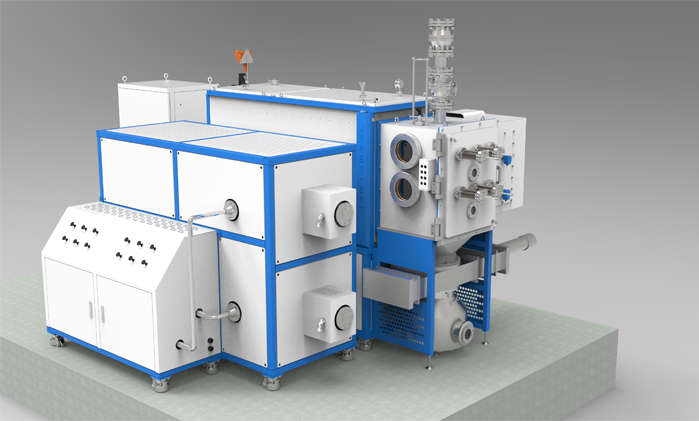
Single-Walled Carbon Nanotube Mass Production Machine (Third Generation)
The evolution of SWCNT equipment epitomizes the deepening of CHJT’s basic research: from experimental units to the third-generation twin-tube continuous production machine.
Collection system: batch to continuous, enabling 24/7 production
Heating system: upgraded from small-diameter corundum tubes to large-diameter silicon carbide tubes, supporting daily kilogram-scale output
Gas mixing system: evolved from simple mixing to mixing with preheating, further boosting capacity and quality
↓
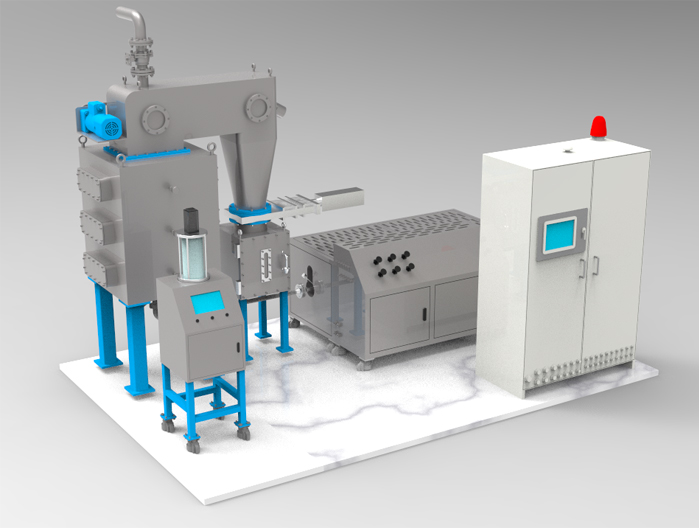
Vertical Single-Walled Carbon Nanotube Continuous Growth Equipment (Fourth Generation)
Our vertical SWCNT equipment is now nearing launch, marking a technology roadmap advancing toward larger scale and higher efficiency.
Solid-State Electrolytes & High-Purity Lithium Metal: Future-Facing Deployment
In advanced materials, we actively push forward with the “process + equipment” model. For solid-state electrolytes, we are developing a 10 ton/year sulfide electrolyte process and production line: lab process validation and full line design are complete, with line construction underway.
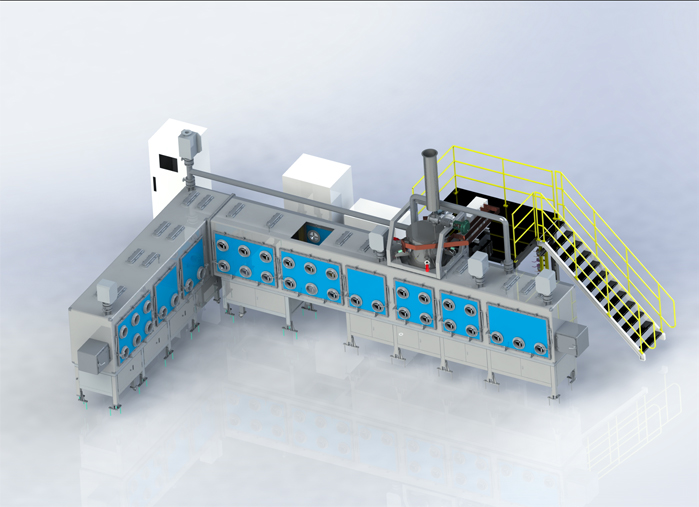
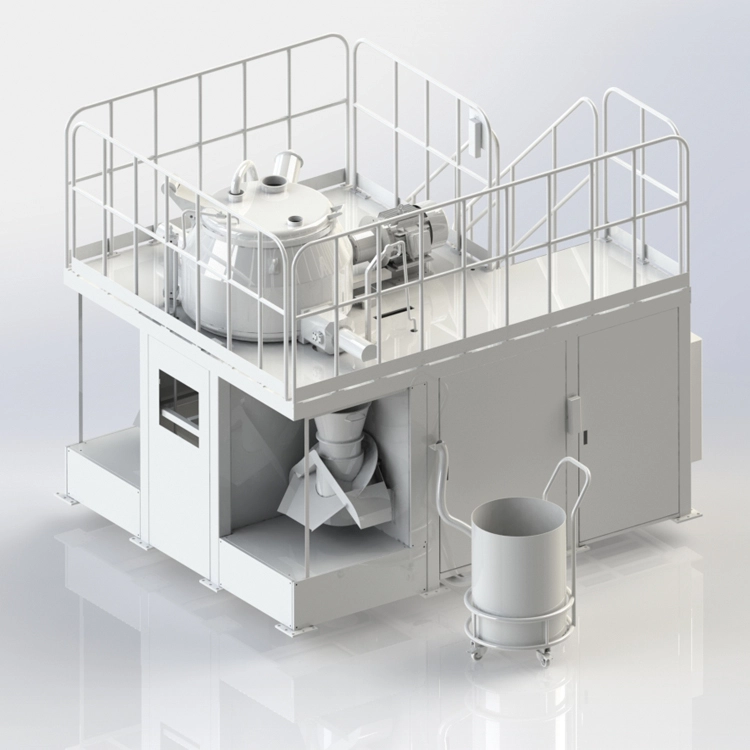
Sealed Sulfur Compound Intelligent Treatment System
For high-purity lithium metal, we employ electrolysis in a LiCl-KCl molten salt system, complemented by vacuum distillation purification, providing self-developed, controllable critical materials for strategic fields such as the nuclear industry.
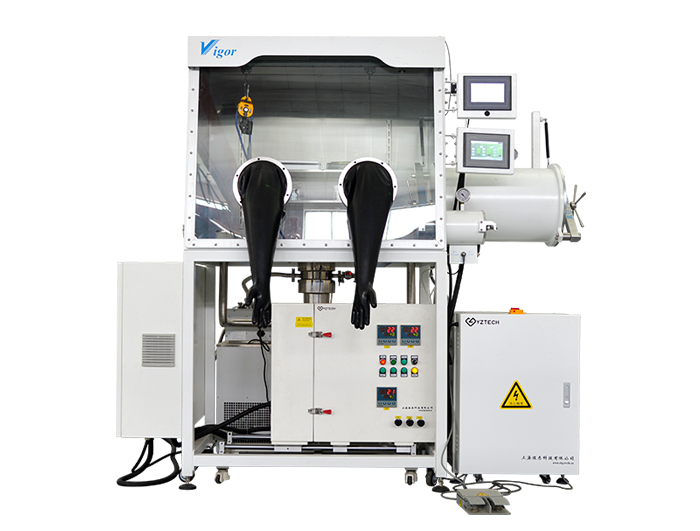
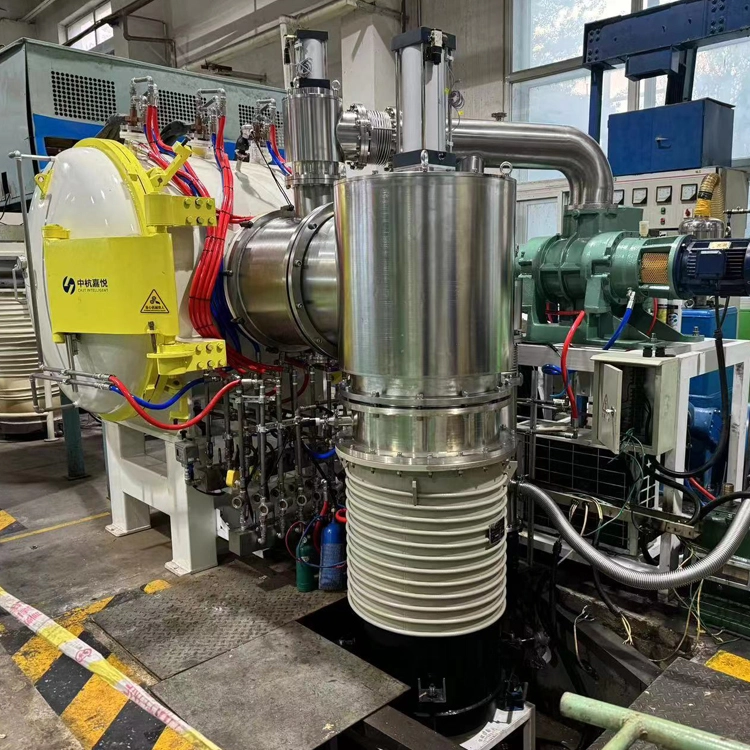
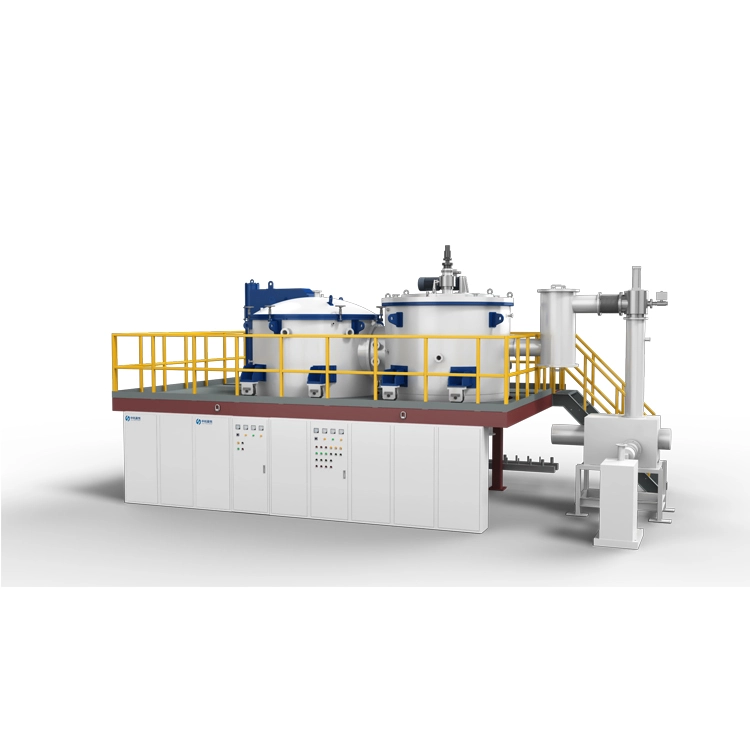
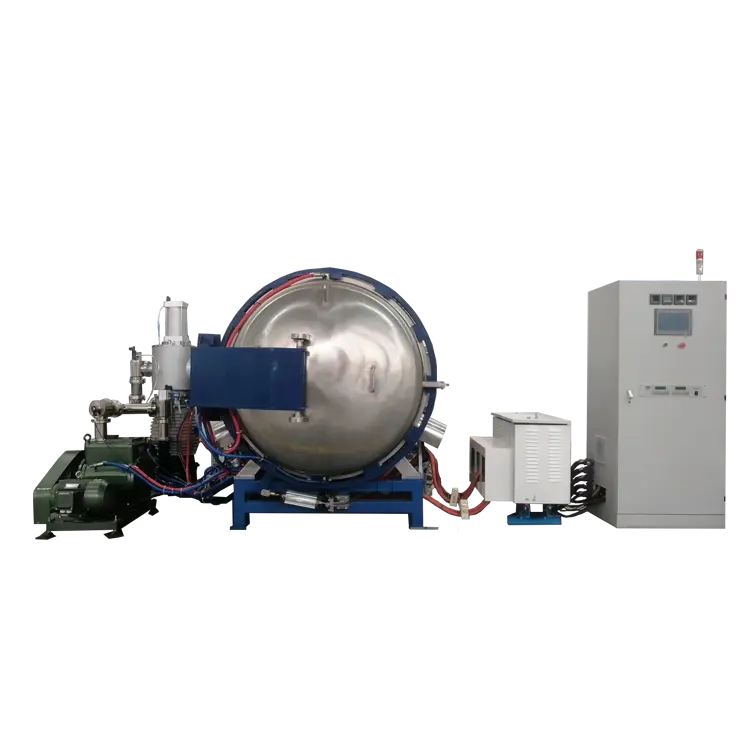
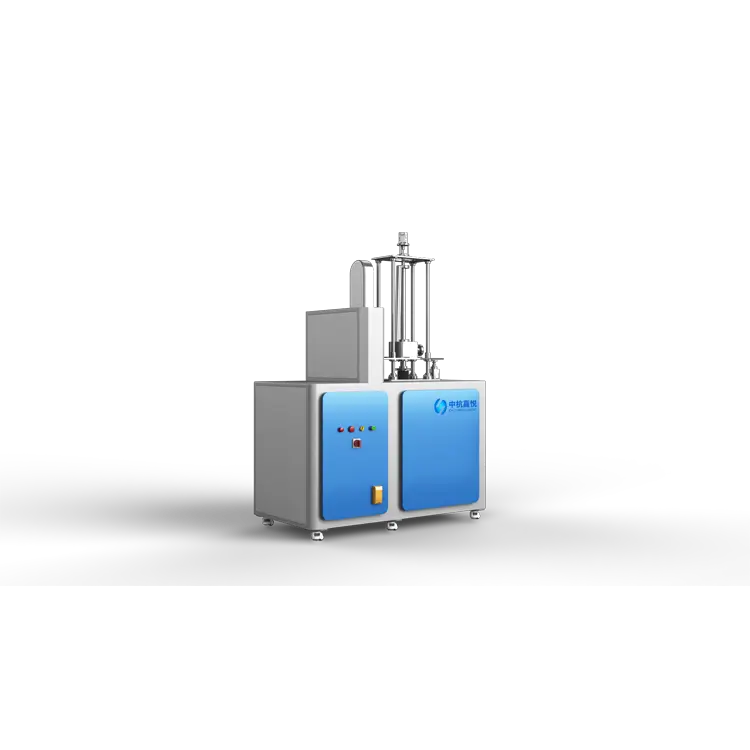
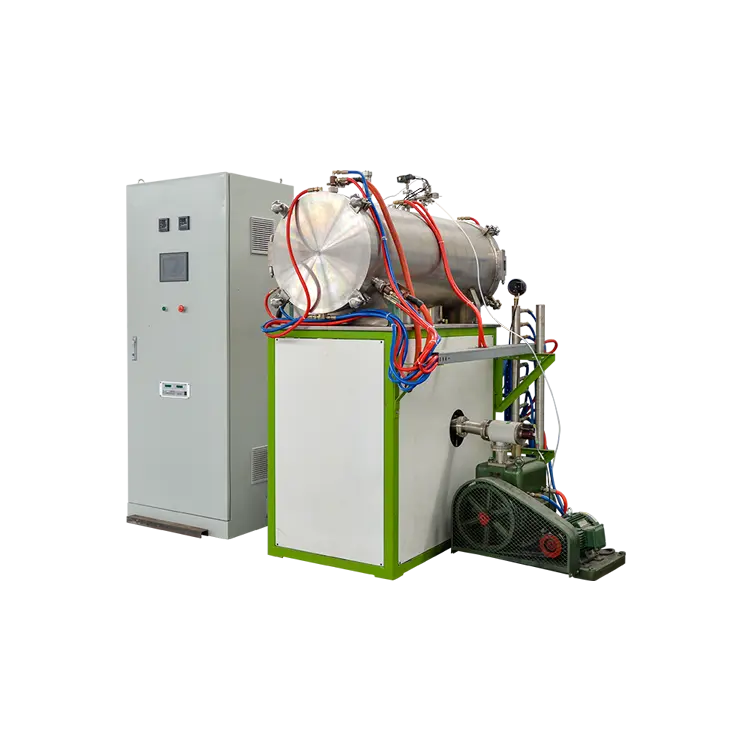
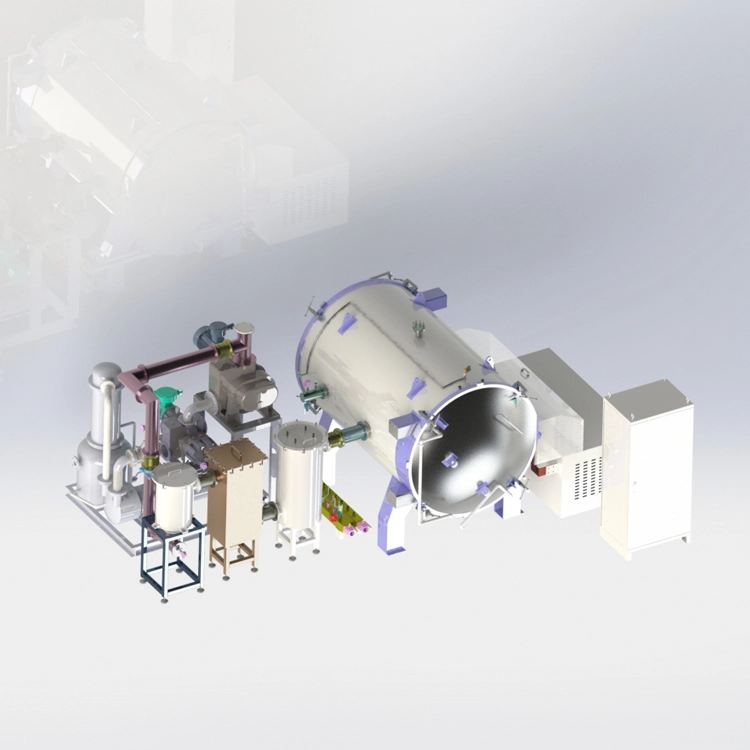
Molten Salt Vacuum Distillation System
The value of basic research may not be immediate, but time always rewards persistence.
In thermal equipment, sustained efforts on thermal field simulation, temperature uniformity control, and other fundamental topics have yielded 65 utility model patents, 26 invention patents, and 16 software copyrights. Behind this IP are countless simulation iterations and real thermal field experiments.
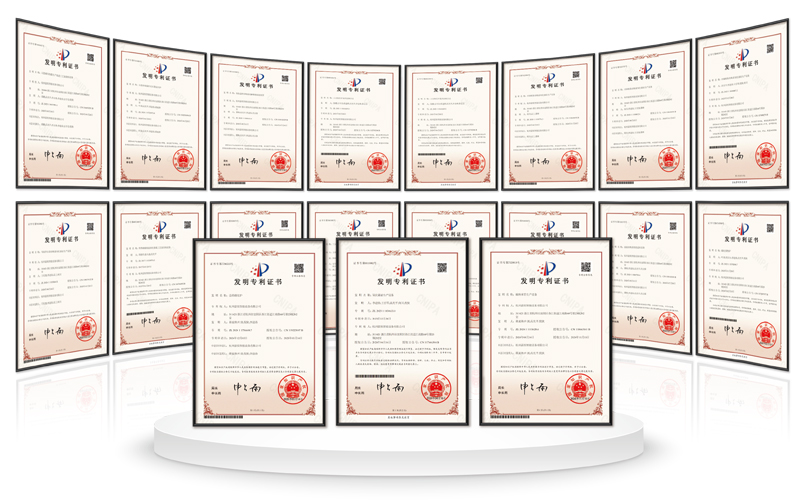
Hangzhou Jiayue Patent Diagram
In new materials “process + equipment,” the silicon monoxide precursor distillation and sintering equipment received the 2025 Hangzhou Manufacturing First (Set) Product award—a recognition of CHJT’s full-chain capability from lab to production line.
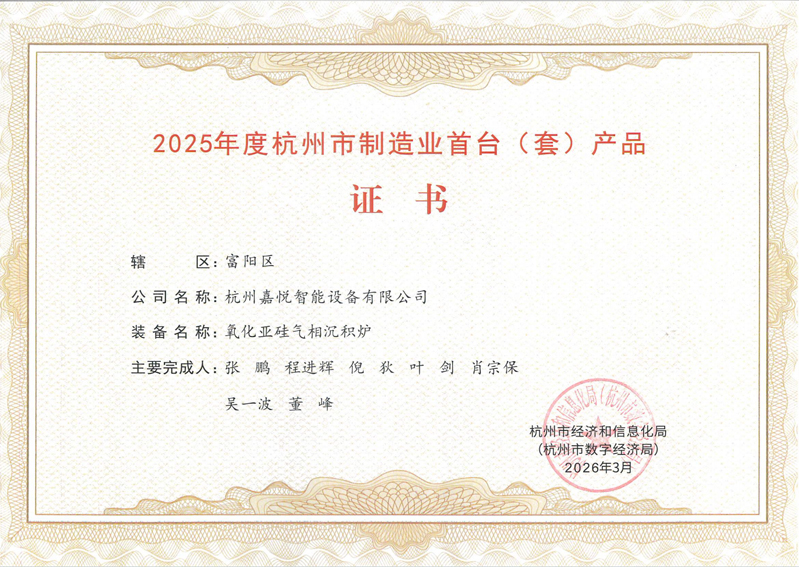
2025 Hangzhou Manufacturing First (Set) Product award
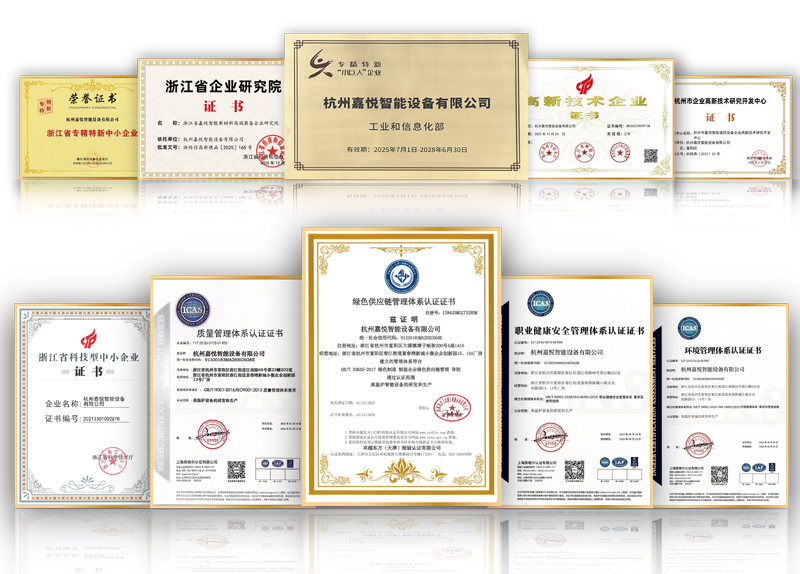
Illustration of Zhonghang Jiayue "Little Giant" Awards and Other Certificates
These honors are not goals we deliberately chased; they are the natural fruits of basic research done deeply and solidly.
Basic research is never something that is “done and finished.” The deeper we go, the more unknowns we find worth exploring. R&D on vertical SWCNT equipment is progressing; the solid-state electrolyte production line is under construction; and the kilogram-scale electrolytic purification unit for high-purity lithium metal continues to present challenges. These ongoing endeavors have no ready-made benchmarks or answers—they demand sustained investment and patience at the basic research level.
CHJT’s commitment to basic R&D will not stop. There is no shortcut on this path, and we have never sought one. From lab to production line, from basic research to industrialization, CHJT’s choice has always been the same:
Dig deep, build solid, and go further.